The Glen Center


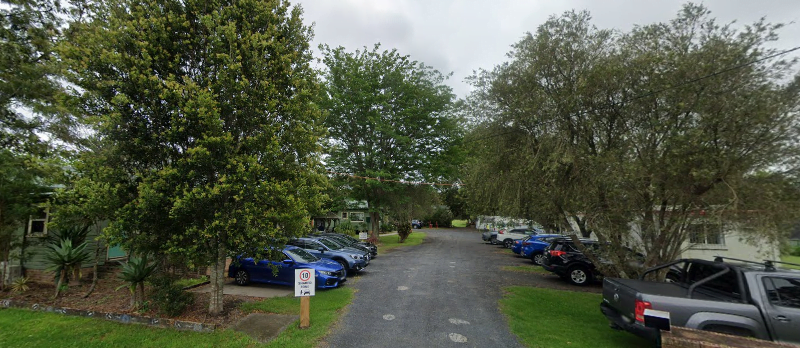
The Glen Center 3 photos
Comparison facts and sources
Culturally safe 12-week residential alcohol and drug rehabilitation for adults over 18, open to Indigenous and non-Indigenous clients, with an optional post-program transition pathway. · The Glen for Men, 50 Church Road, Chittaway Point, New South Wales; The Glen for Women is a separate Wyong Creek campus.
- Published fee information
- AUD 100 / One-off non-refundable AUD 100 urine-test admission fee; additional program fees are published per fortnight.
- Before admission
- Applicants must complete detox elsewhere and be substance-free for at least five days. Confirm medication eligibility, wait-list timing, all program costs and transition availability before admission.
- Continuing care
- Clients who complete the 12-week program may apply for The Glen for Men Transition Program, which supports gradual community re-entry, safe housing, education, employment, finances and daily routines.
Source record · October 19, 2026
Program-fee schedule reviewed October 19, 2026. Prices are dated October 20, 2025; confirm current charges, benefit eligibility, and availability.. Confirm current program fit, admission criteria, duration, payer arrangements and itemized patient cost directly with admissions.
Luxury rehab comparison · Fees and inclusions · Selection methodology
The Glen Center operates culturally safe residential alcohol and drug rehabilitation on the New South Wales Central Coast. This profile is anchored to The Glen for Men at 50 Church Road, Chittaway Point; The Glen for Women is a separate campus at Wyong Creek. Both Indigenous and non-Indigenous clients may apply.
Program and eligibility
The Glen’s residential program lasts 12 weeks and is for adults over 18. Its holistic model addresses substance use, personal triggers and practical life skills, with transition support for goals involving housing, education, employment and finances. Admission is assessment-based and availability may involve a waiting list.
Detox and clinical exclusions
The Glen is not a detox center. Applicants must arrange their own detox and be free from substances for at least five days before entry. The provider also says it is not a dual-diagnosis rehabilitation center, cannot accept some medications including methadone or buprenorphine, and does not provide an opioid treatment program.
Fees and contact
The provider publishes a one-off, non-refundable A$100 admission charge for urine testing, current on its cost page as at October 20, 2025. The same dated page also lists fortnightly program charges; request a current written quote. Telephone: 02 4388 6360; office hours are Monday to Friday, 8am–3pm.
Keep the men’s and women’s campuses distinct
The Glen’s organization overview describes an Aboriginal Community-Controlled organization operating separate residential centers for men at Chittaway Point and women at Wyong Creek. It identifies a 12-week program for adults over 18 and a model addressing substance use alongside social, emotional, cultural, physical, and spiritual needs. This profile’s address belongs to the men’s center; a referral to the women’s program requires confirmation of that separate location and arrangements.
Ask which program is appropriate, how eligibility is assessed, and what support is available before and after residence. The organization also describes navigation while waiting, support for families and friends, and outreach after treatment. Those services have different purposes and should not be assumed to provide the same level of clinical care. Understanding the full pathway can be helpful, but the first decision remains whether the particular residential program can meet the applicant’s needs.
The core program connects treatment with practical life skills
The program description identifies the Aboriginal Drug and Alcohol Residential Rehabilitation Network Model of Care as its foundation. It describes groups, individual support, goal reviews, cultural activities, grief and trauma counseling, relationship and parenting work, financial skills, and relapse-prevention strategies. Practical activities include cooking, gardening, cleaning, community involvement, and opportunities connected with education or employment.
These elements explain a broad rehabilitation model rather than a guarantee that every applicant will receive every service. Discuss which goals are relevant to you and how they will be reviewed during the stay. Someone preparing to return to family life may need different practical work from someone focused on housing or employment. Ask what participation in the core program involves and which additional opportunities are available. The purpose of a plan is to connect daily activities with realistic next steps, while recognizing any clinical needs that require another service.
Clinical exclusions should be discussed with existing prescribers
The eligibility guidance says The Glen is not a detox or dual-diagnosis rehabilitation center and does not offer an opioid treatment program. It identifies restrictions on certain medicines, including methadone and buprenorphine, and says another service may be recommended when it cannot offer a place. It also lists specific offense-history exclusions, so an applicant should discuss relevant legal history honestly rather than assume that every referral can be accepted.
These are the provider’s admission limits, not advice to stop effective medication or attempt withdrawal independently. Discuss them with your treating clinician and ask whether a different rehabilitation service can support the treatment you currently need. Provide a complete medication and health history during assessment. A program’s cultural or practical appeal should not lead to an unsuitable change in medical care. Confirm what The Glen can manage and how necessary treatment will continue before agreeing to admission.
Application, assessment and an available place are separate steps
The application process describes an online form, contact within two business days, supporting documents where requested, and a phone assessment. It says waiting times cannot be predicted precisely and encourages applications to other appropriate programs as well. An acceptance letter is issued only after required documents and detox arrangements have been approved. A response to an application is therefore different from an offer of an immediate bed.
Keep a record of the documents requested and make sure the team has reliable contact details. Discuss medical certificates, criminal-history information, and any practical difficulty obtaining paperwork. The page requires detox elsewhere and at least five substance-free days before entry; arrange this through appropriate clinical care, not by treating the waiting period as an unsupervised withdrawal plan. Ask what to do if circumstances change while waiting. Confirm the final date and conditions in the acceptance letter before organizing travel or other commitments.
Navigator support can help while residential care is pending
The AOD Navigator Program is described for people who have applied for residential alcohol and drug treatment or cannot apply because of capacity. With consent, a navigator contacts the person, listens to their needs, and connects them with relevant services. The published examples include healthcare, housing, mental health support, alcohol and drug counseling, and family support.
Ask whether you are eligible and which practical problems the navigator can help address while you wait. A useful conversation may identify appointments, paperwork, housing concerns, or support that makes a later admission more workable. Navigation is a coordination service; it is not the same as residential supervision, detoxification, or a guaranteed placement date. Keep the contact routes for your existing clinical care clear. If an urgent problem arises, use the appropriate urgent service rather than waiting for an ordinary navigation check-in or an available residential place.
Cultural activities are part of the broader model of care
The cultural-program page describes yarning circles, visits from Elders and community members, creative activities, cultural groups, community events, and experiences connecting people with Country. It also describes kinship groups led by a Cultural Lead, with discussion of relationships, responsibilities, identity, and community connections. These activities form part of the organization’s stated approach to cultural safety and well-being.
Discuss what cultural connection means to you and any preferences or concerns you want staff to understand. Ask how activities are introduced, which are part of the regular program, and how participation is adapted to individual circumstances. Cultural experiences should be understood in their own context rather than advertised as a guaranteed clinical outcome. For someone comparing programs, the useful question is whether the environment and approach support respectful participation alongside the substance-use treatment and practical goals needed for life after residence.
Packing rules affect phones, transport and prescribed medication
The packing guidance allows personal clothing, toiletries, identification, and offline reading or entertainment. It says a personal mobile phone may be used at specified times under the program’s rules, while computers, laptops, and other internet-connected devices are generally prohibited. Vehicles and pets are also listed among items not to bring. Confirm any accessibility need or unusual item before traveling.
The medication instructions refer to prescribed, approved medicines and identify particular restrictions. Send an accurate list during assessment and obtain clear instructions from the program and your prescriber; do not change treatment merely to fit a packing list. Arrange transport with the prohibition on bringing a vehicle in mind. Ask about storage, laundry, approved phone access, and contact with people at home. Preparing these practical details can prevent a misunderstanding on arrival without assuming that ordinary residential rules explain every individual’s needs.
Arrival includes a specific clinical and administrative check
The first-day instructions ask people to arrive by 11 a.m. on the date in their acceptance letter and to call if delayed. They describe a urine test and approval by counseling staff before official admission. Where someone arrives from detox, the provider asks for the discharge summary and says prescribed medicines used by the detox service are considered in interpreting the result.
This makes the handover from detox particularly important. Confirm what documentation and medication information should travel with you and who will answer questions if the result or history needs clarification. Ask what happens if admission cannot proceed that day, including safe transport and alternative care arrangements. A completed application and a journey to the site do not remove the final entry requirements. The goal is a coordinated transition with the receiving team aware of the clinical plan, rather than an assumption that every test result is interpreted without context.
The published prices have an explicit older date
The cost page, dated October 20, 2025, lists fortnightly charges of A$532 for JobSeeker or self-funded clients, A$630 for Disability Support Pension, and A$490 for Youth Allowance, plus the A$100 admission urine-test fee. Confirm current rates and inclusions.
Family and friends receive support for their own needs
The Family Carers and Friends Program explicitly treats the supporter as its client. It describes check-ins, education, events, and help connecting with housing, counseling, budgeting, or peer-support resources. It also says the program itself is not a counseling or therapy service. Those references describe assistance finding appropriate support, rather than a promise that the FCF worker provides all of it directly.
The page draws a clear privacy boundary: FCF staff do not discuss the resident’s treatment progress, pass messages, or influence clinical decisions. Residents raise their own treatment concerns through the case-management process. A family member can therefore ask for help with their own well-being without expecting access to confidential clinical information. Confirm how family contact, leave, and visits work at the relevant stage of residence. The support program and permission to communicate with a resident are related but separate arrangements.
The men’s transition program follows completed residential treatment
The Glen for Men Transition Program is described for people who have completed the 12-week residential program. Its focus is gradual community reentry while maintaining a supported living environment. Listed goals include training, education, employment, housing, financial skills, cultural connection, and family restoration. These are goals of the pathway, not guaranteed outcomes or confirmation of a transition place for every graduate.
Discuss eligibility and availability early enough to plan for discharge. Ask where the transition accommodation is, how long participation may continue, what support is provided, and what costs or responsibilities apply. A transition program is different from simply extending the original residential stay. If it is unavailable or unsuitable, the discharge plan still needs realistic housing, clinical follow-up, and community support. Clear arrangements reduce the risk of expecting a qualification, job, vehicle, or permanent home to be automatically supplied at completion.
Outreach maintains connection after the men’s program
The men’s outreach service describes continued contact with former clients through follow-ups, culturally grounded support, camps, and community activities. An Outreach Manager leads the program. Its purpose is to help people remain connected and engaged after leaving treatment, with opportunities shaped around recovery and positive community networks.
Before discharge, ask how to stay in touch, which activities are currently available, and whether there are geographic or other participation limits. Keep this community connection distinct from any ongoing medication, counseling, or specialist healthcare you need. Outreach descriptions do not establish continuous clinical monitoring or emergency response. A practical plan identifies both the people who support everyday recovery and the clinicians responsible for health concerns. Discuss how to seek reassessment if substance use, mental health, or living circumstances change after returning to the community.
Explore Australian treatment options and New South Wales programs.
Official provider pages reviewed October 19, 2026. Published price figures retain their October 20, 2025 date; confirm current eligibility, availability, and costs.
Sources checked October 10, 2026: official program overview, official application process, official eligibility and detox guidance, and official cost page.