The Dunes East Hampton
Comparison facts and sources
residential_addiction · Southampton, New York, United States
- Published fee information
- Quote required
- Before admission
- Individual recommendation; no fixed universal current duration verified.
- Continuing care
- Aftercare, alumni and possible outpatient or sober-living support described; individual scope and location require confirmation.
Source record · 2026-10-20
Official provider information checked October 20, 2026.
Luxury rehab comparison · Fees and inclusions · Selection methodology
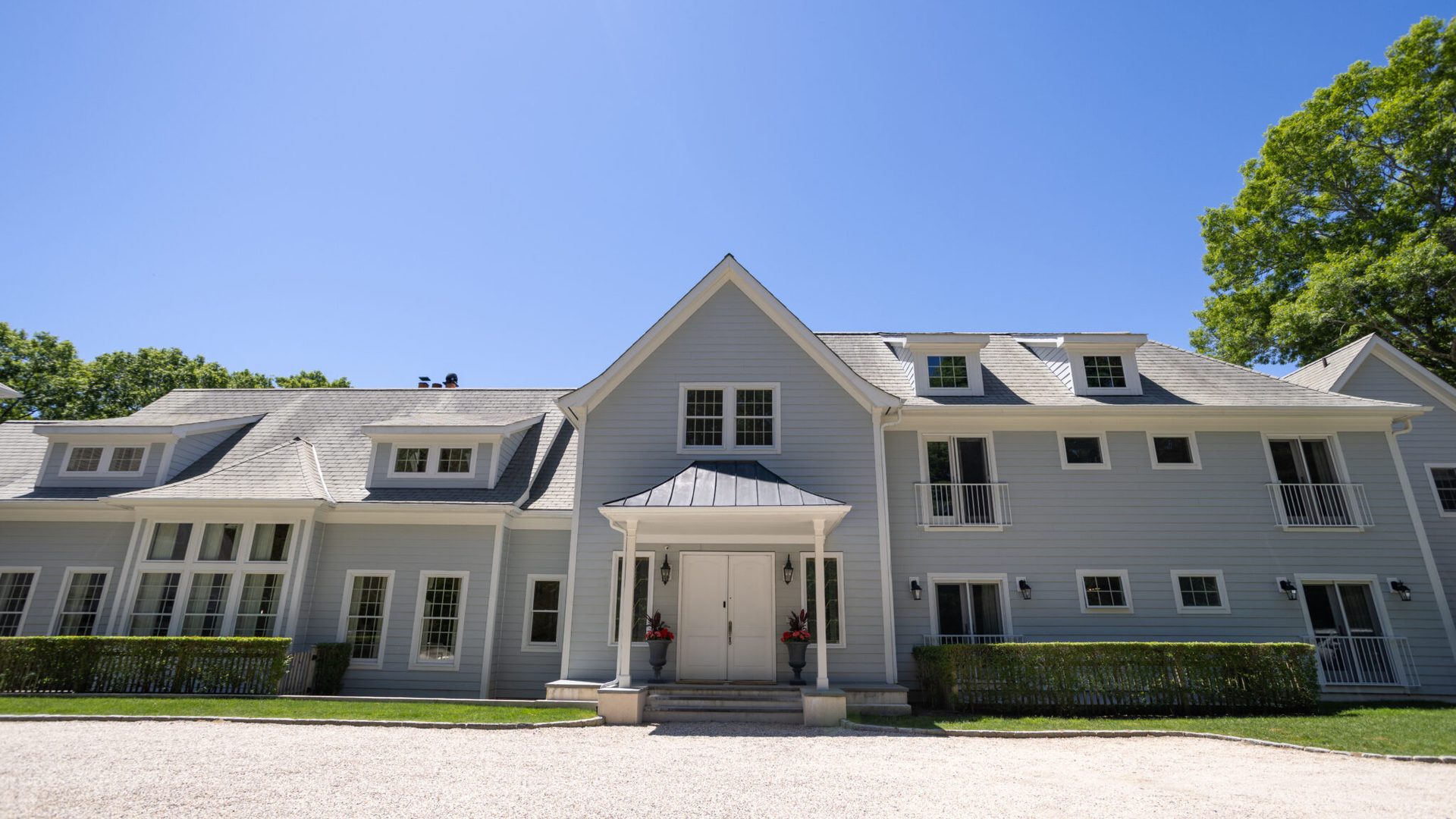
The Dunes East Hampton is a residential addiction treatment provider in the Hamptons on Long Island, New York. Despite the East Hampton name, its current official website identifies the estate as being in Southampton. It describes a 17-acre setting for a maximum of 13 clients, with personalized clinical care, wellness activities, and flexibility for essential outside communication. This is a country-estate residential program, and prospective residents should distinguish it from the provider’s separate outpatient services and pages aimed at people searching from New York City.
A small residential community in Southampton
The residential program places treatment on a gated Southampton estate. The homepage describes a 13-client retreat, while the public contact location is Lohan Court, Southampton, New York. These details establish the current geographic setting more reliably than assuming the brand name is a precise town designation. Before traveling, obtain the arrival instructions directly from the team, especially if another person or a transport service will be bringing the resident to the property.
The guide to daily life describes appointed accommodation, chef-prepared meals, massage services, and opportunities for private yoga. It does not establish that every bedroom has the same layout or that every optional service is included in every admission. A person with specific privacy, accessibility, or dietary needs should request details about the actual placement. A smaller community can feel quite different from a large campus, but it still includes shared treatment and time with other residents.
Assessment and the beginning of treatment
The Dunes says residents complete medical and psychiatric assessment on arrival, followed by an individualized treatment plan. Its residential description includes individual, group, and family therapy, spiritual counseling, meditation, yoga, and nature-based activity. The assessment is the point at which these broad options should become a specific plan. Someone who has received treatment before can explain which aspects were useful, which were difficult, and what they would like the next program to address more clearly.
Before admission, the team should understand current substance use, prescribed medication, relevant diagnoses, and any immediate care needs. The official pages reviewed establish residential treatment, but they should not be used to infer a particular detoxification protocol or eligibility for every level of medical complexity. If withdrawal management or a transfer from another facility is relevant, ask how that stage is organized before booking travel. A clear admission plan identifies the appropriate sequence of services and who is responsible for the handover.
Substance use and co-occurring mental health concerns
The dual-diagnosis program describes integrated attention to substance use and conditions including anxiety, depression, bipolar disorder, PTSD, and other trauma-related concerns. The provider says psychological evaluation helps identify the mental health issues that need to be considered. This is a description of the program’s scope, not a promise that every person with one of those diagnoses can be managed in the residential setting. Suitability depends on the individual presentation and the assessment.
For a resident with an established psychiatrist or therapist, the important questions concern coordination. Ask how previous records inform assessment, how medication is reviewed, and which clinician will handle follow-up after discharge. A combined treatment plan should make clear how the team is prioritizing substance use and accompanying symptoms. The public list of conditions cannot answer that question for an individual. It is also useful to ask which issues can be addressed during the stay and which are expected to require continuing work at home.
Clinical methods and individual selection
The Dunes’ clinical services page lists addiction education, cognitive behavioral therapy, EMDR, Internal Family Systems, and several experiential approaches. The page explicitly says that not every client takes part in every service. That qualification helps set realistic expectations: the available menu is not a fixed course delivered identically to all residents. Ask which methods are proposed, how they relate to the resident’s goals, and how the team evaluates whether the plan needs to change.
The educational component is described as helping clients understand their own substance-related patterns, vulnerabilities, and triggers. A practical way to assess this part of the program is to ask how learning is connected with situations the resident expects to face after discharge. Information about substances can be useful, but a personalized plan should also address the person’s routines, relationships, and decisions. The center’s individualized description makes those concrete applications more informative than a list of group titles without context.
Experiential and equine-assisted work
The clinical page describes approaches involving role-playing, relational work, and other activities intended to help clients explore emotions and interpersonal patterns. These differ from a conventional individual conversation with a therapist. A person who is unfamiliar with experiential work can ask what a session actually involves, how participation is prepared, and how the clinician accommodates discomfort or uncertainty. The existence of a named method does not establish that it is the appropriate next step for every resident.
The provider gives a particularly clear description of equine-assisted work: clients interact with horses on the ground through activities such as grooming and guiding, with a trained practitioner present. It should therefore not be described simply as horseback riding. A prospective resident can discuss physical restrictions, allergies, or anxiety around animals before assuming that participation is expected. The relevant clinical question is how the activity connects with the person’s treatment goals. Its inclusion in a luxury setting is not evidence of a guaranteed therapeutic result.
Hypnotherapy also appears among the available clinical services. The Dunes presents it as an additional approach within a broader residential program, rather than a stand-alone cure. Anyone interested in that option should ask about the practitioner, the intended purpose, and how it fits with other care. The same principle applies to wellness activities: they may provide variety and structure during the stay, while the individual assessment determines their place in the treatment plan. No particular outcome should be inferred from their availability alone.
Daily routine, devices, and family visits
The what-to-expect page describes a balance of scheduled work and rest, a designated daily time for outside contact, and weekend opportunities for family visits. These specifics are useful for setting expectations before arrival. Families should confirm the current schedule and any preparation required for a visit. A planned family therapy session may have a different purpose and format from ordinary social time, and those arrangements should be understood separately.
The homepage emphasizes the ability to remain connected to devices, but that should be read alongside the more specific description of designated contact time. A prospective resident should ask what the current phone and computer policy permits, whether private calls can be accommodated, and how device use fits around groups and individual appointments. Clarity is particularly important for people whose family or colleagues normally expect an immediate response. Agreeing on communication arrangements in advance can make a period of residential care easier to organize.
An executive program with conditional flexibility
The executive program describes accommodation for important business needs, including handling matters from the estate and, when necessary, attending an outside commitment. The daily-life guide mentions staff-escorted attendance at critical events. These are program features to discuss, not a general authorization for unrestricted travel or a full working schedule. Explain the exact obligation, its timing, and how much attention it requires so the team can assess whether an arrangement is realistic.
For someone based in New York City, the Hamptons location may make a residential stay feel geographically manageable. It still requires a deliberate break from normal routines and participation in treatment. A useful plan identifies the responsibilities that can be delegated, the limited tasks that remain essential, and how unavoidable contact will be managed. The executive label is most meaningful when it leads to a clear agreement about the resident’s actual circumstances, rather than an assumption that professional demands automatically take precedence over the clinical schedule.
Fees and recommended duration
No fixed current residential tariff or universal length of stay was verified on the official pages reviewed. Both should be discussed with admissions in relation to the proposed plan. A dated written quotation should identify the duration, accommodation, clinical services, optional activities, and any additional charges. Older provider articles or directory estimates should not be treated as a current tariff. Without the period and inclusions, even an apparently precise number can give a misleading impression of the total commitment.
The program’s flexible approach makes it useful to ask how a change in duration or an outside service is handled financially. Confirm current payment and insurance arrangements directly rather than inferring them from another facility or a historical reference. A comparison between centers should use complete proposals for similar assumptions. That means understanding whether a price covers the full residential stay, whether specialist services are separate, and what the agreement says about extensions or an earlier-than-planned departure.
Aftercare and the return to everyday life
The Dunes describes long-term aftercare and sober-living support among the reasons someone might consider its residential program, and the website also identifies an alumni community and outpatient services. The exact transition pathway should be agreed individually. A resident returning to another region may need local clinicians and peer support rather than the same arrangement as someone living nearby. Ask which appointments, referrals, or contacts will be organized before discharge and who will coordinate them.
A continuing-care plan should distinguish clinical treatment from alumni connection and from housing. Each can serve a different purpose. It should also account for the work, family, and social pressures that the resident expects to resume. The executive program’s attention to real-world responsibilities can be a useful starting point for that discussion. What matters at discharge is an understandable set of next steps, with services the person can actually access and a clear handover to any professionals who will continue the work.
Frequently asked questions
Is The Dunes in East Hampton or Southampton?
The brand is The Dunes East Hampton, while current official residential information places the estate in Southampton, New York. Use the admission team’s current arrival instructions when arranging travel rather than relying on the brand name as a precise destination.
Is the equine program a riding activity?
The clinical page describes ground-based interaction with horses, such as grooming and guiding them, with a practitioner present. Ask how participation is selected and adapted for a resident’s physical needs or preferences.
Can someone use outpatient services instead?
The provider advertises outpatient treatment as a separate option. Whether that level of care is appropriate requires assessment, and its location, schedule, and fees should be confirmed independently of a residential booking.
Explore related treatment options
For further comparison, explore treatment centers in New York and addiction treatment providers. Review each provider’s clinical setting, accommodation, admissions requirements, and continuing-care arrangements.
Sources
Official provider information reviewed October 20, 2026.