Stress Care of New Jersey
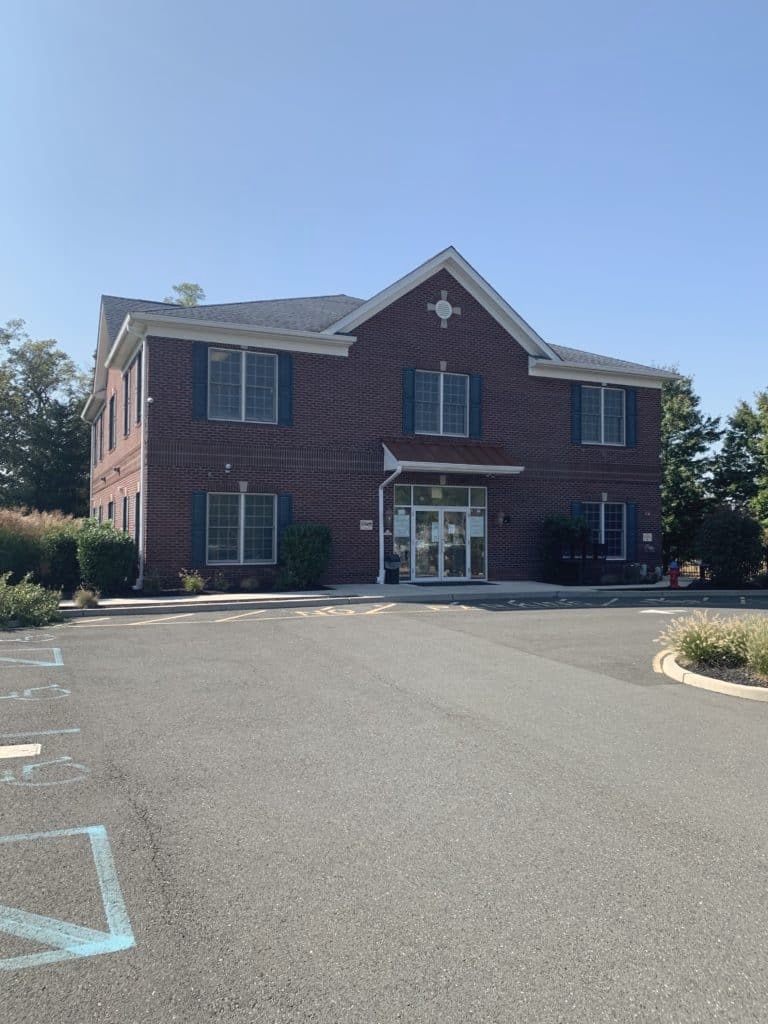
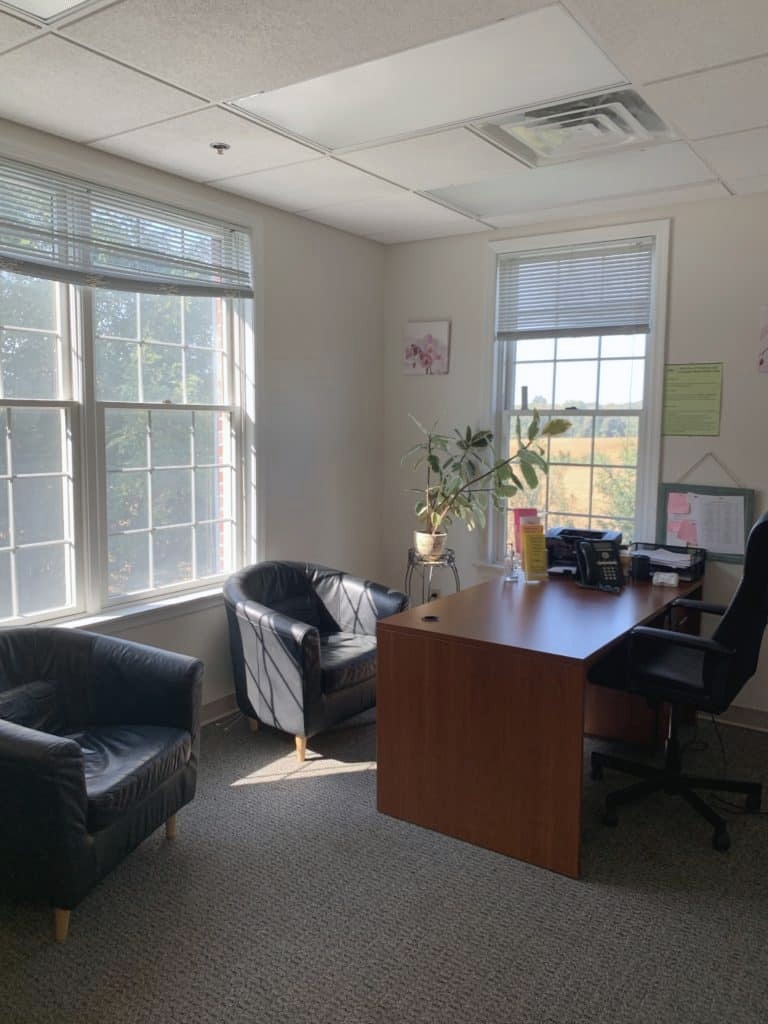
Stress Care of New Jersey 2 photos

Comparison facts and sources
Matawan site within a New Jersey outpatient behavioral-health network, with adolescent and adult IOP, adult partial care and outpatient substance-use services. Its directory lists Behavioral Health Home; the dedicated BHH/ISC page gives a Manalapan address. This is not residential accommodation. · 4122 Route 516, Matawan, New Jersey 07747
- Published fee information
- Quote required
- Before admission
- Program availability is site-specific. The dedicated Behavioral Health Home page identifies 500 Park Avenue, Manalapan, while the Matawan directory lists that service. Confirm the receiving location, eligibility and coordination with Matawan. Other network services should not be assigned locally without confirmation; residential care is not listed for Matawan.
- Continuing care
- Stress Care provides outpatient and partial-care levels that can support step-down treatment, but the provider does not publish one universal aftercare pathway for Matawan. Follow-up and referrals are individualized.
Source record · October 19, 2026
Official-source review on October 19, 2026 covers the Matawan service directory and the dedicated Behavioral Health Home location and eligibility information. Confirm the receiving program, current availability and individual financial terms; fee information retains its separately stated review date.. Confirm age group, program availability, schedule, benefits, authorization, duration and personal responsibility directly with Stress Care.
Luxury rehab comparison · Fees and inclusions · Selection methodology
Provider overview
Stress Care of New Jersey is a state-licensed, Medicare-certified and Joint Commission-accredited outpatient behavioral-health and addiction-treatment network. It operates sites in Matawan, Manalapan, Somerset and Toms River; this profile’s listed address is the Matawan site.
Matawan services
The Matawan site lists telehealth, psychiatric evaluation, medication management, individual and family therapy, adolescent and adult intensive outpatient programs, adult partial care, outpatient substance-use treatment and a behavioral health home. This is outpatient care rather than a residential or skilled-nursing facility.
Access and hours
The network publishes office hours of 9 a.m.–9 p.m. Monday through Friday, 9 a.m.–4 p.m. Saturday and closed Sunday. Program scheduling, eligibility, insurance coverage, duration and personal costs should be confirmed with the provider; no standard program price was published on the reviewed pages.
Choosing the Matawan service
The Matawan location directory lists psychiatric evaluation, medication management and several forms of therapy, alongside intensive outpatient and partial-care programs. It covers both mental-health and substance-use services and includes adolescent as well as adult options. This breadth is useful when different needs overlap, but a directory entry does not determine which program will accept an individual or which clinician is currently available.
When arranging an evaluation, specify Matawan rather than asking only for Stress Care’s general service. Describe the person’s age, current treatment and the type of support being sought so the team can identify the relevant pathway. Confirm where the assessment and subsequent sessions take place; some dedicated program information names another network address. The location page’s consultation form asks for nonmedical correspondence, so it should not be used as a substitute for a clinical discussion or a secure route for detailed health records. Ask staff how they want assessment information supplied.
Routine outpatient mental-health treatment
Stress Care’s outpatient mental-health service describes psychiatric evaluation, medication management and individual or group therapy for adolescents, adults and older people. It is intended for people who do not require hospitalization or who are continuing care after an inpatient episode. The provider lists concerns such as anxiety, depression, sleep difficulties, trauma, school problems and family conflict, with services individualized to the client.
For someone comparing this route with an intensive program, clarify the frequency and purpose of each appointment. A psychiatric review, an individual therapy session and a group meeting may involve different professionals and different scheduling arrangements. Ask how the clinicians coordinate their work and who follows up on changes in symptoms or medication. Stress Care encourages family involvement, but the appropriate role of relatives should be discussed with the treating team. A useful outpatient plan identifies responsibilities between visits and explains when a higher level of support would be reconsidered.
The adult mental-health IOP structure
The adult intensive outpatient program is described for ages 18 and older. Its published schedule offers morning and evening blocks, with a three-hour format organized around check-in, group psychotherapy, psychoeducation and a closing review. Individual sessions and medication management are planned as needed. The page lists weekday program windows, but the actual attendance requirement should be confirmed for the person’s treatment plan.
This structure gives a prospective patient more information than the IOP label alone. Check-in is used to discuss current mood and concerns; the educational component addresses coping, communication, emotional regulation and safety planning; the closing discussion connects the day’s work with the time before the next session. Ask whether the morning or evening group is accepting new members at Matawan and how any additional individual appointments fit around it. Someone working or studying should review the complete weekly commitment, including travel and separately scheduled clinical reviews, before assuming that one three-hour block is the entire program.
Adult partial care and practical recovery skills
Stress Care’s adult partial-care program is expressly nonresidential. It describes structured daytime treatment, psychiatric oversight, group work and skills education for people whose mental-health or addiction difficulties have disrupted their functioning in the community. The published group schedule is Monday through Friday, 9:30 a.m. to 3:30 p.m. Confirm the current site, attendance plan and start date rather than treating that timetable as a personal admission offer.
The program emphasizes practical areas such as communication, budgeting, understanding symptoms, rebuilding support and managing distress. Those topics may matter when someone needs help returning to daily responsibilities after a hospitalization or period of instability. Ask how the initial psychiatric evaluation leads to individual goals and how those goals are reviewed during the program. Stress Care also describes discharge planning for continuing treatment. Clarify the expected follow-up route and what support is available outside program hours; participation in a day service does not include an overnight clinical bed.
Dream Catchers for adolescents
The Dream Catchers program is described for New Jersey residents ages 13–17 with a mental-health diagnosis and emotional or behavioral difficulties affecting home, school or social functioning. It is intended for adolescents needing more support than a weekly hour of therapy. The provider publishes an average duration of eight to 12 weeks, with individual circumstances determining the actual course.
The listed timetable is Monday, Tuesday, Thursday and Friday, 3:30–6:45 p.m., with required weekly family sessions on Thursday evenings. The program uses groups, offers individual sessions as needed and describes on-site psychiatric medication monitoring. It also mentions transportation in parts of Monmouth and Middlesex Counties. Before enrollment, confirm the receiving location, current timetable, transport eligibility and the family’s ability to participate. Discuss school attendance and any coordination with existing clinicians. These are program-specific requirements; they should not be replaced by the network’s broader office hours or interpreted as a residential adolescent service.
Outpatient substance-use care and medication support
The provider’s outpatient substance-use program describes a harm-reduction approach for people who can manage their needs safely while remaining in the community. It lists psychiatric evaluation, medication management, individual and family therapy, and Suboxone treatment and maintenance. That is a more specific service description than a general addiction category, but it still requires an assessment of suitability and the availability of an appropriate prescriber.
Ask how the team coordinates counseling with medication appointments and whether an existing prescription can be continued or needs a separate review. The program description does not establish that the clinic provides hospital-level withdrawal care or every form of opioid treatment. If medical stabilization is needed, the assessment should identify the appropriate receiving service. Stress Care describes care across adolescent, adult and older populations in its network information; confirm the age criteria for the particular substance-use pathway. Treatment frequency, clinical monitoring and family participation should be agreed for the individual rather than inferred from the general list of services.
When substance-use IOP is considered
Stress Care’s adult substance-use IOP is presented as an option for people needing more structure than traditional outpatient care while continuing their community responsibilities. The description emphasizes flexible hours, evening access, family involvement and individualized goals. Its topics include relapse prevention, coping skills, anxiety management, communication and healthier relationships. These features describe the intended program, not a guaranteed immediate opening.
Distinguish this pathway from the separately described adult mental-health IOP when speaking with admissions. Ask which track best matches the assessment, what the weekly attendance requirement is and whether medical appointments occur within group hours or separately. If both substance use and mental-health symptoms need attention, clarify who coordinates the combined plan. The page mentions major insurance, Medicare, Medicaid and sliding-scale arrangements, but the relevant financial terms depend on the actual program and payer. Confirm coverage, authorization and any individual responsibility before starting; an accepted insurer name does not establish that every service is fully funded.
Behavioral Health Home and its location
The Behavioral Health Home information describes adult case management and care coordination across mental health, physical health, addiction and social needs. Although Matawan’s directory lists this service, its dedicated page gives 500 Park Avenue in Manalapan as the BHH/ISC location. Confirm where appointments are delivered and whether support can be coordinated through Matawan. The word “home” describes an integrated service model here, not residential accommodation.
The published eligibility list names a mental-health diagnosis and Monmouth County residence and includes Medicaid and Horizon BCBS in its coverage information; staff should clarify how the criteria apply together. Support may involve finding healthcare, housing resources, employment assistance, benefits or transportation. The page lists a multidisciplinary team but marks a consulting primary-care physician as “coming soon,” so that role should not be assumed currently available. Ask which professional will coordinate the plan, how referrals are followed up and what services are actually delivered by Stress Care rather than another organization. Resource linkage does not guarantee housing, benefits or a medical appointment.
Participating through telehealth
Stress Care’s telehealth page describes individual and group sessions through a video platform using a smartphone, tablet or computer. It asks patients to agree to remote care, have an internet connection and suitable camera and microphone, and participate from a quiet space. The provider says medication may be prescribed when applicable, but that statement does not guarantee a particular prescription or replace the need for clinical evaluation.
The network’s remote-service description includes children, adolescents and adults, while individual programs have their own age and clinical criteria. Confirm which Matawan-linked service can be delivered remotely and whether any evaluations must occur in person. For groups, discuss how privacy will be maintained at home and what happens if a connection fails. The team should also explain how appointments are scheduled and how the patient is directed to the next session. Insurance participation in telehealth needs to be checked for the selected service and plan, even if the same insurer covers an in-person appointment.
Insurance and financial arrangements
The billing and insurance page lists Medicare, Medicaid and a range of commercial plans. It also states that charges may be adjusted on a sliding scale when someone has no insurance coverage. This makes the service different from a provider offering only a fixed private-pay residential package. It does not establish a universal fee, a guaranteed subsidy or identical benefits across outpatient, IOP and partial-care services.
Ask for the financial arrangement for the exact program and location being considered. Clarify whether separate psychiatric appointments, group treatment and other services are billed together or individually, and whether the insurer needs authorization before attendance begins. Stress Care directs insurance questions to the insurer and billing questions to its own billing team. Keep the distinction clear when requesting an estimate: the provider can explain its charges, while the plan determines benefits and cost sharing. If using a sliding-scale arrangement, request the eligibility process and agreed payment terms in writing before starting the course.
Preparing for the first appointment
Stress Care’s patient resources include downloadable forms, a telehealth link and access to a patient portal. The provider recommends completing the appropriate packet before the visit and identifies photo identification and insurance information among the materials needed. The relevant paperwork may depend on the service, so ask which packet applies to the person and program rather than completing every available form.
Use that preparation to make the appointment more specific: bring a current medication list, details of other treating professionals and the main goals or concerns to discuss. Ask staff which records are useful and how they should be transmitted. The public website’s correspondence forms have limitations, and clinical information should follow the route the practice confirms. If a family member is helping an adult patient, clarify consent and participation before the visit. Also verify the receiving address and whether the appointment is an assessment, a psychiatric review or the beginning of group treatment; these may have different preparation and scheduling requirements.
Official Stress Care location, program, patient-resource and financial information reviewed October 19, 2026. The Matawan service list is distinguished from the dedicated Behavioral Health Home address in Manalapan. Current program availability, individual eligibility and coverage require direct confirmation.
Sources and verification
Stress Care Matawan site, official services directory and locations and office hours, checked October 10, 2026. This profile summarizes provider-published information and is not an independent clinical assessment.