STR Silver Pines



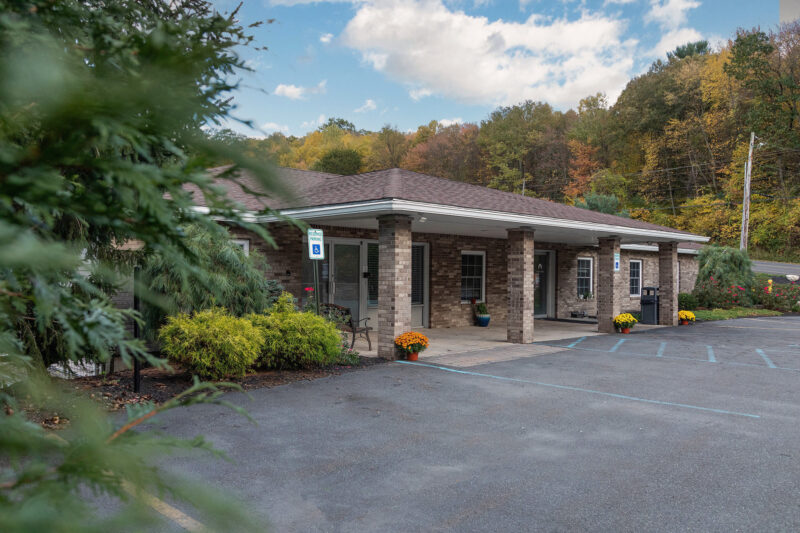
STR Silver Pines 3 photos


Comparison facts and sources
Adult medical detox and 24/7 residential treatment at STR Silver Pines in Mahanoy City, distinct from STR outpatient campuses. · 5 White Owl Drive, Mahanoy City, Pennsylvania 17948, United States.
- Published fee information
- Quote required
- Before admission
- This record is for the Mahanoy City detox and residential campus, not STR's separate PHP/IOP or supportive-housing locations. Duration and insurance authorization are individualized.
- Continuing care
- The campus publishes comprehensive aftercare planning and care coordination plus lifetime alumni support. No fixed aftercare duration is stated.
Source record · October 15, 2026
Current exact-campus and official program information checked October 15, 2026. Confirm clinical fit, benefits authorization, personal responsibility, detox requirements and proposed length of stay in writing before admission.
Luxury rehab comparison · Fees and inclusions · Selection methodology
STR Silver Pines is STR Behavioral Health’s adult medical-detox and residential-treatment campus at 5 White Owl Drive, Mahanoy City, Pennsylvania. The provider distinguishes it from STR’s separate residential mental-health and outpatient locations.
Care at the Mahanoy City campus
The campus combines a 21-bed, around-the-clock medically supervised detox unit with residential treatment for substance use disorders, primary mental-health conditions and co-occurring disorders. Current provider information describes individualized psychiatric, medication-management, trauma-informed and holistic care, same-day admissions when appropriate, aftercare coordination, and a dedicated Overwatch program for veterans and first responders.
Admissions, insurance and cost
The current campus admissions number is 877-862-9909. STR Silver Pines is in-network with most major commercial plans, accepts out-of-network benefits and private pay, and participates in the VA Community Care Network. Medicare and Medicaid are not accepted. No fixed program length, public self-pay fee or tax breakdown was found on the official pages reviewed; benefits, authorization, duration and personal costs should be confirmed in writing.
Choose the Mahanoy City program and the appropriate starting level
The Silver Pines location page identifies medical detox and residential treatment for adults with substance use disorders, co-occurring disorders and primary mental health conditions. Someone who needs withdrawal management may begin in detox and move into residential care within the same facility. A person who has already completed detox elsewhere, or does not need medical withdrawal care, may enter residential treatment directly.
The appropriate starting point therefore depends on assessment, rather than a requirement to purchase every stage. The provider says length of stay varies with clinical needs and progress, and insurance authorization also affects covered time. Ask which level is being recommended, what will be reviewed before a transition, and how the proposed stay is funded. The campus also describes a kitchen and individualized nutritional support; tell admissions about relevant dietary and accessibility requirements. Confirm arrangements for this location rather than assume that another STR program has identical facilities.
Medical detox requires a plan for the particular withdrawal risk
STR’s detox information describes medically supervised care for adults, with assessment and medication support tailored to the individual. Silver Pines is the network’s listed detox location. The service addresses withdrawal from different substances, but its public description does not determine which monitoring or medicines a particular person will need.
Give the clinical team an accurate medication and substance-use history, including recent use, previous withdrawal problems and significant physical or mental health conditions. If pregnancy, seizures or another complicating condition is relevant, ask the team to explain whether the proposed admission can meet those needs or requires coordination with another medical service. Do not use a website list to decide how to stop medication or manage withdrawal yourself. Before admission, establish who will assess safety, how worsening symptoms are handled and what treatment should follow stabilization. Detox and the continuing recovery plan should be discussed together.
Residential treatment adds structure without a universal duration
The residential-treatment overview presents live-in care as an option for people who need more support than outpatient appointments provide. It describes an individualized program combining clinical treatment, a structured daily routine and opportunities to practice skills in a supported environment. The page covers multiple STR settings, so the receiving campus should be named in the admission plan.
Ask Silver Pines to explain the expected balance of individual work, groups, psychiatric review and daily activities. A list of therapies is a menu of possible services, not a promise that every person receives each intervention. Discuss the goals that will guide reviews of the stay and what would indicate readiness for less intensive care. Work, caregiving and insurance arrangements need realistic planning, but a preferred travel date should not be mistaken for a clinical discharge decision. Identify the person responsible for coordinating the next service while the residential episode is still underway.
Primary mental health care needs a specific clinical formulation
STR’s mental health treatment page describes psychiatric assessment, individualized care planning and continuing reviews of symptoms and functioning. It includes residential support for people whose needs have not been met through less intensive treatment, as well as care that may follow a period of acute hospitalization.
For a mental health admission, explain the main reason for seeking care rather than choosing a program only from its diagnosis list. Relevant questions include what previous treatment has achieved, which daily activities remain difficult and what support is needed outside therapy sessions. Ask how existing clinicians’ records and current prescriptions will be reviewed. Residential mental health care should not be assumed to provide the same medical capabilities as an acute hospital unit. The assessment team should specify the appropriate level and any care that needs to occur first. A useful plan connects treatment goals with the person’s intended home, relationships and ongoing outpatient support.
Co-occurring care should address both concerns in one plan
The co-occurring treatment information describes integrated attention to mental health and substance use, rather than treating one concern as irrelevant while working on the other. STR identifies assessment and an individualized combination of therapies, psychiatric support and recovery planning as parts of this approach.
Tell the team about symptoms that occur during periods of use, withdrawal and sobriety, as well as past diagnoses and medication responses. The history can help clinicians explain what needs further evaluation and how treatment priorities may change. A directory label such as dual diagnosis does not establish the person’s diagnoses or guarantee suitability for a particular residence. Ask which clinician coordinates the overall plan and how information will be shared among therapists, prescribers and outside providers with consent. Continuing care should also account for both sets of needs, including any ongoing medication appointments and substance-use support after leaving the residential setting.
Medication treatment can continue beyond the withdrawal phase
STR’s medication-assisted treatment page identifies medication as an option alongside counseling and behavioral treatment, and expressly includes Silver Pines detox and residential care. The provider names Suboxone and Vivitrol among its options and says clients may use medication treatment as part of a longer-term recovery plan.
Discuss existing prescriptions with the receiving clinical team before admission. The relevant questions are whether the program can coordinate the current treatment, which prescriber will take responsibility, and how monitoring and follow-up will be arranged. Listing a medicine does not establish that it is appropriate for every substance-use disorder or every patient. Decisions about starting, changing or continuing treatment require the prescribing clinician’s assessment. Before discharge, confirm who will provide the next prescription or appointment and how records will be transferred. Do not assume that leaving a residential program means medication must end, or that the same prescribing arrangements automatically continue at another STR location.
Overwatch has services specifically for veterans and first responders
The Overwatch program is available at Silver Pines for military veterans and first responders facing trauma, mental health and substance-use concerns. It describes weekly groups focused on service-related experiences, plus private or shared accommodations with others from these backgrounds. Admissions should confirm which room and program arrangements are available for the proposed stay.
The page describes priority admission when possible and transportation within a six-hour radius for this program. Those arrangements should be checked directly; they do not reserve a bed or establish eligibility for funded transport. Overwatch also identifies VA Community Care Network participation, which still requires confirmation of the individual’s authorization and coverage. Its separate veterans and first responders’ connection group meets at the Lehigh Valley outpatient center. That location is different from the Silver Pines residential campus. Ask how any ongoing group, local clinician or work-related support will connect with the discharge plan.
Family support includes options beyond visits to the residence
STR’s family program describes therapy, education and support for relatives and partners. It lists weekend in-person counseling and a monthly Saturday Family Day combining education, discussion and visiting time. Ask for the current dates and how participation is coordinated with the resident’s treatment and consent preferences.
The provider also offers free virtual support groups that are open to any adult supporting a loved one, without a referral or previous connection to STR. A separate ten-week Invitation to Change virtual workshop is offered several times a year. These options can help relatives find support even when travel to the campus is impractical. Confirm which format is appropriate, how to register and what it covers. Family involvement should take account of the relationships and safety circumstances involved; it is not a requirement to share every private detail or a promise that attending a group will resolve family conflict.
Alumni contact complements continuing clinical treatment
The alumni program starts introducing support before discharge through interviews and a transition group. Its published options include a weekly alumni group, a weekly family group, scheduled outreach, private online communities and events selected by a volunteer committee. This gives former clients several ways to maintain contact with peers and the organization.
Choose arrangements that are practical for the person’s location, privacy preferences and daily routine. Ask whether meetings are online or in person and how current event information is shared. A description of lifelong alumni connection should not be interpreted as an unlimited entitlement to psychotherapy, psychiatric prescribing or emergency response. Those clinical services require a separate continuing-care plan. Before leaving, distinguish peer support from scheduled treatment appointments and identify whom to contact for each need. Participation in an online group is optional, and the program should explain its privacy and moderation arrangements before someone shares personal information.
Later outpatient care may take place at a different STR location
The addiction-treatment overview describes a network of services across Pennsylvania. Silver Pines provides detox and residential treatment, while other listed locations offer partial hospitalization, intensive outpatient treatment and, in some cases, supportive housing. A reference to the broader continuum should not be read as proof that all these services operate inside the Mahanoy City campus.
If a step-down program is recommended, request its exact address, current operating status, clinical schedule and admission arrangements. Treatment, housing and transportation may involve different locations and costs. Confirm how the new team receives the discharge information and whether a separate insurance authorization or assessment is required. Someone returning to another region may instead need a local provider. The important decision is whether the next service can meet the person’s needs in a workable living situation. A network referral offers an option to investigate; it does not automatically secure an appointment, accommodation or continued funding.
Intake should clarify eligibility, coverage and the first day
The admissions process includes benefit verification, a clinical interview and medical review, an explanation of the program, and an agreed admission date. STR says these preliminary steps can often be completed within 24 to 48 hours, but that is an example of its process rather than a guarantee for an individual inquiry.
The network accepts commercial insurance and offers out-of-network and private-pay arrangements; it expressly excludes Medicare and Medicaid. Obtain an estimate for the actual program, including any personal responsibility and authorization conditions. On arrival, the published process includes orientation with a care manager, introductions to the primary counselor and psychiatric provider, and assessments to develop the treatment plan. The provider also describes notifying an emergency contact. Agree the contact details and communication permissions in advance. Confirm the receiving location, transport and what to bring only after the clinical and financial arrangements are understood.
Official sources checked October 15, 2026: Silver Pines campus, admissions and payment, medical detox.