Rushford — Middletown

Rushford — Middletown 2 photos
Comparison facts and sources
Exact 1250 Silver Street adult campus (18+), not the provider’s separate teen outpatient program in Meriden or every Rushford location. · Middletown, Connecticut, United States
- Published fee information
- Quote required
- Before admission
- The provider does not publish one universal program duration for the Middletown campus; expected length should be confirmed after assessment.
- Continuing care
- Continuing care may include outpatient treatment, medication-assisted treatment, recovery support and family involvement according to the individual plan.
Source record ·
Provider-published information checked October 16, 2026.
Luxury rehab comparison · Fees and inclusions · Selection methodology
Provider overview
Rushford is a Connecticut mental-health and addiction-treatment provider in the Hartford HealthCare Behavioral Health Network. This profile is for the Middletown campus at 1250 Silver Street, not every Rushford service or location.
Middletown treatment
Rushford describes a 42-bed adult residential addiction-treatment center in Middletown with around-the-clock support, gender-specific programming, individual and group counseling, family involvement and 12-step meetings. Its wider adult continuum includes medically monitored detoxification, intensive and extended residential rehabilitation, outpatient care and medication-assisted treatment. This 1250 Silver Street profile is adult-only (18+). Rushford’s teen outpatient program is based at the separate Meriden site.
Admissions, insurance and costs
The Access Center at 877-577-3233 performs assessments and directs callers to the appropriate program. Rushford lists participation in major Connecticut health plans, Medicare, State of Connecticut coverage and out-of-state Medicaid, but coverage must be confirmed with both insurer and provider. Financial assistance and payment options are available. Ask for expected duration and a written estimate; no standard weekly package or tax treatment was published.
The Silver Street campus includes several adult pathways
The Middletown location page describes addiction and mental-health services for adults 18 and older at 1250 Silver Street. Treatment is mainly group-based, with individual work, family education, and other therapies incorporated into a personal plan. The page also describes recovery-support specialists and access to Narcan prescriptions and training.
Rushford identifies the TryCycle app as a way to share check-ins and journal entries with the care team between appointments. It says recovery-support specialists monitor the app approximately every one to two hours. That interval should not be understood as immediate emergency monitoring. Ask who can use the app, how concerning entries are handled, and which contact route to use for urgent concerns. The same location page mentions a school at a different Middletown address; this does not make the Silver Street adult treatment campus a school or adolescent residential service.
Residential treatment offers a flexible stay in a shared program
Rushford’s adult residential overview describes a 42-bed treatment center alongside the Connecticut River in Middletown. The program includes individual counseling, groups, family involvement, and both on-site and outside 12-step meetings. Its description of a flexible stay makes the assessment and progress review more relevant than an assumed fixed package.
The provider also describes gender-specific programming and support around the clock. These statements concern the structure of care; they do not establish that every bedroom is private or that every participant receives a specified number of individual therapy hours. Ask about accommodation, the daily timetable, the staff available during different shifts, and the reasons a stay might be extended or shortened. A residential recommendation should also explain how this phase relates to any preceding withdrawal management and the support planned afterward.
Rehabilitation includes practical preparation for continuing care
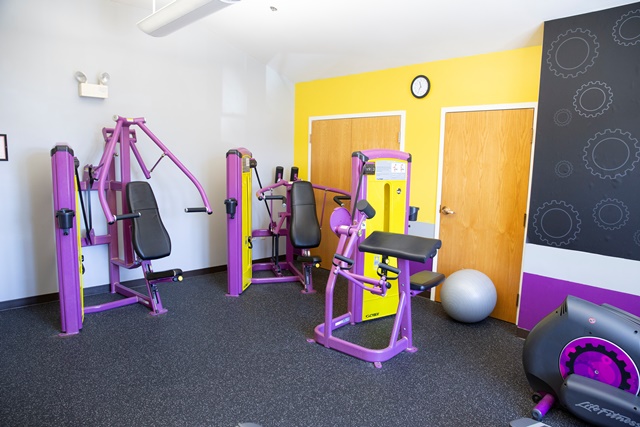
The adult rehabilitation page describes an individualized plan built around group therapy and relapse-prevention skills. At Middletown, the provider identifies an exercise center, yoga, meditation, and family education days. These activities supplement the clinical program rather than establish a particular outcome or replace the work required in treatment.
Rushford also says the rehabilitation program can provide Suboxone induction and connect patients with its MATCH medication-treatment service after rehabilitation. Discuss this pathway with the treating clinician if you already take medication or may benefit from continuing treatment. Discharge planning can lead to extended residential care, outpatient treatment, medication support, or another appropriate service. Ask which actual appointments and contacts will be arranged before leaving, and whether the next stage will take place at Silver Street or a different location.
Detoxification is a distinct medically supervised service
The adult detoxification program describes withdrawal care in Middletown for opioids, benzodiazepines, alcohol, and other substances. Its published model includes medication when clinically appropriate and 24-hour medical supervision involving registered nurses and physicians. Group treatment can begin when the person is ready, rather than being presented as a requirement to undertake full rehabilitation work immediately.
Before admission, explain recent substance use, existing prescriptions, relevant medical conditions, and any previous withdrawal complications so the team can assess the required care. Do not change prescribed medication or attempt a withdrawal schedule based on a directory description. The detox team describes coordinating the next stage after stabilization, which may involve residential, outpatient, or medication treatment. Confirm that plan and the receiving program; completion of withdrawal management alone does not determine the appropriate longer-term treatment arrangement.
Extended residential care is based in Portland
Rushford’s extended residential program is at a separate Portland location. It combines ongoing residential structure with a gradual return to community activities and employment. The provider describes flexibly scheduled groups, weekly individual counseling, and help developing relapse-prevention skills while addressing personal needs.
Community participation may involve volunteering, service activities, or other interests chosen with the participant. Former residents also contribute peer connections and support. This is a possible continuation of care after Middletown treatment, but it should not be mistaken for an extension in the same building or under an unchanged contract. Ask about the Portland admission criteria, accommodation, work expectations, transport, and payment arrangements. The team should explain when a person can move toward outpatient care or home and what support will remain available during that transition.
Adult addiction outpatient intensity varies by need
The adult outpatient addiction service ranges from weekly therapy to an IOP described as 10–15 treatment hours spread over five days. Programs are intended to support a transition from residential rehabilitation or help avoid a need for that level of care. Middletown is one of several listed outpatient locations, so confirm the timetable at the selected site.
The provider describes individual and group therapy, psychiatric consultation, integrated activities, and education for loved ones. These services are organized around an individual plan rather than a single attendance pattern for everyone. Ask whether the recommended schedule can accommodate work and travel, how missed sessions are handled, and how a change in symptoms would trigger reassessment. Outpatient treatment also requires a practical plan for the hours away from the program, including medication follow-up and any additional community support.
MATCH combines medication care and relapse-prevention groups
The adult MATCH program combines medication treatment with therapy. Rushford describes small relapse-prevention groups and scheduling intended to accommodate people’s work and family responsibilities. It lists several locations, including Middletown, and discusses obtaining medication through local pharmacies or other delivery arrangements.
Those arrangements should be confirmed for the particular prescription and program. The appropriate medication, duration, and follow-up depend on clinical assessment, existing treatment, and individual circumstances. Ask which clinician will prescribe, where appointments and groups take place, how concerns between visits are handled, and whether an outside prescriber needs to be involved. A program that helps people continue daily activities is still structured clinical care. It should not be interpreted as medication supplied without assessment, monitoring, or a plan for ongoing support.
Mental-health schedules differ from addiction schedules
Rushford’s adult outpatient mental-health overview describes PHP as four group hours a day, five days a week, and mental-health IOP as three hours a day on three to five days. These are distinct descriptions from the addiction outpatient timetable. The same page discusses Spanish-language groups and community-support services, but their availability must be checked for the receiving location.
Some services on that wider overview are specifically associated with Meriden or Wallingford, including the community crisis team. They should not automatically be assigned to the Middletown campus. When mental-health symptoms and substance use overlap, ask which track leads the treatment plan, where psychiatric appointments occur, and how the teams share relevant information. The assessment should also clarify whether a daytime program is appropriate or whether more intensive support is needed before outpatient participation.
Teen services require a separate location check
The location directory by age places 1250 Silver Street among adult service locations. It lists teen services separately in Meriden and Glastonbury. This is useful context when a broad Rushford search result or navigation menu mentions adolescents alongside adults: the organization’s overall age range does not define the admission criteria of every campus.
A family seeking care for a young person should ask for the appropriate teen program, address, assessment process, and current age criteria. Do not make travel or school arrangements on the assumption that an adult residential listing accepts minors. Similarly, someone moving from adolescent services to adult treatment should clarify the transition plan with the clinicians involved. Keeping the receiving site and age-specific service explicit reduces confusion when several programs operate under the same provider name.
The Access Center directs the assessment and referral
The admissions page directs people to Rushford’s Access Center. Staff answer questions, schedule a confidential assessment, and make referrals to other recovery services when needed. The first conversation can therefore lead to several possible recommendations rather than automatic admission to residential treatment.
Explain which location or program you have been considering, the person’s age, current treatment, and the concerns that prompted the call. Ask what medical information and identification will be needed, whether a transfer must be coordinated with another provider, and where to arrive if admission is arranged. The center’s general contact address does not replace a specific destination for a scheduled appointment. If the proposed service changes after assessment, confirm the new schedule, location, and financial arrangements before proceeding.
Billing and insurance are separate from clinical acceptance
Rushford’s billing guidance explains that it submits claims as a courtesy while patients may still need to provide information to their insurers. The page lists a broad range of Hartford HealthCare plan participation and expressly warns that participation can vary by facility, plan, or product. Government-plan or commercial-plan names on that list do not establish coverage for every Middletown service.
Verify the exact provider, treatment level, authorization, and proposed duration with both Rushford and the insurer. Ask for expected deductibles, copays, coinsurance, and any services outside coverage. The financial counseling team can discuss billing questions and payment arrangements, including situations where a person is uninsured or underinsured. A written estimate should identify what it covers and how the amount might change if the clinical plan changes, rather than imply a universal weekly residential price.
Financial assistance depends on an eligibility review
The financial-assistance service describes counseling about bills and payment plans, assessment for possible government coverage, and assistance programs for eligible patients. It says qualifying individuals may receive discounts or grants. These are options to discuss with the financial team, not an assurance that every admission will be free or discounted.
Ask which application applies to the intended service, what documents are required, and when a decision can be expected. If treatment is being arranged urgently, clarify which costs remain your responsibility while an application is considered. A later move to another program may also require a fresh explanation of coverage and assistance. Keeping the clinical recommendation, insurance decision, and financial-assistance review distinct makes it easier to compare realistic personal costs and plan the next stage of care.
Official provider information reviewed October 19, 2026. Confirm the specific adult program, receiving address, assessment requirements, current schedule, and individual financial arrangements directly with Rushford.
Sources and verification
official Middletown location page; adult residential treatment; admissions; billing and insurance. Checked October 16, 2026. Provider-published information; not an independent clinical assessment.