Monte Nido Rosewood Ranch
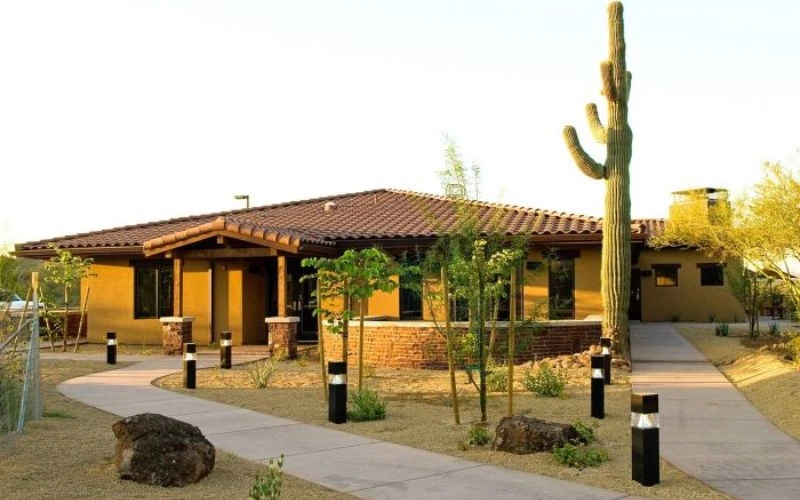
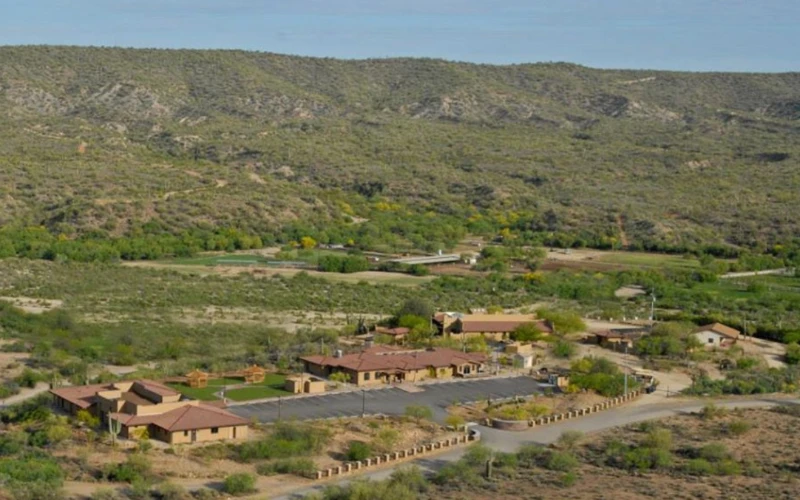
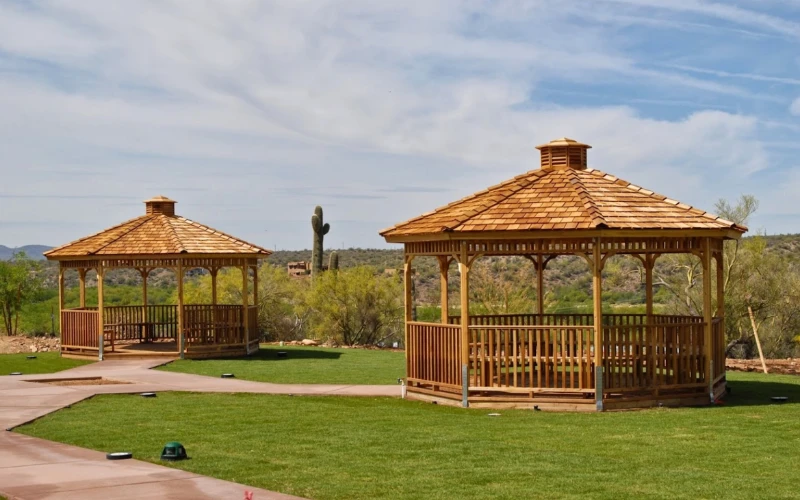
Monte Nido Rosewood Ranch 3 photos
Comparison facts and sources
Inpatient and residential eating-disorder treatment for adults and adolescents ages 11 and older of all genders. The campus treats eating disorders with co-occurring mental-health and substance-use concerns and supports transitions to other levels of care. · 36075 S. Rincon Road, Wickenburg, Arizona 85390. This is the Rosewood Ranch inpatient and residential campus, distinct from separate Monte Nido step-down locations.
- Published fee information
- Quote required
- Before admission
- Eligibility, medical support, duration, benefits and personal costs require individual assessment. Confirm the specific receiving program and current arrangements.
- Continuing care
- Care teams coordinate transitions among inpatient, residential, PHP, IOP and virtual support according to individual recovery needs. The campus describes relapse-prevention work, alumni support and aftercare follow-up; no universal aftercare duration is published.
Source record · October 19, 2026
Campus and admission information reviewed October 19, 2026. Pricing information was reviewed October 16, 2026; confirm clinical suitability, availability and personal costs.. The provider describes Rosewood Ranch as accredited and licensed; independent regulatory verification was not performed in this field review.
Luxury rehab comparison · Fees and inclusions · Selection methodology
Monte Nido Rosewood Ranch is the Wickenburg, Arizona inpatient and residential eating-disorder campus for adults and adolescents ages 11 and older of all genders. It treats eating disorders including anorexia nervosa, bulimia nervosa, binge-eating disorder and ARFID, with care for co-occurring mood, psychiatric and substance-use disorders.
Care at this campus
Rosewood says its wider continuum spans inpatient through outpatient care. At the Ranch, higher-acuity support includes round-the-clock medical care, medical stabilization and medically supervised detox when clinically indicated. Individual plans are coordinated by a multidisciplinary team and may include medical, psychiatric, nutritional and therapeutic care. Rosewood Capri and Rosewood Tempe are separate locations with different program roles.
The Ranch serves specific ages and levels of care
The current Rosewood Ranch campus page identifies inpatient and residential eating-disorder treatment in Wickenburg for adults and adolescents ages 11 and older of all genders. The clinical focus includes eating disorders with co-occurring mental-health or substance-use concerns.
When requesting care, name the Ranch and explain the person’s eating-disorder and medical needs. Ask which age-specific service and level are recommended. The wider Monte Nido continuum includes other locations and remote programs, each with its own role and admission arrangements.
Inpatient care focuses on medical stabilization
Monte Nido’s inpatient information identifies the Ranch as one of its inpatient locations. It describes a highly structured setting with medical, psychiatric, clinical, and nutritional oversight for people whose needs exceed traditional residential care. The provider lists continuous nursing and, when clinically indicated, IV hydration and limited voluntary nasogastric feeding.
These capabilities require an individual clinical discussion. Provide current medical information and ask what the team can manage at the Ranch, what would require another hospital service, and how consent and monitoring are handled. The stated aim is medical stabilization so the person can move to an appropriate next level. A published capability is not a guarantee that every presentation will be accepted or that any particular intervention will be used. The assessment should establish the plan and explain the reasons for it.
Residential care follows a different daily structure
The residential program description includes doctors, psychiatric support, nurses, dietitians, therapists, and counselors working within one plan. It describes 24-hour nursing and a home-like treatment environment for people who can be supported at that level. The provider says a typical residential stay is around six weeks, while actual duration varies.
The published practical guidance includes weekly laundry, medication in original containers, and restricted phone access. It asks clients to arrange a drop-off because driving and parking a personal car onsite during the stay are not permitted. Confirm the current Ranch instructions before travel. Residential care should be considered according to medical stability and treatment needs, with its own routine and expectations. The typical length is an estimate, not a guaranteed discharge date or a fixed total for someone moving through multiple levels.
School support needs to be arranged with the adolescent team
The campus’s residential guidance says adolescent clients have school five days a week with LearnWell support. It asks families to bring current course materials and limits school-device access to school periods.
Discuss how that support fits the child’s medical condition, treatment schedule, and existing school requirements. Confirm what records, assignments, or accommodations are needed before admission. Educational support does not establish automatic course credit or a particular graduation timetable; those arrangements should be coordinated with the school and treatment team.
Admissions requires current medical information
The admissions process begins with a brief introductory conversation, followed by a clinical evaluation and review of the proposed care. Monte Nido says the assessment generally takes 45–60 minutes and is usually held over Zoom. For inpatient and residential admission, it requires medical information including bloodwork, weight, vital signs, and the supplied medical evaluation form.
The team recommends completing requested medical work shortly before assessment so it can review current results. It can send the necessary instructions to the person’s clinician. Laboratory charges are not included in the evaluation and may depend on the provider and insurance used. Ask what must be completed, where results should go, and which costs may arise before admission. With permission, the admissions clinician may also contact existing providers or family members to help determine the level of care and organize the transition.
Insurance depends on the program as well as the policy
Monte Nido’s financial guidance says programs have different insurance contracts. Benefits, network status, costs, and authorization therefore need to be checked for the actual Ranch placement and recommended level. The team describes verifying benefits early and pursuing authorization after discussing the care recommendation with the client.
Request the expected personal responsibility and ask what could change if treatment lasts longer or the level changes. Where a single-case agreement is discussed, confirm whether it has actually been approved and what it covers. A broad network statement cannot establish payment under every individual plan. The published information does not provide a universal self-pay tariff, so anyone paying privately should obtain a written program-specific proposal, including any outside medical, medication, or pre-admission costs.
Therapy combines eating-disorder work with individual goals
The therapeutic approach describes CBT-related eating-disorder work, DBT skills, motivational interviewing, acceptance and commitment therapy, and other methods. Monte Nido also describes Cognitive Processing Therapy for appropriate trauma-related needs. Its explanation emphasizes collaboration, client preferences, nutritional and behavioral work, and support for relationships.
Discuss which approaches the clinician recommends for the individual and how they will be incorporated into sessions. A menu of methods does not mean every client receives a full course of each therapy, or that a named approach has a guaranteed effect. The team should explain how eating-disorder treatment, co-occurring concerns, and medical requirements fit together. Ask how progress is reviewed and how any continuing therapy will be arranged after leaving. Those specifics make the treatment plan more meaningful than a long list of therapy names alone.
Families are involved through education and clinical work
Monte Nido’s family information describes integrating loved ones into treatment through education, therapy, and support. For adolescent care it lists individual and group work involving parents, together with parent coaching calls. Its broader family programming includes in-person and virtual opportunities intended to help people support recovery after treatment.
Ask the Ranch team who should participate, how often meetings occur, and how to coordinate attendance from another location. The role of parents in an adolescent’s care differs from arrangements for an adult client, and the plan should reflect that. Clarify how family sessions connect with medical updates, visiting, and discharge preparation. A useful family plan explains practical responsibilities and communication without assuming every household has the same relationships, availability, or support needs.
Rosewood Tempe is a separate outpatient location
The Rosewood Tempe page identifies a day-treatment service at 950 West Elliot Road, Suite 201. It serves adults and adolescents of all genders with eating disorders through outpatient programming. Published services may include individual, group, and family therapy, nutrition sessions, meal support, and practice applying recovery skills outside a residential setting.
This is a separate location to discuss when planning a transition from the Ranch. A proposed step-down should identify the actual program, address, start date, transport, and living arrangements. A network illustration showing inpatient, residential, PHP, IOP, and virtual care should not be interpreted as evidence that all of those settings operate inside the Tempe clinic. The specific location description and clinical recommendation are the relevant guides to what a placement there involves.
Day treatment has different time commitments
The day-program guidance describes PHP and IOP for people who can live independently while receiving structured eating-disorder support. Its general examples put IOP at around three to four hours on three to five days weekly, and PHP at six or more hours on five to six days. It expressly notes that schedules vary by location.
These are planning examples for a potential next stage, not a timetable for the Ranch’s inpatient or residential units. Confirm the actual program hours and how meals, outside appointments, work, or school will fit around them. For people with co-occurring substance-use concerns, the page discusses supporting sober housing when available and attendance at outside recovery meetings. Any housing arrangement needs its own confirmation rather than being assumed to be included with day treatment.
Virtual options have their own clinical and age criteria
The virtual program overview describes general eating-disorder programs and specific options for ARFID, binge eating, family-based support, and LGBTQIA+ clients. It separates adult and adolescent services and lists different age criteria for some specialist programs. These remote services are part of the wider organization, rather than additional residential beds at the Ranch.
The provider describes individual meetings, groups, meal coaching, and family work through an online platform. Ask whether the relevant program is available where the person will be living, what medical monitoring is required, and how the team assesses suitability for remote participation. A transition to virtual care should include the start date and clinical handover. The Ranch’s age threshold should not automatically be applied to every online program, nor should an online age range redefine the Ranch’s admission criteria.
Discharge planning and alumni connection serve different needs
The alumni information describes a community with events, resources, a private online group, and help exploring a return to care. It also states that post-treatment support does not replace counseling, therapy, medical care, or other licensed services. Before discharge, the clinical team provides an outpatient plan intended to support the transition.
Ask for the actual appointments, responsible clinicians, and practical next steps in that plan. If a proposed outpatient clinician is not a workable match, the provider invites former clients to discuss alternatives. Staying connected with alumni can complement those arrangements, but it does not establish automatic readmission or unlimited ongoing treatment. The distinction helps a person plan for both community support and the professional care recommended for their circumstances.
The published alumni groups are for adults
The virtual alumni support-group page says its groups are open to former clients ages 18 and older from any Monte Nido program. The same age threshold applies to the private alumni Facebook group. It also notes that groups do not run on nationally observed holidays.
Families of younger Ranch clients should therefore ask the clinical team which age-appropriate support is recommended after discharge rather than assuming these adult groups are suitable. Adults should confirm the current registration process, meeting availability, and participation expectations. The published community resources provide one form of connection, while each person’s clinical discharge plan should specify the treatment and follow-up they need.
Official Monte Nido campus, program, admissions, and support pages were reviewed October 19, 2026. Care levels, age criteria, and locations are distinguished; no new independent clinical, regulatory, or outcome assessment is claimed.
Contact and payment
The Ranch is in Wickenburg, Arizona, and the current campus telephone is 928-684-9594. Monte Nido says it is in-network with most major insurance providers and may coordinate other arrangements; coverage, program placement and personal costs vary by plan and network status. No universal self-pay fee is published.
Official sources: Monte Nido Rosewood Ranch, financial considerations and alumni support. Official sources checked October 13, 2026.