Olalla Recovery Centers
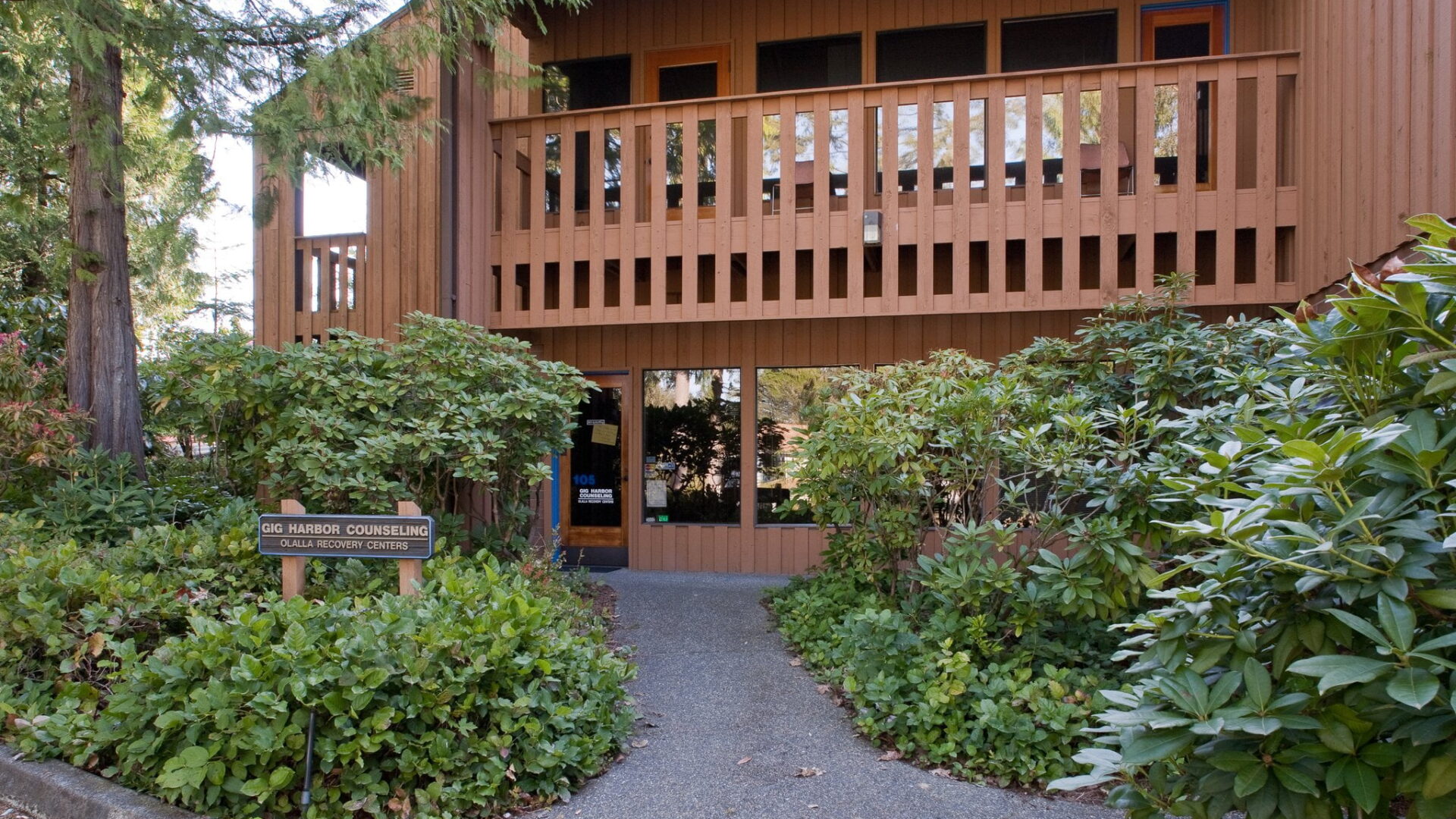

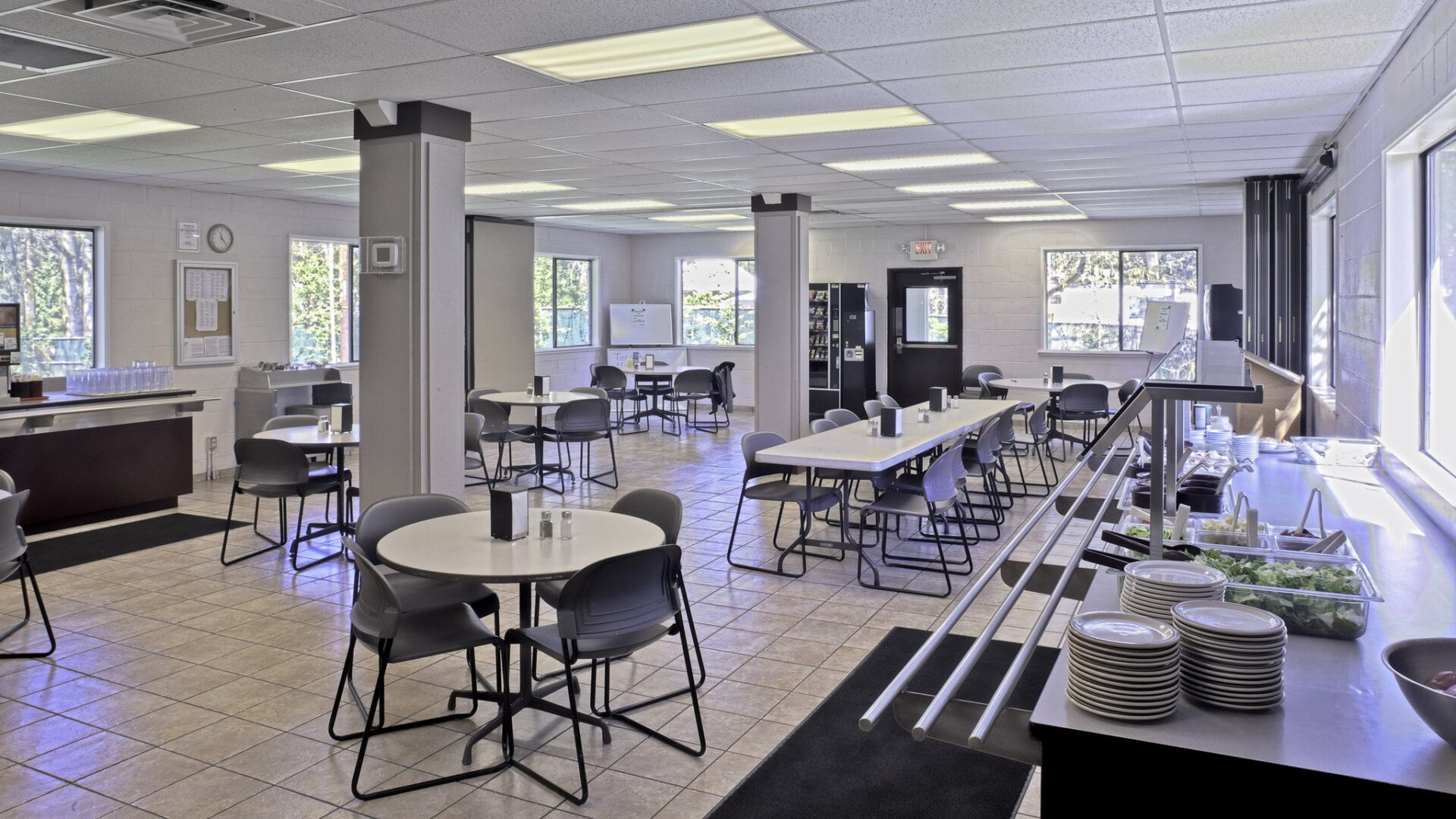
Olalla Recovery Centers 3 photos

Comparison facts and sources
Washington substance-use provider with adult residential care at Olalla Guest Lodge and separate adult/youth outpatient care in Gig Harbor. · Residential: 12850 SE Lala Cove Lane, Olalla, Washington 98359; outpatient: 5122 Olympic Drive, Suite A105, Gig Harbor, Washington 98335
- Published fee information
- Quote required
- Before admission
- The Olalla lodge is the adult residential campus. Gig Harbor Counseling is a separate outpatient site and is where adolescent services are offered.
- Continuing care
- Continuing-care, relapse-prevention and outpatient aftercare groups are described; the individual plan is developed with the clinical team.
Source record · October 14, 2026
Provider-published information checked October 14, 2026. Confirm age eligibility, program location, clinical recommendation and payer authorization directly with Olalla Recovery Centers.
Luxury rehab comparison · Fees and inclusions · Selection methodology
Olalla Recovery Centers is a Washington substance-use treatment provider with adult residential care at Olalla Guest Lodge and outpatient care through Gig Harbor Counseling. The provider describes individualized clinical, group and holistic treatment, with separate residential accommodation for men and women.
Olalla Guest Lodge is a 47-resident campus on about 12 acres. The provider reports an average residential stay of approximately 28 days, with individualized stays ranging from a few weeks to as long as 90 days. Adolescent treatment for people over age 13 is offered through the outpatient Gig Harbor program, not the residential lodge.
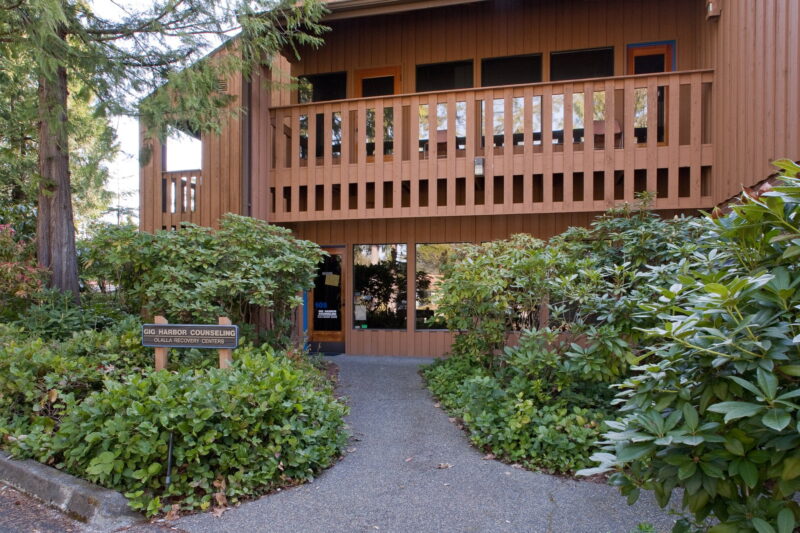
The mapped residential campus is at 12850 SE Lala Cove Lane, Olalla, WA 98359. Gig Harbor Counseling is separately listed at 5122 Olympic Drive, Suite A105, Gig Harbor, WA 98335, and should not be presented as part of the residential campus.
Residential pricing varies by length of stay. Olalla states that it participates with most major insurers and accepts Medicaid Apple Health; admissions verifies benefits and determines the patient’s individual financial responsibility.
The lodge is a voluntary residential setting
Olalla’s residential FAQ describes a 47-resident campus with separate men’s and women’s dormitories, classrooms, dining space, and outdoor areas. It says the facility is unlocked and residents attend voluntarily. The published average stay is approximately 28 days, with some people requiring a shorter period or as long as 90 days.
Those figures describe capacity and typical experience rather than guaranteed availability or a fixed treatment prescription. Ask how accommodation is shared, what the daily routine involves, and how progress is reviewed. The FAQ describes groups, educational work, counseling assignments, routine chores, and time for reflection or recreation. Its setting and views may matter to personal comfort, but they do not establish the clinical suitability of a stay. That decision depends on the assessment and the support a person needs.
Residential treatment planning is individualized
The residential program is for adults 18 and older with substance-use disorders. Olalla describes assessment, individual counseling, group work, family services, and personal assignments. A primary counselor works with each patient to identify treatment priorities and develop a plan for continuing recovery.
Length of stay can reflect clinical needs and relevant legal, employer, or referral requirements. These external requirements should be clarified rather than assumed to determine the entire clinical plan. Ask which goals will be reviewed during treatment, how additional mental-health or medical concerns will be addressed, and what would prompt a referral elsewhere. Separate men’s and women’s groups are described, but the appropriate group and accommodation arrangements should be discussed directly. The published approach allows for individual differences instead of placing everyone on the same timetable.
Withdrawal management is nonmedical, with external medical referrals
Olalla’s withdrawal-service page explicitly says the lodge is not a medical withdrawal-management program. It describes a nonmedical, sub-acute approach and coordination with outside facilities when a person needs medical detoxification. A comfortable residential setting should therefore not be mistaken for a hospital detox unit.
The provider also says residential and outpatient services can work with people receiving medication treatment and coordinate with outside prescribers. Tell admissions about current prescriptions, recent substance use, and previous withdrawal difficulties so the appropriate assessment can take place. Do not stop medication or attempt withdrawal simply to meet an anticipated admission date. Confirm who will prescribe and monitor treatment, whether stabilization is needed elsewhere first, and how transfer to the lodge will be arranged if residential care remains appropriate.
The family program requires advance registration
The lodge family program is intended for adult support people, including relatives, friends, or others involved in a patient’s recovery. Its educational modules cover substance-use disorders, family relationships, and recovery. The provider describes discussion, handouts, and interactive activities, with individual meetings involving the patient and family supports available by appointment.
Guests must preregister and sign in. The page lists restrictions on phones, cameras, bags, food, and other items, and says that only preapproved patient belongings may be brought on the program day. Check the current requirements before traveling. Participation should also be coordinated with the patient’s treatment plan and relevant consent. Attending an educational session does not automatically authorize someone to receive confidential clinical information or take part in every treatment decision.
The published meeting calendar needs a current check
The family schedule lists Saturday registration from 12:40–1 p.m. and a presentation series from 1–3:45 p.m. for preregistered adults. It warns that holiday schedules may vary. These details can help families plan, but they should be confirmed for the intended date.
The same page states that open meetings are currently closed, even though older meeting times remain printed below that notice. Those historical hours should not be treated as an invitation to arrive for an open AA, NA, or family-support meeting. Contact staff to establish what is actually operating and whether visitors can attend. Distinguishing a scheduled family education session, ordinary visiting, and an open recovery meeting is useful because each can have different registration, eligibility, and confidentiality requirements.
Packing instructions include medication and electronics restrictions
The preparation page limits luggage to two bags and suggests approximately a week of casual clothing, suitable walking shoes, toiletries, towels, and writing supplies. Laundry facilities are available. Personal electronics, valuables, outside food, and several other items are prohibited. People who need an accessibility device should discuss it with admissions rather than assume it falls under an ordinary electronics rule.
The provider requests medications with valid prescriptions and specifies packaging requirements for nonprescription products. Confirm the current medication list and refill arrangements with admissions and the prescribing clinician. The packing instructions are administrative guidance, not advice to change a treatment regimen. Ask what happens if a necessary item does not fit the published rules and how approved belongings are checked on arrival. A current checklist can prevent avoidable delays or confusion.
Gig Harbor Counseling provides a separate outpatient service
The outpatient program describes assessment, routine meetings with a primary counselor, family services, and individualized treatment planning at Gig Harbor Counseling. Work can focus on barriers to recovery, relapse concerns, support networks, and the practical challenges of daily life. The provider distinguishes this outpatient setting from the residential lodge.
Ask where appointments and groups will occur, how frequently attendance is recommended, and how the plan will be adjusted as needs change. An outpatient referral also needs to account for transport and support between sessions. People leaving the lodge should establish whether Gig Harbor is convenient enough for continuing care or whether a provider nearer home would be more workable. Family involvement is described, but its format, frequency, and consent arrangements should be agreed with the clinical team.
The adolescent protocol describes two stages of outpatient work
Olalla’s published adolescent protocol begins with an assessment and recommendations before treatment. It describes an initial 12-week phase with three two-hour sessions each week, followed by another 12-week phase focused on relapse prevention. Educational work, motivational interviewing, cognitive-behavioral techniques, written assignments, and family sessions are included in the description.
The page also contains older pandemic-related language, so confirm the current schedule and whether both phases are recommended for the individual young person. A published protocol is not proof that every adolescent must complete an identical course. The service describes periodic individual planning, drug testing, and reporting to designated parties with consent. Families should ask how confidentiality, school participation, parental involvement, and any required reports are handled. This is outpatient adolescent care in Gig Harbor, rather than an adolescent residential program at the lodge.
Adult outpatient phases can address different recovery needs
The outpatient phase overview distinguishes intensive outpatient work from structured outpatient support and relapse-prevention services. Early treatment can combine education, groups, individual counseling, and assignments. Later work may emphasize recognizing warning signs, responding to setbacks, and strengthening practical support through discussion and peer feedback.
These descriptions provide a framework, but they do not specify one timetable or duration for everyone. Ask which phase is being recommended, what attendance and assignments involve, and how progress will be assessed. If a person returns to substance use during treatment, the next step should be discussed clinically rather than assumed to be the same group schedule. Clarify when additional support, medical review, or another level of care would be considered and how the team will coordinate that change.
Continuing care may be local or closer to home
The continuing-care page describes developing relapse-prevention tools and arranging further support after residential treatment. This can include addiction treatment, medical care, mental-health services, or practical resources such as job training. People living near Gig Harbor may continue there, while the team says it can try to identify a program nearer someone’s home.
Before discharge, ask which referrals have been made, whether appointments are confirmed, and who will handle medication follow-up. Peer activities and educational resources can support that plan, but they do not replace necessary clinical appointments. The page also promotes alumni meetings, so check current availability with staff before attending. A workable plan should identify the next provider and contact arrangements, especially for someone returning to a different county or traveling a long distance from the lodge.
Published cost guidance identifies possible additional charges
Olalla’s fee guidance says residential pricing depends on length of stay, while outpatient costs reflect the individual treatment plan. The minimum proposed stay is discussed before admission and reviewed with the counselor. It also identifies possible additional charges for physician visits, prescriptions, and urinalysis testing.
Request a written estimate showing the relevant program, treatment period, included services, and any separately billed items. If withdrawal care must take place at another facility, establish how that separate service is billed and how the transition will be coordinated. The provider describes some in-house financing, but availability and terms require individual confirmation. A stated average stay is not enough to calculate the final bill when the plan can change or involve more than one provider.
Insurance arrangements differ between residential and outpatient care
The insurance page lists numerous participating plans and directs Apple Health members seeking residential care to discuss the benefit process with admissions. Its outpatient information specifically refers to Pierce County, alongside separate arrangements described for Native American and Alaska Native patients. These details make it important to identify the intended service and payer arrangement.
Ask whether the exact plan covers the assessment, lodge stay, outpatient sessions, and any outside medical care. A provider being listed by an insurer does not establish authorization or eliminate personal costs. Clarify deductibles, copays, uncovered services, and any limits on treatment length. People considering financial assistance from relatives or employers should also understand the payment agreement and confidentiality boundaries. The clinical recommendation and the insurance decision should both be clear before assuming that a particular course is funded.
Residential and outpatient admissions use different contacts
The admissions page provides separate routes for residential and outpatient inquiries. Staff first discuss substance use and the possible level of care, then review insurance information and coordinate an admission date and preparation instructions. This initial conversation is a way to determine the appropriate service rather than simply reserve accommodation.
Explain which program you have been considering, any current medical or psychiatric treatment, and whether a referring professional is involved. Ask what must be completed before arrival and whether the recommended plan includes care at another facility. The residential lodge and Gig Harbor office have different purposes and addresses, so confirm the destination for each appointment or admission. Keeping the clinical assessment, transport plan, and financial arrangements coordinated is particularly useful when moving directly from another treatment setting.
Official provider information reviewed October 19, 2026. Confirm current program eligibility, withdrawal-care arrangements, meeting availability, locations, insurance authorization, and personal costs directly.
Official sources checked October 10, 2026: provider overview, residential capacity and duration, locations and contacts, fee guidance, and insurance information.