EOSIS New Beginnings at Waverly


EOSIS New Beginnings at Waverly 2 photos

Comparison facts and sources
Two distinct gender-specific residential addiction-treatment programs in Waverly: a 56-bed men’s service and a separate 10-bed women’s service. Both are licensed co-occurring facilities. EOSIS lists detox at separate Gateway centers, so detox should not be inferred for either Waverly program. · Men’s program: 109 N Shore Dr, Waverly, MN 55390. Women’s program: 7300 Estes Ave SW, Waverly, MN 55390.
- Published fee information
- Quote required
- Before admission
- This review verifies current provider-published campus identities, residential scope, services, payer guidance and alumni support. It does not independently assess care, guarantee coverage, establish a fixed duration or verify a current license.
- Continuing care
- The local New Beginnings Alumni Association supports Waverly graduates and families. The wider EOSIS Alumni Collective also welcomes former clients who transferred or did not complete treatment. Confirm current events and the individual clinical discharge plan.
Source record · October 19, 2026
Waverly program and alumni scope reviewed October 19, 2026. Pricing information was reviewed October 16, 2026; confirm individual eligibility, continuing care and personal costs.. No independent current license-status review was completed in this field pass.
Luxury rehab comparison · Fees and inclusions · Selection methodology
Provider overview
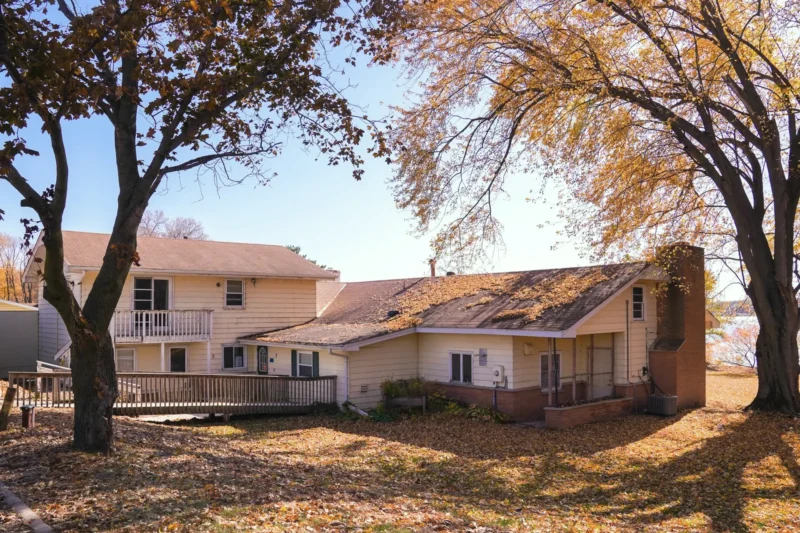
EOSIS New Beginnings operates two separate residential addiction-treatment programs in Waverly, Minnesota. The men’s service is a 56-bed program at 109 N Shore Drive in the former lake home of Hubert Humphrey. The women’s service is a separate 10-bed program at 7300 Estes Avenue SW. Both are licensed co-occurring facilities for substance-use and related mental-health needs; neither page presents the Waverly programs as medical-detox centers.
Both programs use multidisciplinary, individualized treatment plans with ongoing assessment. Published services include addiction and mental-health counseling, medical care, group education, CBT, DBT, motivational interviewing and Seeking Safety. Residential treatment is supported around the clock, while duration is individualized and no fixed standard stay is published.
EOSIS says it is in-network with most insurance companies and accepts public and Medicaid funding at most locations, with benefits varying by site and plan. Minnesota residents without insurance may have government-funding options. New Beginnings also maintains Waverly alumni support and events after treatment. Confirm the intended men’s or women’s program, exact arrival address, assessment outcome, withdrawal-management arrangements, duration, benefit authorization and personal costs.
The men’s program is on the North Shore Drive campus
The men’s New Beginnings program is a 56-bed residential service in Waverly, in the former lake home of Hubert Humphrey. Its published care includes individual addiction and mental-health counseling, medical care, and group education. The page describes a multidisciplinary team that reviews needs during treatment rather than relying on one assessment at admission.
Activities can include outdoor recreation, gym use, and recovery meetings alongside the clinical program. These opportunities should be discussed in the context of the person’s health, interests, and current permissions. The residential bed count does not describe the number of people in a therapy group or the staffing available on a shift. Confirm the arrival arrangements for this specific campus, particularly because the New Beginnings name also identifies a separate women’s service in the same town.
The women’s service is a separate ten-bed program
The women’s program is described as a ten-bed residential addiction-treatment service in Waverly. Its page identifies co-occurring care, individual addiction and mental-health sessions, medical support, and educational groups. The program lists women’s mental-health education, coping skills, self-discovery, recovery maintenance, and female-centered nutritional education among possible group topics.
Care is assessed and reviewed throughout the stay. The provider names approaches including CBT, DBT, motivational interviewing, and Seeking Safety, but the individual plan determines how these are used. Ask about the actual group schedule, room arrangement, and relevant support before accepting a place. This smaller program should not be confused with a private one-client residence or assumed to have the same daily arrangements as the men’s campus. Confirm the receiving address and team when organizing admission.
Men’s rooms, meals, and individual appointments
The current men’s program FAQ says bedrooms accommodate two or three people and are assigned at admission. It describes three meals daily plus snacks, with special diets accommodated as possible, and laundry machines with detergent and fabric softener provided. Clients do their own laundry. Individual counselor sessions are offered at least weekly, with groups and appointments generally lasting about an hour.
These details give a clearer picture of daily life than the general campus description. Discuss dietary restrictions, sleep or accessibility needs, and any concern about sharing a room before arrival. The FAQ also describes seasonal recreation, including outdoor activities in warmer months and indoor exercise and games in winter. Activities and off-site privileges depend on the program’s rules and individual progress. Confirm the arrangements rather than interpreting the list as a fixed daily schedule or guaranteed access to every activity.
Admissions can recommend another EOSIS location
The EOSIS admissions process begins with screening to identify a program that fits the person’s clinical needs, goals, and eligibility. The organization operates several levels of addiction care across Minnesota. An initial inquiry about New Beginnings may therefore lead to discussion of another setting if that is more appropriate.
The admissions team reviews the proposed treatment and financial arrangements and can discuss transportation when needed. Clarify which location has accepted the referral, which assessments remain outstanding, and who will coordinate the arrival. The provider also requests a signed release before sharing patient information. Discuss the people who should be involved and what communication is authorized. A general inquiry or completed form should not be treated as confirmation of a bed, a particular level of care, or a final payment arrangement.
The assessment considers more than recent substance use
EOSIS’s assessment guidance says intake coordinators discuss substance-use and treatment history, physical and mental health, family support, education, work, and relevant legal circumstances. They also consider cultural background, personal values, strengths, readiness, and barriers to recovery. Information may be passed to a clinical assessment team when further review is required.
Preparing these details can make the recommendation more useful. Explain earlier treatment experiences and practical issues that could affect participation, such as housing, transport, or communication needs. Ask which existing records or clinician contacts would help with the review. The aim is to establish the appropriate level and setting, not simply to complete a booking questionnaire. If a recommendation changes after additional information, the team should explain what that means for admission and the next steps.
Co-occurring treatment is part of the residential model
The residential program overview describes EOSIS’s residential facilities as co-occurring services, with addiction and mental-health professionals contributing to one treatment plan. It lists ongoing assessment, individual and group work, case management, medication-assisted treatment, and continuous residential support. This gives context to the Waverly programs’ combined addiction and mental-health focus.
EOSIS also describes both high- and low-intensity residential services across its network. That distinction should be confirmed for the actual placement rather than assuming a network-wide description applies identically at New Beginnings. Ask how much scheduled treatment is proposed and which clinicians address the person’s mental-health needs. A co-occurring designation does not establish that every acute psychiatric or medical presentation can be managed in the residence. The receiving team should explain suitability and any arrangements for outside services.
Gateway provides a separate withdrawal-management pathway
The EOSIS detox information distinguishes medication support in residential programs from medically monitored services at Gateway for people with more complicated needs. Its Gateway description includes medical stabilization, case management, and planning for onward care. Those services belong to a separate part of the organization’s continuum.
Someone asking about Waverly should explain recent substance use, current prescriptions, and any history of complicated withdrawal during screening. Ask whether the recommended first step is New Beginnings or another medical setting, and who will coordinate any transfer. Medication-assisted treatment within a residential program should not be equated with every capability of a dedicated detox facility. Confirm the receiving location, transport, and financial arrangements for each stage. The admissions plan should make the sequence clear before travel rather than leaving it to be resolved on arrival.
The current packing list separates residential and detox stays
EOSIS’s May 2026 packing list asks residential clients to bring roughly seven outfits, no more than two pairs of shoes, and shower shoes. It permits selected quiet activities, including books, journals, and an MP3 player without internet access or a camera. The document has separate rules for residential and detox settings, including food and tobacco items.
For medication, the list calls for original prescription containers and describes coordination with the prescribing provider for controlled medicines in residential care. Discuss that process before admission; do not change medication independently because of a packing rule. The document also discourages bringing large amounts of cash and allows the program to remove items that interfere with treatment. Obtain confirmation of the list that applies to the receiving campus, especially for medical equipment, dietary items, and anything needed for accessibility.
Visitors need approval and must follow privacy rules
The linked EOSIS visitor policy, revised in January 2025, requires advance approval by the counseling team, sign-in, and identification. It also describes designated visiting areas, review of items brought in, and restrictions on cameras, phones, recordings, and other electronics inside the facility. The stated purpose is to support safety and privacy during visits.
Ask the Waverly team for the current visiting times and any additional campus instructions before making the journey. The policy generally limits the number of visitors, with provisions for children and individual circumstances. Children need appropriate adult supervision. A visitor who needs medication or a cultural or religious accommodation should discuss it in advance. These are published operational rules to confirm with the team; the address printed on the network policy is not the patient’s receiving campus.
Family education is available through virtual sessions
EOSIS’s family education service is open to people seeking support even when their loved one is not an EOSIS patient or currently in treatment. The provider uses a broad definition of family that can include partners, friends, mentors, and others with close emotional ties. Topics include addiction, mental health, communication, boundaries, and family roles.
The published schedule lists online sessions on the first and third Wednesdays of the month, from 4–7 p.m. Central time, using Microsoft Teams. Confirm the current session and time before joining. The page explains that these meetings provide education rather than a discussion of one particular patient’s case. This makes them a distinct resource from family contact with the treating counselor, visiting hours, or a jointly agreed therapy appointment. Relatives can ask how each option fits their own needs.
The Alumni Collective welcomes a wider group of former clients
The current EOSIS Alumni Collective says former clients remain part of its community whether they completed a program, transferred elsewhere, or attended briefly. It covers all EOSIS programs, including Beauterre, and invites alumni to events across Minnesota regardless of their original campus. Published resources include events, a newsletter, and connections to different recovery communities.
This broader eligibility is useful when planning support after Waverly. Ask how to receive current event information and which activities are practical from home. Alumni connection should sit alongside any recommended clinical appointments and medication follow-up. An invitation to community activities does not establish that a new treatment episode or every continuing-care service is included. The discharge plan should identify both professional care and the social resources the person intends to use.
The local alumni association also runs Waverly events
The separate New Beginnings Alumni Association describes support for people who completed the Waverly residential program and their families. Its current page includes a 2026 calendar of speaker dinners, board meetings, and other events, and says anyone can attend the monthly speaker dinners. This local association exists alongside the broader EOSIS Alumni Collective.
Published activities also include clothing drives, educational scholarships, and sober-housing financial support. Those descriptions do not establish automatic eligibility or funding for a particular person. Ask the association which activities are current, how to participate, and whether any assistance has its own application process. For someone returning to the Waverly area, the local calendar offers a specific way to explore community connection while maintaining the professional follow-up recommended at discharge.
Payment and insurance depend on the receiving site
The payment guidance describes private-insurance participation and public funding options, with acceptance varying by location. EOSIS specifically says its locations accept Medicaid except Beauterre. Someone considering New Beginnings should still verify the exact plan, program, authorization, and personal responsibility with the admissions and insurance teams.
Ask for a written estimate and clarify any medication, transportation, laboratory, or outside-provider charges. A network statement about accepted funding does not establish eligibility for every person or unlimited approval for the proposed stay. If insurance is absent or uncertain, ask the team which funding routes can be explored and what information is needed. The available page does not supply a universal weekly cash rate, so the actual program and expected duration should remain attached to any financial proposal.
Specialist network tracks are located at different campuses
The specialized-programs page places EOSIS’s professionals and relapse-prevention tracks at Beauterre in Owatonna. It describes a justice-involved program at Twin Town and an LGBTQ+ focused program at Latitudes in St. Paul. These named services help explain the network’s range, but they should not be treated as separate dedicated tracks automatically available at Waverly.
If a professional monitoring requirement, legal referral, or particular community-focused environment is central to the decision, raise it during assessment. Ask whether New Beginnings can meet the need within its regular program or whether a different campus is recommended. Confirm any required reporting, specialist appointments, or coordination directly with the relevant parties. A clear campus-specific recommendation is more useful than assuming that all services listed under the EOSIS name are delivered in the same residence.
Official Waverly and EOSIS program pages were reviewed October 19, 2026, together with the January 2025 visitor policy and May 2026 packing list. Program identity, network resources, and individual care arrangements are kept distinct.
Sources and verification
Official men’s program page; official women’s program page; official payment and insurance page; official New Beginnings alumni page. Checked October 16, 2026. This summary reflects provider-published information, not an independent clinical assessment or coverage guarantee.