Lakeside-Milam Recovery Centers — Kirkland Inpatient
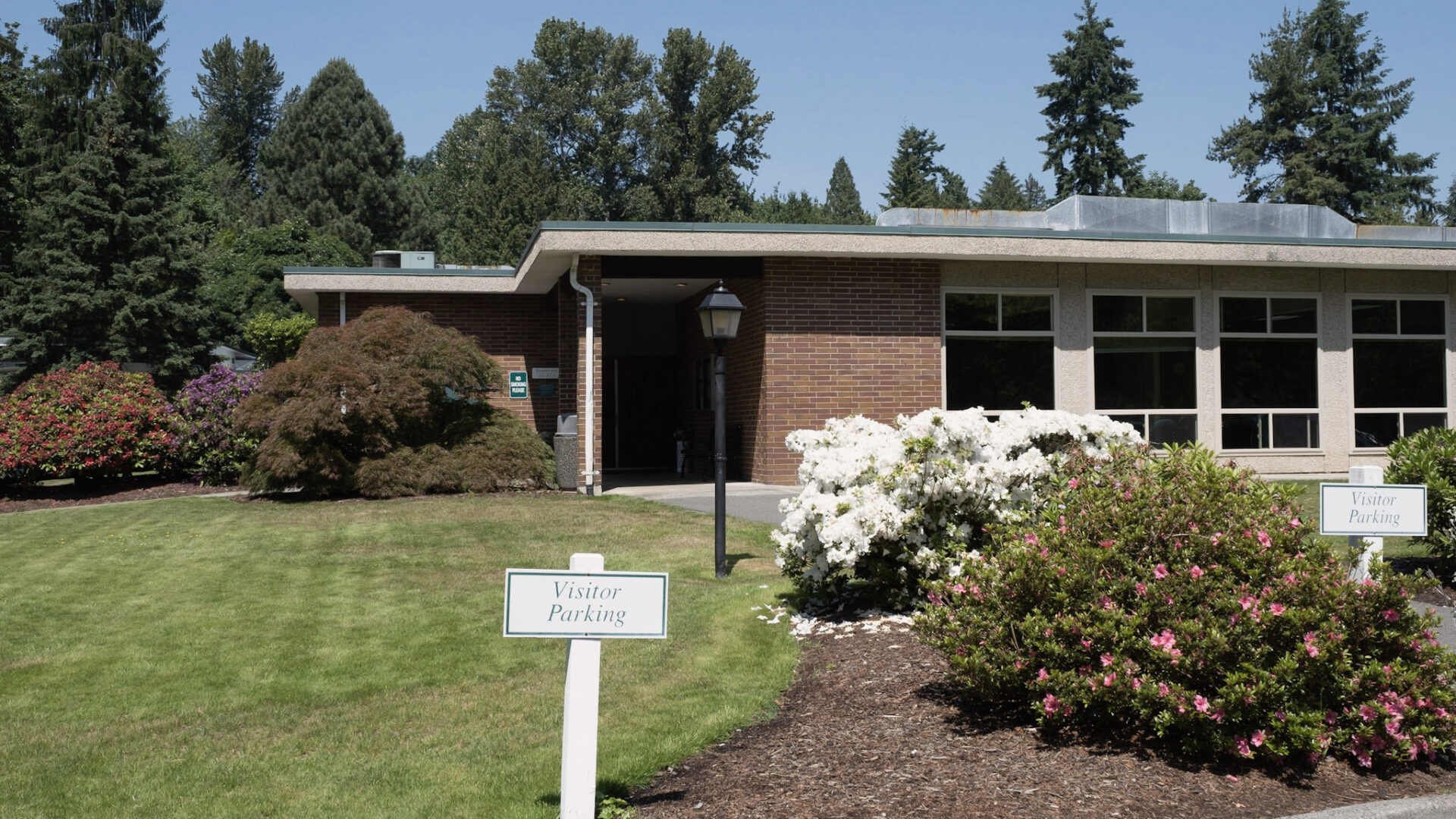
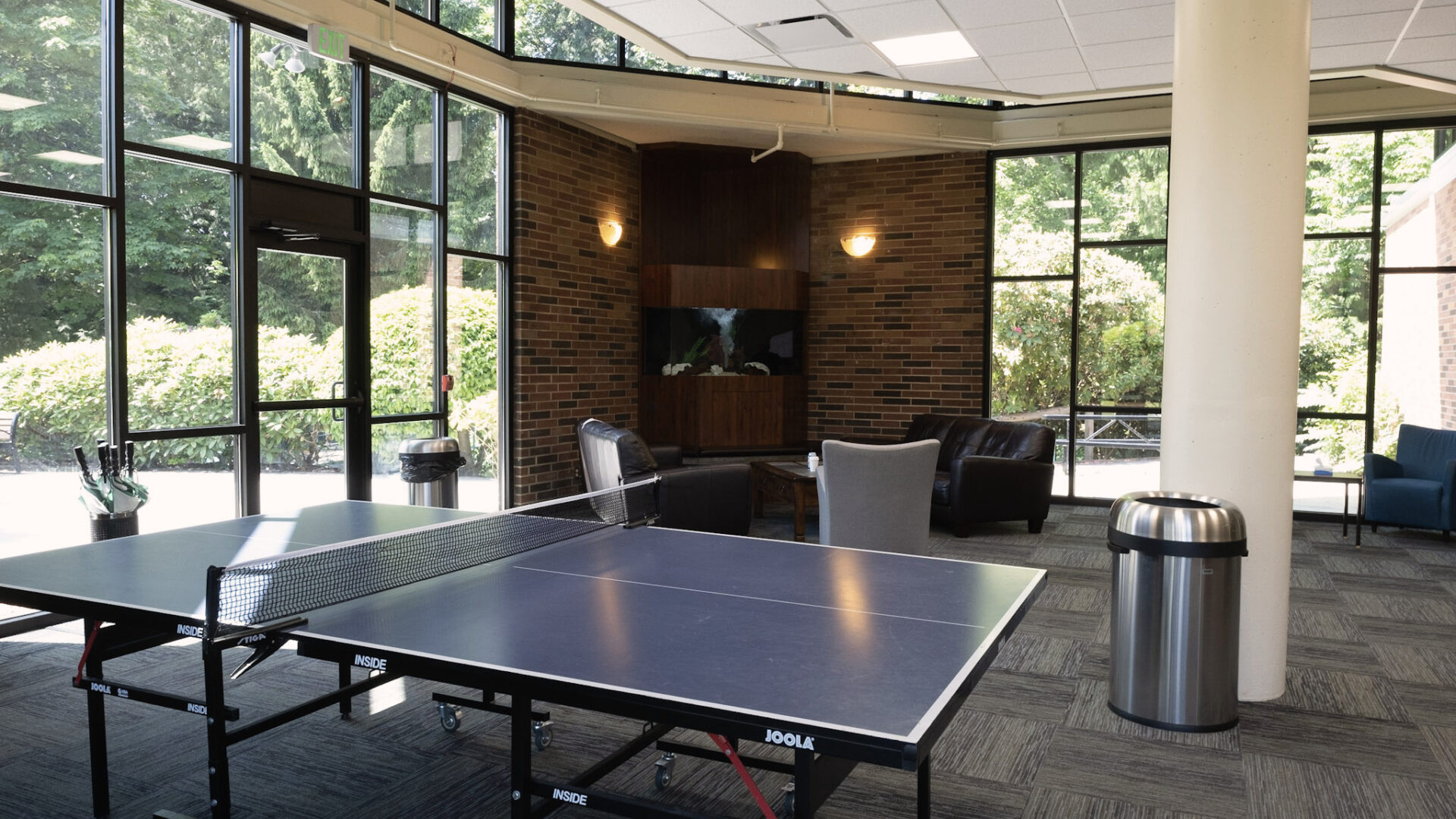
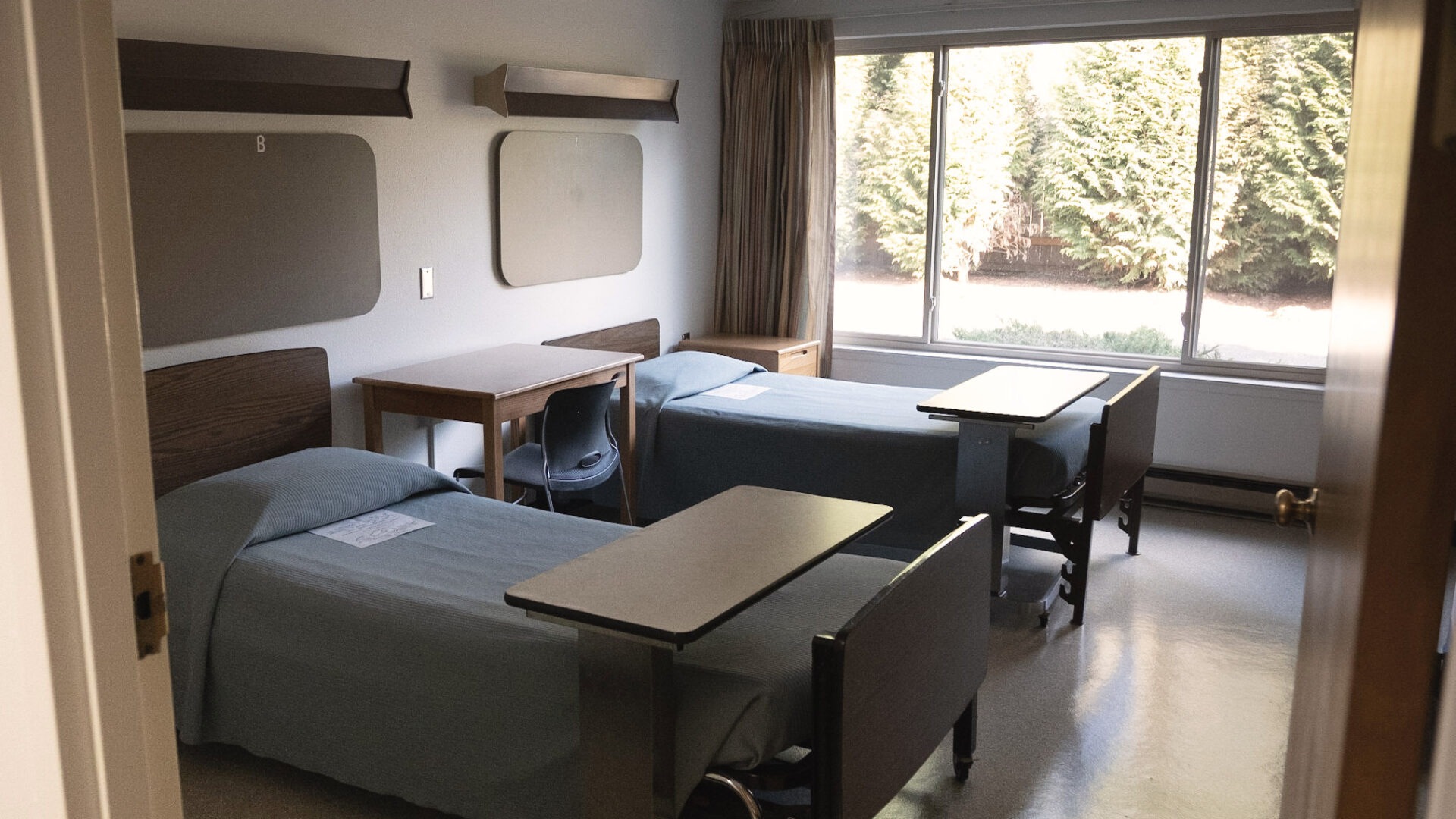
Lakeside-Milam Recovery Centers — Kirkland Inpatient 3 photos
Comparison facts and sources
Exact Kirkland inpatient addiction-treatment campus with 24-hour clinical and medical support; separate Kirkland and western Washington outpatient locations are not treated as this campus. · Kirkland, Washington, United States
- Published fee information
- Quote required
- Before admission
- Length of stay is individualized; a testimonial mentioning 28 days is not program policy. The separate Kirkland outpatient page describes PHP with residential lodging despite broader outpatient language about living at home. Confirm eligibility, housing location, attendance requirements and which organization provides ongoing medication.
- Continuing care
- Network outpatient care, mental health support and alumni connection are distinct from the inpatient campus. The current Kirkland outpatient page describes a men’s PHP with residential lodging and says outpatient MAT may involve coordination with local prescribers; confirm the actual receiving service and medication continuity.
Source record · October 19, 2026
Reviewed October 19, 2026: Kirkland’s separate inpatient and outpatient services, the published men’s PHP lodging arrangement and outpatient medication coordination. Confirm suitability, the receiving program, available lodging, coverage and individual costs..
Luxury rehab comparison · Fees and inclusions · Selection methodology
Provider overview
Lakeside-Milam Recovery Centers operates addiction-treatment services across western Washington. This profile is for the inpatient campus at 10322 NE 132nd Street in Kirkland; the provider also operates a separate Kirkland outpatient site and other outpatient locations.
Kirkland inpatient care
The official campus page describes individualized inpatient care with 24-hour clinical and medical support, medically assisted detoxification when indicated, counseling, group work, peer connection and family support. It treats alcohol and drug addiction and co-occurring mental-health conditions. Length of stay depends on clinical needs; outpatient treatment and continuing support are separate step-down options.
Admissions, insurance and costs
The provider advertises free addiction evaluations and a 24-hour nationwide admissions line at (800) 544-1211. Its current Kirkland inpatient page also lists an admissions-team number, (206) 578-3830, and the campus office, (425) 363-9788. The admissions team verifies health-insurance benefits and explains expected costs, while payment arrangements depend on the individual situation. Confirm in-network status, any out-of-network balance, duration and a written estimate before admission; no universal cash package price was published.
Starting with an assessment and a confirmed placement
The admissions process begins with a complimentary clinical addiction assessment. The provider describes an approximately hour-long evaluation followed by findings and recommendations. An assessment is the point to explain current substance use, previous treatment, medications, physical health and any psychiatric symptoms that may affect the appropriate setting.
If Kirkland inpatient care is recommended, the next steps include an individualized plan, insurance verification and preparation for arrival. The provider describes transportation from Sea-Tac Airport for out-of-town patients. Confirm acceptance, the receiving campus and the pickup arrangement before booking a flight; an inquiry about treatment is not the same as a reserved admission.
The page also describes orientation and medically managed detoxification when relevant. Ask which service is expected first and what information the clinical team needs from existing doctors or medication providers. If a person needs a level of medical or psychiatric care beyond the campus’s capability, that issue should be resolved before travel. Request a clear explanation of the proposed setting and the arrangements for any necessary referral.
What the residential program actually describes
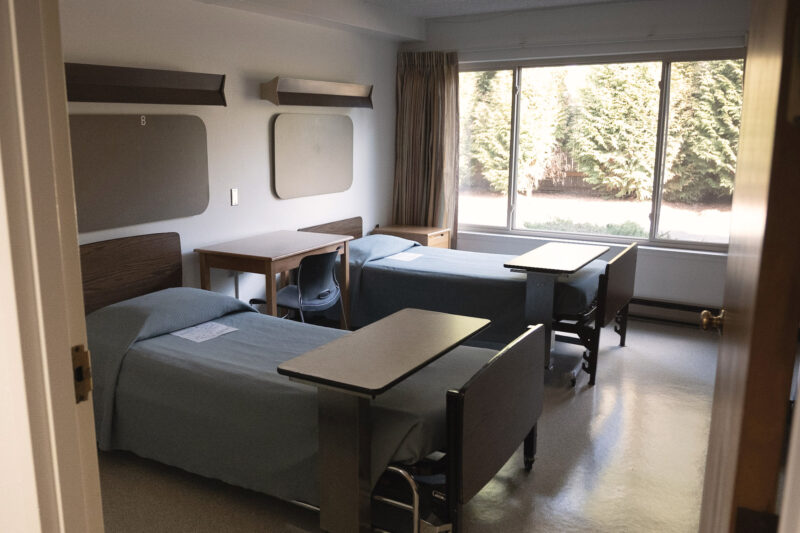
The residential treatment description identifies a structured, continuously staffed program with individual treatment plans, counseling, education and shared patient rooms. It describes an assessment involving nursing, addiction and mental health professionals. The medical team determines whether the facility can safely meet an applicant’s needs and may recommend another setting.
Withdrawal management is provided when clinically necessary, rather than being a required stage for every person. The provider publishes a short estimated detox interval on this general page, but individual assessment should determine the actual plan. Medical complexity, substance history and the response to treatment cannot be reduced to a single advertised timetable.
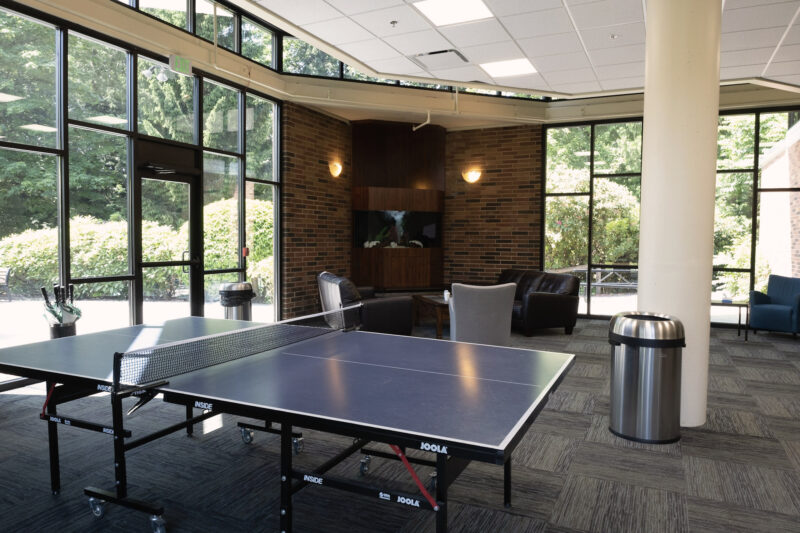
The program includes group work, individual counseling, recovery education and 12-step participation. Ask how the weekly schedule is adapted to a person’s health, communication needs and treatment goals. Shared-room accommodation is a practical detail to consider when comparing facilities; a listing among luxury treatment options does not establish private occupancy. Clarify the room arrangement, accessibility and any dietary support needed before admission.
Medication support during and after inpatient care
The medication-assisted treatment page names buprenorphine for opioid-use disorder and medications such as naltrexone or acamprosate for alcohol-use disorder. It describes medication as part of coordinated care with monitoring and follow-up. The appropriate medicine, timing and duration require a clinician’s assessment; the list does not mean every option is appropriate for every patient.
Before arriving, provide an accurate medication history, including existing treatment for pain, opioid-use disorder or mental health concerns. Ask whether the current regimen can continue, who will review any proposed changes, and how the treatment team will communicate with the original prescriber. Do not alter prescribed treatment simply to fit an assumption about rehabilitation.
Discharge planning should identify where the next prescription, administration or monitoring appointment will occur. A program’s ability to provide medication during residence does not establish the same dispensing arrangements at every outpatient office. Confirm the receiving clinician and appointment rather than rely on a general referral. The plan should also explain whom to contact if side effects, access problems or returning symptoms arise after leaving.
The Kirkland outpatient page makes a specific PHP distinction
The current Kirkland outpatient page lists a separate location at 6725 116th Avenue NE, Suite 110. Its program-specific description presents PHP as a step down for men with a residential setting, while other outpatient descriptions emphasize living at home. Ask which arrangement is proposed, where lodging occurs and whether housing is required or separately billed.
The same page distinguishes medication delivery: MAT is described as available within the residential program, while outpatient patients may receive help connecting with local prescribers. That is an important practical difference for someone who needs uninterrupted medication after inpatient care.
IOP and other outpatient appointments have different levels of structure from the inpatient campus. Before agreeing a transition, confirm the weekly attendance requirement, transportation, clinical appointments and availability of the relevant service. A broad statement about fitting treatment around work should not be interpreted as a promise that every PHP schedule is compatible with a full working day. The exact clinical service, accommodation and prescribing route should all be written into the plan.
Using outpatient care as a planned next step
The outpatient program overview describes individual counseling, intensive outpatient care, education and continuing support. It explains that outpatient care can be a starting point for some people and a transition from residence for others. These choices depend on the ability to participate safely while living in a suitable environment.
The provider’s detailed PHP description lists four and a half hours of programming on five days each week within a residential setting. This is different from assuming that all day treatment involves commuting from home. Confirm the current structure and eligibility for the particular program offered.
A useful continuing-care plan connects the inpatient work with realistic routines afterward: the first group meeting, individual appointments, transportation and any medication follow-up. If a Lakeside-Milam office is not accessible from home, the provider describes arranging a local referral. Ask whether that referral has been accepted and when the first visit will happen. Several pages contain different historical counts of network locations, so use the actual receiving office and address when making arrangements.
Separate outpatient mental health support
The mental health outpatient service addresses concerns including depression, anxiety, trauma, grief and social stress. The provider says the service is oriented toward people in recovery but is open to others; a person does not have to be receiving Lakeside-Milam addiction treatment to inquire.
Published services include mental health evaluation, individual and group therapy, relationship counseling and case management for some people with co-occurring substance-use concerns. This is an outpatient offering and should not be mistaken for an acute psychiatric hospital or a guarantee that the inpatient addiction campus can manage every mental health condition.
If continuing therapy is a priority, discuss the clinician’s relevant experience, appointment frequency and whether remote sessions are available for the patient’s location. Ask whether medication management is included or needs a separate prescriber. A referral can be more useful when it specifies the concern being treated and the desired continuity, instead of simply recommending “counseling” after discharge without a confirmed appointment.
Family education and location-specific schedules
The family program page describes education, discussion groups and communication skills for relatives affected by a loved one’s substance use. It publishes separate schedules for the inpatient campus, outpatient offices and a virtual group. The Kirkland inpatient schedule is listed as Wednesday evening; the Kirkland outpatient group is listed on Tuesday.
Confirm the current time and participation arrangements directly before traveling. The page itself shows that not every office has the same offering, and some listed locations have no family group. A general network description of family education should not be treated as a universal weekly appointment at every site.
Ask how educational sessions differ from individualized family therapy, what the patient has consented to share and whether another support person can participate. Relatives may need help with boundaries, communication and their own well-being, regardless of how quickly the patient’s treatment progresses. A family group can provide support without requiring anyone to take responsibility for another person’s recovery or promising that longstanding relationship difficulties will resolve during an inpatient stay.
Checking whether virtual care fits the discharge plan
The virtual outpatient page describes remote addiction services for new and existing clients, including individual counseling, evaluations, IOP and family education. The page retains pandemic-era introductory language, so confirm the current service, technology and eligibility rather than assume every listed option operates on the same schedule today.
Remote care may be relevant when someone returns home after Kirkland treatment, but the clinical team still needs to determine whether outpatient support is sufficient. Virtual appointments do not provide overnight observation or onsite withdrawal management. Ask how urgent concerns are handled and whether a local clinician or service must also be involved.
Before relying on this option, verify that the provider can treat the patient in the state where the patient will physically attend sessions. Discuss a private space, device access and what happens if the connection fails. The provider describes access through an app; confirm the current onboarding process and whether any required assessments, medication appointments or testing remain in person.
Alumni membership and ongoing clinical care
The alumni page describes free membership, periodic communications, online connection and social events. It also presents recurring event formats, including dinners and a picnic. At review, the page did not show a forthcoming dated event, so ask the alumni coordinator for the current calendar instead of planning around an undated description.
The provider offers an app for alumni and some outpatient participants. Ask which functions are peer support, which provide access to scheduled treatment and who monitors messages. A community discussion space should not be the sole route for urgent clinical concerns or a replacement for follow-up appointments.
For someone leaving the inpatient campus, it can help to decide how much peer contact is wanted and how it fits with work, family and local recovery support. Participation should be practical from the person’s home community. Free alumni membership does not mean that all continuing clinical services are included without charge, so keep the social-support plan and the treatment payment arrangements clear.
Arrangements for patients returning to Alaska
The Alaska service information describes experience treating Alaskan patients at the Washington program and working with services in their home communities. It mentions possible airport transportation and coordination of family and continuing care. This is a travel and referral pathway to discuss individually, not a separate inpatient campus in Alaska.
Before traveling, confirm the current age and clinical eligibility for the actual Kirkland placement, the travel arrangements and the insurer’s authorization. Historical descriptions of people served do not establish that every age group or insurance policy is accepted now. If treatment relates to a legal requirement, obtain confirmation from the appropriate authority that the proposed care meets that requirement.
Planning the return journey should include a receiving therapist or program, medication continuity and any practical limits on remote care. Ask who will contact the home-community service and whether an appointment is confirmed. A referral network is most useful when it produces a specific handoff rather than an expectation that follow-up will be arranged after the person has already returned home.
Official provider pages reviewed October 19, 2026. Program-specific descriptions and their limits are retained; individual admission, lodging, medication arrangements, coverage and availability require confirmation.
Compare our guides to alcohol treatment and drug treatment when deciding which level of care to discuss.
Sources and verification
official Kirkland inpatient campus page; official location directory; official admissions information. Checked October 16, 2026. Provider-published information; not an independent clinical assessment.