La Jolla Recovery

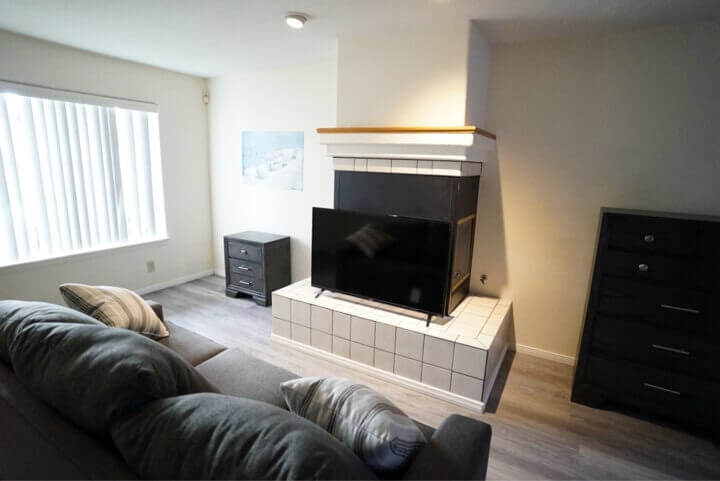

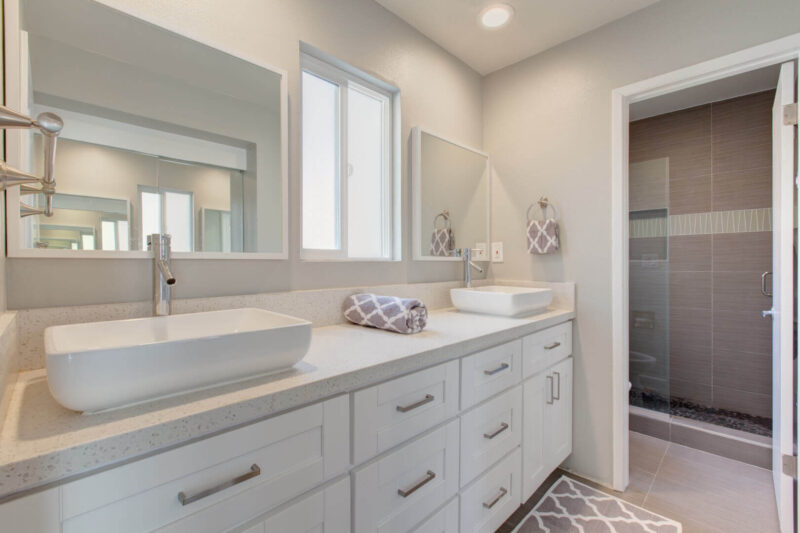
La Jolla Recovery 3 photos

Comparison facts and sources
San Diego continuum comprising medically supervised detox, residential treatment, PHP and IOP, with integrated support for co-occurring mental health conditions. Sober-living placements are trusted independent partner homes, not provider-owned clinical residences. · 7632 Herschel Ave, La Jolla, CA 92037, United States.
- Published fee information
- Quote required
- Before admission
- This review verifies current program levels, provider-published duration, aftercare, contact, insurance and independent-partner sober-living distinctions. It does not independently assess care, verify current license status or guarantee price, coverage or placement availability.
- Continuing care
- After primary services, the provider describes a 6–9 month aftercare program with weekly individual therapy, case management as needed and help attending 12-step meetings three times weekly. Monthly telephone contact from the primary discharge counselor may continue for one year after discharge. Independent partner sober-living placement may be coordinated when appropriate.
Source record · October 16, 2026
Current provider-published program, duration, aftercare, contact, insurance, facilities and sober-living pages checked October 16, 2026.. The provider website displays California license numbers with an 8-31-2026 expiry date; no independent current license-status review was completed in this field pass.
- Official program, duration and aftercare page
- Official insurance-verification page
- Official contact page
- Official adolescent IOP page
- Official facilities and sober-living distinction page
- Official detox page and facility imagery
- Official residential treatment page and facility imagery
- Official residential amenities and facility imagery
Luxury rehab comparison · Fees and inclusions · Selection methodology
Provider overview
La Jolla Recovery is a San Diego addiction-treatment provider offering medically supervised detoxification, residential treatment, partial hospitalization (PHP), intensive outpatient care (IOP) and integrated support for co-occurring mental health conditions. These are distinct levels and settings of care, not services automatically included in one stay.
The provider’s current program page says detox operates 24 hours a day on a residential basis and usually lasts 7–10 days; residential treatment is anticipated to last 30–60 days. PHP is a full-day program, while adult IOP offers day or evening sessions for at least 30 days and 10–15 hours per week. A separate adolescent IOP page also describes a minimum 30-day evening program; confirm age eligibility for the specific level of care.
The primary published contact is 7632 Herschel Avenue, La Jolla, CA 92037 and 858-206-8148. Admissions should confirm the assigned program address before travel. La Jolla Recovery states that sober-living placements are trusted independent partner homes coordinated during aftercare, not a La Jolla Recovery clinical level of care or provider-owned residence.
Provider materials say treatment is often covered by major health-insurance plans and offer free confidential benefit verification. No universal cash price is published; request a written USD estimate identifying level of care, length of stay, network status, authorization, deductible or coinsurance, accommodation, taxes, inclusions and optional charges.
After primary services, the provider describes a 6–9 month aftercare program with weekly individual therapy, case management as needed and assistance attending 12-step meetings, plus monthly telephone contact for one year from discharge. Availability and the assigned plan should be confirmed directly.
How assessment connects the different treatment levels
La Jolla Recovery’s program overview describes screening followed by a more detailed assessment of the concerns identified. It lists substance use, mental health symptoms, trauma, physical health, nutrition, pain, and educational needs among the areas considered. The provider says clinicians use ASAM criteria, diagnostic assessment, and a biopsychosocial evaluation to develop a plan with the client. This matters when someone has had several previous treatment episodes: the useful question is what the new assessment changes about care, rather than whether the residence feels different.
The same overview says discharge planning begins at admission. A practical plan should explain the purpose of the first level, how progress will be reviewed, and what would justify moving to another setting. A person needing withdrawal management may have a different starting point from someone medically stable who needs structured therapy. Ask which clinician makes that decision and how outside records will be considered. The advertised sequence does not mean every client needs to purchase every stage.
Understanding the homes and sober-living arrangements
The facilities page presents several coastal settings around La Jolla, Mission Bay, and Pacific Beach. It describes home-style treatment spaces and shows different properties through photographs and video. Those images are useful for understanding the environment, but they should be matched to the actual program and bedroom offered. A bay view shown on one property page does not establish the view, room occupancy, bathroom arrangement, or accessibility of another address.
The page also discusses continued recovery through sober-living recommendations. For an admission decision, separate the clinical provider from any independent housing operator. Request the clinical schedule, residence agreement, transportation arrangements, and support available outside treatment hours. Someone attending outpatient care may need to budget for housing separately and understand what happens if clinical attendance ends before the housing agreement does. If returning home after treatment, discuss an equivalent plan near home rather than assuming a San Diego residence is required. The assigned address and care level should be confirmed together before travel is booked.
Therapy approach and personal fit
La Jolla Recovery’s description of its approach identifies cognitive behavioral therapy, dialectical behavior therapy, and acceptance and commitment therapy among the methods it uses. It also emphasizes co-occurring mental health needs and culturally responsive care. A useful treatment discussion translates these broad descriptions into the problems the person wants help with: managing distress, recognizing substance-use patterns, maintaining relationships, or returning to daily responsibilities.
Ask how individual sessions, groups, and practical work are combined at the proposed level. A list of therapies does not show how much time a client receives with a qualified clinician or whether a full specialist protocol is offered. Likewise, statements about welcoming women, LGBTQ+ clients, or couples should lead to specific questions about housing, group composition, privacy, and how partners are assessed. Personal preferences can matter without determining clinical suitability. The provider should explain which requests it can accommodate, which depend on current availability, and which would require a different service.
What the family program can contribute
The family program describes counseling, educational workshops, and opportunities to communicate with a client’s case manager and therapist. Its stated emphasis is on improving communication and strengthening support around recovery. This is broader than allowing relatives to visit: education may help a family understand treatment, while therapy can address patterns within particular relationships. Ask which format is being proposed and whether it is part of the quoted care package.
Family involvement should reflect the client’s wishes, consent, and circumstances. Not every relative is a safe or helpful participant, and a partner’s involvement should not be assumed simply because they are paying. Clarify who can receive progress information, whether remote sessions are available, and how scheduling works for relatives outside California. Before discharge, the most useful discussion may concern practical expectations at home, including communication, boundaries, and what support each person can realistically provide. Relatives may also need their own support rather than relying entirely on the client’s treatment team.
The adolescent program is a separate outpatient decision
The dedicated adolescent treatment page describes an evening intensive outpatient program with individual, group, and family sessions. It gives a minimum duration of thirty days and a weekly commitment of ten to fifteen hours. The provider says its curriculum considers adolescent development and family needs, with case management, treatment planning, and discharge planning alongside therapy. These details describe the adolescent outpatient service; they do not establish that an adolescent can enter every adult detox or residential program.
Parents or caregivers should confirm the age range, current enrollment, assessment process, and how the timetable fits school. Ask how the young person participates in decisions, how consent and confidentiality are handled, and what information is shared with caregivers. Transport, attendance, medication coordination, and support between sessions also need a workable plan. If the young person needs a level of supervision beyond evening appointments, the admissions assessment should identify that need and explain the referral route. The availability of an adolescent webpage alone is not confirmation of an appropriate or available placement.
Medication treatment and continuity of prescribing
La Jolla Recovery’s medication treatment page presents medication as an individualized option alongside counseling and clinical support. It discusses longer-term supervision as well as the initial treatment period. For someone already receiving prescribed treatment, this makes continuity an important admission topic: identify the current prescriber, the medication being taken, the reason for it, and who will manage it during each phase of care.
The medicines mentioned across the website should not be treated as interchangeable or suitable for every substance-use problem. Ask the prescribing clinician to explain the specific indication, expected monitoring, alternatives, and how any change will be agreed. A residential booking is not itself a medication plan. Before stepping down or returning home, confirm the follow-up appointment, pharmacy arrangements, and how records will reach the next clinician. Questions about costs should distinguish medication, prescribing visits, and therapy. Do not stop or alter prescribed treatment merely to fit a program description; address compatibility with the treating clinician before admission.
Balancing outpatient treatment with work or school
The provider’s outpatient information for working professionals describes day and evening care and the opportunity to continue ordinary responsibilities. It includes group and individual sessions, case management, discharge planning, and substance-use screening. This can be relevant when a person is stable enough to live outside a residential setting but still needs a substantial treatment commitment. Flexible care still requires protected time for appointments and participation.
Compare the actual timetable with commuting, shift work, caregiving, and school requirements. Ask whether evening spaces are currently available, whether individual appointments occur outside group hours, and how missed sessions are handled. For a professional whose work includes travel, discuss what happens during absences rather than assuming that all services can move online. The website’s description of discretion does not determine an employer’s policies or eliminate the need to manage time away. A clinically appropriate schedule should be agreed before making work arrangements, with a clear route to more intensive help if outpatient support proves insufficient.
Preparing for admission without overlooking practical needs
La Jolla Recovery’s frequently asked questions discusses clothing, transportation, personal needs, family communication, and arrangements for clients’ spending money. These are practical topics to settle after the care level is selected. A written packing and arrival list is more useful than assuming that every residence has the same rules. Ask about medications, personal devices, valuables, permitted visitors, and any accessibility or dietary arrangements that are necessary for participation.
If someone else will manage expenses, clarify who controls the funds, how purchases are approved, and how remaining money is returned. Family members should know the appropriate contact for clinical questions versus travel or financial matters. The FAQ encourages relatives to allow the treatment team to establish structure and to seek support for themselves. That does not replace a clear communication agreement. Before arrival, make sure the client understands the daily expectations, the consent process, and how to raise a concern if the proposed arrangements do not match what was discussed.
Verifying the financial plan for the selected program
The insurance-verification page offers a starting point for discussing benefits, but it does not publish a universal cash package or establish coverage for a particular admission. The financial conversation should name the clinical level and expected dates. Detox, residential care, PHP, and IOP may involve different authorizations and patient responsibilities even within the same recovery plan.
Request an itemized estimate and compare it with information from the insurer. Clarify whether the amount includes professional visits, medication, laboratory work, accommodation, transportation, and any independent sober-living charges. Ask how an extension, early discharge, or change of care level affects the estimate and payment schedule. If a family member is funding care, the agreement should identify the responsible payer without implying access to confidential treatment information. Keep clinical acceptance and financial approval distinct: a favorable benefit check does not establish that a program meets the person’s needs, and a clinically appropriate recommendation does not guarantee that an insurer will pay for it.
Source check: Expanded October 18, 2026 using the linked official provider pages. Program availability, individual suitability, schedules, and financial terms require confirmation.
Sources and verification
Official program, duration and aftercare page; official insurance-verification page; official contact page; official adolescent IOP page; official facilities and sober-living distinction page. Checked October 16, 2026. This summary reflects provider-published information, not an independent clinical assessment or guarantee of coverage.