High Watch Recovery Center
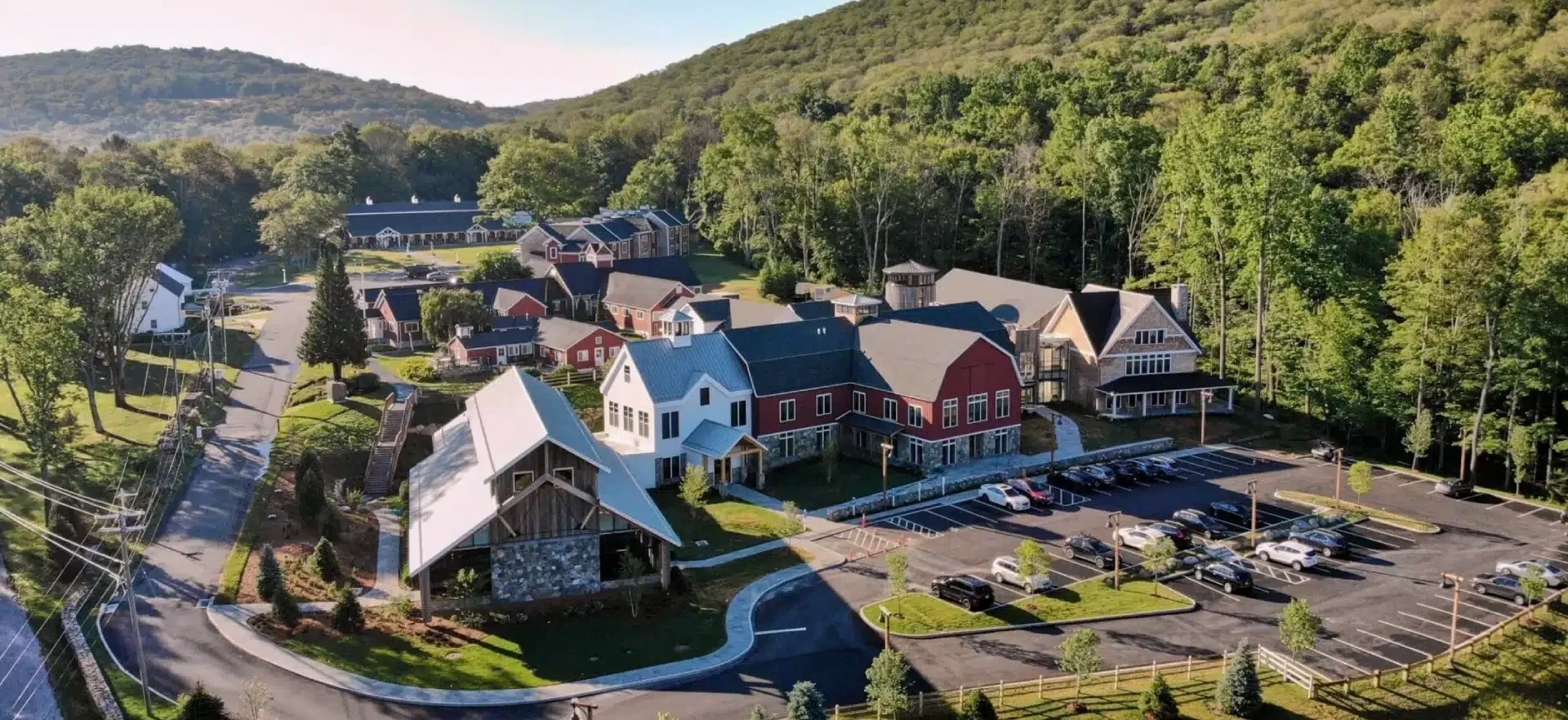


High Watch Recovery Center 3 photos



Comparison facts and sources
Nonprofit adult addiction-treatment campus in Kent providing medically supervised detox, residential treatment and extended care, linked to Hilltop PHP, online IOP, sober living and alumni support. · 62 Carter Road, Kent, Connecticut 06757
- Published fee information
- Quote required
- Before admission
- Published durations are typical rather than guaranteed. Hilltop PHP is described as a men’s step-down program, and network status varies by insurer and plan.
- Continuing care
- High Watch publishes a connected continuum from detox and residential treatment through Hilltop PHP, online IOP, extended care, sober living and alumni support. Transitions and continuing care depend on clinical progress and authorization.
Source record · October 15, 2026
Provider-published information checked October 15, 2026. Confirm program eligibility, bed or housing availability, benefits, authorization, duration and personal responsibility directly with High Watch.
Luxury rehab comparison · Fees and inclusions · Selection methodology
Provider overview
High Watch Recovery Center is a nonprofit addiction-treatment provider on a 300-acre campus at 62 Carter Road in Kent, Connecticut. It serves adults age 18 and older with alcohol or substance-use disorders and can address co-occurring conditions such as depression, anxiety, bipolar disorder and trauma.
Treatment continuum
The provider lists medically supervised detoxification, residential treatment, the Hilltop partial hospitalization program, online intensive outpatient treatment, aftercare and recovery-housing connections. Care combines addiction medicine with 12-Step programming. Hilltop is for adult men who have completed at least 28 days of residential care; Hope House is supportive recovery housing rather than a licensed treatment service.
Duration, admissions and payment
Detox is described as typically three to seven days and residential care as typically 30 to 90 days, depending on clinical need and authorization. High Watch is in-network with Anthem Blue Cross Blue Shield and works with Cigna, Aetna and United on an out-of-network basis; private-pay options are available. Individual benefits and personal costs require verification.
A residential program with a clear 12-step foundation
The High Watch program overview describes an adult residential community that combines addiction medicine, individual counseling, groups and 12-step work. A guest is assigned a primary therapist and works with medical and nursing staff, alongside a dedicated step coach. These roles should be understood separately: peer or recovery coaching does not replace a clinician’s responsibility for diagnosis, medication or psychotherapy.
High Watch’s history and daily programming are closely connected to Alcoholics Anonymous. Someone who has found a different recovery framework helpful should discuss how that preference can fit within the actual schedule, rather than assuming the program is either entirely flexible or exclusively one approach. Ask about the balance of individual sessions, clinical groups, step work and unstructured time. The provider describes experiential activities and shared meals as part of campus life. They add context to the environment, while the central comparison remains the treatment available for the person’s needs and the plan for maintaining support afterward.
Detox and the transition into residential treatment
The High Watch detox service is located on the Kent campus and is described as a distinct initial level of care. The provider reports medical and nursing monitoring, assessment and medication when appropriate. It also states that guests begin meeting their assigned therapist during detox, before moving into residential programming. That continuity is a practical feature to ask about when planning the first days of a stay.
The published three-to-seven-day estimate is not a deadline for completing withdrawal or changing medication. The appropriate timing depends on the substances involved, current health and the clinical response. Tell the team about all recent substances and prescriptions, including combinations that may not appear to be the main reason for admission. Confirm what happens if monitoring identifies a need for a different medical setting, and how the next level will be arranged. Comfortable accommodation can make the environment easier to tolerate, but it does not remove medical risk. An individual withdrawal plan should come from the treating team.
Co-occurring mental health concerns within addiction care
The dual-diagnosis program describes an integrated assessment involving psychiatric, medical and substance use history. High Watch lists individual therapy, psychiatric review, clinical groups and recovery coaching within one plan. Its examples include mood, anxiety and trauma-related conditions that accompany addiction. The presence of a condition on a website should not be interpreted as acceptance of every level of severity or as confirmation of a separate psychiatric-hospital service.
During screening, explain recent changes in mood, sleep, thinking or functioning, alongside any previous diagnoses and treatment. Ask who will review psychiatric medication and how the team will distinguish symptoms related to substance use from other ongoing needs. A useful combined plan sets out priorities for both concerns, identifies the responsible clinicians and explains how progress will be reviewed. It should also address what happens if the person requires more support than this setting provides. When returning home, the psychiatric and addiction follow-up arrangements need to remain connected rather than ending as separate, unresolved referrals.
The Hilltop PHP has specific entry criteria
The Hilltop partial hospitalization program is described for adult men who have completed at least 28 days of residential treatment. Guests live in a home-like setting on the campus, with daytime clinical programming and staff support. The published clinical schedule runs from 10 a.m. to 4 p.m. on weekdays, with evening recovery meetings and more opportunity to manage ordinary responsibilities. The provider gives a typical duration of three to nine weeks, adjusted to clinical needs.
This is a defined step-down pathway, rather than a general promise that everyone leaving residential care can enter the same service. Women or people who do not meet its entry criteria should ask about suitable alternatives. Hilltop also allows electronic devices, which changes the practical experience from a more restrictive residential phase. Confirm the current rules and expectations, the amount of individual clinical contact and how housing is charged. Before transition, clarify the goals for this stage and the arrangements for the next placement, whether that is home, outpatient treatment or supportive housing.
How the extended charity-care program works
High Watch’s Extended Guest Program describes an opportunity to apply for an additional 60 days of care without an additional treatment charge. The published criteria say that a guest can apply after at least 45 days at High Watch. Places are limited, and selection involves clinical review, need, willingness and other factors. This is a discretionary opportunity for existing guests, not a guaranteed discount that every prospective resident can include in a budget.
The provider describes participation in the regular program alongside small community responsibilities, such as supporting meeting attendance or keeping shared spaces orderly. Ask what the extension includes, what costs remain personal and when a decision would be made. Also discuss an alternative plan if a place is unavailable. The length of an extension should be connected to the clinical goals and practical needs of the person, rather than assuming that a single duration is optimal for everyone. Clear written arrangements help families distinguish confirmed funding from an application that has not yet been approved.
Hope House is recovery housing with a different role
The Hope House recovery residence is described as supported, substance-free living within a working-farm community. Residents participate in shared responsibilities involving gardens, animals or other farm activities. The provider distinguishes this peer-supported living environment from its more intensive clinical levels. Living there should not be presented as equivalent to continuous medical monitoring or a new course of residential treatment.
Before agreeing to this placement, clarify the house expectations, available staff support, medication arrangements and any separately scheduled outpatient care. The program describes admission screening and orientation, so a referral from another level is not a reason to skip confirming eligibility or a room. Housing charges also need to be separated from clinical services that may have different insurance arrangements. Someone with mobility limitations, allergies or difficulty with particular activities should discuss suitable adjustments before moving in. The useful comparison is how the residence supports an achievable daily routine and access to treatment, rather than assuming that farm work itself supplies all the care a person may need.
The online IOP requires a regular weekly commitment
The High Watch virtual IOP describes three clinician-led group sessions each week, lasting three hours each, with afternoon and evening tracks. The published minimum is six weeks, with possible continuation according to clinical needs. It is an outpatient service that can follow more intensive treatment or provide a suitable starting point for someone who does not need to live on campus.
The website describes broad geographic access and licensed Connecticut clinicians. Confirm that the assigned professional can provide the proposed service where you will physically attend, including during travel, rather than relying on a general nationwide statement. Ask about the exact timetable, technology, privacy requirements and arrangements for individual or psychiatric appointments outside the groups. A quiet connection from home can reduce travel, but it does not supply overnight support. The team should assess whether the person’s home circumstances and current stability fit this level. The plan should also explain how missed appointments or worsening symptoms are handled and how a higher level can be arranged if needed.
Support for licensed healthcare professionals
The Healthcare Professional Program addresses addiction treatment alongside the work and monitoring concerns of licensed professionals. High Watch describes clinical assessment, groups relevant to professional pressures, family work and administrative coordination. Its examples include physicians, nurses, pharmacists, therapists and other regulated occupations. Ask which parts of the schedule are specific to the professional pathway and which are shared with the wider residential community.
The provider also describes coordinating with authorized referral or monitoring organizations. The individual still needs clear advice about their own reporting obligations from the relevant authority or qualified adviser. Treatment completion is not an automatic decision about licensing, employment or fitness to practice. Before releasing information, clarify the recipient, purpose and scope of each authorization. The discharge plan should identify any expected clinical follow-up, monitoring documentation and support for returning to work. These arrangements are most useful when tailored to the actual profession and jurisdiction, rather than assuming that all healthcare workers face the same requirements or that the center can guarantee a particular regulatory outcome.
Insurance status and the cost of different stages
The High Watch insurance page identifies Anthem Blue Cross Blue Shield as in network and describes typically working out of network with Cigna, Aetna and United. This distinction matters more than the appearance of a carrier in a general accepted-insurance list. Coverage depends on the specific plan, proposed level of care, authorization and remaining benefits. Ask for the expected personal share and verify any material assumptions with the insurer.
The admissions team describes free benefits verification and private-payment options. A written estimate should identify the period covered and the charges that could change if care is extended or the person moves to another level. Housing, outpatient appointments and residential treatment may have different financial arrangements, even when associated with the same organization. Do not assume that authorization for detox approves a later residential stay or that clinical coverage includes recovery housing. If funding is uncertain, discuss a realistic alternative before admission. This keeps a financial decision tied to the actual proposed care, rather than a broad promise that insurance will cover rehabilitation.
Alumni contact after leaving the campus
The alumni program describes a meeting with an alumni coordinator before discharge and outreach for at least the first year afterward. Its Transitions meeting gives former guests a place to discuss changes in relationships, work, routines and recovery support. The website also lists AA-related campus events, with different timing and return-to-campus conditions. Confirm the current calendar and eligibility rather than assuming every event is available immediately after discharge.
Alumni connection has a different purpose from a scheduled appointment with a treating clinician. Before leaving, identify any ongoing therapy, psychiatric review, medication supply and outpatient program independently of social or peer-support activities. Ask whom to contact if a planned referral is delayed or if the person feels that the current level of support is insufficient. People returning far from Connecticut may need a combination of remote connection and local services. A useful discharge plan makes those arrangements specific, while retaining the familiar community relationships that the person wants to continue. Participation should fit the individual’s practical circumstances and preferences.
Additional provider information checked October 18, 2026 against High Watch Recovery Center publications. Named programs have separate eligibility, schedules and payment arrangements. Provider descriptions are not guarantees of placement, funding, professional certification or clinical outcome.
Sources and verification
High Watch program overview, admissions criteria and insurance guidance, checked October 10, 2026. These sources confirm the campus, adult eligibility, care levels, typical timing and payer guidance. This profile summarizes provider-published information and is not an independent clinical assessment.