Gateway Rehabilitation Center
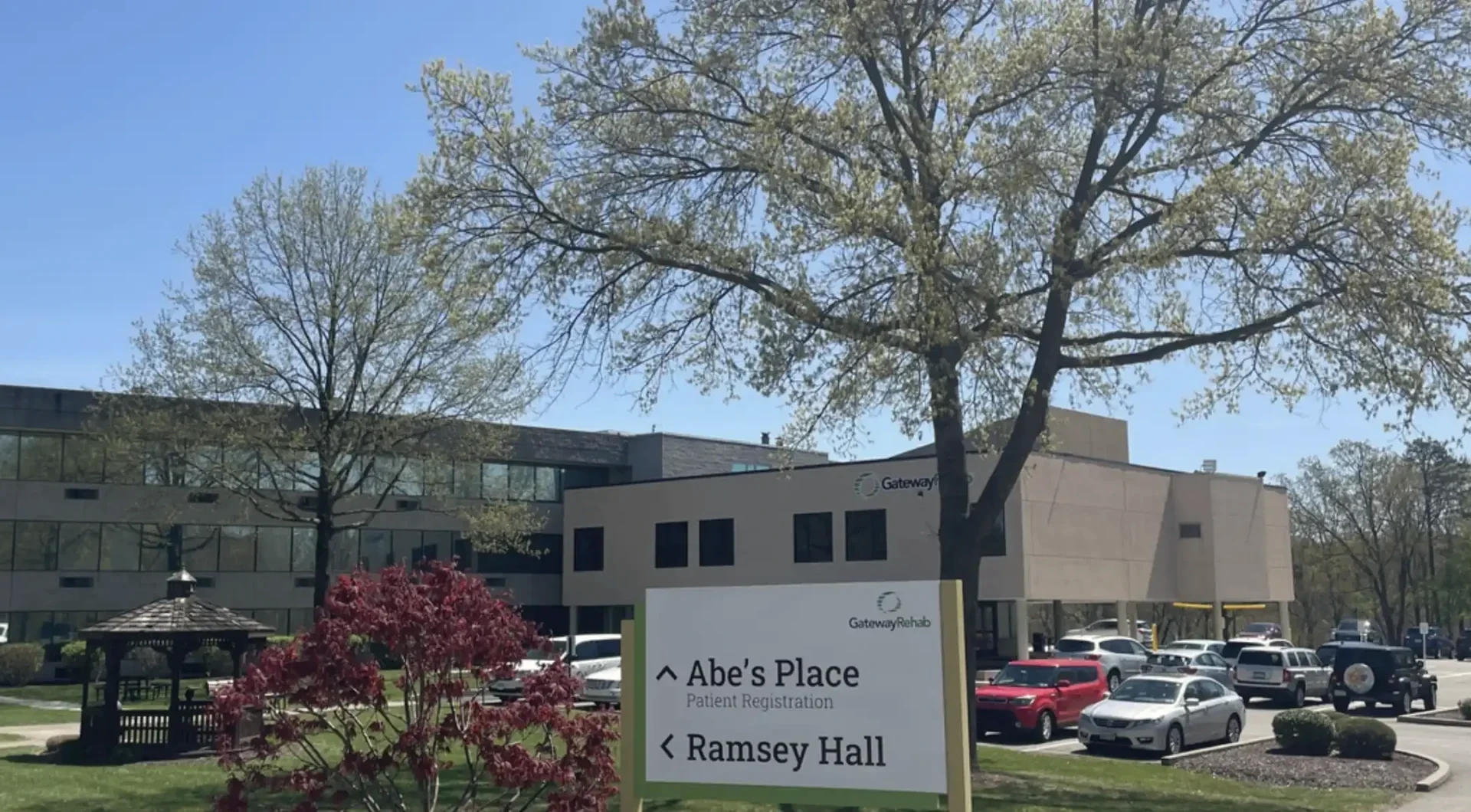


Gateway Rehabilitation Center 3 photos
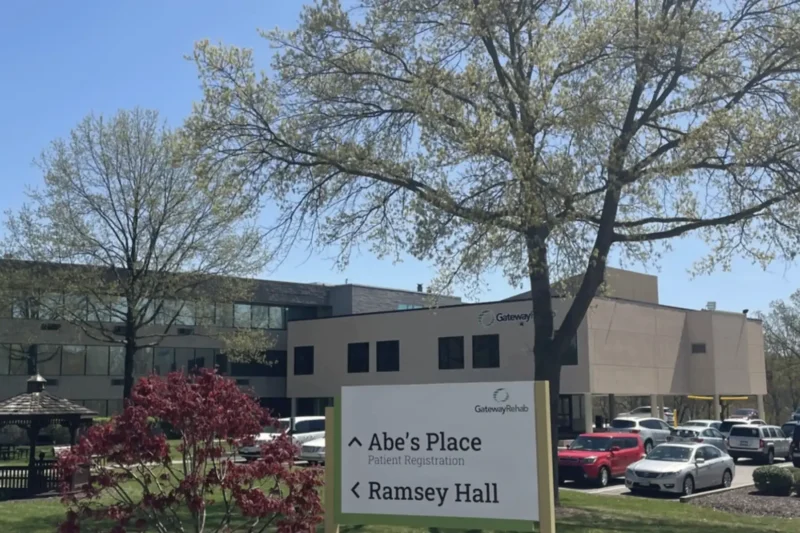
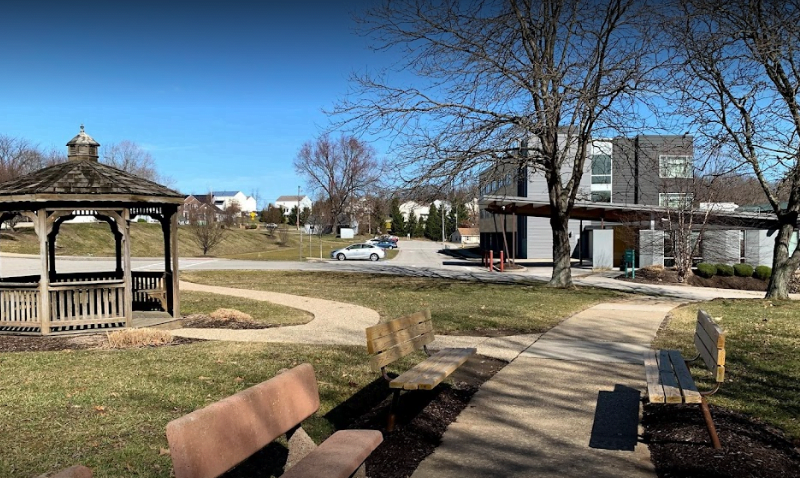
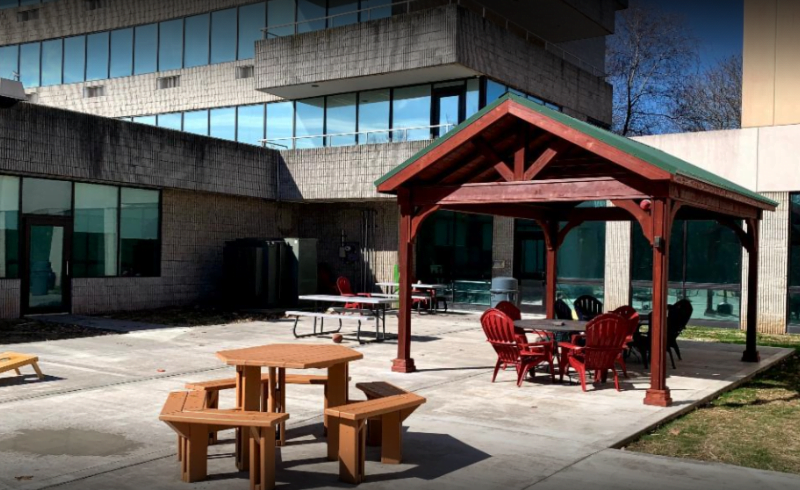
Comparison facts and sources
Main-campus profile for adult medically monitored withdrawal management and structured inpatient addiction treatment in Aliquippa. Gateway’s wider Western Pennsylvania network separately provides outpatient, telehealth, halfway-house and other services. · 100 Moffett Run Road, Aliquippa, Pennsylvania 15001
- Published fee information
- Quote required
- Before admission
- Published durations describe Gateway program options, not a guaranteed stay for every Aliquippa admission. Network outpatient and telehealth services should not be presented as automatically operating at the main campus.
- Continuing care
- Current provider guidance includes individualized next-step planning, outpatient referrals and community-resource connections; Gateway’s wider network also publishes extended-care and recovery-support services.
Source record · October 14, 2026
Provider-published information checked October 14, 2026. Program licensing and accreditation should be confirmed directly for the selected Gateway service.
Luxury rehab comparison · Fees and inclusions · Selection methodology
Gateway Rehabilitation Center operates a network of substance-use treatment services in Western Pennsylvania. This profile is scoped to its main Aliquippa campus at 100 Moffett Run Road, which the provider currently identifies as a round-the-clock inpatient program for adults.
The Aliquippa campus provides medically monitored withdrawal management and structured inpatient rehabilitation, with individual, group and family counseling, cognitive-behavioral therapy, 12-step facilitation and medication-assisted treatment where appropriate. Gateway’s wider network also offers outpatient, halfway-house, adolescent, peer-support and telehealth services; those should not be assumed to operate at the main campus.
Gateway publishes participation with numerous commercial, managed Medicaid and county-funding arrangements, while admissions verifies benefits for the individual case. No universal Aliquippa fee or fixed treatment duration is published; the care plan, coverage and personal cost require individual confirmation.
Aliquippa admission and campus identity
The official Aliquippa campus profile identifies this as an adult inpatient service with assessment and admissions available around the clock. Its assessment reviews medical history, substance use and co-occurring mental health needs before a treatment plan is developed. The address is a specific point of entry into Gateway’s Western Pennsylvania system, rather than a promise that every network service is delivered in the same building.
That distinction matters when someone is transferring from a hospital, arriving from home or comparing inpatient treatment with a less intensive option. Explain the current situation when requesting an assessment, including recent treatment and the support needed immediately. Admission availability, clinical acceptance and the appropriate unit must be confirmed for the person. A continuously available admissions process does not establish an empty bed or make this campus an emergency department. Ask where to arrive and which team has accepted the referral before arranging transportation.
Withdrawal management and clinical supervision
Gateway’s withdrawal-management description places this service alongside inpatient treatment and specifies continuous nursing, daily physician or nurse-practitioner rounds and medical availability on call. These staffing descriptions distinguish a supervised withdrawal service from a residential program that expects withdrawal to have been completed elsewhere. They do not mean that every medical complication can be managed without transfer to a hospital.
The provider describes the length of withdrawal management as responsive to the person’s condition and progress. An assessment should establish the substances involved, previous withdrawal difficulties, prescribed medicines and relevant physical illness. The practical question is what monitoring the accepting team can provide and how it will respond if medical needs increase. Ask how the transition into rehabilitation is planned, whether another authorization is needed and who will explain the ongoing medication plan. Finishing withdrawal management is one stage of care; it does not by itself establish that the person’s longer-term treatment needs have ended.
Residential work and the older-adult unit
The residential program page describes counseling, substance-use medications, mental health support, family programming and relapse-prevention work. It also identifies Capretto’s Cove at the main campus: a mixed-gender unit for adults aged 50 and older, with a dedicated therapy team and activities intended for that age group. A private unit means a distinct program area; it should not be read as a guarantee of a private bedroom.
The broader residential schedule includes creative, outdoor and wellness activities alongside clinical treatment. Availability and suitability of individual activities should be checked, particularly where mobility or other health needs could affect participation. For an older adult, useful admission questions concern medication coordination, physical accessibility, help with daily activities and whether the unit can support the person’s medical needs. Ask for a typical weekly schedule and the expected balance of individual and group work. The provider’s list of activities describes options, rather than a personalized timetable or evidence that recreation determines recovery outcomes.
Co-occurring mental health needs
Gateway’s co-occurring-disorders program treats mental health conditions alongside substance-use disorder. Its published structure includes a dedicated therapist and case manager, weekly psychiatric review, continuous nursing and several daily therapeutic groups. The program also describes trauma-focused approaches, including EMDR and cognitive processing therapy, within the broader treatment plan.
This is an integrated addiction and mental health pathway, not evidence of unrestricted admission for a primary psychiatric condition without substance-use needs. Gateway lists some diagnoses, including traumatic brain injury and ADHD, for case-by-case consideration. A diagnostic label alone therefore cannot determine acceptance or readiness for a particular therapy. Explain current symptoms, recent instability and any support needed to participate in groups. Ask how psychiatric medicines are reviewed, how existing clinicians will be involved and what would prompt a transfer to more intensive care. Case management should connect the clinical work to practical needs after discharge, including housing, medical follow-up and ongoing mental health appointments.
Medication continuity during treatment
The medication-assisted recovery page describes individualized medication support rather than a predetermined endpoint for everyone. It also documents a partnership with Pinnacle Treatment Center in Aliquippa for people continuing methadone maintenance during withdrawal management or residential treatment at the main campus. The provider asks prospective patients to discuss the necessary approvals and paperwork during assessment.
Someone already taking medication should raise continuity early, instead of assuming that admission requires stopping treatment or that a prescription will transfer automatically. Ask which clinician will prescribe, where any externally coordinated dosing occurs, how transportation is handled and what records are required from the current service. The program’s medication examples are not a personal prescribing guide: different medicines have different indications and safety requirements. Decisions about starting, changing or discontinuing them belong with the treating professionals. A written discharge plan should identify the next prescriber and appointment, so medication access does not depend on finding a new service after leaving.
Family education and realistic participation
Gateway’s family program addresses communication, boundaries, the treatment process, recurrence of substance use, overdose prevention and medication-supported care. It also connects relatives with outside support resources. The purpose extends beyond visiting a patient: family members can obtain a clearer understanding of their own needs and the role they can realistically play.
Participation should be discussed with the patient and clinical team, especially where relationships are strained or contact could undermine safety. Clarify who may attend education, whether a session includes the patient and what information can be shared with consent. Education is different from a scheduled family therapy appointment, and neither automatically overrides privacy boundaries. Confirm the current campus timetable and visiting arrangements before traveling, because a general network page may not reflect a particular unit’s rules. Relatives may also need independent support while treatment proceeds. Their involvement can be valuable without making them responsible for managing another adult’s medicines, monitoring every decision or guaranteeing recovery.
Planning outpatient care after Aliquippa
The outpatient service description offers individual and group counseling at locations across Western Pennsylvania, including daytime and evening options. Assessments lead to an individualized plan, with approaches such as cognitive behavioral therapy, dialectical behavior therapy and family education. Outpatient participants do not live at the treatment facility.
For an Aliquippa patient, these are potential next steps rather than services that should be assumed to take place on the inpatient unit. The discharge plan should identify the actual receiving location, appointment frequency and first confirmed visit. A nearby service with a workable schedule may be more sustainable than a distant program that repeatedly conflicts with transportation or caregiving responsibilities. Ask who will handle psychiatric follow-up and medication appointments if these are separate from counseling. Some people enter outpatient treatment directly after assessment, while others need a different level of support. Progression through every Gateway program is not a mandatory sequence or a substitute for an individual recommendation.
Hope From Home and remote participation
Gateway describes Hope From Home telehealth as an outpatient route using audiovisual appointments. Its information emphasizes a private place to participate, a suitable device and a data connection; the team can discuss resources if technology is a barrier. A virtual evaluation helps determine whether this format matches the person’s needs.
Remote access changes how sessions are delivered, rather than turning outpatient care into continuous supervision at home. Confirm geographic eligibility, the exact group schedule and the procedure for contacting staff between appointments. These details matter if someone plans to leave Pennsylvania after residential treatment or use a device shared with other family members. Ask about technical support, missed sessions and how urgent concerns are escalated locally. Gateway’s network-level telehealth description should not be interpreted as an assurance of coverage everywhere. The insurer and provider need to confirm the proposed remote service, including any authorization and patient charges, before it becomes the main discharge plan.
Peer support and community needs
The peer-recovery support page describes a Center of Excellence pathway that evaluates practical needs and connects people with medication, housing, primary care and community resources. Published eligibility is specific: a person diagnosed with opioid-use disorder who is uninsured or receiving medical assistance. The page states that receiving treatment from Gateway itself is not a prerequisite.
This distinction makes the service relevant beyond former residential patients, while avoiding an assumption that every Gateway graduate qualifies automatically. The described support includes certified recovery specialists and a year of transitional follow-up. Ask how eligibility is established, who becomes the contact person and whether services cover the community where the person will live. A connection to housing resources does not guarantee an available room, and peer support is not the same as a psychiatric appointment. Its practical value is helping someone navigate barriers that could otherwise interrupt treatment, while clinical decisions remain with the appropriate professionals.
Work, leave and return-to-work coordination
Gateway’s Work Recovery Balance service describes coordination with employees, employers and employee assistance programs. It includes case-management support for insurance benefits, paperwork, leave assessment and return-to-work arrangements. This is a useful operational service for someone whose treatment decision also involves employment obligations.
The offer of assistance should not be taken as a guarantee of protected leave, disability payments or continued employment. Those questions depend on the individual’s circumstances and the relevant employer or benefit administrator. Before sharing clinical information, establish what documentation is needed, who will receive it and what the patient consents to disclose. A practical plan can separate the expected admission date, the process for reviewing leave and the conditions for a safe return. If outpatient or virtual care is being considered around work, confirm that the actual treatment schedule is feasible. Employment convenience should be discussed alongside clinical needs rather than used to presume that a lower level of care is sufficient.
Insurance, county funding and personal costs
Gateway’s funding directory lists commercial insurers, managed Medicaid arrangements and county sources. This is broader than a self-pay luxury-residential model, but a listed carrier or county does not establish approval for every person or service. The main-campus admission and the proposed continuing-care program may involve different authorization questions.
Request a benefits review tied to the exact Aliquippa service, including withdrawal management if needed. The financial explanation should identify the responsible insurer or funding body, any required approval and the patient’s likely deductible, coinsurance or uncovered charges. If county assistance is being considered, clarify residency and referral requirements with the relevant team. Ask how extensions are reviewed and what happens if funding authorization changes while care is underway. No universal price can be inferred from the published directory. A written estimate and a clinically appropriate discharge plan provide more useful preparation than treating a general insurance list as a promise of fully funded treatment.
Compare the Pennsylvania treatment guide and information on dual-diagnosis treatment.
Provider sources reviewed October 19, 2026. Confirm current admission, program and funding arrangements directly with Gateway.
Sources
Official provider pages checked October 7, 2026: Aliquippa campus identity, adult inpatient scope, withdrawal management and therapies; network location distinctions; participating insurance and funding arrangements.