EOSIS Gateway – Inver Grove Heights
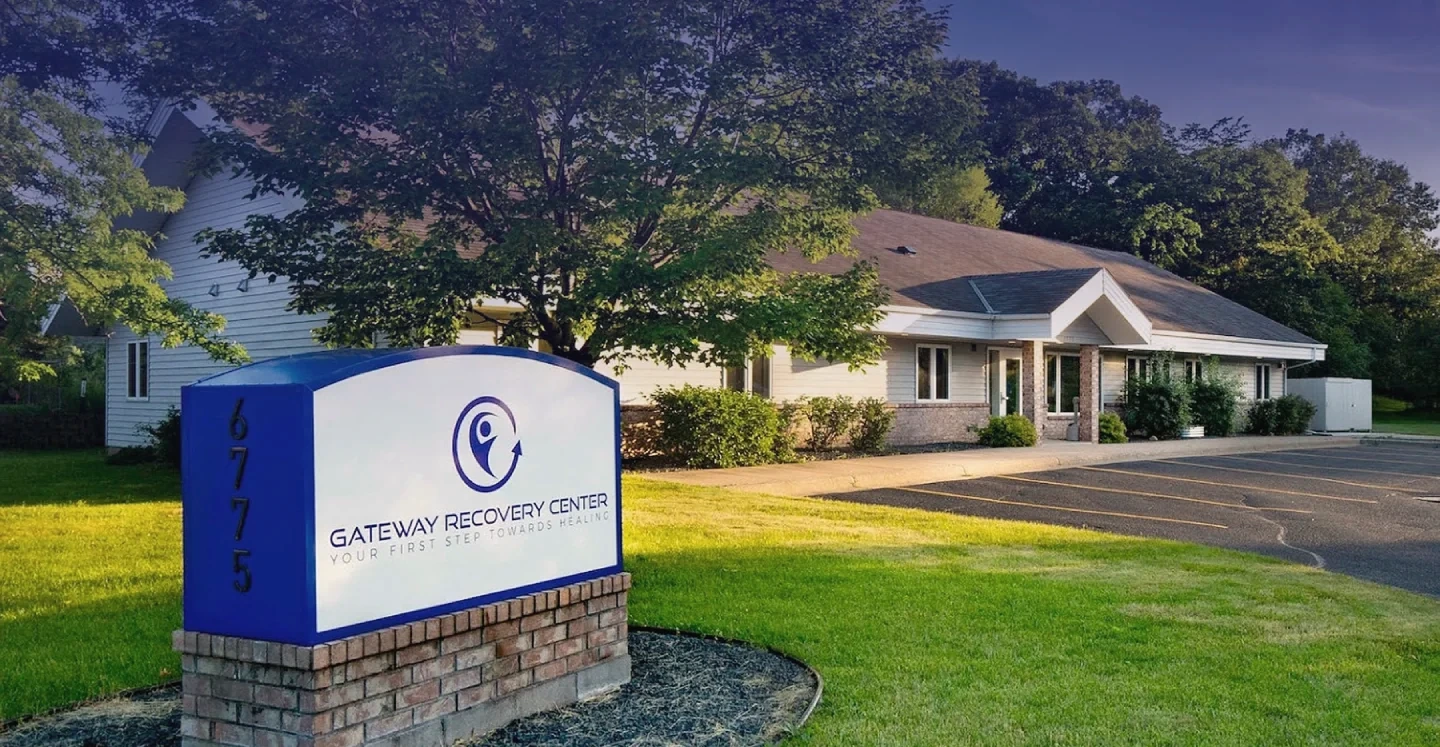


EOSIS Gateway – Inver Grove Heights 3 photos


Comparison facts and sources
Co-ed residential detoxification setting. Other EOSIS residential rehabilitation and outpatient sites are separate services. · Inver Grove Heights, Minnesota detox campus; intake 952-843-4149.
- Published fee information
- Quote required
- Before admission
- This profile concerns the Inver Grove Heights detox campus. Other EOSIS programs have separate locations, admission requirements, schedules and financial arrangements. Individual detox duration and the appropriate next step require assessment.
- Continuing care
- The campus assigns a Continuing Care Coordinator. Confirm the next treatment location and programme rather than assuming longer residential rehabilitation occurs here.
Source record · October 19, 2026
Official Gateway scope and continuing-care information reviewed October 19, 2026. Confirm admission suitability, the receiving location for subsequent treatment, and individual coverage and costs..
Luxury rehab comparison · Fees and inclusions · Selection methodology
Gateway Recovery Center in Inver Grove Heights now operates as EOSIS Gateway.
The current campus page describes a co-ed, medically monitored detoxification facility for adults 18 and older. EOSIS residential rehabilitation and outpatient programs are provided at other named locations and are not assigned to this Inver Grove Heights detox campus.
EOSIS publishes 952-843-4149 for intake. The provider is in network with many insurers and says this location accepts Medicaid, but coverage and out-of-pocket costs are plan-specific. Detox duration is set by medical need, and the campus coordinates appropriate next-step care.
Gateway’s role within the EOSIS network
The Inver Grove Heights campus page identifies EOSIS Gateway as a co-ed detox service for adults age 18 and older. Medical providers assess each person’s needs, and the campus welcomes walk-ins. Its named support roles include an admissions representative, medical staff, a clinical case manager, and a continuing care coordinator.
These roles help explain the purpose of a Gateway stay: medical stabilization and preparation for an appropriate next step. Longer residential rehabilitation and outpatient programs elsewhere in EOSIS should be identified by their own locations when discussing a treatment plan. Before traveling, establish whether Gateway can manage the current situation, how arrival is arranged, and what information the medical team needs. A walk-in policy does not establish immediate acceptance for every medical condition or available space at every moment. Anyone comparing programs should distinguish the initial detox setting from the place where subsequent therapy, accommodation, or outpatient appointments would occur.
Medical stabilization connects with case management and continuing care
The dedicated detox description explains that medical staff work directly with guests during withdrawal management. Case managers provide individual and group support based on each person’s history, current circumstances, and goals. Continuing care coordinators then arrange an individualized plan for what follows the stay.
The possible next steps listed are broad: residential treatment, PHP, outpatient care, mental health care, therapy, psychiatry, and several forms of housing or recovery support. These are potential referrals, not a promise that Gateway itself delivers every service. Discuss which next step is clinically appropriate and what has actually been arranged. The plan should identify a receiving service, appointment or arrival date, transport needs, and the person responsible for the handover. Where family members, employers, or referring professionals are involved, clarify the patient’s preferences and information-sharing arrangements. Planning for the transition is a separate task from completing the immediate withdrawal-management phase.
A self-assessment is an entry point to a professional evaluation
EOSIS’s seeking-care resource distinguishes an online self-assessment from a professional substance use assessment. It says licensed alcohol and drug counselors provide confidential assessments at its outpatient facilities, with diagnostic evaluation, treatment recommendations, and referrals. The network also describes using placement criteria to decide the appropriate level of care.
For someone uncertain whether to contact Gateway, the useful question is what assessment is needed and where it will take place. A questionnaire cannot establish that detox, residential treatment, or outpatient care is automatically the right choice. Explain how substance use affects health, daily activities, relationships, and safety, including concerns that may not be visible to others. Previous attempts to change use are relevant information, without being a test of motivation or character. Ask whether a recent outside assessment can be used and whether a separate appointment is required before a planned admission. Keep the assessment location distinct from the proposed treatment location.
The intake review considers circumstances beyond substance use alone
The professional-assessment page describes an intake discussion covering physical and mental health, readiness for change, recovery surroundings, strengths, and barriers. Additional clinical review may be needed before the team settles on the appropriate service. Scheduling and transport assistance are discussed as parts of the process when applicable.
Prepare a clear account of current prescriptions, recent use, prior treatment, medical concerns, and the support available outside treatment. Practical obstacles such as mobility needs, work obligations, or a difficult home environment can affect the recommended plan. Ask which records the team needs and how they should be shared securely. If another clinician is already involved, coordinate the handover instead of assuming an online inquiry transfers the relevant history. An initial screening conversation should lead to an explanation of the recommended service and any remaining assessment steps. It should also make clear when the team needs more information before confirming a placement.
Admission arrangements should identify the actual receiving service
The EOSIS admissions page describes screening for clinical needs, goals, eligibility, and the treatment environment. It connects scheduling with a confirmed care plan and insurance or payment arrangements. The team may also help organize transport logistics, but the page does not establish one transport entitlement for every applicant.
Obtain the campus name, arrival instructions, expected assessment steps, and a contact for questions before departure. Ask which items and medicines to bring, how existing prescriptions will be reviewed, and what happens if the recommendation changes during assessment. Transport coordination, a clinical appointment, and a funded admission are different arrangements; confirm each one that the plan depends on. EOSIS also states that a signed release is needed before it discloses information about a current or prospective patient. Family members can discuss how to offer relevant information while respecting the patient’s preferences. Consent and communication arrangements should be settled directly with the team rather than inferred from a relative making the initial call.
Professional referrals can include an existing assessment
The referring-client instructions provide an admissions screening form and a route for sending an existing assessment. Referring professionals can contact the access team to discuss a patient and the next steps. This gives a clinician a more specific starting point than simply directing someone to a general network homepage.
A useful referral explains the immediate concern, relevant health history, current treatment, and the reason Gateway or another EOSIS service is being considered. Confirm how the receiving team will acknowledge the information and communicate its decision. The referring service should know whether an assessment, medical review, or funding authorization remains outstanding. When treatment begins elsewhere after detox, the referral may need to cover two transitions rather than one. Keep the patient involved in understanding those arrangements. Sending documents does not itself confirm acceptance, an available bed, or a particular length of stay; those decisions require direct communication with the receiving program.
Insurance participation varies across EOSIS locations
The payment resource says coverage varies by location and that EOSIS works with many insurers. It identifies Medicaid acceptance across its locations except Beauterre. That network statement supports asking about Gateway’s participation, while the actual policy and proposed service still need individual verification.
Request information for the detox admission at Inver Grove Heights, including the billing provider, authorization requirements, and expected personal responsibility. If residential or outpatient care is planned afterward, verify that service separately because its location and benefits may differ. Ask which medicines, assessments, and professional services are included in an estimate and which charges may arise separately. The reviewed page does not establish one universal cash price or a guarantee that an insurer will pay for every recommended day. Keep any discussion of possible agreements with an insurer separate from confirmed coverage. Written program-specific information makes a comparison more useful than a list of insurer logos.
Family education is available beyond a patient’s treatment sessions
The family-education service welcomes relatives and other important supporters even when their loved one is not an EOSIS patient or is not in treatment. The provider publishes virtual sessions on the first and third Wednesdays, from 4 to 7 p.m. CST, and describes topics such as substance use, mental health, communication, family roles, and boundaries.
Check the current calendar and time-zone instructions before joining. These sessions are educational and are explicitly not discussions of an individual patient’s case. They therefore serve a different purpose from a confidential clinical update or a joint appointment with a treating professional. A supporter can use them to understand their own concerns and develop more workable communication without needing access to another person’s medical information. The program’s broad definition of family includes partners, friends, mentors, and others with close emotional ties. Ask separately about any patient-specific family meetings during a Gateway stay and how those are arranged.
Alumni connection is separate from prescribed follow-up care
The EOSIS Alumni Collective describes a network-wide community, including people who completed treatment, transferred elsewhere, or attended briefly. It lists a Tuesday noon virtual recovery group and changing in-person events across Minnesota. The virtual gathering is described as an informal check-in rather than a 12-step meeting.
Someone leaving Gateway can ask how to access this community and which events are suitable for their circumstances. Confirm the current schedule, meeting invitations, and any location-specific arrangements rather than rely on an old event listing. The network says alumni from its different programs can attend events beyond their original campus. That may help maintain connection after a move or transfer, but it does not replace appointments identified in the continuing care plan. Keep therapy, medication follow-up, and other clinical responsibilities clearly assigned. Participation in a group or newsletter should also reflect the individual’s preferences about contact and sharing their experience.
Medication support and the level of monitoring are distinct questions
The network program overview describes medication-assisted treatment across EOSIS and identifies Gateway facilities for medically monitored services when needs are more complex. It lists detox-related clinical case management, individual therapy, education, peer groups, and continuing care coordination. Those descriptions explain why the level of monitoring matters when comparing a detox campus with another network program.
Ask the clinical team how current prescriptions and any treatment for a substance use disorder will be managed during the proposed stay. Do not interpret a broad medication statement as a confirmed list of medicines available at every location or as a reason to change existing treatment independently. The discussion should identify the appropriate setting, the responsible medical professional, and the plan for prescriptions after transfer. Counseling and peer support can occur alongside medical stabilization, but their presence does not make all network services interchangeable. A clear recommendation explains both the immediate medical support and the continuing treatment that may be needed afterward.
Residential rehabilitation may be the next placement at another campus
The residential-program description identifies separate EOSIS locations and distinguishes higher- and lower-intensity residential services. It describes integrated attention to substance use and co-occurring mental health concerns. Lower-intensity residential programming is described as typically involving about ten treatment hours each week, with the actual plan depending on the service.
For a referral after Gateway, ask which named campus is proposed and why its intensity fits the assessment. A general residential label does not establish the same therapy schedule, population, accommodation, or payment arrangements across all EOSIS sites. Confirm how clinical information and prescriptions will transfer, whether admission is accepted, and who coordinates travel. If there will be a gap between programs, establish an appropriate interim plan with the treating team. These details are especially relevant when relatives expect the entire treatment course to occur at Inver Grove Heights. The detox stay and a subsequent residential placement should remain separately identifiable parts of the plan.
Outpatient treatment and recovery housing require separate arrangements
The outpatient resource describes individual and group therapy, education, relapse-prevention planning, and care coordination. It also lists a virtual IOP for Minnesota residents with internet access, scheduled Monday through Thursday from 8 a.m. to noon. EOSIS explicitly says outpatient treatment does not supply lodging, although it can make housing referrals.
After detox, establish whether the proposed outpatient program is in person or virtual, its current schedule, and the setting where the person will live between sessions. Confirm the published time zone, attendance expectations, and whether clinical needs can be managed outside a residential environment. A housing referral should identify the operator, rules, costs, transport, and medication arrangements independently of the treatment schedule. Do not assume an outpatient authorization includes accommodation. The network notes that time in treatment can decrease as clinical milestones are reached; ask how those milestones are assessed and how changes will be communicated. The transition should work practically as well as clinically.
Specialized tracks must be matched to their own locations
The specialized-program page describes several population-focused services. Its program for licensed professionals is specifically located at Beauterre in Owatonna and discusses work-related concerns, regulatory requirements, and return-to-work planning. Those details should not be assigned to the Gateway detox campus simply because both belong to EOSIS.
A professional seeking help can ask the Gateway team how stabilization might connect with a suitable continuing program. Establish which service provides any occupational assessment, what documentation may be needed, and who communicates with an employer or professional body when authorized. Participation in treatment does not by itself establish permission to return to work or guarantee a regulatory outcome. The same location-specific approach applies when considering other specialized tracks advertised by the network. Ask where the service operates, who it accepts, and how it fits the individual’s care plan. A tailored referral is more informative than assuming every specialized program is available during the initial detox stay.
Official EOSIS information reviewed October 19, 2026. Confirm the receiving campus, medical suitability, current schedules, referral acceptance, and individual financial terms directly.
Official sources
Sources checked October 18, 2026.