English Mountain Recovery

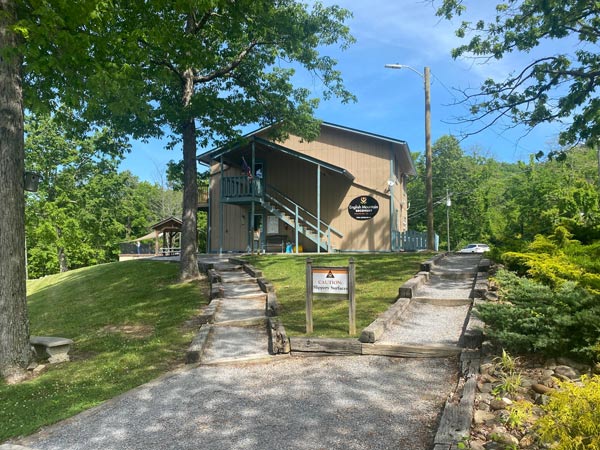
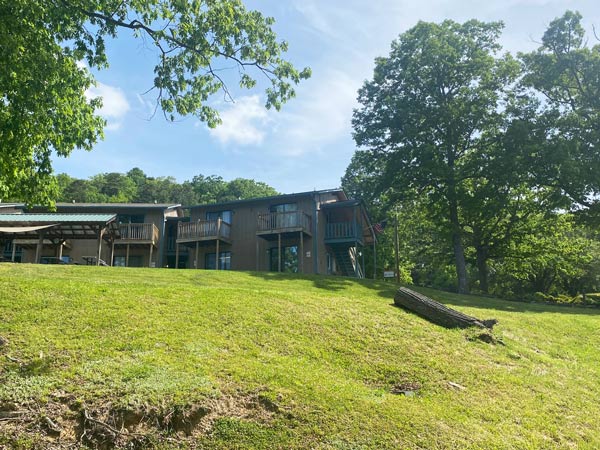
English Mountain Recovery 3 photos
Comparison facts and sources
Adult addiction-treatment provider near Knoxville with residential and outpatient services at Alpine Drive and a separately listed detox location on Middle Creek Road. · 1096 Alpine Drive, Sevierville, Tennessee 37876
- Published fee information
- Quote required
- Before admission
- The profile address is Alpine Drive. The provider separately lists detox at 681 Middle Creek Road, while one current residential page also describes detox beds; confirm the actual admission location rather than assuming on-site detox at Alpine Drive.
- Continuing care
- Every residential participant receives transitional care, which can include ongoing-therapy referrals, extended-care options and sober-living recommendations; the provider also operates alumni programming and a CaredFor app.
Source record · October 15, 2026
Provider-published information checked October 15, 2026. Confirm program location, duration, insurance authorization, included services and personal cost directly with English Mountain Recovery.
Luxury rehab comparison · Fees and inclusions · Selection methodology
English Mountain Recovery is an adult addiction-treatment provider in Sevierville, Tennessee. Its residential and outpatient campus is at 1096 Alpine Drive, while medical detoxification is provided at a separate site at 681 Middle Creek Road. Admissions criteria published by the provider require clients to be at least 18, medically and psychiatrically stable, and willing to participate in recovery.
Residential program and admissions
The residential program uses a 12-step framework with individual, group and experiential therapies, relapse prevention, family support and treatment for co-occurring conditions. English Mountain says residential treatment typically runs for 21–28 days, with the actual plan tailored to insurance, health history and addiction severity. The provider also advertises outpatient care, gender-specific programming and a specialized track for veterans and first responders.
English Mountain accepts and processes medical insurance and says program discounts may be available. Benefits, authorization and personal costs must be verified with admissions; no standard cash price is published.
Residential treatment and the published three-to-four-week plan
The English Mountain residential program describes a typical twenty-one-to-twenty-eight-day stay, with treatment adapted to health history, substance use, clinical needs, and funding arrangements. Its approach combines a twelve-step framework with individual, group, and experiential work. It also describes transitional care that may include therapy referrals, extended-care options, or sober living recommendations.
The published range is useful for initial planning, but it should not be interpreted as a guaranteed completion date. Ask how the team reviews progress and what would lead to a different duration or level of care. A sample weekly schedule can clarify how much time is spent in individual appointments, facilitated groups, activities, and rest. It is also useful to establish the purpose of the next stage before the residential period ends. Someone returning to another state needs more than a general recommendation to continue treatment: the plan should identify available providers, appointment arrangements, and how relevant information will reach them with permission.
Detoxification has a separately published location
The dedicated medical detox page identifies a facility near the main campus and lists 681 Middle Creek Road in Sevierville. It describes continuous nursing and support staff availability, medically assisted opioid withdrawal care, and supervised alcohol or benzodiazepine withdrawal management. This location should be distinguished from the Alpine Drive address associated with the residential campus.
Confirm the actual arrival address and sequence of care during assessment. Some broader program pages discuss detox and residential beds together, which does not by itself establish that every service occupies the same building. Ask who provides medical oversight, how current prescriptions are reviewed, and what would require a different medical setting. If residential treatment is expected afterward, clarify whether a transfer is needed and how the handover works. The person’s recent use, health history, and previous withdrawal complications should inform the plan. A program description cannot establish a safe individual withdrawal timetable, and urgent symptoms should be assessed medically rather than managed while waiting for an ordinary residential admission.
Admission criteria and information to prepare
English Mountain’s admissions requirements specify adults eighteen and older who are medically and psychiatrically stable enough to participate and prepared to engage in a recovery program. The clinical team reviews suitability and says it can help identify another service when English Mountain is not the appropriate setting. These criteria make the assessment more important than the broad range of conditions mentioned elsewhere on the website.
Explain current symptoms, medications, recent hospital care, physical limitations, and previous treatment. Ask whether any preliminary assessment or stabilization is needed and which documents should be shared before arrival. Someone arranging care for a relative should distinguish willingness to explore treatment from a completed admission decision. Also clarify the packing rules, medication procedure, and permissions for communicating with supporters. If the assessment recommends a different setting, ask how that referral will be coordinated. The purpose is to match the immediate need with the available support, rather than treating a remote mountain location or an appealing residential environment as sufficient evidence that the program can manage every clinical situation.
Virtual IOP and the weekly evening commitment
The virtual intensive outpatient program publishes sessions on Mondays, Wednesdays, and Fridays from six to nine in the evening in its stated Eastern schedule. English Mountain describes individual counseling, groups, and educational work through an online platform. This gives prospective patients a concrete weekly commitment to consider alongside work, family, and other appointments.
Confirm the current timetable, time-zone interpretation, and the locations from which participation is permitted. A Tennessee program description does not automatically establish eligibility while living in another state or traveling. The person also needs a private place to attend, a reliable connection, and enough support outside sessions. Ask how psychiatric appointments or prescribing are coordinated and how the team handles missed sessions or an urgent concern. Virtual IOP is an outpatient service; it does not provide overnight supervision or remote medical detox. For someone stepping down from residential care, the transition should identify the first session and the clinician responsible for continuing care rather than assume that an online option is automatically suitable.
Understanding the gender-specific program structure
English Mountain’s gender-specific treatment information describes separate programming for men and women and discusses how group settings can affect comfort when addressing relationships, trauma, and personal experiences. This is part of the provider’s stated treatment model. It should not be used to assume that every person of the same gender has the same needs or will prefer the same therapeutic environment.
Ask how groups and accommodation are organized in the proposed program and which activities are shared. A person with particular privacy, safety, or gender-related concerns should be able to discuss placement respectfully during assessment. The individual clinical plan still needs to reflect symptoms, history, treatment goals, and preferences. It is also useful to clarify whether the same clinician provides individual work and how that work relates to group sessions. The value of understanding the program structure is practical: it allows someone to assess whether they can participate openly and comfortably. The arrangement should be explained precisely rather than inferred from general statements about men’s or women’s treatment.
Equine interaction as a defined part of the program
The provider’s Equine Interaction Experience describes supervised activities with horses that explore communication, trust, boundaries, and group relationships. English Mountain presents this as an experiential component alongside its other treatment services. The presence of horses and outdoor space does not establish that every patient will undertake the same activity or that equine work replaces clinical treatment.
Ask what a session involves, who facilitates it, and how its purpose connects with the individual treatment plan. Someone with mobility limitations, allergies, anxiety around animals, or little experience with horses should discuss those needs in advance. Clarify whether participation is optional, what alternatives exist, and whether the activities involve riding or work from the ground. It is also useful to know how experiences are discussed afterward and linked to everyday behavior. The program should explain that process rather than rely on a promise that contact with an animal will resolve addiction or trauma. A meaningful comparison looks at the role of the activity within a wider, coherent treatment plan.
Co-occurring care and the limits of a residential episode
English Mountain’s co-occurring disorders program describes addressing mental health concerns alongside substance use during residential treatment. It also recognizes that some of this work continues with clinicians near the patient’s home after discharge. That distinction matters for someone whose psychiatric care is likely to extend beyond a single residential stay.
Ask how the team evaluates symptoms, reviews existing diagnoses, and coordinates medication or outside psychiatric treatment. A list of conditions does not establish the program’s ability to manage every degree of severity. The assessment should explain what can be addressed within the proposed setting and what would require another service. Where a person already has a therapist or prescriber, agree on how those professionals will remain involved and receive relevant records with consent. Before discharge, identify follow-up appointments and responsibility for any new prescription. Integrated care means coordinating the substance use and mental health parts of the plan; it should not be presented as a guarantee that all psychiatric difficulties will resolve within the advertised residential timeframe.
Alumni contact, the CaredFor app, and continuing support
The English Mountain alumni program is offered after completion of any level of treatment and is described as available without an additional charge. Its resources include an alumni coordinator, the CaredFor community app, newsletters, and in-person activities. The coordinator can help graduates find meetings, connect with other alumni, and locate recovery resources.
Ask how enrollment works and which options remain accessible from the place the person will live after treatment. Someone returning far from Tennessee may rely more on online contact than local events. The app and alumni community should be distinguished from clinical appointments, prescription management, or an emergency service. A practical discharge plan can include both: scheduled healthcare follow-up and opportunities for community connection. Clarify what happens if a graduate needs a new assessment or a higher level of support. Participation can provide a familiar point of contact, but it should not be assumed to deliver unlimited therapy or to guarantee that further treatment will never be needed. The arrangement works best when its role is understood clearly.
Insurance estimates and the admission agreement
English Mountain’s insurance verification guidance explicitly distinguishes a benefits review from a guarantee of payment. It explains that policies vary and that the patient’s financial agreement can leave a balance payable if insurance does not cover all treatment costs. This is an important qualification when comparing an initial estimate with the total proposed stay.
Request a written explanation of the recommended program, authorization assumptions, deductible, coinsurance, and any services outside the benefit. Ask whether detox and residential care require separate approvals and how costs change if the clinical plan changes. The estimate should also distinguish the current stay from later therapy, extended care, or sober living. If a discount or self-pay arrangement is proposed, obtain its terms and covered period in writing. A provider’s presence in an insurer network does not establish that every service or day will be funded. The useful comparison is the full care proposal and the patient’s responsibilities under it, rather than a broad statement that medical insurance is accepted.
Veteran-focused care and the Battle Buddies introduction
The veterans program describes addiction and co-occurring treatment, staff training through PsychArmor, and a Battle Buddies introduction during orientation. The provider says a newly admitted veteran may be paired with another veteran who has already completed part of the program. This offers a specific peer-support element alongside professional treatment.
Ask how that introduction works and which veteran-focused groups or appointments are currently available. A peer mentor has a different role from a therapist, prescriber, or case manager. The individual plan should still address the person’s substance use, psychiatric symptoms, physical health, and relevant service experiences. Confirm any benefits or referral authorization separately; the existence of a veteran-focused program does not establish approval for a particular admission. If ongoing care through another organization is involved, agree on communication and record sharing with permission. Before departure, identify who will coordinate follow-up close to home. The aim is continuity and a suitable therapeutic environment, without implying military endorsement, guaranteed recovery, or automatic eligibility for a particular funding route.
Source check: Official English Mountain Recovery pages reviewed October 19, 2026. Confirm the actual detox or residential arrival site, program schedule, clinical suitability, insurance authorization, and written financial terms.
Official information: residential treatment, admissions criteria and campus contacts. Admissions lists 877-615-8569. Sources checked on October 10, 2026.