Buffalo Valley
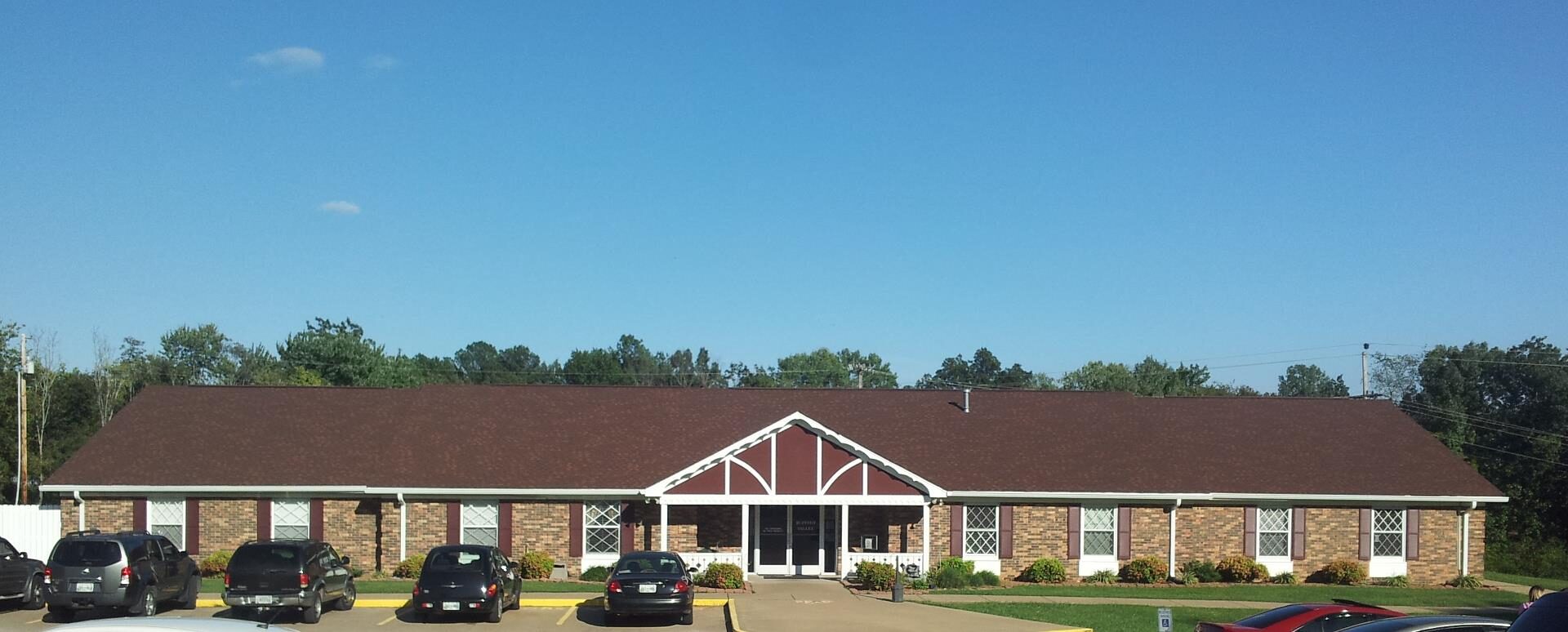

Buffalo Valley 2 photos

Comparison facts and sources
Tennessee nonprofit providing a multi-location continuum of addiction treatment, housing and supportive services. · Main office: 501 Park Avenue South, Hohenwald, Tennessee 38462; treatment and housing services span multiple Tennessee sites
- Published fee information
- Quote required
- Before admission
- The mapped Hohenwald address is the main office, not evidence that every treatment service occurs there. Residential programs operate at multiple locations; PHP and IOP are non-residential.
- Continuing care
- Step-down PHP, IOP and outpatient care plus housing and supportive services may form part of an individualized recovery plan.
Source record · October 14, 2026
Provider-published information checked October 14, 2026. Confirm program, site, housing, funding eligibility and clinical recommendation directly with Buffalo Valley.
Luxury rehab comparison · Fees and inclusions · Selection methodology
Buffalo Valley is a Tennessee nonprofit provider of addiction treatment, housing and supportive services. Its current website describes a multi-location continuum for adults with substance-use disorders and co-occurring mental health needs.
The treatment continuum includes medically monitored detoxification, residential rehabilitation, partial hospitalization, intensive outpatient and outpatient care. Official guidance says on-site detoxification can last up to five days and may be followed directly by residential treatment. IOP usually includes three approximately three-hour sessions each week, while PHP can run up to seven days a week; both allow participants to live outside the program.
Buffalo Valley lists residential programs in Hohenwald, Lewisburg and Clarksville. The mapped address is the provider’s main office at 501 Park Avenue South, Hohenwald, TN 38462, not a claim that every treatment service occurs at that administrative address. Admissions determines the appropriate program and site.
The provider is funded in part by a Tennessee state grant and advises uninsured people with opioid addiction to call about possible assistance. It does not publish one universal price; eligibility, funding and individual responsibility require confirmation.
A Tennessee network with treatment and separate support services
The Buffalo Valley website describes an organization established in 1979 that combines addiction treatment with housing and other support services. Its programs operate across different Tennessee locations. The range includes more intensive clinical care, outpatient treatment and services addressing practical needs such as stable accommodation.
This is a network profile, so the organization’s full service list should not be treated as the offering of one building. Ask admissions to identify the exact program and receiving address, including whether any housing is part of treatment or a separate arrangement. A person may need different services at different points, but access to one does not automatically establish eligibility for all of them. The provider notes state-grant support and possible help for uninsured people with opioid addiction; that is a reason to ask about assessment and funding, not a promise of free care. Confirm individual responsibility and the next clinical step before arranging travel.
The first screening helps identify the appropriate program
The provider FAQ describes a brief initial screening conversation and gives practical guidance on treatment locations, belongings and preparation. It distinguishes several types of care and their schedules. A short screening can start the process, but it does not replace the fuller assessment needed to decide which setting is appropriate.
Prepare information about current substance use, medical and psychiatric concerns, prescriptions, previous treatment and available support. Ask where the next assessment will occur and what documentation or personal items are needed. For someone coming from a hospital or another program, clarify how records and medication information will be transferred. A listed location or schedule is not a confirmation of a bed or appointment. Before arrival, obtain current instructions about transport, belongings and payment arrangements. If the proposed level of care differs from what the person expected, ask the team to explain the recommendation and any further assessment required.
Medically monitored detox has a distinct purpose
The detox page describes on-site withdrawal-management services with admission possible around the clock. It gives a period of up to five days, while noting that withdrawal and treatment needs vary between individuals. The program may lead directly into residential care when that is the appropriate recommendation.
Ask the clinical team how the person will be assessed, which medical needs the receiving site can manage and when hospital-level support would be necessary. The published duration is a planning description, not a personal prediction or an instruction for managing withdrawal alone. Current medications and previous withdrawal complications should be discussed before admission. Establish what happens after detox, including whether another program is recommended, whether a transfer is involved and how funding is handled for that next stage. Completing withdrawal management does not by itself settle the continuing treatment plan or provide an automatic place in every other Buffalo Valley program.
Residential treatment uses regular review of an individual plan
The residential-program page describes a setting with continuous support, assigned counseling and regular treatment-plan review. Its clinical approach includes individual and group work, relapse-prevention education, motivational approaches, family involvement and practical life skills. The provider also describes access to psychiatric and nursing input according to treatment needs.
Ask which site is being recommended and how its daily routine is organized. The balance of groups, individual appointments, medical review and recreation should be explained in relation to the person’s goals. Clarify accommodation, communication and visiting arrangements rather than assuming they are identical across locations. The residential page does not establish one fixed stay for every admission, so discuss how progress, clinical need and funding affect review and discharge. Before leaving, the person should understand the next appointments, medication arrangements and support needed outside the residential setting. Those details are more useful than treating a general program description as a guaranteed package.
Partial hospitalization allows participants to live outside treatment
The partial-hospitalization page describes treatment for people with mental-health and substance-use needs who continue living at home while attending the program. Attendance can be up to seven days per week. That figure refers to the weekly schedule; it does not mean the entire course necessarily ends after seven days.
Ask for the actual attendance days and hours at the receiving site, and discuss how the person will travel and remain supported between sessions. A daytime program requires a workable living arrangement outside clinical hours. The assessment should determine whether this level provides enough support or whether a more intensive starting setting is needed. If PHP follows residential care or detox, clarify the transition date, continuing medication review and any change in authorization or charges. The appropriate length of participation should be tied to the individual plan and review process rather than inferred from the maximum number of days advertised in a week.
IOP combines scheduled treatment with daily responsibilities
The intensive outpatient page describes morning or evening sessions lasting approximately three hours. It says there are usually three sessions per week, with additional sessions possible when needed. The program includes individual and group treatment, family work, case management and recovery-related education.
Confirm which schedule is currently available at the selected location and how attendance fits work, education, childcare or other responsibilities. The ability to remain at home does not mean treatment is an occasional drop-in service. Ask about expectations for participation, how progress is reviewed and which additional appointments may be part of the plan. Family involvement should be discussed with the person’s consent and needs in mind. If IOP is a step down from more intensive care, identify who coordinates the change and whether the same clinician will remain involved. Clarify the arrangements for concerns arising between sessions and for any later change in treatment intensity.
Co-occurring care considers both substance use and mental health
The co-occurring-disorders page describes treating substance-use and mental-health needs within a coordinated plan. It recognizes that symptoms can overlap and that assessment may require medical, psychiatric and counseling input. The aim is to understand the person’s combined needs rather than rely on a single label from a brief inquiry.
Provide the assessment team with previous diagnoses, current prescriptions and information about how symptoms and substance use have changed. Ask which professionals will review the plan, who manages medication and how outside clinicians will be involved when necessary. A broad description of co-occurring care does not establish that every Buffalo Valley site can manage every psychiatric severity or medical complication. Clarify the capabilities of the proposed program and any referral or transfer arrangements. Continuing care should address both sets of needs, including follow-up appointments and practical support after a residential or other intensive phase ends. The actual plan requires individual clinical assessment.
Block-grant priority is a funding pathway, not a price guarantee
The block-grant admissions page identifies priority categories within that funding route. Its ordering includes pregnant people who use drugs intravenously, other pregnant people with substance-use needs, and other people who use drugs intravenously, followed by additional categories described by the program. These are specific funding and admission priorities rather than a general invitation to bypass assessment.
Ask whether this funding route applies to the individual, what eligibility information is needed and which services it may cover. A priority category does not necessarily mean a bed is immediately available or that every related expense is funded. Clinical suitability and the receiving program still require confirmation. If insurance, another public program or self-payment is involved, ask how those arrangements interact with the proposed assistance. Obtain an explanation of any personal responsibility before admission. The provider’s published priorities can guide the questions, but they do not establish an individual award or a guaranteed treatment outcome.
Veterans’ housing and recovery support have their own arrangements
The veterans page describes services for veterans experiencing homelessness, including Patriot Place and housing-related support. Its discussion covers practical help with employment, transportation and community resources as well as connections to treatment. Named locations and housing arrangements should be checked individually rather than assumed to be interchangeable.
Ask which program is appropriate, what military-service documentation is required and whether any other eligibility conditions apply. Clarify the difference between an addiction-treatment admission and a housing placement, including who provides clinical care and how the two services coordinate. A housing opportunity does not by itself establish continuous medical staffing or a particular treatment schedule. Confirm room arrangements, costs, expected participation and the process for moving toward more independent accommodation. If another agency is involved in funding or referral, identify the person responsible for approval. The important next step is a program-specific assessment, not an assumption that veteran status alone guarantees every listed service.
Longer-term housing is separate from a residential treatment bed
The housing page describes accommodation programs with their own purposes and eligibility criteria, including HUD-related housing for older adults or people with disabilities. These services address a different need from a short clinical admission. Eligibility, rent, utilities and availability depend on the particular housing arrangement.
Ask which program is being discussed, how an application is assessed and whether there is a waiting list. Clarify who pays rent and utilities, what support is available and whether treatment participation is connected to the placement. Completing a Buffalo Valley treatment program should not be interpreted as an automatic entitlement to every housing option. If accommodation is part of discharge planning, establish a realistic alternative while any application is pending. The treatment team and housing staff may have different responsibilities, so identify the appropriate contact for each. A clear transition plan should explain both ongoing clinical care and where the person can safely live afterward.
Official Buffalo Valley information reviewed October 19, 2026. Confirm the receiving location, current schedule, clinical suitability, funding eligibility, housing arrangements and personal costs.
Official sources checked October 10, 2026: provider overview and funding context, treatment continuum, program schedules and locations, residential programs, and main-office contact.