Buena Vista Recovery
Comparison facts and sources
Chandler-specific substance-use treatment campus and Buena Vista's only facility currently admitting. Medical detox, residential, PHP, IOP and outpatient care are delivered under one roof. · 3033 S Arizona Ave, Chandler, Arizona 85286
- Published fee information
- Quote required
- Before admission
- This profile concerns the current Chandler campus. Other Arizona city pages are service areas. Ongoing psychiatric prescribing and sober housing involve outside providers; the location page also lists medication-assisted treatment among referral services. Confirm which medications are managed during detox and which prescribing arrangements require another provider. Published detox-duration estimates vary between pages, so the individual clinical plan and benefits authorization determine the actual stay.
- Continuing care
- Discharge planning starts during detox and residential treatment. The current aftercare page says ongoing psychiatric prescribing is arranged with outside providers, and the team refers to independently operated sober housing. PHP, IOP and outpatient therapy are advertised at Chandler; confirm each receiving service and appointment.
Source record · October 19, 2026
Reviewed October 19, 2026: Chandler’s current service boundaries, outside psychiatric prescribing and sober housing, and differing published detox estimates. Confirm individual suitability, receiving providers, available appointments, benefits, the actual stay and all costs..
Luxury rehab comparison · Fees and inclusions · Selection methodology
Buena Vista Recovery operates its current Arizona facility at 3033 South Arizona Avenue in Chandler. The provider identifies Chandler as its treatment campus; Phoenix, Mesa, Gilbert, Tempe, Scottsdale and other Arizona names on the site are service areas rather than additional facilities.
The Chandler facility publishes a full continuum under one roof: medical detoxification, residential treatment, partial hospitalization, intensive outpatient and outpatient care, with dual-diagnosis support and aftercare. It is open 24 hours, including holidays. Placement and duration depend on clinical assessment and insurance authorization.
Buena Vista offers free benefits verification and works with AHCCCS and commercial plans. Network status, covered level of care and personal cost vary by policy. Private-pay rates exist for detox and residential treatment, but the provider does not publish one universal rate.
The current treatment campus is in Chandler
The Chandler location page identifies the receiving facility at 3033 South Arizona Avenue. Other Arizona city pages describe areas served rather than additional current admission sites. That distinction matters for a family comparing distance, airport travel, visiting, and the practicalities of attending treatment after an inpatient stay.
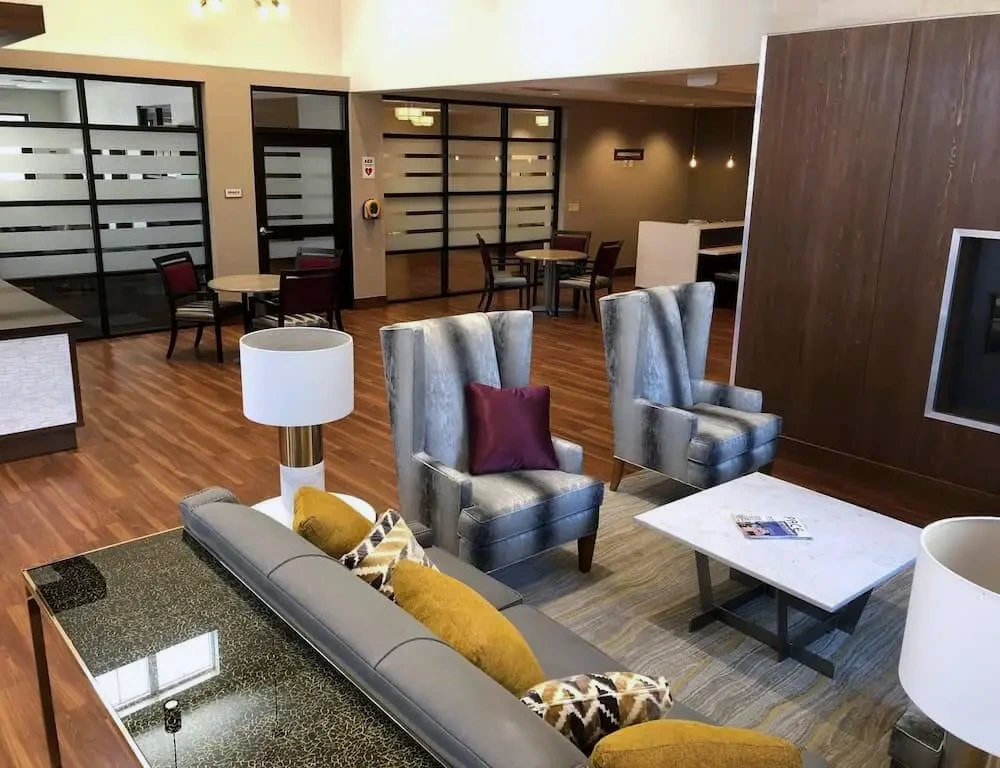
The provider describes detox, residential treatment, partial hospitalization, intensive outpatient care, and ordinary outpatient care at this campus. Sharing a building does not mean those services have identical hours, staffing, or accommodation. The clinical team should explain which level is being proposed and where the person will sleep. The page describes private rooms with their own bathrooms for inpatient care, along with meals and scheduled internet access. It also lists medication-assisted treatment and sober housing among services reached through referrals. Ask which prescribing arrangements require another provider. Obtain the specific receiving service and any outside provider’s details rather than assuming that a broad continuum includes every later treatment or living arrangement on site.
A phone inquiry leads to a separate clinical decision
Buena Vista’s admissions process begins with a brief call covering substance use, timing of recent use, current medications, mental health concerns, and insurance information. The provider advertises telephone access around the clock. It says same-day admission may be possible when a bed is available and the assessment, benefits check, and provider review are complete.
Calling does not itself reserve a bed or establish that the facility can manage the person’s needs. Share relevant medical and psychiatric information accurately so the team can determine the appropriate starting point. If someone is already in a hospital, ask the discharge planner to coordinate the handoff and necessary records. The admissions page discusses looking for another facility when waiting is unsuitable or there is no space. Confirm acceptance and arrival instructions before traveling, including any arranged pickup. A telephone assessment should not replace urgent medical care while waiting for a place, particularly when withdrawal or another acute health problem requires immediate evaluation.
Medical detox has its own monitoring and access rules
The medical detox page describes residential withdrawal management with continuous nursing and physician oversight. It publishes a usual estimate of five to seven days, while the campus page gives a slightly different range. The actual duration depends on clinical assessment and response; neither estimate should be treated as an instruction for managing withdrawal at home.
Ask how existing medication is reviewed, what monitoring is available overnight, and when transfer to a hospital would be necessary. The provider says detox patients have private rooms and bathrooms, but phones are not permitted during this phase. That differs from the scheduled phone access described for residential treatment. Families should establish an appropriate way to communicate through the team and know when ordinary contact can resume. Before arrival, provide a current medication list and discuss any established treatment with the prescriber. The next phase also needs a plan: completing withdrawal management does not automatically determine whether residential, outpatient, or another service is the appropriate next step.
Residential care combines therapy with daily living support
The residential treatment page describes a typical stay of around thirty days, sometimes extending to roughly forty-five when clinically appropriate. It lists two group sessions daily, individual therapy, and case management, with a private bedroom, bathroom, and meals. These are provider descriptions of the program, not a required timetable for every recovery journey.
The published model allows a transition from detox within the same building when residential care is recommended. Ask how the plan changes at that transition, which clinician is responsible, and how often the person meets individually with a therapist. Phone access is described during an afternoon-to-evening window, rather than throughout the treatment day. Confirm current device rules if work, caregiving, or another responsibility needs attention. Discharge planning starts during the stay, so discuss housing, follow-up appointments, and transportation before the final week. Also ask how clinical recommendations and insurer authorization are reviewed together, and what happens if the recommended care extends beyond the period initially approved.
Partial hospitalization requires an off-site overnight plan
The partial hospitalization program, or PHP, involves a substantial clinical day while the participant sleeps elsewhere. The provider describes using the same campus and clinical team as part of its continuum. A patient may live at home or need help arranging another place to stay.
The overnight arrangement is a central part of deciding whether PHP is workable. Ask about the actual weekly schedule, transport, evening support, and how medication or other medical appointments are coordinated. Someone who needs continuous observation may require a different setting, so the recommendation should follow assessment rather than a preference for fewer nights away. If sober housing is suggested, obtain the independent operator’s details and confirm its rules and charges. PHP coverage should also be checked separately from inpatient benefits; approval for a residential stay does not establish approval for every outpatient service. A written transition plan should identify the first appointment and who to contact if the person cannot attend or their needs change.
Intensive outpatient care has a different weekly commitment
The intensive outpatient program, or IOP, is presented as a way to continue structured treatment while taking part in life outside the facility. It involves recurring clinical sessions over the week, with a schedule that is less intensive than the full PHP day. The exact groups and appointment times should be confirmed before planning work, school, or childcare around them.
The provider discusses therapy, practical recovery skills, and continued support from its treatment team. Ask how much individual contact is included, how progress is reviewed, and whether any sessions are offered remotely to eligible patients. Online availability should be confirmed for the actual program rather than inferred from a testimonial. IOP itself does not include overnight clinical supervision. Buena Vista says it can help with housing referrals but does not operate sober living houses. Establish the cost and provider responsible for each component of the plan. That makes it easier to compare an outpatient clinical package with any separate accommodation or transportation being proposed.
Co-occurring mental health treatment has boundaries
The dual-diagnosis information describes treatment for substance use alongside concerns such as depression, anxiety, trauma, or bipolar disorder. It also says people seeking primary mental health care without a substance use problem may be referred to a more suitable specialist. The breadth of a condition list should therefore not be read as an offer of every form of psychiatric treatment.
Ask the clinical team how the particular diagnosis will be assessed and which professional is responsible for medication decisions. A person already working with a psychiatrist should arrange communication before admission, especially where maintaining an existing prescription matters. The website discusses coordinating outside psychiatric care as part of continuing treatment, so confirm which services occur during the stay and which require another provider. Also disclose recent hospitalization or urgent safety concerns so the receiving team can determine whether this level is appropriate. An addiction rehabilitation admission is different from emergency psychiatric evaluation, and an ordinary inquiry should not delay urgent care when immediate safety is in question.
Published private-pay rates are starting points for a written quote
The private-pay page currently describes approximate day rates of $1,000 for medical detox and $750 for residential treatment. It gives examples of roughly $7,000 for seven detox days and $22,500 for thirty residential days. Those examples are not a universal bill or a recommended length of treatment.
The listed inpatient rates include the room, meals, and clinical care, with withdrawal medication and medical supervision described for detox. Buena Vista says a combined detox-and-residential stay can cost less than pricing the two separately, but it does not provide one combined amount for every admission. Request the complete figure in writing after assessment, along with payment timing and what would change the estimate. The page states that care and accommodation are the same regardless of whether a person pays privately or uses insurance. Ask about additional outside services, housing after discharge, and any other costs that are not part of the quoted inpatient period.
Insurance verification is specific to the proposed care
The benefits verification page distinguishes network status, covered treatment level, authorization length, and personal cost. It identifies Banner University Family Care among current arrangements and says other contracts are being reinstated following Chandler’s reopening. A list of familiar insurer names is therefore not enough to establish coverage for a particular member.
Ask admissions and the plan to confirm the receiving facility, the service being authorized, and the expected deductible or coinsurance. Detox, residential treatment, and subsequent outpatient care may need separate approval. If a plan is not in network, request a clear explanation of alternatives and potential personal responsibility before committing. The provider describes the check as free and without a treatment commitment. It is useful to keep the written estimate and relevant plan confirmation together, particularly when a family member is helping arrange payment. Coverage can change as treatment progresses, so establish who explains extensions, level changes, or noncovered services and when those decisions will be discussed.
Discharge planning includes outside providers
The aftercare page describes case management beginning in detox and residential care. It discusses arranging ongoing therapy, a primary care provider, psychiatric care where needed, transportation, and a suitable place to live. It explicitly says psychiatric prescribing is arranged outside the program. Patients should clarify the responsible prescriber rather than assume all ongoing medication services remain inside the campus.
The provider also says it refers to independently operated sober housing instead of running those houses itself. A referral should identify the actual operator, availability, cost, and any clinical requirements. Where the next treatment is Buena Vista PHP, IOP, or outpatient care, obtain the confirmed schedule and handoff rather than relying only on the promise of a continuum. Family participation in discharge planning depends on the patient’s wishes and appropriate consent. A useful plan names the next appointments, the professionals responsible, and the steps to take if an appointment or living arrangement falls through after leaving.
Official Chandler program, admissions, cost and continuing-care pages reviewed October 19, 2026. Published prices and durations are examples; confirm clinical suitability, current benefits, outside services and the complete individual estimate.
Related guides: alcohol treatment and dual-diagnosis treatment.
Sources
Official provider pages checked October 7, 2026: current Chandler address, facility scope and levels of care; insurance, AHCCCS and private-pay guidance.