Brookdale Premier Addiction Recovery



Brookdale Premier Addiction Recovery 3 photos


Comparison facts and sources
Adult substance-use treatment campus providing medically managed detoxification and residential care. Brookdale also publishes a 30-day core program, a higher-touch Signature option, and specialized programming for veterans and first responders. · 2455 Back Mountain Road, Scotrun, Pennsylvania
- Published fee information
- Quote required
- Before admission
- The 30-day description is not a guarantee of clinical length. Eligibility, detox needs, level of care, extension and discharge pathway depend on assessment and progress.
- Continuing care
- Brookdale develops an individualized aftercare and continued-care plan before discharge. Options may include PHP, IOP, outpatient care, sober living, therapy, vocational or legal referrals, co-occurring care and peer-support groups; alumni support is also advertised.
Source record ·
Provider-published information checked October 14, 2026.
Luxury rehab comparison · Fees and inclusions · Selection methodology
Brookdale Premier Addiction Recovery
Brookdale Premier Addiction Recovery is an adult detoxification and residential substance-use treatment facility at 2455 Back Mountain Road in Scotrun, Pennsylvania. The former Discovery Addiction Services location URL now redirects to Brookdale’s current provider-operated website.
Levels of care and programs
The official page describes detoxification and residential treatment at the Scotrun campus, plus online intensive outpatient programming. It also lists specialized offerings including a 30-day Signature Program, a veterans and first responders program, family programming and alumni support. Eligibility, the recommended level of care and duration depend on assessment.
The current provider page publishes (855) 575-1292 for 24-hour admissions. It says it works with several major commercial insurers but is not contracted with Medicare or Medicaid. Coverage and personal cost must be verified directly; no current general self-pay price was confirmed.
Adult eligibility and the purpose of medical detox
Brookdale’s detox program describes a coeducational service for adults eighteen and older with substance use disorders. The intake team assesses the appropriate level of care, including people whose needs may differ from the program’s usual moderate-to-severe substance use population. The medical evaluation considers health history, current concerns, and co-occurring conditions rather than relying only on the substance involved.
The provider describes continuous medical and nursing supervision and a clinical liaison who offers education and counseling during detox. That liaison role is useful to clarify because the transition into further treatment begins before withdrawal management ends. Ask who reviews readiness for the next stage and how existing prescriptions or psychiatric care are coordinated. The description of prompt medical assessment should not be taken to mean the unit can deliver every hospital-level intervention. Explain previous withdrawal complications and current health needs before travel, and ask what circumstances would require a different medical setting. A safe admission depends on that individual assessment, not simply on an available residential bed.
Residential care and the plan beyond the campus
The Brookdale residential program describes a transition from detox once medical staff determine that the patient is ready. Clinical work continues through individual and group treatment, with attention to coping strategies and the circumstances associated with substance use. The provider also gives aftercare planning a defined role and describes relationships with outside continuing-care providers.
Ask how the initial assessment becomes a weekly schedule and how progress is reviewed. Someone who does not need detox should clarify whether they can enter residential care directly following assessment. Before discharge, the plan may involve partial hospitalization, intensive outpatient care, therapy, sober living, or vocational and other referrals. Those options do not establish that every follow-up service is delivered at the Scotrun campus. Obtain the name of the receiving provider, the first appointment, and the arrangements for transferring relevant information with consent. A useful residential plan connects the work inside treatment with the next environment, rather than treating completion of the stay as the end of all clinical responsibilities.
What distinguishes the Signature Program
The Signature Program publishes a thirty-day format with three to four individual sessions weekly with a primary therapist. Its description also includes peer recovery support, selected wellness services, and the ability to remain connected to necessary personal or professional obligations. These are specific features to compare with Brookdale’s broader residential offering rather than assume every admission includes the same schedule.
Request a proposal naming the Signature Program and specifying its clinical appointments, accommodation, and additional services. The page describes some wellness services at set frequencies and notes that additional massage can carry a separate fee. Clarify what is included in the quoted package and which activities are optional or require clinical approval. A longer list of modalities does not establish that each is necessary or equally suitable for a particular patient. Ask how the team selects the work and evaluates its relevance to the person’s goals. The published thirty-day format is a program description; assessment and progress still determine whether the planned duration and next level of care are appropriate.
Executive accommodation and maintaining essential contact
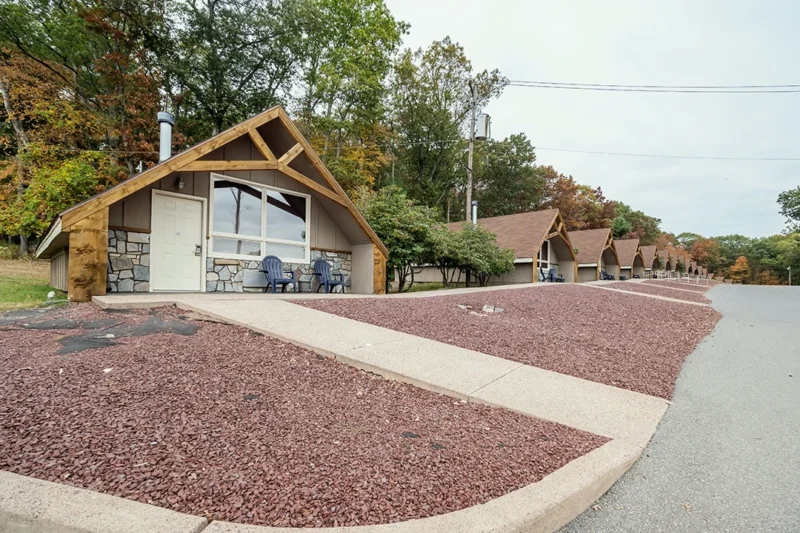
Brookdale’s executive program page describes private cabin accommodation with a bedroom, en-suite bathroom, living area, workspace, and Wi-Fi. It also discusses supporting essential personal and professional responsibilities during treatment. These details relate to the executive offering and should not be generalized to every room or admission at Brookdale.
Confirm the exact accommodation offered, current availability, and the rules for phone and computer use. A desk and internet access do not establish that a patient can work continuously or attend every meeting while completing treatment. It is useful to identify obligations that can be delegated and those requiring limited, planned contact. Ask how that plan fits around appointments and what would prompt the team to revise it. Also distinguish privacy arrangements for accommodation from permissions governing clinical information. An employer or adviser helping with logistics should not automatically receive treatment updates. The practical question is whether necessary responsibilities can be managed without displacing the clinical work for which the residential stay is being arranged.
The Stars and Stripes pathway for veterans and first responders
The Stars and Stripes program combines addiction treatment with attention to the experiences of veterans and first responders. Brookdale describes individual appointments, small groups, trauma-related work, family involvement, and practical coaching. Examples include help with financial tasks, employment preparation, and responsibilities that can be difficult to organize around demanding service roles.
Ask whether the proposed placement is specifically within this pathway and how its schedule differs from general programming. A shared occupational background can be relevant to group participation, but it does not replace individualized assessment of trauma, substance use, or other health needs. Clarify who provides the recommended therapy and how existing services will be involved. Funding requires a separate discussion: a veteran-focused program description does not establish that a particular benefit or referral has been approved. If professional duties, monitoring, or a return-to-work process are involved, ask what documentation the team can provide and who makes the final occupational decision. Treatment should not be presented as guaranteeing clearance or a particular employment outcome.
Family contact, education, and treatment sessions have different roles
Brookdale’s current family program distinguishes the primary counselor’s clinical role from the Family Department’s education, support, and resources. It describes initial counselor contact within seventy-two hours, Family Department follow-up within seven days, weekly Family Zoom support, and a Family Education Day. These are published service expectations to confirm for the individual admission and relevant privacy permissions.
Ask which activities include the patient, which are intended for relatives separately, and how attendance is arranged. A support group, an education day, and a joint clinical session serve different purposes. Family members may benefit from understanding communication, boundaries, and the practical changes accompanying a return home, while also obtaining support for their own concerns. The current page emphasizes helping relatives practice boundaries rather than take responsibility for controlling another person’s recovery. Before discharge, identify who handles appointments, what information may be shared, and where relatives can seek further help. That produces a more useful plan than assuming family involvement consists only of visits or agreeing to every request made during treatment.
Admissions and transportation should follow clinical acceptance
The admissions and transportation service describes an initial phone assessment, review of suitability, and scheduling of an admission date. Brookdale also offers transportation assistance and says its vehicles and drivers’ clothing avoid obvious rehabilitation branding. This is a practical privacy measure for travel, rather than an absolute guarantee about every aspect of confidentiality.
Before arranging collection, clarify who will travel, the pickup location, expected timing, and any charge. Explain medical or mobility needs that could affect the journey. A treatment-center transport service should not be assumed to provide emergency medical care or the same support as a clinical escort. Ask what happens if symptoms worsen or travel is delayed. The admission plan should also identify the documents, medication information, and personal items required on arrival. A relative coordinating logistics needs a clear contact and an understanding of what information can be shared with permission. Travel arrangements are most useful when they follow a confirmed, appropriate placement rather than become the basis for assuming that an admission has already been accepted.
Commercial insurance and the Medicare and Medicaid boundary
Brookdale’s insurance verification page states that it is not currently contracted with Medicare or Medicaid and can suggest other providers for those funding routes. It discusses commercial insurance verification and financing based on individual needs. The page’s possibility of reduced or zero personal cost is an example of what benefits may allow, not a promise applying to every patient.
Request an estimate tied to the actual policy and proposed program. It should identify the deductible, coinsurance, authorization, and services outside the approved benefit. If considering Signature or executive accommodation, establish whether any upgrade or additional service is billed separately. Ask how the team will explain changes in personal responsibility if the recommended level or duration changes. Someone paying privately should receive equivalent clarity about the covered period, included services, and extension or early-departure terms. Comparing two providers requires estimates for comparable care, rather than contrasting a commercial-insurance estimate with an unspecified cash package. The financial agreement should make the patient’s obligations clear before admission.
Who coordinates medical, nursing, and continuing-care work
The current Brookdale team page lists separate medical, nursing, clinical, care-coordination, alumni, and virtual outpatient roles. It identifies Douglas S. Coslett as medical director, Christine Kendzor as director of nursing, and Dawn Heimerle as senior clinical director. This helps distinguish responsibilities without assuming that a leadership listing determines every patient’s routine appointments.
Ask who will complete the individual assessment, serve as the primary counselor, manage prescriptions, and coordinate the next stage of care. If a concern arises between scheduled sessions, the patient should know which member of the team to approach. A family can also clarify which contact handles logistics and which can discuss clinical progress with permission. The page separately identifies care coordination and alumni services, useful distinctions when preparing for discharge. An alumni contact does not automatically replace an outpatient clinician or prescriber. The practical value of the team information lies in establishing clear responsibility and access within the proposed plan, rather than treating a list of names or credentials as a guarantee of a particular outcome.
Source check: Official Brookdale pages reviewed October 19, 2026. Program-specific accommodation, schedules, eligibility, insurance authorization, transportation, and financial terms require individual confirmation.
Official sources: provider overview and programs and contact, address and admissions; checked October 7, 2026.