BriteLife Recovery


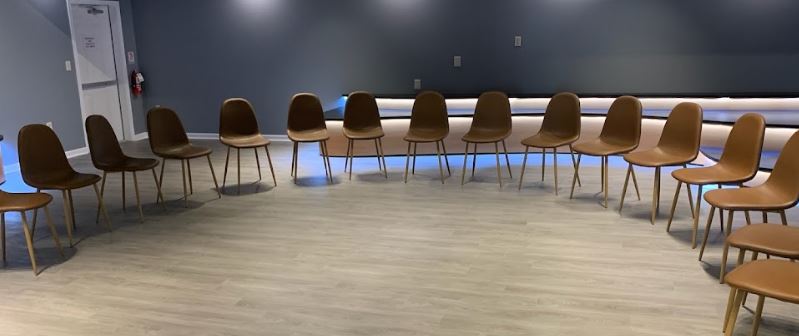
BriteLife Recovery 3 photos
Comparison facts and sources
Multi-state network record anchored to the Hanover campus, which provides co-ed medical detox and residential dual-diagnosis care; other locations have distinct programs. · Hanover campus: 544 Iron Ridge Road, Hanover, Pennsylvania 17331, United States.
- Published fee information
- Quote required
- Before admission
- Network-wide services must not be assigned to Hanover without campus evidence. Exact eligibility, stay, coverage, costs and taxes require individual confirmation.
- Continuing care
- Discharge planning starts on day one. Continuing care may include therapy, sober-living and community referrals; voluntary alumni programming is free for treatment graduates.
Source record · October 17, 2026
Scoped program, duration, aftercare, payer and fee review against current official pages on October 17, 2026; no all-fields claim..
Luxury rehab comparison · Fees and inclusions · Selection methodology
BriteLife Recovery is a multi-state addiction-treatment network. This directory record is anchored to its Pennsylvania campus at 544 Iron Ridge Road in Hanover, while the provider also lists sites in South Carolina and New York and advertises services in New Jersey.
The Hanover campus provides co-ed medical detoxification and residential treatment for substance use and co-occurring mental health needs. Its current campus page lists detox at typically 5–7 days and residential treatment at a 28-day average, with exact length individualized; alumni support continues after discharge.
BriteLife publishes 866-470-1464 for 24/7 admissions. The Hanover campus says it accepts most major insurance plans, including BlueCross BlueShield, Aetna, UnitedHealthcare, Cigna, Anthem, TRICARE, Optum and UPMC; benefits and client responsibility require verification.
This listing is anchored to BriteLife’s Hanover campus
The Hanover campus page identifies co-ed detox and residential treatment at 544 Iron Ridge Road. It describes several buildings, group rooms, an auditorium, common areas, and outdoor space. The current residential description includes individual therapy twice weekly, daily process and specialty groups, and nature-informed programming.
Those details provide a more useful starting point than treating every BriteLife location as interchangeable. Confirm the proposed accommodation, current group schedule, and clinical team for Hanover. The campus gives five to seven days as a typical detox period and twenty-eight days as an average residential stay, while recommending thirty days for comprehensive care. These are provider-described planning figures; the treating team reviews the individual duration. A published average does not determine medical readiness, insurer authorization, or the appropriate next step. Ask how the goals for the stay will be reviewed and what continuing care is likely to be needed afterward.
Detox includes medical monitoring and an initial care plan
BriteLife’s medical detox program describes an initial evaluation of substance use, health, previous withdrawal, and medication needs. It presents round-the-clock medical and nursing monitoring alongside early coping-skills groups as the person becomes able to participate. The group curriculum includes calming and creative activities, but clinical stabilization takes priority.
Before arrival, give the team accurate information about prescribed medicines, outside treatment, and any previous serious withdrawal complications. The team should decide whether detox is necessary and whether the available setting can meet the person’s needs. A typical duration should not be used to predict when a specific patient will be ready to move on. Ask how ongoing medication treatment is continued and how more complex medical needs are managed. As stabilization progresses, the receiving team should explain the next phase and the clinical handover. Detox addresses an immediate part of care; it is not a complete plan for every substance use or mental health concern.
Residential programming places substantial emphasis on groups
The residential program description presents group therapy as a central part of BriteLife’s model. It distinguishes process groups, sessions about relationships and communication, creative activities, and groups focused on addiction knowledge and coping skills. Individual therapy and psychiatric services are described alongside this shared program.
For someone comparing residential options, this is a meaningful distinction from an exclusively individual model. Ask for a current example week and the size and purpose of the groups offered. A group focused on practicing a skill differs from a private clinical appointment or a recreational activity. Discuss how participation is supported if the person feels anxious about speaking, has communication needs, or finds a particular topic difficult. The program also describes wellness services, but availability and suitability should be confirmed for Hanover. The timetable should make the balance between therapy, medical care, activity, and rest clear enough to evaluate against the person’s needs.
Mental health care should be matched to the actual admission
The mental health treatment page describes psychiatric evaluation, medication management, psychotherapy, and coordinated care. It also explains several levels of treatment across the wider service. This profile’s Hanover placement is anchored to addiction and co-occurring care; broad network descriptions do not establish that every standalone psychiatric presentation is suitable there.
Explain previous diagnoses, current symptoms, recent hospital care, and existing prescriptions during assessment. Ask who will provide psychiatric review and how that work connects with the primary therapist and medical team. If symptoms become more severe, the plan should explain when another setting or specialist service is needed. The relationship between substance use and mental health differs from person to person, so it should be assessed rather than assumed from a diagnosis list. When planning discharge, identify which concerns still need treatment and who will continue it. A coordinated plan is more informative than a general promise to treat the whole person.
Trauma-informed care concerns how treatment is delivered
BriteLife’s trauma-informed approach emphasizes assessment, stabilization, safety, choice, and coordinated support. The provider describes applying these principles across medical, psychiatric, clinical, and wellness services. It also distinguishes residential services in Pennsylvania, New York, and South Carolina from its outpatient offering in New Jersey.
Trauma-informed practice should not be interpreted as a requirement to disclose every difficult experience immediately or as confirmation that every patient needs intensive trauma processing. Ask how readiness is assessed and how the therapist explains any proposed approach. Practical questions include how preferences are respected, how distress during a session is handled, and what alternatives are available. Trauma may be relevant to a person’s difficulties without being assumed to explain every symptom or every substance use disorder. The useful test is how the principles shape the individual treatment experience: clear communication, appropriate pacing, and a plan that accounts for the person’s current health and support needs.
Nature-informed sessions have a curriculum and participation needs
The Nature-Informed Therapy page describes fourteen modules using outdoor experiences with therapeutic themes such as awareness, boundaries, self-compassion, grief, and managing emotions. The provider says clinicians lead the sessions and adapt activities to participants’ abilities and comfort. Its page refers to a fourteen-week curriculum, which should not be confused with a required fourteen-week residential stay.
Ask which modules are available during the proposed admission and how they fit around the clinical timetable. Someone with limited mobility, an ongoing physical condition, or discomfort outdoors should discuss appropriate adaptations before assuming the activity is either compulsory or unsuitable. Clarify weather arrangements and alternatives. Outdoor therapeutic work is also distinct from recreational excursions and demanding adventure activities. Its inclusion does not establish that a particular neurological change or recovery outcome will occur. The relevant comparison is whether the activity has an understandable therapeutic purpose, suitable oversight, and a practical fit within the person’s overall treatment plan.
CBT is described as practical work on patterns and responses
BriteLife’s CBT program information describes examining situations associated with substance use, identifying thoughts and responses, and practicing alternative ways of coping. It includes self-monitoring and planning for difficult situations. The provider says this approach is used with other therapies within its addiction treatment programs.
A useful clinical explanation should connect these methods to the person’s own goals. For example, a session may examine what happened before a recurring episode of use and develop a response that can be practiced in a comparable situation. Ask whether CBT is delivered individually, in groups, or both, and how work between sessions is reviewed. It should be collaborative and adapted to comprehension, concentration, and current symptoms. The fact that a program names CBT does not establish a fixed number of sessions or a guaranteed result. Clarify how it fits with medication, psychiatric care, and other approaches included in the proposed plan.
The Village family program includes free education and separate therapy
The BriteLife Village program describes a free five-week virtual education series for supporters, with topics including boundaries, family relationships, and recovery. It also offers virtual support for alumni families. These educational resources are distinct from individualized family therapy, which is arranged according to need and patient consent.
The current page identifies Ryanne Dunlop, LCSW-C, as director of family services and explains that a primary therapist can recommend joint or separate conversations. Ask how relatives register and which calendar applies, including the time zone. The published alumni-family sessions currently include Tuesday and Thursday options, but the actual schedule should be confirmed. Supporters can use education for their own understanding without assuming access to private clinical details. If joint work is proposed, agree who participates and why. A family program should support appropriate boundaries and communication, including situations where separate support is safer or more useful than a shared session.
Alumni connection complements continuing clinical care
The alumni program welcomes people who have completed treatment at BriteLife locations and describes virtual groups, ongoing support activities, and events. Its network-wide format can help someone remain connected after returning home. Participation can vary with personal circumstances and the available program calendar.
Clarify the current registration process, meeting times, and what support the sessions provide. An alumni group can offer contact with peers and an opportunity to discuss daily challenges, but it is not the same as a scheduled psychiatric assessment or an individual therapy appointment. Those clinical needs should have their own arrangements. If the person moves, ask which parts of alumni participation remain accessible and what local services need to be established. The provider’s language about lifelong connection should not be interpreted as unlimited free medical or psychological treatment. A practical plan distinguishes social connection, peer support, and professional care so that no important responsibility is left assumed.
Formal intervention support is coordinated with outside professionals
The intervention services page explicitly says BriteLife does not directly provide formal interventions. It describes helping families connect with intervention professionals and coordinating a transition when someone accepts treatment. The page identifies a preference for professionals with the Certified Intervention Professional credential.
This distinction matters when arranging support: ask who contracts for and delivers the intervention, what their role covers, and what charges apply separately from treatment. Preparation should consider the person’s health, possible intoxication or withdrawal, and any immediate risks. A planned conversation is not a substitute for urgent clinical assessment when that is needed. The page emphasizes a respectful approach and planning for acceptance, refusal, or a change in circumstances. Families should understand those possibilities without being promised that someone will agree to admission. Confirm the actual treatment offer before organizing travel, and keep the individual’s dignity, consent, and clinical needs central to the process.
Hanover’s continuing-care description requires an individual handover
A Hanover-focused continuing-care article discusses ongoing individual therapy, group support, and family services after detox and residential treatment. It presents weekly individual therapy as one possible option. That description is useful for planning, but it does not establish a universal free weekly appointment or an onsite outpatient place for every graduate.
Before discharge, identify the receiving clinician or program, location or remote format, appointment frequency, and any separate costs. Medication monitoring and physical healthcare should be included where relevant. A plan for returning to work or family responsibilities needs a realistic schedule and a clear response when more support is required. If someone is moving away from Pennsylvania, local treatment may be more practical than traveling back to Hanover. Ask how relevant records and recommendations will be transferred with consent. The aim is to leave with usable arrangements, rather than a general instruction to remain connected after the structured residential period ends.
Network amenities and clinical roles should remain campus-specific
BriteLife’s organization-wide overview describes distinct facilities in Hanover, Hilton Head Island, and West Kill. It identifies psychiatric resources and outdoor space in Pennsylvania, while other activities, capacities, and accommodation details are associated with different campuses. Those features should not be combined into one description of the Hanover service.
For example, an activity schedule or staffing figure published for New York does not establish the same arrangement in Pennsylvania. Ask for the program-specific team, rooms, activity options, and schedule being offered. The organization’s emphasis on relationships and connection describes its treatment philosophy, not a complete explanation of every person’s condition or evidence of a particular outcome. The final decision should rest on the assessed clinical fit and concrete services. Verify costs and insurer authorization for the actual location, and make sure any later move to another BriteLife service has its own confirmed admission and handover rather than being presumed from the shared brand.
Official provider information reviewed October 19, 2026. This listing remains anchored to Hanover, Pennsylvania. Network programs, schedules, availability, coverage, and individual charges require campus-specific confirmation.
Sources
Sources checked October 17, 2026.