Bowling Green Brandywine Treatment Center


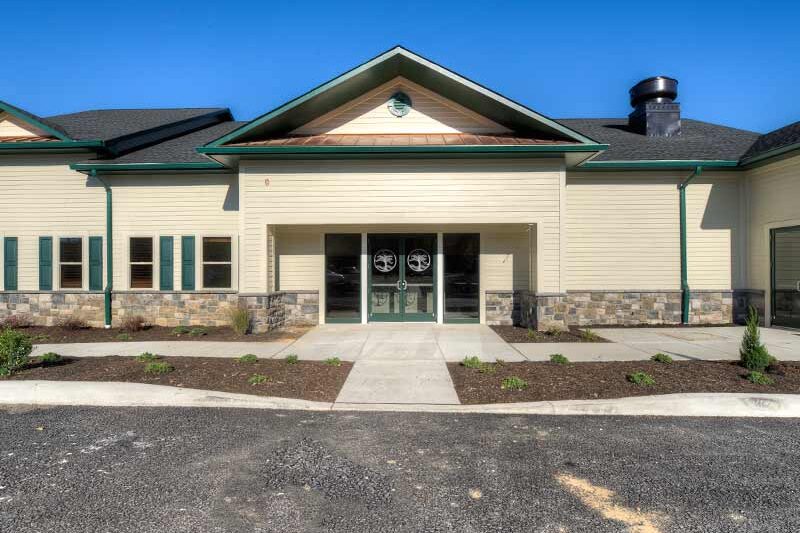
Bowling Green Brandywine Treatment Center 3 photos


Comparison facts and sources
Adult treatment campus offering medically monitored detoxification, inpatient rehabilitation, dual-diagnosis care and an adult-men’s partial hospitalization program. · 1375 Newark Road, Kennett Square, Pennsylvania 19348
- Published fee information
- Quote required
- Before admission
- PHP is a separate lower level of care for adult men, with off-campus housing and on-campus treatment. Published duration examples are not fixed courses or guarantees; confirm the individual plan and current housing arrangements.
- Continuing care
- Discharge planning and online recovery support are described; the exact continuing-care plan is individualized.
Source record · 2026-10-19
Reviewed October 19, 2026: Bowling Green’s program-specific durations and the distinction between PHP treatment and off-campus housing. Individual suitability, availability, insurance coverage and costs require confirmation; separately dated fee and other program details were not comprehensively rechecked.. Confirm current program eligibility, clinical recommendation and payer authorization directly with Bowling Green Brandywine.
Luxury rehab comparison · Fees and inclusions · Selection methodology
Bowling Green Brandywine Treatment Center is an addiction and co-occurring-disorders treatment provider at 1375 Newark Road in Kennett Square, Pennsylvania. Current official pages say it has served adults age 18 and older for more than 30 years.
The Kennett Square program includes medically monitored detoxification, inpatient rehabilitation and dual-diagnosis care for adult men and women. Bowling Green also offers a partial hospitalization program specifically for adult men, plus specialty services including trauma-focused and opioid-addiction care.
Bowling Green states that most major insurance plans and Union Trust funds cover its programs and publishes Medicaid and county-funding arrangements, but benefits and personal cost require individual verification. No universal self-pay price is published. Current program pages describe typical stays of about five days for detox, 21–28 days for inpatient rehabilitation and about ten days for PHP, with individual needs determining the actual duration.
Admissions and the records needed before arrival
The admissions criteria identify Bowling Green as a service for adults age 18 and older. The initial conversation covers substance use, psychiatric and medical history, and payment. Staff then determine whether an assessment or additional records are needed before the person can enter the proposed program.
Some pathways have specific documentation requirements. For a person already receiving methadone maintenance, the provider requests recent treatment records and confirmation that the existing clinic can receive the person again after discharge. Transfers from another inpatient service also require clinical information. Arranging those documents with the current team can prevent an avoidable gap in care. The website separates detox, rehabilitation, dual-diagnosis and PHP eligibility, so being suitable for one program does not establish acceptance into every level. Its dual-diagnosis criteria include addiction-treatment eligibility as well as a psychiatric diagnosis; this profile should not be interpreted as an unrestricted primary psychiatric hospital admission route.
Medically monitored detox and the next stage
The detox program page describes medically monitored withdrawal care for adult men and women. It lists assessment, medication management, counseling and groups, with psychiatric consultation when indicated. The page gives five days as a typical stay but expressly allows a different duration according to individual needs.
This is a program description rather than a personal withdrawal plan. The admitting clinicians should establish whether the person’s current medical needs can be managed here and what would require another setting. They should also explain how regular medications will be reconciled with the treatment plan. The provider describes possible transition into rehabilitation or dual-diagnosis treatment after detox, which requires its own clinical decision. A prospective patient should know whether a place in that next program has been arranged and whether funding must be reviewed again. Completing a period of withdrawal management does not by itself answer the longer-term treatment and support questions.
Inpatient rehabilitation combines individual and group work
The current inpatient rehabilitation description covers adults with substance-use disorders and co-occurring mental-health concerns. It says many stays are 21 to 28 days, with shorter or longer treatment possible. Individual plans may include weekly individual counseling, multiple groups, medication management and experiential activities.
The page offers concrete examples of creative work, including collaborative murals and individual reflection. Those activities help explain the program’s daily character but should not be treated as proven substitutes for indicated clinical treatment. Group topics include relationships, emotional regulation, relapse prevention and changing everyday patterns associated with substance use. Family sessions are arranged according to need, alongside a described Sunday family program. Before admission, discuss how individual appointments, psychiatric input and group participation will fit the person’s particular difficulties. Someone who needs significant adaptations for disability, communication or a co-occurring condition should obtain an explanation of those arrangements rather than assume that a standard timetable will automatically accommodate them.
PHP for adult men includes separate housing
The partial hospitalization page describes a step-down option for men who need further structure after addiction rehabilitation or dual-diagnosis treatment. It gives about ten days as an average, with the actual period based on individual needs. Participants attend approximately six hours of treatment at the center and stay in off-campus housing.
The provider describes staff transport between the residence, treatment and off-site recovery meetings, together with meals and monitoring at the residence. This is more specific than simply saying PHP means returning to one’s own home. It also remains a different setting from sleeping in the inpatient unit. Ask for the current housing address, staffing arrangements, bedroom setup, medication procedures and any separate charges. The published schedule includes individual counseling twice weekly and a group-based day. Confirm whether the person qualifies for this pathway and whether a place is available; its male-only admission scope should not be generalized to the center’s other adult programs.
The women’s trauma unit has a defined treatment context
The women’s trauma program describes a 19-bed wing for women age 18 and older dealing with trauma and substance-use concerns. It lists individual counseling, multiple daily groups, medical input, medication management and activities such as art, gardening and yoga. The provider also discusses detox and rehabilitation within this program.
The page calls the unit a distinct program, but that wording does not establish that it admits every person seeking standalone PTSD treatment without an addiction-related need. Confirm the current admission criteria and the main condition the team will treat. It is also useful to distinguish a trauma-informed environment from a specific course of trauma-focused psychotherapy: ask what approach is proposed, who delivers it and how readiness is assessed. Participation in groups should not be assumed to require sharing detailed traumatic experiences. The center’s published stay examples remain conditional, and the individual care plan should determine the pace, medical support and next steps.
Pregnancy care requires coordinated clinical planning
The pregnancy program description identifies additional support for pregnant adults receiving addiction treatment. It includes medical assessment, nutrition input, arrangements for obstetric appointments and individualized continuing-care planning. These are specific support services within the addiction program; the page does not establish that the rehabilitation center is a maternity hospital.
A pregnant patient should discuss the proposed admission with the relevant addiction and obstetric clinicians, including the location of examinations, arrangements for urgent concerns and continuity of prescribed medication. The website’s discussion of detox or medication changes should not be used as an instruction to alter treatment independently. Ask for the patient’s actual plan, including how existing prenatal care and any opioid-treatment program will be coordinated. The provider also describes arranging follow-up with a local methadone clinic when needed after discharge. Questions about delivery, newborn care or visits require current, individual answers rather than assumptions based on a general program page.
Opioid treatment and continuity of existing medication
The opioid-treatment page describes medically assessed withdrawal management and ongoing therapeutic work. It also says patients transferring with existing methadone or Subutex treatment may continue a verified regimen when the required records and return-to-clinic documentation are supplied. This is an important distinction from assuming that admission always requires stopping an established medication.
The treating professionals should decide how an existing prescription will be managed, with clear communication between the current clinic and Bowling Green. A website list of medication names does not establish which medicine is appropriate for a particular person or when it should be started. Before arrival, confirm the records required, the person responsible for verification and how the first scheduled dose will be handled. Discharge planning should be equally specific about the receiving prescriber or clinic. The program also describes individual, group and family interventions, which should be organized around the person’s needs rather than presented as a uniform medication or counseling package.
What the published daily timetable tells you
The example daily schedule shows a structured setting with morning routines, communal meetings, recovery education, groups, meals and evening reflection. It also includes in-house AA or NA meetings and a regular lights-out time. These details are useful for understanding the program’s expectations and its use of a 12-step framework.
The timetable is an illustration, not an individualized appointment schedule. A person whose medication, mobility, fatigue or other health needs make parts of the day difficult should discuss adaptations before admission. Ask how the team integrates medical visits and individual counseling with the group timetable, and what happens when someone is temporarily unable to participate. Families should also obtain the current visiting arrangements directly, because a sample day does not confirm permission for a particular visit. The value of a structured routine depends on how it works for the individual; it should not be confused with an assurance that every listed activity is suitable or compulsory.
Rooms, visiting and practical arrangements need confirmation
The center’s frequently asked questions describes shared accommodation and gives practical information about belongings, visiting, transport and discharge planning. Some passages contain older network references, so the details should be confirmed as current Bowling Green policy. In particular, do not assume that a private bedroom is available or that a general weekend visit is automatically permitted.
The FAQ includes a restriction of one visit per stay after an initial period, while other program pages describe recurring family activities. Those statements may concern different types of participation; admissions should explain how they apply to the proposed program. Request the current packing list and rules for phones or other devices rather than relying on older examples. If travel assistance is needed, establish whether it can be arranged for the actual arrival time and location. A clear practical plan is especially useful for people transferring from another service or relatives traveling from outside Pennsylvania.
Insurance and public funding have specific conditions
The insurance and payment page lists commercial insurers, Medicaid-related arrangements and Pennsylvania county funding. It refers to Maryland and Delaware Medicaid as well as Pennsylvania assistance, and qualifies its Medicare entry as requiring active medical assistance. These are provider statements about possible payment routes, not an individual eligibility determination.
Ask the admissions team to verify the exact policy and proposed program, including any prior assessment, authorization, referral or county involvement. A historical insurer relationship does not mean all plans bearing that name currently cover the same services. The written estimate should identify personal charges and how they may change between detox, inpatient rehabilitation and PHP. The center describes free benefits verification and possible payment arrangements for people without coverage. Any installment or financing offer should be reviewed on its own terms. Confirming funding before travel is especially important when crossing state lines or relying on a public program with residence and referral requirements.
Alumni meetings and the discharge plan serve different roles
The alumni page invites former patients to ongoing meetings and currently advertises a Tuesday evening meeting at 7 p.m. It describes an opportunity to share experiences and remain connected to the community. Confirm the current venue, format and eligibility before relying on that schedule, particularly if returning from another town.
An alumni meeting is a social and recovery-support resource, not a replacement for scheduled psychiatric care, medication follow-up or individual therapy. Those arrangements should be identified in the person’s discharge plan according to need. Someone unable or unwilling to return to the center should discuss suitable local or remote alternatives rather than leave follow-up undefined. Participation also does not establish free readmission if clinical treatment is needed again. A useful transition separates the commitments already arranged from optional community activities, with clear contacts for each. That makes it easier for the patient and chosen supporters to understand what continuing support will actually involve.
Explore Pennsylvania treatment options and the dual-diagnosis guide for broader comparisons of location and care setting.
Official sources reviewed October 19, 2026. Program eligibility, schedules, medication arrangements, accommodation and funding require individual confirmation.
Sources
Official provider pages checked October 10, 2026: provider overview, address and phone; adult program scope; treatment programs; adult-men’s partial hospitalization program; insurance and payment information.