Capri Sanctuary
Comparison facts and sources
Adult residential addiction and behavioral mental health care · Karaka, Auckland, New Zealand
- Published fee information
- Quote required
- Before admission
- No universal duration verified; assessed needs determine the proposed stay.
- Continuing care
- Provider describes a Living Well Plan and aftercare coaching. Confirm the included duration, frequency, format, and costs.
Source record · 2026-10-20
Official provider information checked October 20, 2026.
Luxury rehab comparison · Fees and inclusions · Selection methodology
Capri Sanctuary is a private residential behavioral health service for adults in Karaka, Auckland, New Zealand. It presents its care as collaborative and directed toward the whole person, with support for addiction, anxiety, depression, chronic stress, and related difficulties. The provider combines a therapeutic program with comfortable accommodation and a range of facilities on a landscaped property. It accepts adults aged 18 and older. About Capri Sanctuary
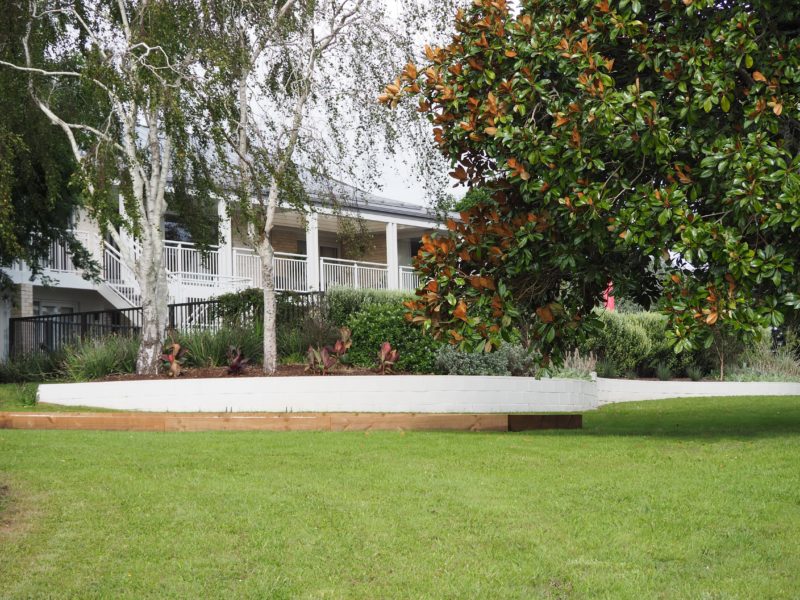
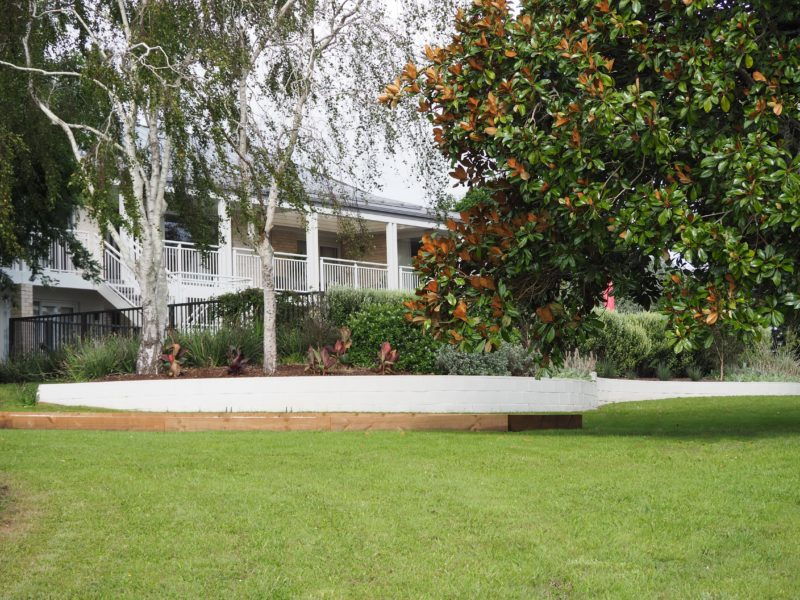
A rural setting within Auckland
Capri describes a quiet rural environment in Auckland, with the possibility of supported outings in the surrounding area. Its published address is in Karaka. This gives the service a different setting from a city-center clinic while keeping it within the wider Auckland region. The practical journey, transfer arrangements, and any family visiting plans should be confirmed directly for the intended admission. Capri Sanctuary location
A rural property can have features that affect comfort and access. Describe any mobility limitations, fatigue, dietary needs, or other practical concerns before booking. Ask about the distance between accommodation, therapy rooms, dining, and outdoor areas. A setting that looks attractive in photographs still needs to work for the individual throughout the stay, including on less energetic days.
Accommodation, grounds, and facilities
The facilities page describes more than two hectares of established grounds with gardens and trees. Published amenities include a gym, sauna, spa, outdoor pools, a massage room, a short golf practice area, and a putting green. Rooms are presented as appointed to a high standard. The exact accommodation category, bathroom arrangements, and current availability should be established with admissions rather than inferred from the general description. Capri facilities and dining
These facilities can provide alternatives for time between appointments, but a prospective guest does not need to want every activity. Ask how use is supervised, whether any activities have restrictions, and which are part of the treatment schedule. A person’s health, confidence, and preferences should guide participation. Access to a pool or gym should not be treated as a substitute for professional care.
The property also creates questions about the balance of privacy and community. Ask how many guests are usually present, which spaces are shared, and what a typical evening feels like. If personal space is a priority, clarify the room offered and the availability of quiet areas. The reviewed pages do not establish a single-client model, so exclusive occupancy should not be assumed.
Food and the everyday experience
Capri describes chef-prepared meals and attention to special dietary requirements. Its facilities information also emphasizes the dining table as a place for connection. A guest who has allergies, food-related concerns, religious preferences, or another dietary need should discuss those details before arrival and ask how they are incorporated into the everyday meal plan. Capri facilities and dining
For someone who wants to retain limited contact with work or family, ask what is realistic alongside the program. It may be possible to agree on a communication routine that protects treatment time, but that should be discussed rather than presumed. The ability to bring a laptop does not by itself settle whether a full professional workload is compatible with the stay.
A collaborative treatment approach
Capri’s program page identifies foundations in motivational interviewing, dialectical behavior therapy, acceptance and commitment therapy, cognitive behavioral therapy, and relapse prevention. It describes skill development, reflection, and practical changes in daily living as parts of the program. These are the provider’s stated approaches; the actual methods selected should be explained in relation to the guest’s needs and preferences. The Capri Sanctuary program
The initial plan should make the main priorities understandable. Someone seeking help for alcohol use may have different immediate needs from someone entering because of persistent anxiety, low mood, or chronic stress. Where several difficulties overlap, ask how the team coordinates them. A list of therapeutic methods is easier to assess when it is connected to concrete goals and an example of the weekly schedule.
Ask how much time is individual, how much is shared, and which professionals deliver the appointments. The reviewed program description emphasizes personalization but does not provide a universal weekly number of psychotherapy hours. That is a useful detail to obtain before making comparisons. Also ask how progress is reviewed and what happens if the guest finds a particular approach unhelpful or difficult.
The team and medical support
Capri’s team page identifies psychiatric, psychological, nursing, addiction-treatment, and program roles. It describes collaborative assessments and regular discussion of guest progress. This suggests several professional perspectives may contribute to care, but the particular team and frequency of contact should be confirmed for the proposed stay. A practitioner listed on a website is not automatically present throughout every day. The Capri Sanctuary team
The program page describes withdrawal-management support involving its medical and nursing team where required. Anyone for whom detoxification is relevant should discuss the details before arrival: assessment, the proposed setting, monitoring, and what circumstances would require another service. The public description is not enough to conclude that every form or severity of withdrawal can be managed at the property. The Capri Sanctuary program
Ask who is responsible for medical decisions, how existing prescriptions are reviewed, and how the team communicates with clinicians already involved. If additional tests or outside appointments are likely, clarify who arranges them and how they are charged. A clear explanation of responsibilities can reduce uncertainty during the early days of treatment.
Daily skills and the Living Well Plan
Capri describes bringing the work of treatment into a personal Living Well Plan. Its program includes attention to routines such as sleep, nutrition, self-care, exercise, and social habits. The name is a useful signpost for the provider’s transition planning, but the value lies in what the individual plan contains and how it can be used outside the residential setting. The Capri Sanctuary program
Ask whether the plan will identify realistic actions for the first days and weeks at home. It can be useful to discuss work, relationships, living arrangements, appointments, and the situations the guest expects to find most difficult. A plan written in the guest’s own terms is easier to use than one composed only of broad aspirations.
Families may also need help understanding what changes are realistic after discharge. Ask whether family conversations or other involvement are available and how the guest’s consent is handled. The aim should be clear communication about support and boundaries, not an assumption that everyone will agree about the meaning of progress. This is especially relevant when a family member is paying for the stay.
Treatment fees and the Welcome Handbook
Capri does not publish a numerical tariff on the official fee page reviewed. Instead, it invites prospective guests to request a Welcome Handbook covering the program, admission process, and costs. That is the appropriate starting point for a current offer. The handbook should be read alongside the individual assessment, because a general description may not settle every element of a particular stay. Capri treatment fees and Welcome Handbook
Ask for a written total based on the recommended duration and accommodation. It should identify professional care, meals, activities, any medical costs, and continuing support. Clarify deposits, payment dates, cancellation, early departure, and extensions. If the guest is comparing programs internationally, retain the provider’s quoted currency and billing period rather than treating unlike packages as though they were the same.
No universal treatment duration was verified on the reviewed official pages. Ask how the initial period is selected and when it is reviewed. A prospective guest can explain practical constraints, but the team should still describe what can reasonably be addressed within the proposed time. The decision should connect treatment goals, finances, and the support available after leaving.
Aftercare and reintegration
The program page describes coaching and support after the residential phase for as long as needed. This is a broad provider commitment, not a precise contractual entitlement to unlimited free treatment. Ask which services continue, who provides them, how often contact occurs, and whether there is an included period or an additional charge. Those details should be part of the admission agreement. The Capri Sanctuary program
For a guest returning outside Auckland, the plan should identify appropriate local clinicians and explain how records are transferred with consent. If support will be remote, ask about appointment scheduling and what happens when more immediate or intensive care is required. Continuing contact works best when its purpose and limits are understood before departure.
It is also useful to distinguish coaching from medical or psychological treatment. Each may play a role, but they involve different responsibilities. Ask which professional will remain involved in each area and whether another practitioner needs to take over prescribing or other medical care. This keeps the transition practical and avoids relying on an undefined promise of ongoing support.
Frequently asked questions
Is Capri Sanctuary only an addiction program?
No. The provider describes adult residential behavioral health care and advertises support for mental health concerns as well as alcohol, drug, and gambling-related difficulties. Admission suitability depends on the person’s current needs and the service’s assessment. About Capri Sanctuary
Is the property in central Auckland?
Its published location is Karaka, in a rural setting within the Auckland region. Ask for current directions, transfer options, and visiting arrangements when planning the stay. The setting should not be confused with a city-center outpatient office. Capri Sanctuary location
How do I obtain the actual price?
Request the current Welcome Handbook and an individualized written quote directly from Capri. Confirm the duration, accommodation, professional contact, medical costs, and aftercare terms before making a financial commitment. The public fee page does not provide a current numeric package price. Capri treatment fees and Welcome Handbook
Explore related treatment options
For further comparison, explore treatment centers in New Zealand and addiction treatment providers. Review each provider’s clinical setting, accommodation, admissions requirements, and continuing-care arrangements.
Sources
- About Capri Sanctuary
- Capri facilities and dining
- The Capri Sanctuary program
- The Capri Sanctuary team
- Capri Sanctuary location
- Capri treatment fees and Welcome Handbook
Provider information reviewed October 20, 2026. Confirm current services, availability, and the written treatment agreement directly with the provider.