Recovery Ways


Recovery Ways 3 photos

Comparison facts and sources
A two-campus adult continuum. Brunswick Place is the higher-acuity campus for 24/7 medical detox, residential treatment and IOP. Copper Hills is the dedicated PHP/day-treatment hub; clients return home or to sober living at night. · Brunswick Place: 4848 South Commerce Drive, Murray, Utah 84107. Copper Hills: 5288 Allendale Drive, Murray, Utah 84123.
- Published fee information
- Quote required
- Before admission
- This review verified the current two-campus division and provider-published payer and alumni information. It did not infer one stay length, universal price, benefit approval or overnight care at Copper Hills.
- Continuing care
- The provider describes a lifetime alumni program with ongoing peer support, weekly group meetings and sober community events. Other discharge and step-down planning is individualized.
Source record · October 16, 2026
Provider-published campus, level-of-care, insurance, aftercare and cost guidance checked October 16, 2026. The provider describes two licensed and accredited Utah locations; independent state license and accreditation registers were not revalidated in this field review.
Luxury rehab comparison · Fees and inclusions · Selection methodology
Recovery Ways operates two distinct adult treatment campuses in Murray, Utah. Together they provide a continuum for substance use, primary mental-health and co-occurring conditions, but the levels of care are not interchangeable between campuses.
Brunswick Place and Copper Hills
Brunswick Place, at 4848 South Commerce Drive, is the higher-acuity campus for 24/7 medical detox, residential treatment and intensive outpatient care. Copper Hills, at 5288 Allendale Drive, is the dedicated partial-hospitalization and day-treatment hub. Copper Hills clients return home or to sober living in the evening; detox and residential care should not be attributed to that campus.
Programs, duration and continuing support
Care is individualized following clinical assessment and may include evidence-based psychotherapy, psychiatric care, medication-assisted treatment, occupational and recreational therapy, family work and wellness services. The provider does not publish one universal stay length for the two campuses. Recovery Ways describes an alumni program with ongoing peer support, weekly groups and sober community events, presented as lifetime support after treatment.
Insurance and fees
Recovery Ways currently lists in-network relationships with Select Health, PEHP, University of Utah Health Plans, DMBA, UnitedHealthcare/Optum including UMR, Aetna including Meritain, Blue Cross Blue Shield/Regence, Cigna/Evernorth, EMI, TRICARE and VA Community Care/TriWest, among others. Benefits, authorization and patient responsibility remain plan- and program-specific. Self-pay and financing may be available, but no universal cash price, tax treatment or fixed package inclusion schedule is published.
Brunswick Place and the need for overnight care
The official Brunswick Place description identifies this Murray campus as the Recovery Ways setting for medically supervised detoxification and residential treatment. It also lists intensive outpatient services. This matters because the organization’s programs are distributed across locations; being admitted to Recovery Ways does not by itself explain which building, level of supervision, or daily routine a person will receive.
Someone who needs withdrawal management should clarify the medical assessment, monitoring arrangements, and the decision process for moving into the next stage of care. Someone entering residential treatment without detox should ask about the proposed unit and whether a subsequent outpatient transition would remain at Brunswick Place. The campus’s combination of services can support continuity, but it does not mean every person follows an identical sequence. Obtain a proposed pathway that distinguishes required clinical steps from optional services. For families arranging travel, also establish the expected point of arrival and who will confirm it if the plan changes. These details prevent an understandable assumption that all Recovery Ways services take place at one interchangeable address.
Copper Hills is a daytime treatment setting
Recovery Ways describes Copper Hills as its partial hospitalization setting for addiction, mental health conditions, and co-occurring concerns. Patients attend structured treatment during the day and return to home or a separate sober living environment afterward. This is an important distinction from the overnight services at Brunswick Place. A daytime program can be intensive while still requiring the person to manage evenings and weekends outside the clinical setting.
When evaluating Copper Hills, discuss both the treatment timetable and the environment to which the person will return. Ask how transportation works, who handles prescriptions, and what support is available if symptoms increase after the day’s sessions. If housing is recommended, identify its operator, rules, costs, and relationship to the clinical program. Accommodation should not be assumed to be included in a partial hospitalization authorization. The campus page also describes assessment and referral when needs exceed its scope. That makes the initial evaluation particularly important for someone uncertain whether daytime care provides enough support or whether a more supervised starting point is needed.
What residential treatment should organize beyond accommodation
The provider’s residential program overview combines continuous support with individualized treatment planning, psychotherapy, skills work, and preparation for care after discharge. A residential placement therefore represents more than somewhere to stay away from alcohol, drugs, or stressful circumstances. The useful comparison is how the clinical team identifies the person’s needs and uses the available time to address them.
Ask how the initial assessment becomes a weekly schedule and how the team evaluates progress. For someone with both substance use and psychiatric symptoms, clarify which clinician is responsible for each part of the plan and how information is shared. It is also helpful to understand the balance between groups, individual appointments, medical review, and activities intended to rebuild daily functioning. The appropriate combination can change during treatment. Before agreeing to a stay, ask how discharge readiness is assessed and what would prompt an extension or another level of care. An advertised residential program does not establish a fixed recovery timetable; the decision should connect current functioning and safety with a realistic plan for the next environment.
Occupational therapy and everyday functioning
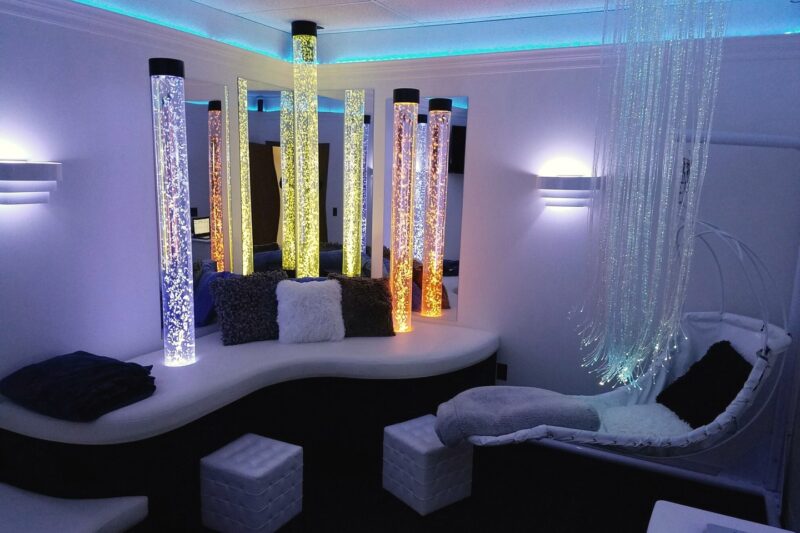
Recovery Ways gives occupational therapy a specific place in its approach, including individual work with a licensed occupational therapist and access to a sensory integration room. The stated focus includes habits, routines, roles, and practical daily activities. This can be especially relevant when symptoms have disrupted sleeping patterns, self-care, household responsibilities, study, or a return to work.
A prospective patient can ask what functional goals would be assessed and how they would be practiced. For example, the relevant issue may be establishing a manageable morning routine, recognizing overstimulation, or rebuilding a sequence of tasks that has become difficult. These goals should be individualized rather than inferred from the presence of a particular room or piece of equipment. Also clarify how occupational therapy coordinates with psychotherapy and medical care, how often appointments are available, and what strategies can continue at home. The sensory room is a treatment resource described by the provider, not evidence that every patient needs the same sensory approach. Its practical value depends on assessment, participation, and how the work relates to the person’s everyday priorities.
The Family Circle format and who can participate
The Family Circle program is described as a two-day, in-person experience. Recovery Ways states that a client may invite up to two participants over age sixteen. Its materials describe education, process-oriented group work, and discussion of communication and relationship patterns. This is a defined family component with attendance limits, rather than an assumption that every relative can join every clinical meeting.
Ask when the next suitable session takes place and how invitations are coordinated with the patient and treatment team. Travel, accommodation, work absences, and any participation costs need separate clarification. Family members can also ask what preparation is useful and whether follow-up support is available after the two days. Where there are safety concerns, a difficult separation, or competing expectations between relatives, the team should help determine whether this format is appropriate. The purpose should be described in terms of education, communication, and agreed changes, rather than making relatives responsible for the patient’s recovery. A practical outcome is a clearer understanding of boundaries and responsibilities during the transition home.
Medication support and continuity between levels of care
The provider’s medication-assisted treatment page places medication within a broader plan that includes counseling and behavioral care. This is relevant for someone who already takes a prescribed treatment for a substance use disorder or who wants to discuss whether medication could be appropriate. The presence of this service does not determine the right medication for an individual or establish that every program delivers identical prescribing support.
Bring a complete medication history, including current prescriptions, previous responses, and any access problems. Ask how a clinician reviews that information and whether an established medication can continue during admission. If a change is recommended, request an explanation of its purpose, monitoring, and expected follow-up. Transitions between detoxification, residential care, partial hospitalization, and home create practical questions about prescriptions and appointments. Identify the clinician responsible at each stage and arrange the next contact before the previous one ends. Medication decisions should remain individualized and clinician-led; a directory cannot recommend a dose, stopping schedule, or substitute. The useful comparison is whether the program can coordinate a coherent plan across those transitions.
Alumni contact as a continuing community
Recovery Ways describes its alumni and aftercare community as an ongoing resource with in-person and virtual opportunities. Its current information includes weekly online meetings led by an alumni coordinator, community activities, and contact intended to help graduates remain connected. These services can give someone returning home a familiar point of contact, particularly when they live far from the Utah campuses.
Before discharge, ask how to enroll, how the meeting schedule is distributed, and which events or groups are available without an additional charge. A person returning to another state should know which options remain accessible remotely. The alumni program should also be distinguished from continuing psychotherapy, medical appointments, or prescription management. Participation in a community meeting does not automatically replace a recommended level of clinical treatment. A practical discharge plan can list both: scheduled healthcare appointments with named responsibility and optional or recommended peer activities. That distinction helps families understand what requires clinical follow-up and what offers social connection. Confirm how the coordinator responds when an alumnus needs a new assessment rather than assuming that every difficulty can be managed within a group.
Insurance verification should follow the care pathway
The Recovery Ways insurance verification service addresses coverage for different treatment levels, including detoxification, residential care, partial hospitalization, and intensive outpatient care. Its materials discuss both network arrangements and possible options when a plan is outside the network. These are starting points for an individualized benefits review, rather than a promise that a named insurer will fund every service or the entire recommended stay.
Ask for an estimate that identifies the relevant campus and program, anticipated personal responsibility, and any services billed separately. It should distinguish authorization for the initial admission from authorization for subsequent treatment. If a special agreement with an insurer is proposed, confirm whether it has actually been approved and what it covers. Someone using separate housing should establish whether that expense is outside the clinical benefit. For self-pay care, obtain the applicable charges and terms in writing, including how changes in duration affect the total. Comparing complete care pathways is more useful than comparing a residential daily rate with an outpatient rate that leaves accommodation and transportation unresolved.
Adult eligibility and preparing for assessment
The provider’s current frequently asked questions describe treatment for adults eighteen and older and state that a substance use disorder is not required for its primary mental health services. The information also identifies age-oriented tracks and several occupational or community-focused programs. Those descriptions can guide an initial discussion, but a named track should not be interpreted as a guaranteed placement or a substitute for individual assessment.
Explain the principal reason for seeking care, recent functioning, current medical needs, and any previous treatment. Someone working in a safety-sensitive profession should ask about the relevant program’s actual availability, documentation process, and return-to-work coordination, without assuming treatment assures occupational clearance. The FAQ also discusses practical admission preparation, including prescription information and travel arrangements. Confirm the current packing requirements and medication procedure before departure. If considering a primary mental health admission, ask how the proposed program differs from an addiction-focused schedule and what would require referral elsewhere. These questions help establish whether the service fits the person’s immediate needs, rather than relying on the breadth of the organization’s program list.
Source check: Official Recovery Ways campus, treatment, and admissions pages reviewed October 18, 2026. Program assignment, schedules, and financial arrangements require assessment and confirmation.
Sources checked
- Official two-campus location and level-of-care guide
- Official Brunswick Place campus page
- Official Copper Hills campus page
- Official insurance verification page
- Official alumni and aftercare page
- Official provider overview and cost guidance
Official provider information checked October 16, 2026. Assigned campus, clinical suitability, duration, availability, benefits, authorization and final costs require individual confirmation.