Yes We Can Youth Clinics
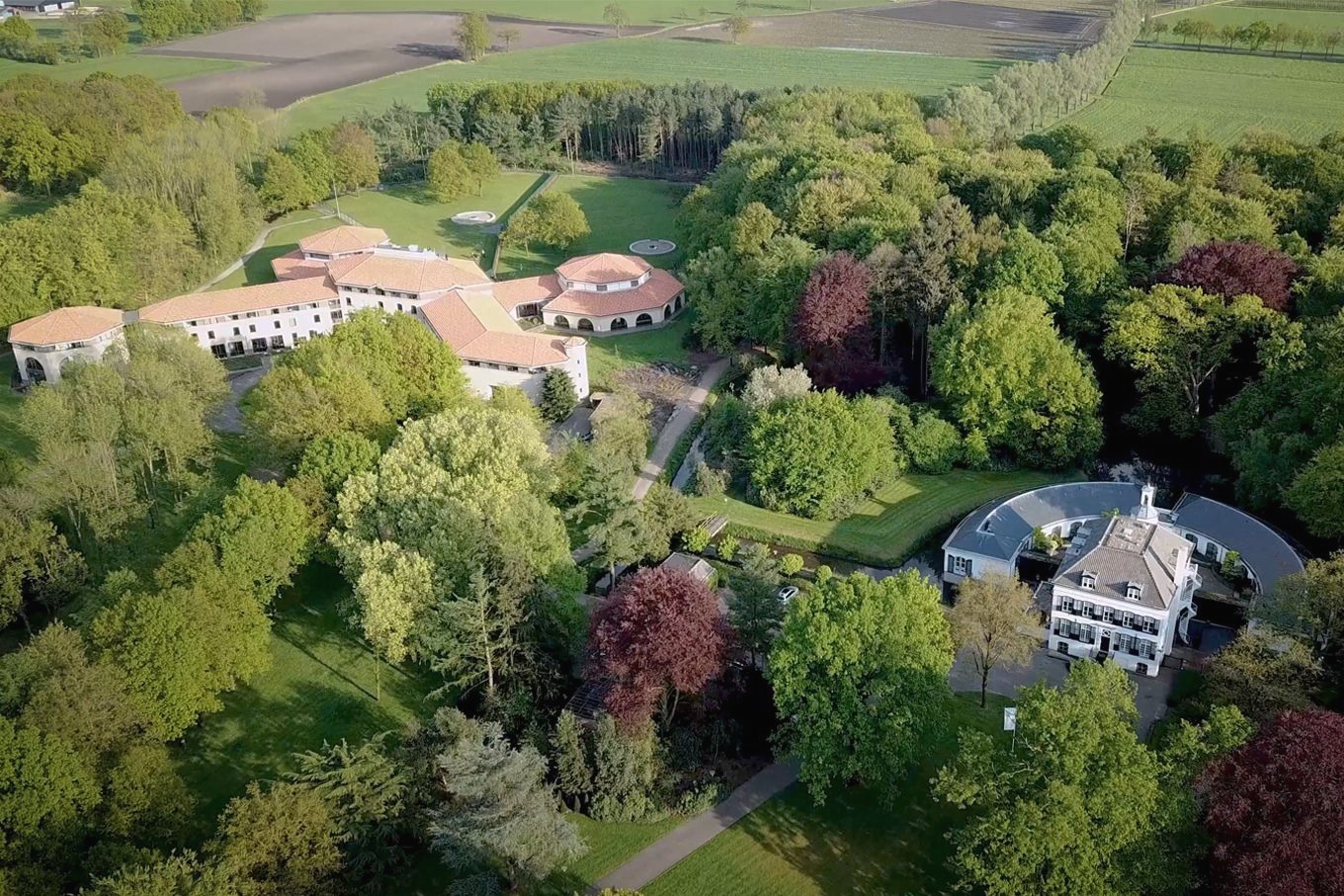
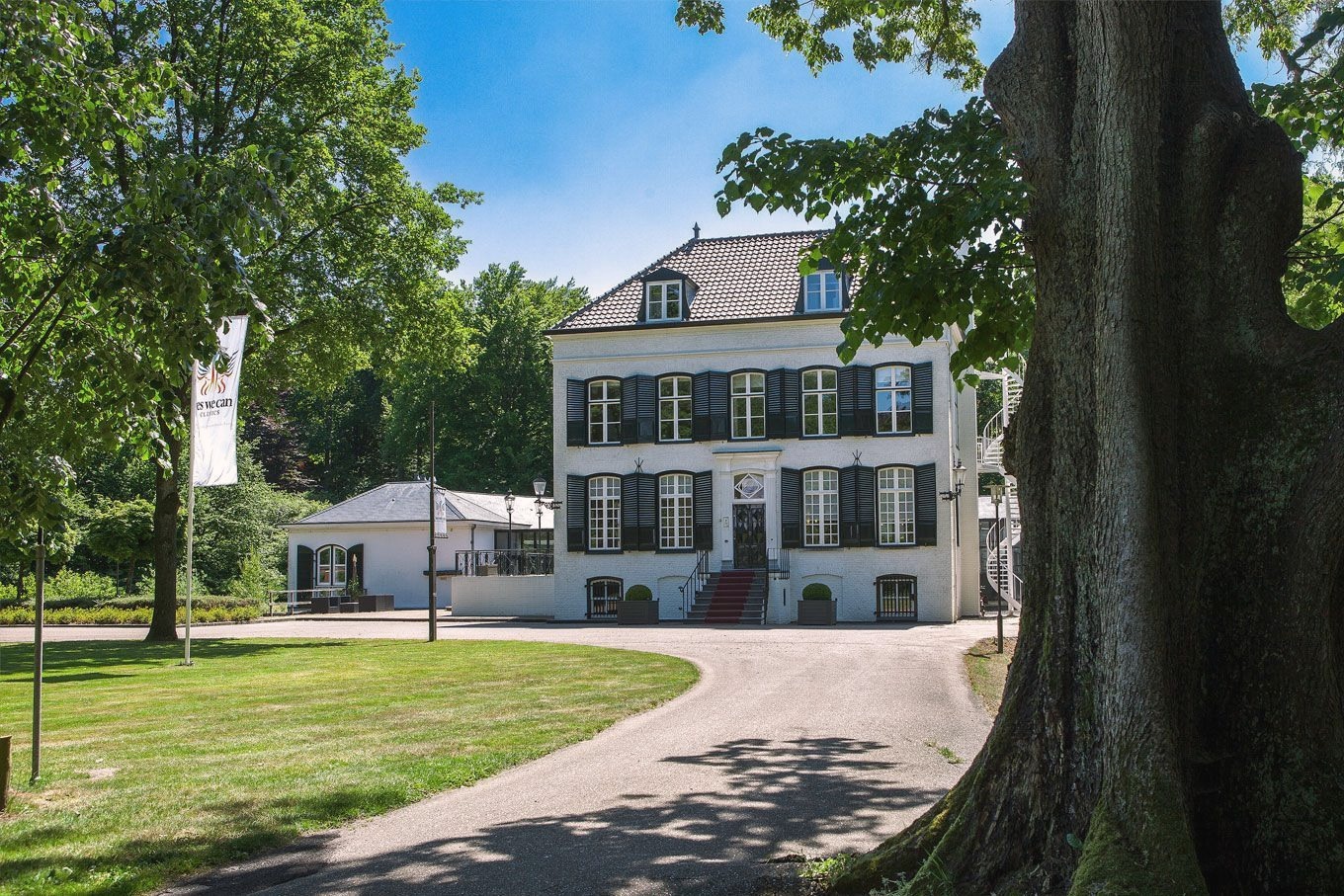

Yes We Can Youth Clinics 3 photos


Comparison facts and sources
Specialized residential mental-health, addiction and behavioral-treatment program for ages 13–25, with family coaching and tailored aftercare. · Hilvarenbeek, Netherlands
- Published fee information
- EUR 7,400 / week
- Before admission
- This is a multi-client residential group program for ages 13–25, not one-client-at-a-time care. Exact aftercare is tailored.
- Continuing care
- Yes We Do describes 90-minute online groups three times weekly for ten weeks; the pricing page lists a twenty-session option. Confirm the agreed package, calendar and session count.
Source record ·
Clinic location and aftercare reviewed October 19, 2026. Pricing reviewed October 14, 2026; confirm individual eligibility, arrangements and charges..
Luxury rehab comparison · Fees and inclusions · Selection methodology
Yes We Can Youth Clinics offers English-language residential treatment for people aged 13–25 with mental health difficulties, addictions and behavioral problems. The international clinic is in Hilvarenbeek, the Netherlands; the Oirschot head office and London office are separate from the treatment setting.
The program combines individual and group therapy, sports and outdoor activities, family work and aftercare. The provider describes shared bedrooms. Its main option is ten weeks, with four- and seven-week modules also published; admission and extensions require clinical approval.
The official fee table states an average EUR 7,400 per week and describes medical services as VAT-exempt. However, its listed treatment and room-and-board components total EUR 7,200, so obtain clarification and a written quotation. Travel and family-visit accommodation are excluded; optional online support has separate charges.
Contact +31 85 02 01 222 for assessment, program selection and individual insurance verification. An insurer’s name on the provider website does not guarantee coverage.
The international clinic and its offices are different places
The international clinic description places residential treatment in Hilvarenbeek, North Brabant. It describes a castle setting with outdoor activity areas, a fitness room, and shared double bedrooms with en-suite bathrooms. The provider says its therapeutic team allocates roommates and considers individual needs. This is a shared residential environment with a substantial group component.
For a family arranging care from another country, establish the actual arrival address, the receiving team, and the room arrangement before booking travel. The Oirschot head office has a different purpose from the residential clinic. Do not assume that an office address is the place where a young person will stay. Ask how the room allocation process addresses privacy, gender identity, interpersonal difficulties, or other needs that could affect the experience of sharing accommodation.
Group therapy and daily activities structure the residential program
The residential treatment page describes group sessions in the morning and individual sessions in the afternoon, with sports and outdoor activities integrated into the day. It also describes supervised domestic chores, an evening review of the day, and multidisciplinary communication about progress. The provider presents these activities as parts of its therapeutic structure.
Ask how the general program is adapted to the young person’s clinical needs, physical abilities, and tolerance for group participation. Clarify which sessions are individual, what the expected participation looks like, and how staff respond when an activity becomes difficult. An intensive daily structure can be an important feature when comparing programs, but the published schedule does not tell you how a particular person’s needs will be accommodated. That should be discussed with the clinical team before admission.
Suitability includes English, group participation, and clinical safety
The inclusion criteria describe a program for young people whose difficulties require residential help and who have some willingness to participate. The provider also asks for family involvement, sufficient English, some ability to regulate emotions and reflect, and suitability for a group environment. It says the setting is not intended for someone presenting an acute, serious danger or a substantially distorted view of reality.
Discuss these criteria with the treating clinician and admissions team rather than trying to decide eligibility from a diagnosis alone. Explain the young person’s recent functioning, current risks, medication, previous treatment, and experience in groups. Ask what additional assessment is needed and what alternatives will be proposed if the program cannot safely meet those needs. The international service’s published age range is 13–25; that should remain distinct from descriptions of other services within the wider organization.
Confirm the intake format before arranging international travel
The intake page describes a four-hour assessment in the Netherlands involving a counselor, psychologist, and psychiatrist. It asks for previous clinical reports, a medication list, identification, and insurance information. However, the current treatment-method page describes its intake sequence as remote, including suitability screening and a video motivational interview.
These descriptions are not fully aligned. Ask the case manager which steps apply to your application, whether any assessment requires attendance in the Netherlands, and who must participate. Obtain the sequence and any charges in writing before purchasing travel. An initial video conversation and approval for residential admission should not be treated as interchangeable steps.
Published waiting times are estimates to verify
The waiting-times page currently lists approximately one week for an intake interview and one to two weeks for treatment. It also describes contact from a case manager within one working day after an intake form is completed. These are the provider’s published expectations, not confirmation that a particular person has an appointment or a residential place.
Ask when the clinical screening can be completed and whether any outstanding records, funding approval, or suitability questions affect the start date. A family traveling from overseas should obtain confirmation of the actual appointment and arrival arrangements. If the young person’s needs change while waiting, update the clinical team so that the placement decision reflects the current situation rather than the original inquiry alone.
Family work is a planned part of the longer stay
The family program page describes four days of work with a family counselor during Bonding Week. It discusses family relationships, responses to possible relapse, and sustainable routines at home. A Bonding Day is described around the fifth week of treatment. This is more structured than an informal family visit.
Before choosing a program length, ask how the family component fits that specific option and what participation is expected from parents or carers. Explain any separated-family arrangements, safeguarding concerns, language needs, or practical barriers to attendance. Clarify which conversations involve the young person and how sensitive information is handled. For an international family, the commitment may include time away from work and additional travel or accommodation arrangements. Those practical requirements should be understood alongside the young person’s treatment plan.
Aftercare has a specific published online schedule
The Yes We Do aftercare page describes 90-minute online groups three times weekly for ten weeks, beginning after residential treatment. It lists Monday, Tuesday, and Thursday sessions in British Summer Time and says an alternative plan can be discussed when a participant’s time zone prevents attendance.
Ask for the actual calendar in your local time zone, the professional leading the groups, and the agreed total number of sessions. Confirm how this fits school, work, and any continuing local clinical appointments. The written aftercare arrangement should specify the support available between sessions and what happens if the group schedule cannot be followed.
The price table needs a reconciled written quotation
The investment page still lists an average EUR 7,400 weekly residential cost while its two stated components total EUR 7,200. It separately prices a twenty-session, 90-minute online group option at EUR 1,750. Obtain a quotation that resolves the arithmetic and identifies the actual aftercare package and session count.
Ask which family, travel, accommodation, and optional online services are included. The page distinguishes four-, seven-, and ten-week residential options, with clinical approval required for admission or extension. Published insurance relationships do not establish an individual family’s reimbursement or final responsibility.
Education planning is different from a full school curriculum
The education page says the residential program prioritizes treatment and psychoeducation rather than following a conventional school curriculum. It describes working with educational advisers and tutoring organizations and planning a return to education. For young people who no longer require schooling, it also discusses support toward meaningful work.
This distinction matters when a student has examinations, attendance requirements, or a particular qualification in progress. Ask the school and treatment team what work can realistically continue, who will coordinate communication, and what documentation is available. Do not assume that a residential place includes a full accredited school program or that every course can be maintained during treatment. The aim of the conversation is an individual educational plan that fits the clinical program and the student’s circumstances.
Practical arrangements should be explained to the young person
The FAQ describes a demanding daily routine, supervised chores, group and individual work, and an evening closing session. It says parents or carers receive an emergency contact number and that ordinary contact arrangements are explained during intake. It also says the packing checklist is provided after registration and that a statement of attendance can be supplied to a school or employer when needed.
Ask for those practical arrangements early enough for the young person to understand them and raise questions. Discuss communication with home, belongings, daily routines, and any arrangements needed for school or work. The FAQ also contains travel-document and insurance instructions; confirm current requirements with the appropriate authorities and your insurer. A provider’s checklist should not be assumed to cover every nationality’s travel requirements.
Read the September 2026 regulator findings before deciding
In its September 15, 2026 notice, the Dutch Health and Youth Care Inspectorate said the wider Yes We Can organization needed further improvements. It identified concerns about blanket coercive or freedom-restricting measures without a legal basis, a consistently safe and supportive environment, responsibilities assigned to unregistered staff, and unrecognized interventions that could have a negative impact.
The notice also said improvements had begun, expressed confidence in the organization’s ability to improve, and required a report on results by mid-February. It did not establish that all improvements were already complete. The regulator described a wider 13–27 population; this profile’s international program publishes ages 13–25. Before consenting to care, request current information about safeguards, clinical responsibility, individual consent, and the changes that have actually been implemented.
The provider’s response should be read as its own account
On its response and developments page, Yes We Can apologizes to people who experienced painful, harmful, or boundary-crossing treatment. It says care is delivered under the responsibility of registered professionals, that experience-based staff have supporting roles, and that treatment is voluntary and can be ended. The page also describes considering continuity of care when someone leaves early.
These are provider statements and should be considered alongside the regulator’s findings. Ask how the current arrangements work in practice: who leads the young person’s treatment, how concerns can be raised privately, and what happens if the young person wants to leave. A general statement about voluntary care should be supported by an understandable explanation of the process, the young person’s rights, and any transition plan.
NEXT describes a continuing quality-improvement program
The provider’s Yes We Can NEXT page groups improvement work into five areas: appropriate care and personal autonomy, professional treatment, safety and learning, research and demonstrated improvement, and collaboration. It says inspection findings are among the inputs to this work, alongside complaints, feedback, internal reviews, and other information.
The page distinguishes changes already made from work underway and future steps. Families can use that distinction when asking what has changed in the actual treatment setting. Request concrete examples relevant to the young person’s needs, who is responsible for implementation, and how the organization checks whether a change has worked. A quality-improvement program is evidence of the provider’s stated process; it does not by itself verify completion of every regulatory requirement or establish an outcome for a future patient.
Know the complaints routes before they are needed
The complaints information describes several routes: speaking with involved staff, submitting a concern through the complaints form, seeking help from a complaints officer, and contacting an independent complaints committee if dissatisfied with the response. It also identifies a route to the mental-health disputes committee.
Ask for the current contact details and the full procedure in a format the young person and family can understand. Clarify how a concern can be raised confidentially and how a person receives information about the response. The distinction between routine feedback, a formal complaint, and an urgent safety concern should be clear. Having those arrangements in advance allows a family to assess how the provider handles disagreement and accountability, rather than learning the process only after a problem arises.
Separate administrative availability from residential support
The contact page lists the Oirschot head office and a London office, while stating that the clinic operates throughout the year. It distinguishes office hours and holiday arrangements from that year-round operation. The offices provide contact points; they should not be treated as additional residential clinics.
For an overseas application, establish which case manager is responsible, the best way to reach that person, and the appropriate contact outside administrative hours. Confirm whether a meeting is being arranged at an office, online, or at the treatment location. Keeping those purposes separate helps avoid unnecessary travel and confusion between an inquiry, an assessment appointment, and the start of residential treatment.
Provider information reviewed October 19, 2026 against current official provider pages and the Dutch inspectorate’s dated notice. Provider statements and regulator findings are distinguished; no inspection outcome, treatment result or completed improvement is inferred. Published differences in intake format, room totals, aftercare and pricing require clarification.
Official sources checked October 5, 2026: Provider overview; Clinic location; Residential treatment; Fees, insurance and duration; Offices and contact. Availability, suitability and charges should be confirmed directly with the provider.