Wooded Glen Recovery Center
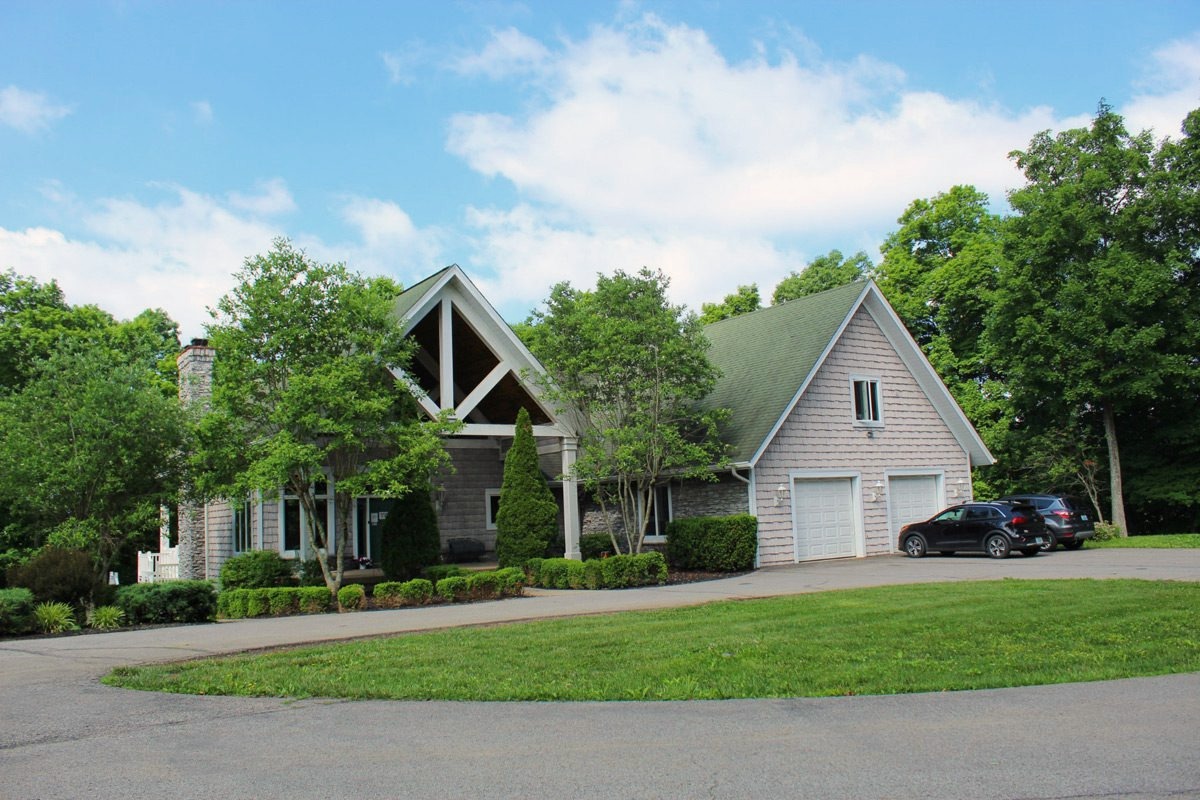


Wooded Glen Recovery Center 3 photos

Comparison facts and sources
Adult Henryville addiction-treatment campus on wooded grounds, providing medically supported detoxification, residential rehabilitation, dual-diagnosis care and continuing-care planning. · 2602 Hebron Church Road, Henryville, Indiana 47126
- Published fee information
- Quote required
- Before admission
- This profile represents the Henryville residential campus. The provider separately lists a Jeffersonville outpatient office; current pages use inconsistent location wording for IOP, so the exact outpatient setting must be confirmed.
- Continuing care
- Continuing-care planning supports transition to independent living through local referrals, 12-step support, outpatient care when appropriate, alumni events, weekly aftercare meetings, relapse support and the CaredFor app.
Source record · October 15, 2026
Provider-published information checked October 15, 2026. Confirm residential length, outpatient location, insurance authorization, self-pay rate and personal cost directly with Wooded Glen Recovery Center.
Luxury rehab comparison · Fees and inclusions · Selection methodology
Wooded Glen Recovery Center provides addiction treatment at 2602 Hebron Church Road, Henryville, Indiana 47126. Its current official site distinguishes this 500-acre residential campus from a separate outpatient office at 6200 East Highway 62, Building 2501, Jeffersonville.
Services and admissions
The Henryville center offers withdrawal management, residential treatment for adults, family programming and care for co-occurring mental-health conditions. Its wider continuum includes outpatient and long-term support. Wooded Glen’s current FAQ says most residential clients stay approximately 30 days, although actual length varies by treatment needs. The provider accepts most major insurance plans and offers competitive self-pay rates for uninsured clients; benefits and personal costs require confirmation.
The Henryville setting is distinct from outpatient premises
The about page describes Wooded Glen’s residential setting on a large wooded property in Henryville. The grounds and accommodation provide the setting for treatment, while the clinical plan determines which services an individual receives.
A rural campus can be a relevant practical preference, particularly for someone looking to spend a period away from familiar surroundings. It should not be treated as proof of a particular clinical outcome or as a substitute for assessing medical and psychiatric suitability. Ask how mobility needs, outdoor activities, family travel, and access to other healthcare are handled. The residential address should also remain distinct from the separate outpatient premises when discussing a complete course of care. A plan that includes both levels needs to explain whether the person will move, where they will live afterward, and how travel between appointments will work.
The program combines several forms of therapeutic work
The program overview describes addiction treatment with attention to co-occurring mental health concerns, individual and group work, family involvement, and continuing care. It presents treatment as a combination of services rather than a single activity or fixed sequence for everyone.
Ask how the initial assessment turns those broad options into an individual schedule. The useful details include the purpose and frequency of individual appointments, group participation, medical review, and any additional therapies. A list of possible approaches does not establish that every modality is delivered to every person or on every day. Someone with a previous treatment history can discuss what was helpful, what was difficult, and which current goals need a different approach. The team should also explain how progress is reviewed and how recommendations change if the initial plan is no longer appropriate. Personal preferences matter alongside the clinical assessment and the program’s actual capabilities.
Detox is assessed rather than assumed
The detox page says not everyone entering treatment needs withdrawal management. It describes nursing support around the clock and medication when clinically appropriate, with many people completing the initial detox phase within approximately five days.
That description is a general expectation, not a guarantee that a particular person’s withdrawal will follow the same course. Explain current substance use, previous withdrawal complications, prescribed medicines, and relevant medical conditions during assessment. Ask whether the campus can provide the necessary monitoring and what circumstances would require hospital care or another service. Medications should be reviewed with the treating team rather than stopped because of a general statement about sobriety. The next phase of treatment also needs to be identified separately from detox. Before that transition, confirm the receiving program, medication arrangements, and any change in costs or authorization. Withdrawal management addresses an immediate clinical need within a broader plan.
Residential care includes treatment and daily support
The residential program describes adults living onsite with access to medical support and a structured therapeutic schedule. Listed components include behavioral therapies, individual and group sessions, family work, and recovery-oriented activities, with attention to co-occurring concerns.
For someone comparing residential settings, ask which parts of that schedule are essential to the individual plan and which are optional or available only when appropriate. A 24-hour residential environment does not establish that the facility has every capability of an acute hospital. Explain medical, psychiatric, mobility, and supervision needs before admission so the receiving team can assess fit. The expected length of stay should also be connected to clinical goals and regular review, rather than an assumption that all clients follow an identical course. The plan for returning home or moving to outpatient care should begin before discharge, especially when housing or a new treating professional must be arranged.
Family participation can address relatives’ own needs
The family program discusses support for spouses, parents, and adult children. Its themes include communication, trust, boundaries, self-care, and understanding the effects of substance use on relationships.
Clarify whether the proposed activity is education, a support group, or a joint clinical session, because each has a different purpose. Relatives may need help with their own concerns without receiving private details of the patient’s care. Ask how consent is managed, whether remote participation is possible, and what the current schedule requires. Family involvement should take account of safety and personal preferences; the presence of an addiction diagnosis does not establish that every relative has the same difficulties or that every relationship should be restored during treatment. If joint work is not appropriate, discuss other ways of planning practical support. The discharge plan can then identify agreed responsibilities without placing the entire burden of continuing care on relatives.
Continuing care includes individual planning and monitoring tools
The continuing-care description discusses planning around family circumstances, health needs, and co-occurring concerns. Possible next steps include outpatient treatment, community support, housing resources, and alumni involvement. It also describes Trac9 self-assessment tools for following experiences such as mood, stress, cravings, and quality of life.
A monitoring questionnaire should not be interpreted as a guaranteed prediction of relapse or an emergency-response service. Ask who reviews the responses, how often they are reviewed, and what follow-up can be expected. The wider plan should identify actual receiving services and appointments, rather than leaving every item as a possible referral. Someone returning to another area may need a different local arrangement from a person remaining near the center. Medication management, therapy, housing, and peer activities should have clearly identified responsibilities. A personalized plan becomes useful when the person knows what happens next and whom to contact if an arrangement fails.
Alumni activities have a published weekly and monthly pattern
The alumni page describes weekly Zoom aftercare, Thursday speaker activities, and monthly sober events. It also lists a first-Thursday question-and-answer session for program graduates. Confirm the current calendar and joining arrangements before relying on a particular meeting.
These activities provide ways to stay connected after treatment, but they should remain distinct from individual clinical follow-up. Ask which events are open to a new graduate, whether remote participation is available, and whether there are any participation requirements. Sharing a personal story can be an option without becoming an obligation. A person who prefers quieter or different forms of support can discuss alternatives that fit their circumstances. Before discharge, confirm the professionals responsible for therapy and prescriptions as well as the peer activities the person wants to attend. A useful continuing plan does not rely on an alumni event to perform the role of urgent clinical care.
The CaredFor app has a separate support role
The CaredFor page describes an alumni platform with community contact, wellness activities, a personal dashboard, and resources. It presents the app as free for alumni while also noting that some features may require a program subscription. Clarify what is included before assuming that every feature is available without charge.
An app can make it easier to find information or remain involved from a distance, but it does not replace a treating professional. Ask how messages and personal information are handled, whether staff monitor particular functions, and what response times are realistic. Someone without a compatible device or who prefers not to use an app should ask for another way to receive meeting and follow-up information. The discharge plan should identify how to obtain professional help independently of the platform. Digital participation can complement chosen support activities without becoming the sole route to important clinical appointments or urgent assistance.
Tactical Recovery distinguishes treatment from funding authorization
The Tactical Recovery description presents a program for veterans and service members, including small groups focused on military experiences, trauma-related needs, and transition planning. The provider reports participation in VA Community Care and a PsychArmor Veteran Ready designation. Those are provider-described arrangements, not a guarantee of individual eligibility or payment.
The page also describes Bridge Care while an appropriate VA placement is arranged, subject to authorization. Confirm the actual referring service, approved treatment, and handover plan before assuming that a place or funding is available. Coordination with a VA professional or military command, where applicable, needs clear responsibilities and appropriate information-sharing arrangements. A military background does not mean every person has the same trauma history or treatment needs. Ask how the individual assessment determines therapy, medication support, family involvement, and continuing care. The specific program and funding pathway should be explained together without treating one as automatic evidence of the other.
IOP location and session times should be verified together
The IOP page describes a 12-week model with sessions on Mondays, Wednesdays, and Thursdays, from 9 a.m. to noon or 5 to 8 p.m. It also lists individual therapy, family work, and case coordination. Its heading refers to Henryville, while the contact information separately identifies outpatient premises in Jeffersonville.
Confirm the exact site and current cohort before arranging attendance. The published timetable should not be assumed to establish an identical course for every patient, and additional appointments may sit outside the group hours. Discuss how the program fits with work, transport, childcare, and other healthcare. If IOP follows residential treatment, identify where the person will live and who manages care between sessions. The receiving clinician should explain why outpatient intensity is appropriate and when progress will be reviewed. Insurance participation mentioned for IOP also requires verification against the specific plan and service, rather than an assumption that every publicly funded policy is accepted.
The FAQ gives practical expectations for a residential stay
The frequently asked questions says many residential clients stay approximately 30 days, with actual duration depending on treatment needs. It recommends a week’s suitable clothing, identification, insurance information, and current prescriptions in their original bottles. Personal phones and computers are stored on admission, and laundry is available.
Confirm the current packing list and discuss medication instructions directly with the clinical team. Communication restrictions affect work and family responsibilities, so ask how urgent messages are handled and prepare essential arrangements before arrival. The FAQ says the counselor explains visiting days early in treatment; relatives should obtain that schedule rather than assume unrestricted access. It also states that patients decide with whom progress information can be shared. Establish those preferences at admission and revisit them if circumstances change. Practical preparation should support the treatment plan without turning a typical duration, visiting arrangement, or packing rule into a guarantee that applies unchanged to every stay.
The written financial plan should identify the actual service
The insurance verification information offers assistance with coverage and discusses private payment. A general statement about accepting insurers does not establish the cost of an individual stay or every policy’s benefits.
Request an estimate for the proposed detox, residential, or outpatient service, including the covered period and patient responsibility. Ask which professional, medication, transport, or later housing costs are separate. If the treatment plan changes, establish how authorization and the estimate will be reviewed. Keep clinical suitability, available space, insurance approval, and payment terms as distinct questions that all need to be resolved before a planned admission.
Official Wooded Glen information reviewed October 19, 2026. Confirm the receiving location, current schedules, clinical suitability, app features, and individual payment arrangements directly.
Official information: Henryville campus and program overview, current FAQ and locations and admissions. The provider lists 888-351-0650 and uses a secure contact form. Campus scope, duration and payment guidance were rechecked on October 10, 2026.