Windmill Wellness Ranch
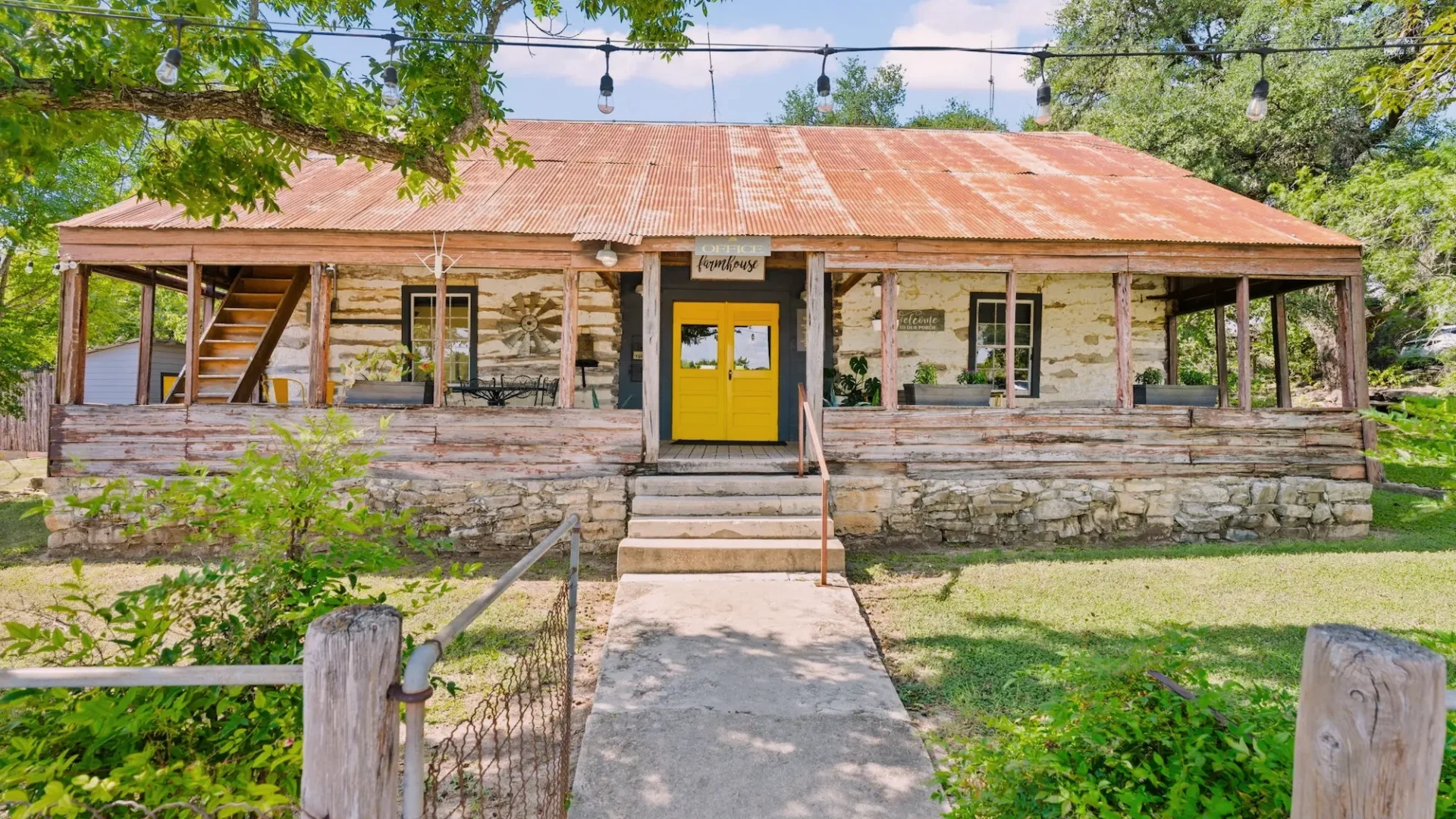


Windmill Wellness Ranch 3 photos

Comparison facts and sources
Adult Canyon Lake addiction and co-occurring mental-health center on a 75-acre ranch, with on-site medical detox, residential care and step-down continuing-care options. · 26229 N. Cranes Mill Road, Canyon Lake, Texas 78133
- Published fee information
- Quote required
- Before admission
- This profile represents the Canyon Lake ranch. Windmill separately links to a San Antonio outpatient center; the setting for IOP, transitional housing or other step-down care must be confirmed rather than assumed.
- Continuing care
- Every client is referred to continuing care suited to the next stage, which may include aftercare, IOP, transitional or sober living and personal recovery coaching; the provider also publishes lifetime recovery-coach support.
Source record · October 14, 2026
Provider-published information checked October 14, 2026. Confirm clinical placement, current program location, insurance authorization, length and personal cost directly with Windmill Wellness Ranch.
Luxury rehab comparison · Fees and inclusions · Selection methodology
Windmill Wellness Ranch is an adult addiction and co-occurring mental-health treatment center on a private 75-acre campus at 26229 North Cranes Mill Road, Canyon Lake, Texas 78133. Detoxification, residential treatment and outpatient care operate on the Canyon Lake ranch.
Levels of care and length
The program includes on-site detoxification, residential treatment and step-down outpatient care, with family involvement and treatment for co-occurring conditions. Windmill states that length of stay is based on individual needs, history, goals and measured clinical progress rather than a fixed 30-, 60- or 90-day calendar. It accepts many major insurance plans; benefits and personal costs are verified individually, and no standard self-pay fee is published.
The ranch is a shared residential environment
The facility description places Windmill on a 75-acre property near Canyon Lake. It lists separate men’s and women’s lodging, with 36 places in the men’s lodge and 16 beds in the women’s building. Grounds, recreation areas, dining, and residential spaces form a shared campus rather than an exclusive one-client property.
Confirm the actual bedroom and bathroom arrangements, accessibility, and any needs affecting placement before admission. A reference to double beds describes the furniture and should not be used to infer single occupancy. The provider also describes a dog-friendly setting, but bringing an animal requires discussion of the current rules and suitability. Ask how activities, rest, groups, and individual appointments fit into a typical day. The size and appearance of the ranch may matter to personal preference, while the assigned clinicians and level of support remain the basis for evaluating the proposed treatment.
Medical detox has its own wing and clinical assessment
Windmill’s detox page describes an on-site medical detoxification wing with medical staff present around the clock. It says duration varies according to substance use, dependence, and the time needed for stabilization. This is a specific service description rather than a fixed number of detox days for all clients.
Provide the team with recent substance use information, current prescriptions, medical conditions, and any previous withdrawal complications. Ask who will oversee care and what needs require a different medical setting. Clarify whether detox is included in the overall proposed stay and financial estimate. The decision to begin wider residential programming should follow clinical readiness, not simply the end of a quoted period. If another provider is involved before arrival, confirm the transfer of records and medication information. The availability of an on-site wing can simplify location arrangements without establishing that it can manage every possible medical presentation.
Thirty weekly programming hours are not all individual therapy
The residential program describes 30 hours of programming per week and an individual counselor. It includes recovery skills, interpersonal work, mental health management, and participation in 12-step activities on and off campus. The combined weekly figure should not be interpreted as 30 hours of private psychotherapy.
Ask for a sample timetable identifying group work, individual appointments, medical review, educational sessions, and other activities. Clarify which components are selected for the person and how the schedule changes as needs evolve. Someone comparing programs should also ask how feedback from different sessions enters the treatment review. A broad curriculum may offer useful choices without requiring every client to follow an identical sequence. The residential plan should explain the main goals and how progress is discussed with the client. Accommodation and leisure facilities belong in the overall proposal, but they should remain distinguishable from the amount and type of clinical contact.
Length of stay is reviewed against individual goals
The length-of-stay page explicitly avoids a fixed 30-, 60-, or 90-day model. It describes reviewing progress several times per week and using Trac9 measurements alongside clinical goals. Extended residential care may be considered where additional support is needed.
Ask how the proposed goals are selected, how measurement results are explained, and what other information informs a decision to continue or change treatment. A questionnaire score is one part of review, not a guarantee that a person is ready for discharge or that an outcome can be predicted. The financial plan should account for the possibility of a changed duration without leaving the client uncertain about cost. If an extension is recommended, request the reason, review date, and updated estimate. Someone planning leave from work can discuss practical constraints while recognizing that a preferred date and a clinical recommendation may need to be reconciled through planning.
IOP delivery and current scheduling need confirmation
The intensive outpatient page describes online care and also refers to in-person attendance. It lists individual and group treatment, co-occurring care, and family involvement. Some of its explanatory wording refers to the pandemic, so the current format and schedule should be confirmed directly rather than inferred from that older context.
Ask which delivery options are currently offered, how many sessions are expected each week, and whether individual appointments or medication reviews are included. Remote participants should confirm eligibility from their physical location and the arrangements for privacy, technology, and local support. In-person clients need to know the appointment address and any transport or housing requirements. IOP is distinct from remaining in residential treatment, even where the same organization coordinates both. The transition plan should identify the receiving clinician and how changes in symptoms are handled between sessions, rather than relying only on the convenience of the format.
The return-to-treatment offer has conditions and a one-year window
The dedicated Windmill Guarantee page says clients who complete every required step, including the post-treatment protocol, may qualify to return without an additional treatment charge if they need care again within one year of leaving. It explicitly states that eligibility requirements apply and that not everyone qualifies.
Request the complete written conditions before relying on this offer. Clarify the required follow-up, what counts as completion, which services are covered on return, and whether transport, outside medical care, medication, or other expenses are excluded. Ask how a return request is assessed and whether a place must be available. The offer is a conditional financial and program policy, not a promise that relapse cannot occur or that all future treatment is free. It should also remain separate from ongoing coaching or alumni support, which may have different terms and durations. The dedicated one-year wording is more specific than a broad assurance of future help.
The family workshop separates education from joint participation
The family program describes a hybrid workshop every Saturday from 10 a.m. to noon, attended in person or through Zoom. The first hour is for family members; clients join during the second hour for a larger community group. A different topic is addressed each week.
Confirm the current time, time zone, registration, and eligibility before planning attendance. The separate first hour gives supporters space for their own questions, while the joint component involves different expectations about privacy and disclosure. Participation should reflect the client’s consent and relationship safety. Ask how concerns about an unsafe or estranged relative are handled, and whether a separate discussion would be more appropriate. The workshop should not be confused with a private individual-family therapy appointment. Supporters can use the sessions to clarify boundaries and practical help after discharge without being made responsible for delivering treatment or guaranteeing the client’s recovery.
Recovery coaching is distinct from the counselor’s role
The recovery-coach page says Windmill assigns clients a coach and deliberately separates that role from counseling. Coaches help apply recovery practices to daily life, consider the living environment, arrange discharge appointments, and work on practical goals. The provider also describes continued contact after leaving.
Ask which tasks the coach will assist with, how contact is scheduled, and what remains the responsibility of a therapist or medical professional. Practical help with work, routines, or appointments can complement clinical treatment without replacing it. Clarify the scope of ongoing access, any charges, and what happens when a client lives far from the ranch. A named coach can make a transition more concrete, but a broad statement of continued support should not be treated as unrestricted clinical availability. The written plan should identify who handles medication, urgent concerns, therapy, and everyday recovery support so that responsibilities remain clear.
Clean Living and outside sober housing are different arrangements
Windmill’s Clean Living description identifies a transitional program on the ranch after residential treatment. It separately describes referrals to sober living homes that are independent of Windmill. That distinction matters when comparing the operator, supervision, and cost of the next place to live.
Ask whether the recommendation is for on-ranch Clean Living or an outside residence, and obtain the actual address and agreement. Clarify the clinical schedule, household expectations, available support, and how the person reaches outpatient appointments. A referral or a statement that a house has been reviewed by staff does not make it part of the same organization. The timing of a move should reflect readiness and practical circumstances, not an assumption that every client follows an identical path. Someone returning directly home should also understand the alternative support plan. Housing can support recovery while remaining distinct from medical care and scheduled therapy.
Aftercare should identify receiving clinicians and appointments
The aftercare program describes a therapist-led discharge plan and follow-up from recovery coaches and alumni coordinators. Potential elements include supportive housing, help locating employment, psychiatric or other medical appointments, and outpatient therapy. The provider also describes weekly on-site DAA meetings.
Before leaving, ask which referrals have been accepted and when the first appointments will occur. Clarify how records and prescriptions are transferred with consent, especially when the client returns to another state. The plan should distinguish services Windmill delivers from those arranged with outside providers. Peer meetings and alumni contact can be useful alongside professional care, but they do not automatically include ongoing therapy or medical oversight. Ask what to do if an appointment is canceled, housing becomes unsuitable, or the original plan is no longer sufficient. A usable transition identifies real contacts and alternatives rather than relying on a general recommendation to stay connected.
Insurance information includes explicit exclusions
The current insurance page says Windmill works with many major plans but does not accept Medicaid/WellPoint, Ambetter, or Oscar. Those exclusions should be considered before travel. A plan that is not excluded still needs an individual benefits and authorization review for the proposed care.
Request an estimate identifying detox, residential treatment, extended care, any transitional accommodation, and outpatient services. Ask about deductibles, coinsurance, noncovered items, and additional costs if the clinical recommendation changes. The conditional return-to-treatment offer should not be assumed to remove the need for a clear agreement for the initial stay. A private-pay arrangement should explain payment timing and terms for transfer, extension, or early departure. Where an outside sober living home or clinician is recommended, confirm the separate financial responsibilities. The useful comparison is the total proposed pathway and its components, not a carrier list or an initial daily figure alone.
Admission timing depends on assessment and availability
The admissions process describes an initial inquiry, benefits or private-payment review, clinical discussion, and arrangements for arrival. It says same-day admissions can occur, while qualifying that timing by factors such as bed availability and insurance verification. That is an option to discuss, not a guaranteed placement.
Prepare current medications, treatment history, medical information, and any practical requirements affecting a stay. Ask which records are needed and who confirms acceptance. If a family member starts the inquiry, clarify the prospective client’s involvement and consent. Before travel, obtain the program, location, arrival instructions, and financial terms in writing. A person who needs medical support beyond the ranch’s capabilities should receive an appropriate recommendation rather than assume that an available bed establishes suitability. Clear preparation also helps distinguish the immediate admission from later decisions about extended residential care, Clean Living, or outpatient treatment.
Official Windmill pages were reviewed on October 19, 2026. The conditional one-year return offer, shared lodging, programming hours, insurance exclusions, and separate outside housing arrangements are explicitly qualified.
Official information: center and admissions overview, length of stay and contact details. The provider lists 830-935-2800 and hello@windmillwellnessranch.com. Address, care levels, duration and insurance guidance were rechecked on October 10, 2026.