White River Manor
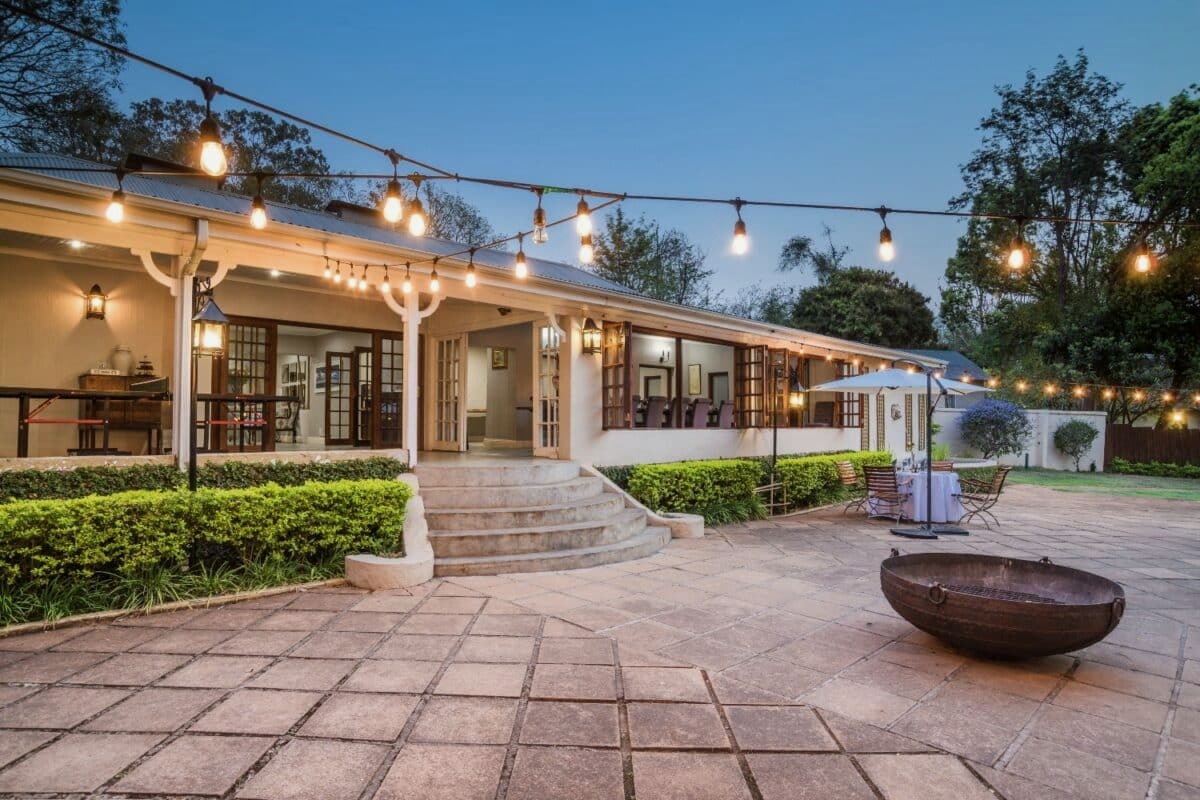

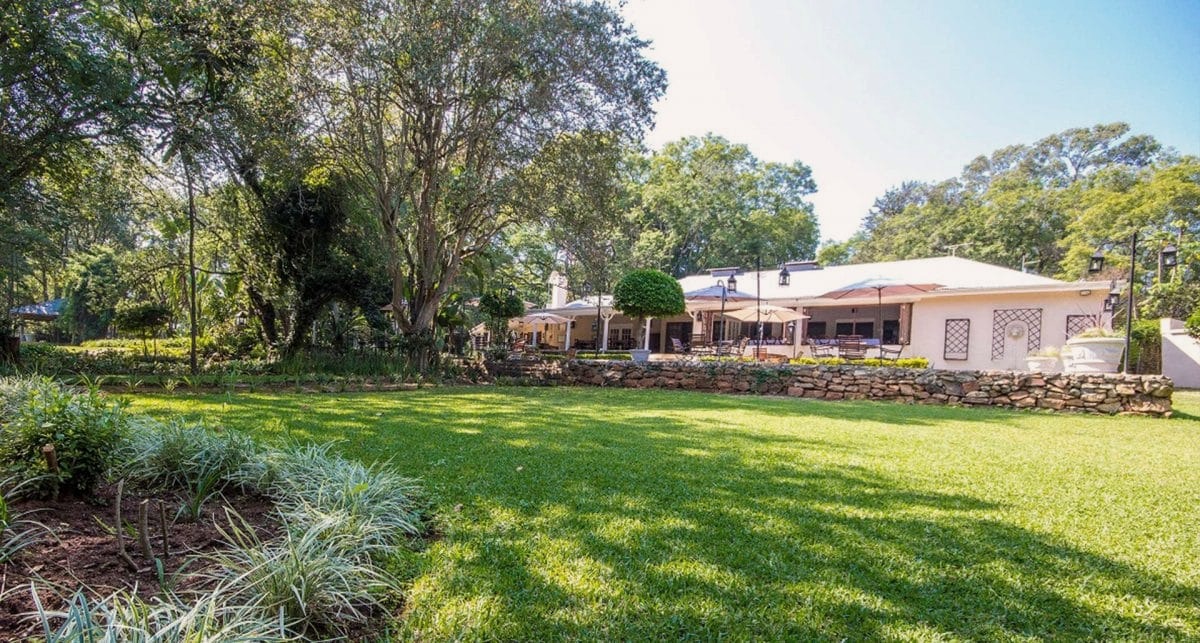
White River Manor 3 photos



Comparison facts and sources
Residential dependency and dual-diagnosis treatment with offsite detox when required · White River, Mpumalanga, South Africa
- Published fee information
- EUR 43,450 / 28 days
- Before admission
- The provider recommends a minimum 28-day stay, but duration and accommodation are individualized. Detox is arranged offsite and must be pre-arranged.
- Continuing care
- A personalized aftercare plan is developed after primary treatment, with referrals and links to suitable professionals and support services for the transition home.
Source record · 2026-10-14
Provider-published information checked October 14, 2026. Independent facility-level licensing verification was not completed in this scoped review.
Luxury rehab comparison · Fees and inclusions · Selection methodology
Comparisons featuring this provider: Best Luxury Alcohol Rehab Centers · Best Luxury Trauma & PTSD Treatment Centers.
Provider overview
White River Manor provides residential addiction treatment and separate wellness and executive burnout programs in South Africa, with integrated support for mental health concerns that accompany addiction.
Treatment and setting
The provider lists medical detox, individual and group therapy, CBT, DBT, EMDR, family therapy and continuing care. Accommodation options include private rooms, executive villas and suites.
Admissions and costs
The published Private Standard rate is €15,950 or £13,310 for 28 days, excluding 15% VAT. This includes the therapeutic program, excursion package, on-site activities and meals. Other room categories cost more. Confirm the applicable currency, tax-inclusive total and clinical inclusions with admissions.
Confirm the assessment and detox pathway before traveling
The current FAQ describes a confidential consultation, psychiatric evaluation and referral, and an individualized plan. It now identifies on-site detox through the clinical team at The Ark when withdrawal management is required. The team assesses medical history, substance use, and overall health before admission to determine the appropriate pathway within the White River Group.
Ask which part of the service will receive the person, where the initial medical care takes place, and how the transition to the residential program works. Confirm the staff available overnight, the medical monitoring included, and the circumstances that would require a nearby hospital. Anyone with previous withdrawal complications or significant physical illness should disclose those details before travel. The same FAQ describes medication storage and oversight by the medical team. Provide the complete prescription list and coordinate with the current clinician; do not assume a general detox offer means every medical need can be managed in the same setting.
Read the room tariff together with the tax and clinical inclusions
The accommodation tariff lists several private room categories for a 28-day stay. Published euro examples are €15,950 for Private Standard, €19,800 for Private Executive Villas, and €22,000 for the VIP Suite, all excluding the stated 15% VAT. Higher-priced suites have different space and amenities. The tariff describes a therapeutic program, excursion package, on-site activities, and meals as included.
Request one dated quote naming the room, currency, tax-inclusive total, and proposed clinical program. Clarify whether detox, external medical consultations, medication, or special investigations add to the room-based tariff. A more expensive suite should not be assumed to provide more psychotherapy or medical care unless the agreement specifies it. The general FAQ also mentions shared accommodation, so a reader should confirm the actual available room rather than treating every published option as simultaneously available. Ask how an extension, room change, or early departure affects the total and any refund.
Understand the dependency program’s treatment structure
The dependency program page describes addiction treatment with integrated attention to co-occurring mental health concerns. It presents a range of approximately 28 to 120 days, depending on individual needs, and describes daily one-to-one therapy, groups, psychiatric evaluation, and continuing-care planning. It also states that a 12-step approach is available on request within a broader individualized model.
Ask how the initial plan is agreed and which sessions are delivered by the assigned therapist, another clinician, or a wellness practitioner. A broad list that includes CBT, DBT, trauma-focused work, and other approaches does not establish that every resident receives each therapy. Discuss previous treatment, preferences, and the goals being prioritized. Confirm when progress is reviewed and how any change in the planned duration is communicated. The important comparison is the program proposed for the individual, rather than the longest list of techniques or the assumption that a particular length guarantees recovery.
Keep the shorter wellness program separate from addiction rehabilitation
The wellness and executive burnout page describes seven-, ten-, fourteen-, and twenty-one-day programs combining therapy, nutrition, fitness, and relaxation. These are distinct from the longer dependency program. They may appeal to someone seeking structured support around work stress and exhaustion, but a short wellness stay should not automatically be treated as an alternative to clinically indicated addiction or psychiatric care.
Explain the main concerns during assessment, including any substance use, medication needs, or mental health symptoms. Ask which program is recommended and why, what psychiatric input is available, and what would require a different level of care. Clarify the number of clinical appointments rather than counting spa or leisure activities as therapy. For a professional planning time away, discuss the return-to-work goals and how support will continue afterward. The program’s published duration is a booking framework, not a clinical promise that complex problems will be resolved within that period.
Organize an international stay around a confirmed itinerary
The international guide describes support with travel, airport transfers, accommodation, and treatment planning for overseas clients. It discusses arrival through Johannesburg and onward travel to Kruger Mpumalanga International Airport. It also gives broad package and duration information, which should be reconciled with the more specific room quote before payment.
Ask the admissions team to confirm the exact arrival airport, assistance during a connection, pickup arrangements, and the contact for a delayed flight. Check current passport, entry, and medication-travel requirements with the relevant official authorities rather than relying only on a treatment provider’s travel summary. If the clinical plan might extend, consider the practical implications before booking a fixed return. Establish whether onward travel elsewhere in South Africa is included or separately charged. For work contact, obtain the actual device and communication arrangements for the chosen program; an international service should not be assumed to permit a normal working schedule during treatment.
Decide how the family will be involved
The family information page describes participation through video calls, remote sessions, and in-person meetings. It explicitly says the client can decide how much family involvement they want. This is relevant for people traveling from another country, where regular visits may not be possible and family communication needs deliberate planning.
Discuss who should participate and what each meeting is intended to address. Preparing a shared home for the person’s return may require a different conversation from rebuilding a strained relationship. Confirm the likely frequency, time-zone arrangements, clinician involved, and any additional cost. Ask how relatives can receive general education without assuming they will receive private clinical information. Participation should reflect consent and clinical needs, including situations where a relationship is unsafe or not supportive. Before discharge, establish whether the provider offers continuing family support directly or recommends a local professional, and make that distinction clear in the plan.
Clarify what continuing care actually provides
The outpatient and continuing-care service describes support both before and after a residential stay. It refers to a network of professionals and practitioners and names Michele Morphitis as the service lead. The published scope includes addiction, trauma, burnout, emotional wellbeing, and relationship concerns, with an individualized approach.
Ask whether the proposed follow-up will be delivered by White River Manor, a member of its network, or an independent clinician near home. Confirm the appointment format, frequency, duration, fees, and availability in the country where the person will be located. An offer to connect someone with professional support is different from an included course of therapy. If medication or psychiatric care continues, identify the clinician responsible for that part of the plan. A clear handover should include confirmed appointments where possible, records shared with permission, and contact arrangements if the recommended service is unavailable or symptoms change.
Understand upfront payment and medical aid reimbursement
The medical aid claims page says White River Manor is not directly contracted with medical aid schemes, requires full payment before admission, and does not receive payment directly from the scheme. Any approved reimbursement goes to the member after the claim is assessed. The provider also explicitly states that preauthorization does not guarantee reimbursement.
This information is particularly relevant to South African medical aid members and should not be generalized to every overseas insurance policy. Ask the relevant payer about the proposed treatment, the documentation required, applicable limits, and exclusions. Clarify when the provider submits formal authorization information and what administrative assistance is available. Do not plan the stay on the assumption that an illustrative reimbursement amount will be paid. Obtain an affordable upfront payment plan and a written treatment quote independently of the claim’s outcome. Keep invoices, proof of payment, and clinical documentation requested by the payer.
Identify the assigned clinicians and support roles
The team directory separates clinical professionals, management, holistic support, logistics, and admissions staff. Its clinical listings include psychiatry, psychology, nursing, occupational therapy, a consulting general practitioner, and other therapeutic roles. These are the provider’s descriptions of its team, rather than independent confirmation of credentials or the frequency of each professional’s involvement.
Ask who will conduct the initial evaluation, who will provide the regular individual sessions, and how medical or psychiatric reviews are arranged. Clarify whether an appointment is included, scheduled separately, or requires an outside consultation. The presence of a specialist in a directory does not mean that specialist is continuously on site or assigned to every guest. Confirm the route for requesting a clinical review and how concerns about the treatment relationship can be raised. An accountable plan identifies the professionals responsible for the person’s needs, with clear coordination between clinical care and the practical support team.
Expect shared therapeutic work alongside private sessions
White River Manor’s group therapy explanation distinguishes education-focused and process-oriented groups and discusses the role of interaction with other participants. This supports an important expectation: private accommodation and individualized care do not mean the entire program is delivered one-to-one.
Ask about the current group schedule, typical attendance, topics, and who facilitates each session. Establish which groups form part of the plan and how the team supports someone who is uncomfortable speaking in a group. General examples of group sizes on an educational page should not be treated as a confirmed census for the current program. Discuss confidentiality rules and how concerns about another participant or group interaction are handled. Individual sessions can provide a place to discuss what comes up in shared work. A useful comparison considers both formats and their purpose rather than assuming that either private sessions or groups are automatically better for everyone.
Separate excursions and amenities from clinical treatment
The activities page describes scenic outings, local sports, spa services, films, and optional adventure activities in the surrounding region. These experiences can shape daily life at the property, but they should be distinguished from clinical appointments and the medical requirements of the individual.
Ask which activities are included in the specific package, which depend on weather or availability, and which carry an additional charge. Confirm whether participation requires medical clearance, travel, or a separate operator’s arrangements. A person recovering from illness or managing mobility limitations may need suitable alternatives. Discuss how excursions fit around therapy and whether declining an activity changes the schedule or cost. The possibility of a safari or spa treatment should not determine clinical suitability, and no leisure activity guarantees a recovery outcome. The relevant question is whether the overall plan provides appropriate care while making the residential stay manageable and comfortable.
Additional provider information checked October 18, 2026. Program, accommodation, and reimbursement descriptions come from White River Manor. Request a dated, tax-inclusive quote and a confirmed clinical plan before travel.
Sources: Official provider website; Published accommodation and cost information; location information. Public information checked October 5, 2026.