Weber Recovery Center
Comparison facts and sources
Adult substance-use and co-occurring mental-health care. The current services page identifies residential treatment and social detoxification as adult-male programs; the broader scope includes male and female adults. · Freestanding provider at 2740 Pennsylvania Avenue, Ogden, Utah.
- Published fee information
- Quote required
- Before admission
- This review does not establish admission, program eligibility, insurance authorization, included services or final cost.
- Continuing care
- Peer support, case management, relapse-prevention work, community resources and real-world reintegration; no single standardized post-discharge duration is published.
Source record · October 17, 2026
Current official program, eligibility, duration, payer and contact evidence checked October 17, 2026.
Luxury rehab comparison · Fees and inclusions · Selection methodology
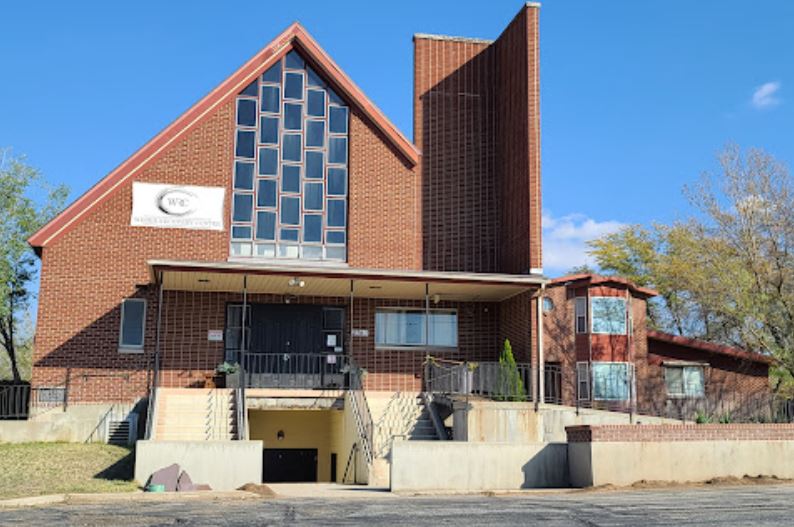
Weber Recovery Center is a freestanding adult substance-use and co-occurring mental-health provider at 2740 Pennsylvania Avenue in Ogden, Utah. Its current program pages list social detoxification, residential treatment, medication-assisted treatment and intensive outpatient care.
The provider’s general scope covers male and female adults, but its current services page specifically describes residential treatment and social detoxification as adult-male programs. Residential care is published as 60–90 days, with a typical stay of 60 days. Social detoxification averages 3–7 days after assessment, while the in-person or virtual intensive outpatient program lasts 12 weeks.
Published care may include group and individual therapy, case management, medical assessment, medication management, peer support, life-skills work and relapse-prevention education. Payer sources include private insurance, Medicaid, self-pay and other funding sources; fees are available on request, and eligibility, authorization and client responsibility require confirmation.
Program eligibility and the first clinical review
Weber’s scope-of-service document describes adults 18 and older who are medically stable, can participate in planning and have completed staff screening. It lists male and female adults in the broader population served. The separate, more specific residential and social-detox descriptions identify adult-male programs, so general organizational eligibility should not be applied automatically to every service.
The scope describes a person-centered plan with agreed goals, professional referrals and assessment of accommodation needs. It lists transportation access among the participation criteria. It also lists an interdisciplinary staff mix that includes licensed clinicians and supervised professionals working toward licensure. These are organizational descriptions, not a guarantee that a particular professional is present at every appointment or shift. Ask which service has accepted the referral, who will oversee the plan and what information is required from an existing clinician. The document gives an average initial-evaluation timeframe after referral and payment authorization; it should not be taken as a guaranteed admission date. Its older diagnostic-manual terminology is not reproduced here as a current diagnostic standard. The clinical assessment should establish the person’s actual needs and the program’s ability to meet them.
Residential treatment, social detox and IOP are distinct
The services page describes residential care with five to six hours of group therapy, weekly individual therapy, case-management sessions and medical assessment. Its advertised residential range is 60–90 days. Social detox is separately described as an assessed adult-male program averaging three to seven days, with medical assessment and professional monitoring.
The word social is important: this description should not be expanded into a claim of hospital-level withdrawal care, a particular medication protocol or continuous physician presence. Ask the team which withdrawal risks it can safely manage and when another setting is necessary. The same page describes a 12-week IOP available in person or virtually, with master’s-level clinicians and certified peer-support specialists. A virtual option still requires confirmation of the participant’s location, schedule and suitability. The IOP description emphasizes trauma, recurring patterns and individual skills. Medication-assisted treatment is described across levels of care through the medical director, but the page does not establish a fixed formulary for every client. Discuss existing prescriptions and follow-up arrangements before admission. These different pathways should be selected according to assessment, rather than treated as a compulsory sequence or an identical package for every adult.
Daily life and recovery skills in Ogden
The provider overview describes life-skills work, medication management, community reintegration and a trauma-informed approach. It lists recreation spaces with exercise equipment, table games and outdoor gathering areas, alongside dietitian-approved menus. The recreation list includes pool, ping-pong and air hockey, with outdoor space for barbecues. These details help explain the environment, but they do not establish private-room availability, a resort-style stay or a fixed daily activity schedule.
Weber also describes peer mentors with lived recovery experience who contribute to education, life skills and relapse-prevention work. Peer support is a different role from medical prescribing or an individual therapy appointment. Ask how these roles fit together in the proposed program and which staff member addresses a particular concern. The homepage describes family involvement as something arranged through the therapist and treatment plan. Discuss the form of participation, timing and consent rather than assume unrestricted visits or access to clinical information. For someone preparing to return to work or community responsibilities, it is useful to identify which practical skills need attention and how they will be practiced. The provider’s stated aims are not guarantees of permanent recovery or a particular outcome.
Financial terms deserve an individual written explanation
Weber’s published financial agreement says it seeks benefit verification and prior authorization, while assigning financial responsibility to the client or guarantor. It describes copayments and deductibles as due at admission and refers to a cash-in-advance rate when insurance does not pay. The page does not provide a universal dollar price, so request the applicable rate and an explanation of how the terms affect the specific admission.
The agreement lists medication and incidental or emergency medical expenses among costs outside its coverage, as well as travel to appointments unrelated to treatment. It also describes an 18% annual interest charge on an outstanding balance and no refund following expulsion or departure against medical advice, with additional provisions concerning third-party payment. This summarizes the provider’s terms, not their legal applicability. Full treatment payment is due on admission unless arranged otherwise. Obtain the current agreement before committing, ask about any negotiated arrangements and clarify how early discharge or a change in the clinical plan affects charges. Ask billing staff to distinguish the signed rate from an insurer’s allowed amount. Insurance acceptance alone cannot answer those questions or establish the final amount owed.
How a complaint can be raised and reviewed
The complaints and grievances policy describes an initial attempt to resolve a concern with the counselor, followed by a formal process when that does not resolve it. Written instructions are provided in the client handbook and admission packet. Formal reports go to the clinical director, who investigates and responds in writing. Paper forms may be obtained through the counselor or clinic lobby.
The posted timetable calls for a response within five working days, with an opportunity to appeal to the program sponsor and a further written response within five working days. It also says a client can seek outside advocacy at any stage. These are the provider’s published procedures; confirm the current contact person and how a report can be submitted privately during treatment. A routine grievance timetable should not be used to delay responding to an immediate medical or safety need. Before admission, it is reasonable to ask how residents receive the handbook, whether help is available to complete a report and how a support person can participate with consent. Knowing the process helps a patient distinguish a clinical concern, an administrative question and a formal complaint.
Respect, accommodations and protection from retaliation
The nondiscrimination policy applies to both the work and treatment environment. It addresses discrimination, abuse, harassment and retaliation, including discrimination in services and treatment planning. The listed protections cover characteristics such as disability, religion, race, sex, sexual orientation and gender identity. It assigns reporting and response responsibilities to managers as well as employees. This is the organization’s stated policy, not an independent finding about every aspect of its practice.
For a prospective resident, the practical question is how individual needs will be accommodated within the specific program. Discuss mobility, communication, sensory, cultural or other requirements before arrival, and request a clear explanation of any clinical eligibility limits. The policy also describes confidentiality in investigations on a need-to-know basis and says the complainant’s identity is usually disclosed to the people involved. Confidential handling should therefore not be mistaken for guaranteed anonymity. Ask how the organization protects a person who raises a concern and who can help if the usual contact is part of that concern. A published policy provides a basis for that conversation without replacing direct answers about the proposed care arrangement.
Website privacy and clinical-record questions
Weber’s privacy notice explicitly applies to information collected through its website. It describes information voluntarily supplied by email or other contact, how the organization uses it to respond, and options to ask about, correct or delete that information. It also describes opting out of future contact and limits on sharing mobile information for marketing. It says information supplied through the website is not sold or rented.
Those statements should not be assumed to describe every rule governing a clinical record, insurer communication or a signed release of treatment information. Ask for the appropriate treatment privacy documents during admission and clarify who can receive updates. If a relative is helping with an inquiry, establish the patient’s preferences instead of assuming that making the first call gives unrestricted access to later care details. Use the provider’s designated process for sensitive records and ask what information is needed before sending it. The posted website notice is useful for understanding an initial inquiry, while clinical consent and record sharing require their own explanation. This profile does not independently audit the provider’s security systems or certify compliance from the presence of a policy page.
Arrange the correct arrival and response route
The contact page lists the Ogden address and office hours of 9 a.m. to 5 p.m., Monday through Friday. It provides an office phone and a call-or-text route. The page displays an admissions email, while its email link addresses the administrative mailbox. Confirm the intended recipient before sending personal records. Office opening hours do not establish the staffing arrangements of a residential program, and a message does not confirm an admission. Before traveling, establish the actual arrival time, receiving staff member and assessment requirements. Ask which number should be used for an existing patient’s clinical concern or a question outside office hours, rather than assuming every listed channel has the same purpose or response time.
Official service and policy pages reviewed October 19, 2026. The broader adult scope is distinct from the current adult-male residential and social-detox descriptions. Program averages, policy timetables and financial terms require individual confirmation; provider statements do not independently verify clinical suitability, credentials, legal rights, current availability or final cost.
Sources
- Official provider and program overview
- Official services, eligibility and program durations
- Official scope, address, population and payer information
- Official contact information
Sources checked October 17, 2026.