Washburn House


Washburn House 3 photos

Comparison facts and sources
Worcester addiction-treatment campus providing medical detox, inpatient rehabilitation, day treatment, IOP, extended care and other outpatient support for adults. · 1183 Main Street, Worcester, Massachusetts 01603
- Published fee information
- Quote required
- Before admission
- Published durations are typical guidance, not guarantees. Exact admission level, length, accommodation, benefits and personal responsibility require direct confirmation.
- Continuing care
- Washburn House publishes aftercare planning that may include ongoing therapy, support-group connections, medication-assisted-treatment follow-up, sober-housing referrals and alumni services. Recommendations vary by assessed need.
Source record · October 15, 2026
Provider-published information checked October 15, 2026. Confirm program, medical necessity, benefits, authorization, exact duration, accommodation and personal responsibility directly with Washburn House.
Luxury rehab comparison · Fees and inclusions · Selection methodology
Washburn House is an adult addiction-treatment center at 1183 Main Street in Worcester, Massachusetts. It provides medical detoxification, residential inpatient rehabilitation and outpatient step-down care for substance-use disorders, including co-occurring mental-health needs.
Levels of care and duration
The current provider guidance describes medical detox at about five to seven days, inpatient rehabilitation at about 14 to 30 or more days, day treatment or PHP at about three to four weeks, and IOP at about six to twelve weeks. PHP consists of six hours of therapy five days a week. Actual placement and duration depend on clinical assessment and progress.
Washburn House says it accepts Medicaid and most major commercial insurance plans and offers free benefit verification. Benefits and patient costs require individual confirmation; no standard cash price or tax treatment is published.
A Worcester treatment setting with a residential history
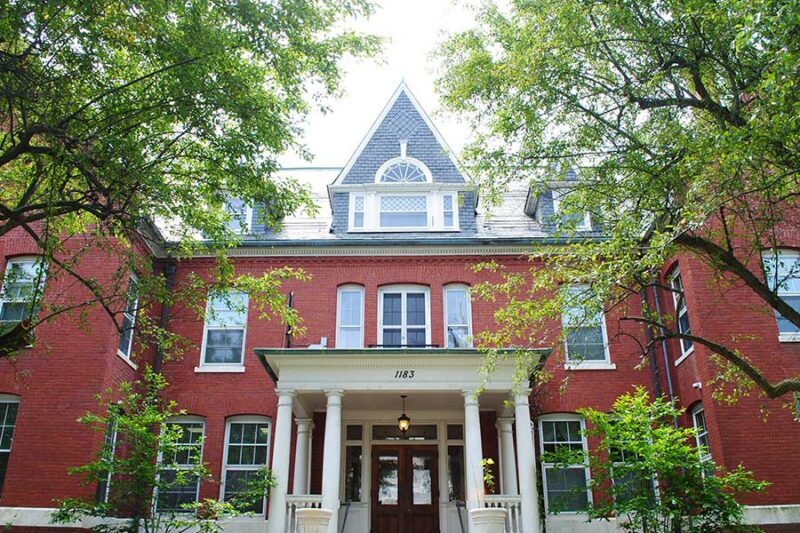
Washburn House’s provider description identifies a refurbished historic setting for men and women receiving treatment for drug or alcohol addiction. The residential environment is part of the experience, but a building’s character does not explain the intensity of treatment or the support a person will receive. Those questions require the proposed program and care plan.
For someone comparing Massachusetts options, establish whether the recommendation involves staying on site, attending daytime care, or using a separate sober-living arrangement. These have different practical implications for work, family contact, transport, and support outside scheduled sessions. Ask about accessibility and the room arrangement before assuming that photographs of one part of the property describe every placement. The relevant comparison is the actual setting offered to the individual and the services available there.
Co-occurring treatment has a primary substance-use focus
The current dual-diagnosis page identifies adults whose primary diagnosis is substance-related. It describes assessment and treatment of certain co-occurring mental health conditions as part of the substance-use plan. This qualification is important when a person is seeking help mainly for a psychiatric condition or needs a level of psychiatric support beyond the proposed addiction program.
Published components include a combined assessment of mental health and substance use, individual therapy, medication management by psychiatric providers, group work, and case management. Case management may help with benefits, referrals, and aftercare planning. Ask the receiving team which concerns it can manage directly and which require another clinician or setting. The existence of a dual-diagnosis program should not be read as automatic admission for every psychiatric presentation. A specific assessment helps establish whether the proposed setting fits the person’s current symptoms, functioning, and support needs.
Alcohol detox includes monitoring rather than a fixed discharge date
The alcohol detox description explains that staff monitor symptoms around the clock and provide medical detox support when it is needed. The provider also describes additional therapeutic support during the stay. This information identifies a supervised service; it does not establish a safe withdrawal plan or medication schedule for an individual reader.
Before admission, discuss the person’s substance-use history, previous withdrawal experiences, existing prescriptions, and other medical concerns with the clinical team. Ask how the service determines readiness for the next level and what arrangements apply if a different medical setting is required. The period of withdrawal support and the subsequent rehabilitation course are separate decisions. A person should not assume that finishing a quoted number of days automatically means that all clinical needs have been addressed. The next treatment step should be planned with the staff responsible for care.
Residential rooms include more than one occupancy type
The detailed inpatient program page describes a residential program accommodating 32 men and women in separate wings. It lists private, double, and triple rooms with individual bathrooms. This is more specific than a general reference to private accommodation: prospective residents should confirm the actual room offered and any conditions affecting that arrangement.
The program describes 24-hour care and a team including doctors, nurses, counselors, and recovery specialists. Shared areas include a theater and game room, while elective activities may involve yoga, writing, painting, music, or clubs. These activities supplement the clinical program and may depend on the current schedule and care level. Ask how room allocation, accessibility, personal time, and participation in activities work for the proposed stay. A room preference should be discussed separately from the clinical decision about whether residential care is appropriate.
The published therapy schedule sets a substantial weekly commitment
The treatment-program overview describes at least 10 hours of group therapy, 15 hours of psychoeducation, and three individual sessions each week for residential clients. Those are distinct components of the published schedule. They should not be summarized as unlimited individual psychotherapy or assumed to be the timetable for every outpatient service.
For partial hospitalization, the overview describes up to six hours of group work on five days each week, together with individual counseling. Ask for the current timetable and how the team adjusts participation to a person’s needs. Someone planning time away from work or arranging family responsibilities should understand which hours are clinical, which are breaks or other activities, and whether attendance requirements change over the course. The provider also describes extended care supporting employment, relationships, and continued treatment. That option should be discussed as a separate arrangement rather than assumed to be included automatically in a residential admission.
Published duration examples are specific planning guides
The opiate-treatment page gives example periods of five to seven days for detox, 14–30 days or longer for inpatient care, three to four weeks for day treatment, and six to twelve weeks for intensive outpatient care. It explains that level-of-care decisions depend on clinical needs and circumstances. These figures are not a guaranteed course for every substance, condition, or person.
The page also distinguishes living on site from attending daytime or evening treatment while living elsewhere. Its examples include individual and group work, medication support when appropriate, and planning for the next phase. Discuss how previous treatment, home support, work or school, and insurance authorization affect the proposed sequence. An estimate should identify the intended review points and what would happen if more or less care is needed. The course should be reconsidered as needs change rather than treated as a prepaid sequence that everyone must complete.
Current network terminology includes full-day and half-day outpatient care
Advanced Recovery Systems’ Washburn House facility page lists medical detox, Residential Recovery Services, full-day outpatient care identified as PHP, and half-day outpatient care identified as IOP. It also lists medication for opioid-use disorder and dual-diagnosis care. These names can help a prospective client recognize the same treatment level when discussing referrals or insurance documents.
The specific service and receiving team still need to be confirmed. A general network menu is broader than the care available through one individual admission, and a medication service depends on clinical assessment. Ask which name will appear on the proposed treatment plan and authorization, where appointments occur, and whether accommodation is a separate arrangement. The network page identifies the Worcester facility at 1183 Main Street. Use the receiving team’s instructions for the actual arrival point, especially when arranging a transition between residential and outpatient services.
PHP can involve living at home or in extended-care housing
The admissions FAQ expressly distinguishes PHP from residential care. It says participants may live at home or in Washburn House’s extended-care sober-living environment in Worcester. The FAQ also explains that staff assess whether detox is needed and help determine the appropriate next program.
This distinction matters when comparing a day program with a live-in clinical stay. Confirm the accommodation, supervision, transport, and financial arrangements separately from the daytime treatment schedule. A place in outpatient care should not be assumed to include a housing place, and housing should not be assumed to provide the same clinical support as residential treatment. Ask who can help between appointments and how changes in symptoms would be addressed. The program recommendation should take account of the stability of the person’s living environment and the support available outside clinical hours.
Family work addresses communication and practical support
The family therapy program describes individual, group, and specialized family counseling. Its stated focus includes communication, conflict, boundaries, and understanding how addiction affects family relationships. The provider lists cognitive behavioral, dialectical behavior, trauma-informed, and mindfulness approaches among the methods that may be used.
Families should ask how participation is arranged for the actual program and what the patient wants their support people to understand. A family session has a different purpose from a visit or a routine update about progress. Clarify who is invited, whether remote participation is possible, and how the work will relate to the plan for returning home. Useful preparation includes identifying practical concerns such as communication, shared responsibilities, and support for ongoing appointments. The published program goals describe what therapy works toward; they do not guarantee that every family conflict will be resolved during a stay.
Medicaid acceptance still requires individual verification
Washburn House’s insurance verification page explicitly says it accepts Medicaid and Medicaid Managed Care plans for addiction treatment. It provides a process for checking the person’s benefits. This is a more useful starting point than assuming that a facility described as residential or comfortable must be private-pay only.
The practical question is whether the actual plan covers the proposed care, for what period, and with what conditions or patient responsibility. Ask for a clear explanation of authorization, covered services, and what happens if the treatment level changes. The verification process should also distinguish clinical treatment from any separate accommodation or other charges. A payer category on a website is not a personal approval notice. Keep the proposed clinical plan and financial explanation together so that the expected service and the payment discussion refer to the same admission.
Rooted alumni participation is described as free and lifelong
The Washburn House homepage describes lifetime participation in Rooted, its free alumni program. Published opportunities include support groups, mentoring, sober social activities, and volunteering. These are continuing connections with a recovery community, separate from the intensive treatment schedule during an admission.
Before leaving care, ask how to join, obtain the current calendar, and participate from the place the person will be living. Some opportunities may be more practical for local graduates than for people returning farther away. A free alumni program should not be confused with unlimited free therapy, medication management, or residential readmission. Those services need their own arrangements if they are part of the person’s plan. The useful discharge discussion covers both ongoing clinical appointments and the peer or community activities the person expects to use, with responsibilities and contact details clearly understood.
Travel help and treatment costs are separate questions
The Recovery Village’s Washburn House information says the facility can help coordinate travel but does not pay for travel to or from the center. It also describes private-pay options and explains that treatment costs depend on coverage, the required level of care, and the length of the stay. These details should be settled before making travel commitments.
Ask who is responsible for transport costs, how arrival is coordinated with assessment, and what happens if the proposed admission changes. A financial estimate should distinguish the treatment itself from travel and any separate living arrangements. The page lists several insurers, but that list does not replace a check of the person’s plan and proposed service. For an out-of-area admission, also discuss the return journey and the location of follow-up care, so practical arrangements support the treatment plan from arrival through discharge.
Official provider and current network information was reviewed on October 19, 2026. Indexed official-page evidence was used where direct access was unavailable. Individual eligibility, room assignment, schedules, program duration, fees, insurance authorization, and availability require confirmation.
Official information: provider and Worcester contact details, levels of care, program-duration guidance, and insurance verification. Sources checked on October 10, 2026.