Visible Recovery

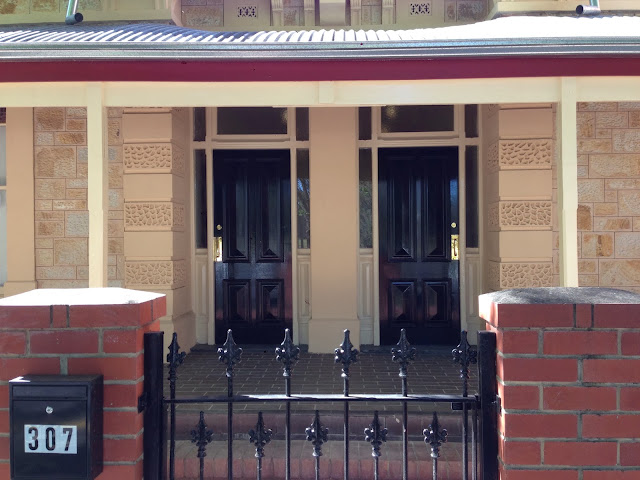
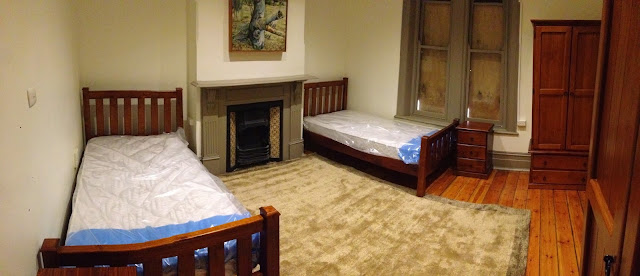
Visible Recovery 3 photos
Visible Recovery’s current treatment operator and admissions have not been verified. The former Adelaide residential substance use service was associated with VISIBLE RECOVERY PTY LTD, ACN 161 462 200 and ABN 79 161 462 200. Public business records document important information about that company, but they do not establish that a treatment program is currently receiving clients. This guide explains the distinction and offers separate, current routes to help in South Australia.
No current provider-operated website, admission contact, program schedule, fee, insurer arrangement, or successor service was established in this review. Historical claims about withdrawal management, residential duration, therapy hours, veterans’ funding, outcomes, and aftercare have not been reinstated. Photographs retained in this listing are labeled as historical images of the former Adelaide facility; they do not demonstrate present-day staffing, accommodation, or availability.
What the public company records show
An Australian Securities and Investments Commission notice published October 17, 2024 recorded a Federal Court winding-up order and the appointment of a liquidator on October 15, 2024. It identified VISIBLE RECOVERY PTY LTD as in liquidation. The notice remains available in primary-source search retrieval, but its direct page returned an error during the October 22, 2026 check. This review does not establish every subsequent development in the company’s administration.
The Australian Business Register entry, retrieved during the current review, shows the ABN as active from October 15, 2024, with GST registration from that date and a main business location in postal area SA 5000. It states that the ABN record was last updated March 21, 2025. An active ABN or GST registration is not confirmation that the former health service is operating or accepting new clients.
These records answer different questions. A tax and business identifier can remain relevant to an entity without verifying a current clinical service. For corporate research, use the precise company name and ACN through ASIC’s official register-search entry points. For treatment, establish the current receiving operator, location, clinical team, and admission process separately. Neither search should be used as a substitute for the other.
If you are trying to arrange treatment now
Begin with your present need rather than an old program description. You may need an assessment, advice about alcohol or drug use, medically supervised withdrawal, counseling, ongoing prescribing, or structured residential support. A qualified health professional should help determine the appropriate setting. The fact that a former service advertised several options does not establish that those options can still be booked under its name.
If anyone offers care using the Visible Recovery name, ask which legal entity provides it and where the service will take place. Request current written information about the program and the clinician or team responsible for assessment. Ask how the proposed operator relates to the company identified in the public records. A similar name, old photograph, or familiar address does not establish a verified continuation of the former service.
Confirm the recipient before sending health records or money. Identify whether you are communicating with a treatment provider, a referral service, a former administrator, or a business contact handling an unrelated matter. If the proposed destination has another name, review that provider on its own current information. Keep the status question explicit until the entity, location, and service can be matched.
South Australian information and referral routes
The South Australian government’s Alcohol and Drug Information Service information lists ADIS as a counseling, information, and referral service run by Drug and Alcohol Services South Australia. South Australian callers can call 1300 131 340 from 8:30 a.m. to 10 p.m. every day. Interstate callers can use (08) 7087 1743 during those hours. This is a separate public support route, not a Visible Recovery admissions line.
Describe the concern, the person’s location, and the kind of support already involved. A referral conversation can help identify which service to approach and what information that service needs. Ask whether the next step is a phone discussion, an appointment, or an assessment elsewhere. Referral information does not guarantee admission, clinical suitability, a particular waiting time, or availability at the first service discussed.
The government’s Know Your Options directory lets readers look for alcohol and other drug services by suburb or postal code. It also separates information for people seeking help themselves, concerned family members, and health professionals. Use a location relevant to daily travel and follow-up, then check the receiving service’s current criteria and contact process. A directory entry is a starting point for that conversation.
Withdrawal care and longer-term support are different needs
For adults needing information about withdrawal assessment, the state directory describes DASSA withdrawal services as assessment and inpatient medical detoxification for alcohol and other drugs, with an adult target group. Use the published contact route to discuss suitability and access before attending. This information concerns DASSA’s service; it does not establish any connection to Visible Recovery or a guaranteed bed.
A residential rehabilitation inquiry should clarify what happens before, during, and after the proposed stay. Ask whether medical withdrawal care is included, provided elsewhere, or not part of the service. Identify who will assess medical and mental health needs and how an urgent change would be handled. Do not use a historical residential brochure to decide that withdrawal can safely be managed without professional advice.
For ongoing care, discuss appointments, prescribing responsibility, practical support, and the arrangements after any intensive phase ends. A useful plan identifies the next provider and the next contact, rather than only naming aftercare as a general benefit. If several organizations are involved, ask how they will coordinate with your consent and who to contact when a part of the plan changes.
Options for a conversation without immediate travel
Counseling Online publishes a free alcohol and other drug chat-counseling service available around the clock. It can be a separate starting point for Australian residents concerned about their own use or someone else’s. Online counseling does not establish that an in-person admission has been arranged, and an online conversation should not replace urgent medical help when that is needed.
If you live outside metropolitan Adelaide or are considering interstate travel, establish the assessment process before buying tickets or arranging accommodation. Ask whether an initial conversation can occur remotely, where any examination must take place, and whether the receiving team has accepted the proposed arrival. A former Adelaide address or an attractive image is not an arrival instruction or confirmation of a reserved place.
Compare the complete practical arrangement
A new service should explain its clinical role and daily expectations in ordinary language. Ask about the program schedule, individual contact, group activities, medical appointments, family involvement, and time outside scheduled care. Identify which supports are actually included and which rely on external providers. This comparison should concern the current service being offered, not an older description attached to the Visible Recovery name.
Consider what makes attendance workable: transport, work or caregiving responsibilities, communication needs, accessibility, and the ability to attend follow-up. Discuss these needs early enough for the receiving team to respond. Do not assume a residential program supplies transportation, private accommodation, specialist equipment, or a particular family-contact arrangement. Obtain the relevant details from the provider responsible for the actual setting.
Before paying, request a written statement naming the operator, services, proposed dates, included items, possible additional charges, and cancellation terms. No current Visible Recovery price or insurance arrangement is verified here. A quote from another provider is a new agreement. Ask the relevant payer about that specific service rather than transferring a historical insurance or veterans’ funding claim to a new organization.
Earlier records, payments, or participation
If you previously attended Visible Recovery, identify the dates, location, and company named in your paperwork. Keep copies of relevant correspondence, receipts, and clinical summaries. Establish who currently holds the records you need and how that responsibility can be confirmed. The contact for a corporate administration may differ from the person responsible for clinical records, and neither role should be inferred from a business-directory telephone listing.
For an unresolved payment or administrative question, identify the exact transaction and obtain current advice about the appropriate recipient. This guide does not establish a refund entitlement, claim deadline, or likely recovery of money. Do not send additional payments or sensitive documents to a person merely because they mention the former service. Confirm their organization, role, and the process they say applies.
For current healthcare, tell the receiving clinician which previous information you have and which records remain unavailable. Ask what is needed for the next clinical decision. A historical records search can continue alongside present-day care. Missing documents or uncertainty about a former operator should not be treated as instructions to stop medication or postpone assessment of a current health concern.
When help is urgent
Healthdirect lists 1800 022 222 for health advice and directs people needing urgent medical help to triple zero, 000. Use emergency services for an immediate medical emergency. An unanswered historical-provider inquiry, business-register search, or routine referral request is not an emergency response service.
For non-emergency next steps, the practical priority is a current assessment and a clearly identified receiving service. Preserve the distinction between the historical company record and today’s care arrangements. Until a current provider-operated source and responsible admission team are established, this listing should not be used to book Visible Recovery treatment or assume that its former program continues unchanged.
Sources reviewed October 22, 2026. ABN details were retrieved directly; the dated ASIC notice was recovered through primary-source search while its direct link was unavailable. Current treatment operation, admissions, successor identity, pricing, and clinical scope remain unverified. The separate South Australian resources have their own access processes.