Villa Paradiso

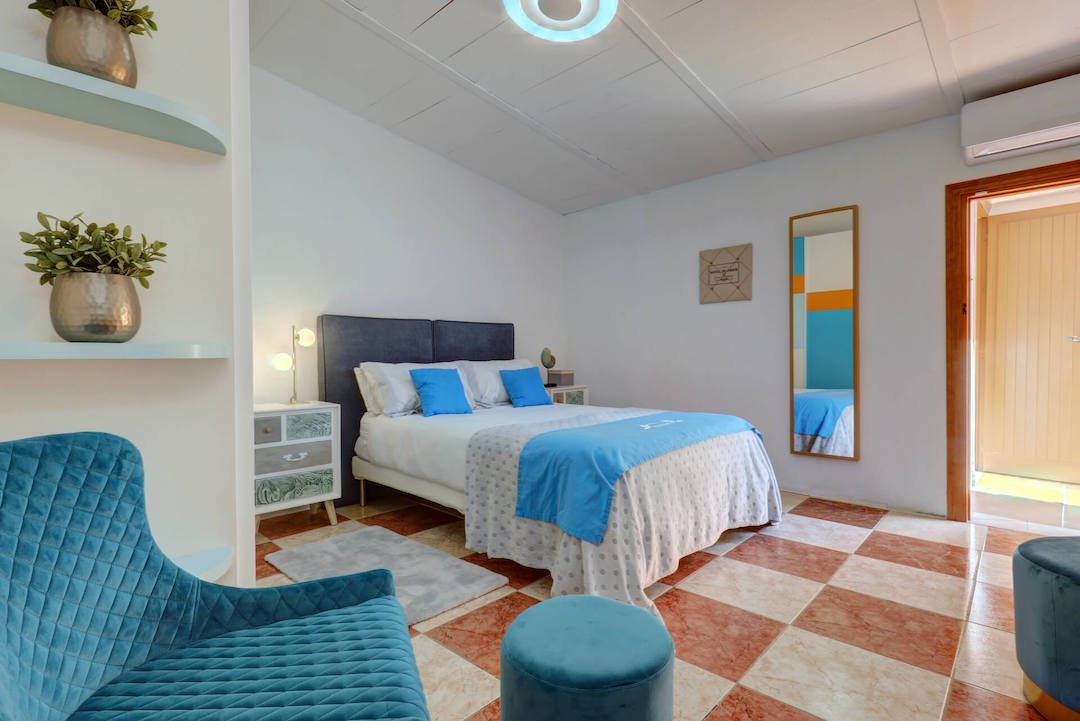

Villa Paradiso 3 photos

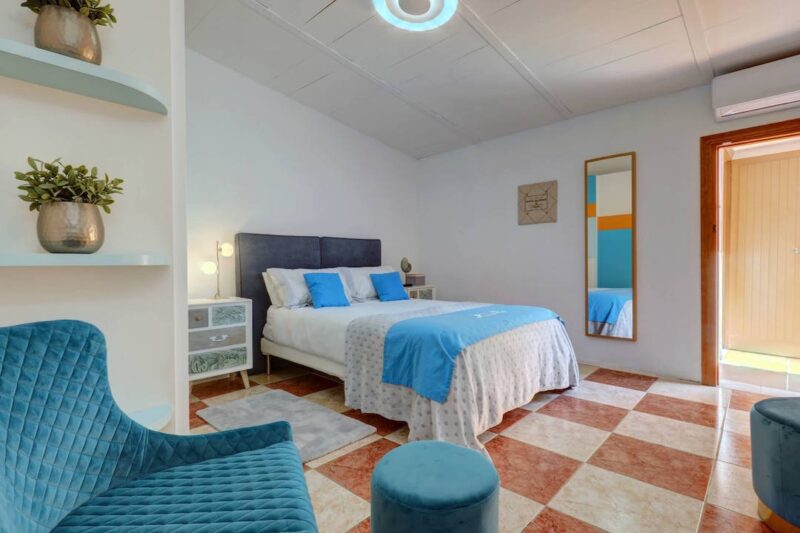

Comparison facts and sources
Private residential addiction and mental-health treatment in the Mijas Hills, with personalized care and a separate residential relapse-prevention program. · Mijas Hills, Marbella, Spain.
- Published fee information
- Quote required
- Before admission
- Program length and clinical placement are personalized. Detox is needs-dependent, the 10-day relapse-prevention stay is a separate program, and current official pages returned intermittent 502 errors during direct checks; absence of a fetched page was not treated as closure.
- Continuing care
- After residential treatment, the provider coordinates ongoing support with selected professionals in the client's home area; it also publishes a separate 10-day residential relapse-prevention program.
Source record · October 15, 2026
Provider-published information checked October 15, 2026. Independent facility-level licensing and insurer participation were not established from the current official evidence. Confirm medical oversight, registration, placement, total charges and insurance in writing.
Luxury rehab comparison · Fees and inclusions · Selection methodology
Villa Paradiso describes a private residential addiction and mental-health program in the Mijas Hills near Marbella, Spain. The provider publishes an individualized treatment-planning process following medical assessment and consultation.
Treatment and continuing care
Where clinically applicable, the provider describes medically managed detoxification alongside psychotherapy, nutrition, exercise and other recovery activities. It also describes continuing-care coordination with selected professionals in a client’s home area. A separate relapse-prevention program is published as a 10-day residential stay with 24-hour support, daily recovery sessions, meals and private-setting services; that specific duration should not be treated as the standard length of the main residential program.
Admissions and fees
The current contact page lists a 24-hour admissions line at +34 689 80 67 69 and the location as Mijas Hills, Marbella. A current provider article says programs are personalized and most clients stay between four and six weeks. No reliable current total main-program fee, insurance policy or tax treatment was found in the official evidence reviewed. Request a written proposal identifying the exact program, length, accommodation, clinical services, medications, tests, external medical services, taxes and continuing-care charges.
Use the assessment to define the actual treatment plan
Villa Paradiso’s treatment-planning description starts with a medical examination and personal consultation. It brings together the reason for seeking help, health needs and goals for life after the stay. This is more specific than selecting a package solely because it is described as private or luxurious. Ask what records are needed, who reviews them and when the team will confirm that the setting is appropriate.
The source describes withdrawal management when applicable, psychological treatment, nutrition, activity and continuing support. The proposed plan should identify which of those elements applies to you, their frequency and the professional responsible. If several concerns are present, clarify which require attention first and how progress will be reviewed. A broad aim to understand underlying causes should not become a promise that identifying one issue will resolve every aspect of addiction. The written plan should allow for medical, psychological and practical needs to be reassessed, including a transfer or outside consultation when the available service is insufficient.
Distinguish clinical roles from general residential support
The provider overview and team page describe psychiatric assessment on arrival, individual and group therapy, meals, transfers and family visiting opportunities. The displayed team includes lead therapist Cristina Pérez, psychiatrist Dr. Sergio Rubio, detox nurses and night-support staff. Older explanatory articles refer to other personnel, so confirm the clinicians assigned to your stay rather than assuming that every name in the site’s history remains part of your team.
Ask who prescribes medication, who is physically available overnight and how urgent concerns reach a medical professional. A night-support role and continuous on-site physician coverage are different arrangements. The provider also lists private en-suite rooms, but that should not be interpreted as exclusive use of the entire residence or treatment without groups. Confirm the room category, current resident numbers and what is included in transport or personal assistance. Those details make the proposal easier to compare with other residential options, while avoiding assumptions based on a broad claim of highly individualized care.
Clarify withdrawal management before travel
The published rehabilitation approach describes medically controlled detox where indicated, followed by therapy and recovery planning. It also uses strong reassurance about comfort and safety. Such language should not be read as a guarantee of painless or risk-free withdrawal. The relevant question is whether the actual clinical setting, monitoring and medical response are appropriate for the person’s current condition.
Tell the assessment team about all recent substances, prescribed medicines, previous withdrawal problems and other medical concerns. Ask whether any stabilization is required before arrival, which medication decisions are made by a physician and what happens if hospital care becomes necessary. If medication is already prescribed for addiction or another condition, agree on the continuation and follow-up plan rather than changing it to match a marketing description. The plan should also explain how the person moves from immediate withdrawal care into continuing treatment. This makes a proposed international admission clearer than relying on detox as an undefined item in a package.
Understand the setting, shared spaces and activities
The facilities description places Villa Paradiso in the hills near Marbella and describes private accommodation alongside communal lounge, dining and internet areas. It lists a pool, gym, movement activities, massage and optional interaction with animals. These details describe a residential environment with shared elements. They do not establish that every activity is available every day or suitable for every person.
Ask about accessibility, room and bathroom arrangements, dietary needs and transportation between the residence and any outside appointment. Physical activities should be adapted to ability and clinical circumstances, with alternatives where needed. The source allows family or close-friend visits according to the individual case and the client’s wishes, so visiting should be arranged rather than assumed. For someone seeking discretion, clarify how shared spaces, photos, phone use and outside visitors are managed. The environment can be considered for comfort and practicality, while the clinical program needs its own clear schedule and responsibilities. Views and leisure amenities are not substitutes for that information.
Co-occurring conditions require one coordinated plan
The dual-diagnosis page lists concerns that may accompany alcohol or drug problems, including depression, anxiety, trauma, grief and work-related stress. It also names other behavioral and cognitive difficulties. This establishes the range of concerns the provider discusses, but it does not confirm admission for every severity or the availability of every specialist service that a complex presentation may require.
Ask how psychiatric assessment, addiction treatment and any relevant medical care are coordinated. A useful plan identifies the main clinician, current prescriptions, therapy goals and the response if symptoms change. Someone with significant cognitive problems may need specific assessment and support; a condition appearing in a list should not be treated as proof that those needs can all be met in a small residential program. Provide previous records where possible and discuss functional difficulties such as managing medication or personal care. The discharge arrangements should connect the appropriate professionals in the person’s home area, so treatment of one concern does not become disconnected from the other.
Seeking help primarily for depression or anxiety
Villa Paradiso’s mental health treatment information describes assessment and individual therapy for depression and anxiety, including consideration of co-occurring concerns. Someone applying primarily for a mental health condition should ask how that pathway differs from addiction treatment. Relevant distinctions include the lead clinician, psychiatric appointment frequency, group content and the criteria for accepting a residential placement.
The source discusses medication as one possible component of care. Prescribing and any changes should be clearly assigned to an appropriately qualified professional; a general therapy description does not resolve that responsibility. Tell the team about recent changes in functioning, previous treatment and any immediate safety concern before arranging travel. Ask how progress will be monitored and when a different setting or more intensive assessment would be recommended. For the return home, identify ongoing therapy and psychiatric contacts early. A residential stay may form part of a longer plan, rather than providing a fixed endpoint after which every symptom is expected to disappear.
The ten-day relapse-prevention stay is a separate offer
The relapse-prevention program is advertised as a ten-day residential stay with daily recovery sessions, meals, housekeeping and round-the-clock support. It is distinct from the main residential program and should not be used to imply that ten days is the usual or sufficient treatment length for every new admission. Confirm who the shorter offer is intended for and which assessment is needed before booking.
Ask what daily sessions involve, which staff are available outside those sessions and how the program responds if the person needs withdrawal management or more intensive care. A maintenance stay should not be assumed to replace an acute medical or psychiatric assessment. Obtain a dated quotation explaining accommodation, clinical appointments, tests, medication, transfers, taxes and any continuing-care charges. A heading about packages without a complete current tariff is not enough to calculate a total. Also confirm cancellation and extension terms. The goal is to understand the actual service being proposed, rather than treating a reassuring program name as a promise that relapse cannot occur.
Plan the duration and privacy arrangements realistically
A provider article about the residential experience describes most main-program stays as four to six weeks, with individual adjustment. It also describes individual therapy, groups and educational workshops within a small residential community. That account supports a distinction between private accommodation and exclusive treatment. Confirm the present schedule and capacity instead of assuming that a private setting removes every shared element.
For an international stay, discuss the proposed dates, transport, essential work or family contact and the conditions under which an extension might be recommended. Ask which services are included in the initial period and how a longer stay would be priced. Privacy arrangements should cover records, communications, visitors and consent to involve other people, not simply the property’s location. The source is a provider description of its service, not an independent comparison of all centers in Spain. Consider the setting alongside clinical suitability and an achievable plan for continuing care after return home.
Make the continuing-care offer concrete
Villa Paradiso’s description of continuing support includes individual follow-up and online recovery groups for up to twelve months. This is a useful point to clarify in a proposal: ask which contacts are included, their frequency, who delivers them and whether the offer differs by program or length of stay. An upper duration does not specify how many clinical appointments a person will receive.
Someone returning to another country should confirm how the team coordinates with local clinicians and whether a proposed remote professional can provide care where the person will be located. Prescriptions, psychiatric review and practical support may require separate local arrangements. Ask for named contacts, consent-based transfer of relevant information and a plan if the first referral is unavailable. Groups and check-ins can support continuity, but they do not guarantee an outcome or replace an emergency service. A written discharge plan should connect the agreed follow-up with the person’s actual housing, work, family and health needs.
Additional published provider material reviewed October 18, 2026. Official service pages were available through public page retrieval, while some direct website requests were unsuccessful. Program details, assigned clinicians, availability and complete charges should be confirmed directly. Older article descriptions are identified separately from current service listings.
Official sources checked October 15, 2026: treatment plan, 10-day relapse-prevention program, contact information.