Tranquility Woods


Tranquility Woods 2 photos

Comparison facts and sources
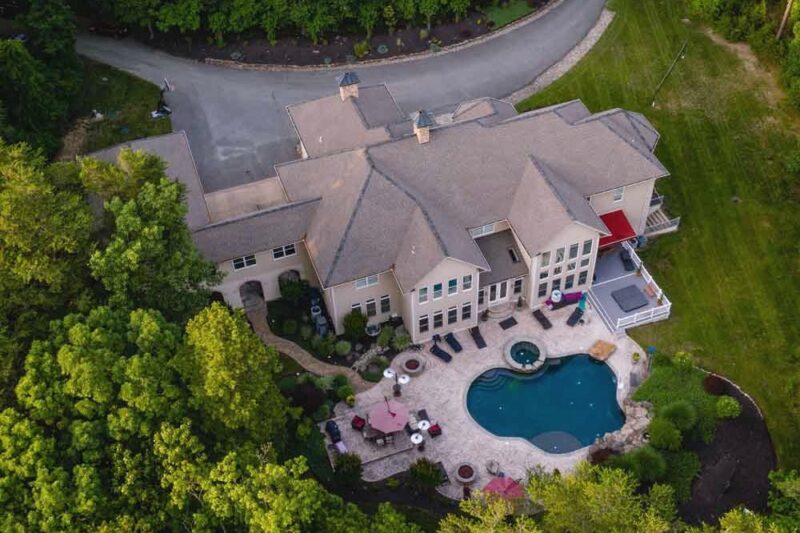
Adult residential substance-use treatment with supervised detoxification, dual-diagnosis care, individual and group therapy, followed by extended care, PHP or IOP when appropriate. · 171-A Ryan Road, Pasadena, Maryland 21122; 40-client addiction residential program on a 40-acre property. The mental-health residential and PHP/IOP addresses are separate.
- Published fee information
- Quote required
- Before admission
- Confirm substance-specific detox suitability, authorization, length of stay, room arrangement, step-down location and total patient responsibility before admission.
- Continuing care
- The continuum includes extended care with supervised sober living, PHP, morning or evening IOP and individual discharge/aftercare planning. Exact duration depends on program and clinical need.
Source record · October 16, 2026
Provider-published information checked October 16, 2026. The provider presents CARF accreditation; confirm current Maryland program licensing, exact campus, eligibility, payer authorization and itemized costs directly.
Luxury rehab comparison · Fees and inclusions · Selection methodology
Tranquility Woods provides residential and step-down treatment for substance use and co-occurring mental health conditions in Pasadena, Maryland. Its addiction residential campus is at 171-A Ryan Road, while the provider identifies a separate mental-health residential setting at 804 River Glen Road; this profile represents the addiction program and should not be read as a single-campus description of both services.
Program and setting
The provider describes 24/7 residential care with supervised alcohol withdrawal management, detoxification for many substance dependencies, at least four individual therapy sessions weekly, daily groups, and integrated treatment for anxiety, depression, trauma and PTSD. Its current continuum also includes extended care, PHP and IOP. The residential program serves up to 40 clients on a wooded 40-acre property.
Length of stay and insurance
Residential stays start at 30 days. Tranquility Woods says 60 days is commonly recommended and 90 days is available when clinically appropriate. It reports working with most private insurance and specifically lists Aetna PPO/POS, Anthem PPO/POS, CareFirst PPO, Blue Cross Blue Shield PPO, Cigna PPO/POS and Tricare East; benefits and out-of-pocket costs still need individual verification.
Match the treatment offer to the correct location
The current program overview distinguishes addiction residential care in Pasadena from a separate residential mental health setting and several services in Arnold. The addiction program is the one represented by this profile. A family comparing options should obtain the actual treatment address and program name rather than assuming all services advertised under Tranquility Woods happen in the same residence.
The overview describes at least four individual therapy sessions weekly for the addiction residential program, together with daily groups and care for co-occurring concerns. It separately describes extended care with work and academic flexibility, PHP, and IOP. These labels represent different arrangements for clinical time, supervision, and accommodation. Ask which phase is proposed, how individual appointments are divided between addiction and mental health care, and what a transfer to another phase would involve.
If continued employment or study is important, discuss it in relation to the actual program. Flexibility advertised for extended care should not be assumed to apply to the most intensive residential phase. Confirm housing, transport, and any separate fees before agreeing to a sequence of services. Request an address-specific weekly timetable so commitments can be planned around required attendance.
Use the admission assessment to identify practical and clinical needs
The admissions guide outlines a call with the admissions team, insurance verification, a pre-admission telephone assessment, and an agreed arrival date. It describes the telephone assessment as usually taking about ten to fifteen minutes, sometimes longer when there are more medications to discuss. That initial conversation is a useful starting point, rather than a replacement for the subsequent clinical assessment.
Prepare the substance use history, current prescriptions, previous treatment, and any significant withdrawal or mental health concerns. Ask who reviews this information before an admission is confirmed and what further records may be needed. If a family member is arranging the stay, establish how the prospective resident will participate and what information they consent to share.
The guide also discusses taking time away from work. Confirm what documentation the program can provide, while checking eligibility and workplace requirements with the relevant employer or adviser. The provider cannot determine every external leave decision. A practical admission plan should also cover arrival transport, medication handling, expected communication, and a contact if circumstances change before the agreed date.
Understand the residential setting and the included treatment
The addiction residential program page describes care for adults on a 40-acre property, with a maximum of forty clients across four homes. It identifies a sixteen-client residence and three eight-client homes, with gender-specific accommodation and staff available around the clock. This is a shared residential program rather than exclusive occupancy of an entire property.
The same page describes medical assessment, detox, medication management, individual addiction and mental health therapy, groups, and weekly in-person or virtual family sessions. It also lists included wellness activities, such as yoga, acupuncture, meditation, fitness, and a weekly massage. These activities should be distinguished from medical treatment and psychotherapy when reviewing the weekly plan.
Ask which house and room are being offered, how clinical sessions are scheduled, and whether an activity can be adapted or declined when unsuitable. Discuss the medical monitoring required for withdrawal and the circumstances that would require hospital care. The presence of medical staff and comfortable housing does not establish that every medical condition can be managed in the residence. Confirm whether access to fitness areas and off-site activities changes during detox or requires specific clinical clearance.
Keep the separate mental health program distinct
Tranquility Woods also publishes a residential mental health program with a six-week curriculum. It describes individual and group work, psychiatric support, family involvement, and skills drawn from approaches including CBT, DBT, and acceptance and commitment therapy. The topics include mood, anxiety, grief, relationships, boundaries, and preparation for discharge.
Someone seeking help primarily for a mental health condition should ask about this program directly instead of assuming the addiction residence is the appropriate setting. Conversely, a person needing withdrawal management should establish which program handles that need and whether a change of location is involved. Ask who determines suitability and whether the proposed team can address the person’s current symptoms, physical health, and medication needs.
A six-week curriculum describes the program’s organization; it is not a prediction of an individual’s recovery time. Clarify the planned review points, available extensions, and next steps after residential care. Family and experiential activities should also be matched to clinical needs and consent, with clear alternatives where participation would be inappropriate or impractical.
Check the time commitment and housing for PHP
The dedicated PHP page describes an eight-week Living in Balance program for adults, with in-person and virtual options. It specifies Monday-through-Thursday day sessions, twenty hours of group therapy weekly, and weekly individual addiction therapy. The location is Arnold, Maryland. These details provide a more useful planning basis than the label day treatment alone.
The curriculum addresses triggers, stress, emotions, problem-solving, family relationships, and grief. Ask how the individual session connects those topics to the person’s circumstances and what progress reviews determine readiness for a different level of care. An eight-week outline should be checked against the actual admission plan and insurance authorization.
Establish whether the person will live at home or in a separately arranged residence, how they will reach sessions, and whether housing includes any supervision. Virtual availability also requires confirmation of eligibility, the person’s location, technology, privacy, and clinical fit. Compare this specific PHP schedule with any extended-care offer because the provider’s wider continuum contains several arrangements; the hours and accommodation described for one should not automatically be transferred to another.
Understand what the outpatient schedule includes
The IOP description offers morning, afternoon, and evening options, as well as in-person or virtual participation. It describes groups Monday through Thursday and one weekly individual or family session tailored to the person’s needs. This means the weekly individual and family appointment should not automatically be counted as two separate guaranteed sessions.
The Living in Balance curriculum covers substance use, cravings, emotions, physical health, communication, relationships, support networks, work, finances, and longer-term planning. Those subjects can be connected to the practical challenges of returning to everyday responsibilities. Ask which time slot is available, how attendance is monitored, and how missed sessions are handled.
Before choosing virtual care, discuss privacy at home, access to a suitable device, and the plan if symptoms worsen between appointments. For in-person care, confirm the treatment address and realistic travel time. Outpatient treatment does not supply the overnight supervision of residential care, so the team should assess whether the person’s home and support arrangements fit this stage. Also establish when the plan will be reviewed and how any further step down is coordinated.
Identify clinical responsibility and aftercare coordination
The staff directory distinguishes medical and clinical professionals, addiction counselors, mental health therapists, admissions staff, and an aftercare coordinator. It identifies Michelle McCoy as Clinical Director and lists professional roles alongside individual team members. These are the provider’s own staff descriptions, not an independent verification of current credentials or availability.
A prospective resident can use that structure to clarify who will manage each part of care. Ask who conducts the medical evaluation, who prescribes, who provides the individual therapy appointments, and who brings the plan together when needs overlap. Confirm the actual assigned professionals and their availability rather than assuming everyone pictured in the directory will work with every resident.
The aftercare role also deserves a specific conversation. Before discharge, distinguish referrals from confirmed appointments and establish who will arrange records, prescriptions, and follow-up with permission. If another residence or outpatient service is proposed, obtain its details and costs early. Clear responsibility makes the transition easier to understand and provides a route for asking questions if the plan changes during the stay. Ask who provides cover if the designated coordinator is unavailable during the planned discharge period.
Verify benefits for the exact program and proposed stay
The insurance verification page lists selected PPO and POS plans, Tricare East Select, and other named products. It says the team checks active coverage, behavioral health benefits, deductibles, coinsurance, and policy restrictions. The same page explicitly says it cannot accept Medicare or Medicaid from any state. A general insurer name should therefore not be substituted for verification of the particular plan.
Ask whether the specific facility and level of care are covered, whether advance authorization is required, and how much of the proposed stay is currently approved. The treatment recommendation and the payer’s authorization should be explained separately. If a longer stay is recommended, establish when costs and available choices will be discussed.
Request a written estimate identifying the residential fee, any outside clinical services, medications, transportation, and later housing or outpatient charges. For private payment, obtain the equivalent breakdown and the terms governing extensions, early departure, or a change of program. This makes it possible to compare the actual care offered rather than relying on a broad statement that private insurance is accepted.
Additional provider information checked October 18, 2026. The linked pages describe different Tranquility Woods programs and locations. Confirm the exact service, address, schedule, and financial terms directly before admission.
Contact
Addiction residential address: 171-A Ryan Road, Pasadena, MD 21122. Current main/admissions numbers displayed by the provider are 443-815-4019 and 410-849-6516.
Sources checked October 16, 2026: official program overview, official residential program page, and official FAQ.