Tranquility Home Rehabilitation Clinic

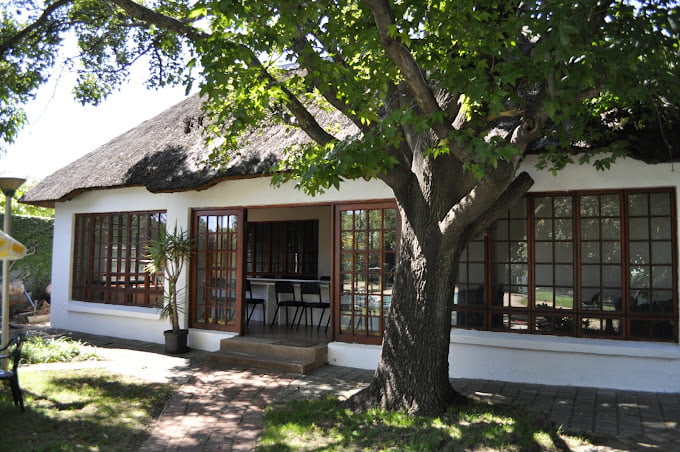

Tranquility Home Rehabilitation Clinic 3 photos

Comparison facts and sources
Single-site Midrand addiction clinic offering onsite medically supervised detox, 24/7-supported inpatient care, a structured day outpatient program and a defined aftercare pathway. · 438 Chattan Road, Glenferness, Midrand, Gauteng, South Africa.
- Published fee information
- Quote required
- Before admission
- The dedicated inpatient page gives 21 days to three months, while the treatment overview gives 24 to 90 days. Aftercare duration also differs between official pages. Obtain the assessed program, starting service, medication plan, expected duration, aftercare arrangements, medical-aid authorization and complete personal costs in writing.
- Continuing care
- The dedicated aftercare page describes continuing Monday and Tuesday evening Zoom meetings with no fixed end date, while the general FAQ still describes an eight-week aftercare program. Confirm whether these are different phases, which meetings or individual sessions are included, the current schedule and any separate fees.
Source record · October 19, 2026
Reviewed October 19, 2026: the clinic’s withdrawal-medication scope, continuous nursing versus regular medical visits, conflicting inpatient and aftercare duration descriptions, and individual quotation process. Confirm suitability, current availability, the actual schedule, medical-aid authorization and complete costs.. Confirm current admission criteria, clinical suitability, medical-aid authorization, covered days, co-payments and self-pay charges directly with the clinic.
Luxury rehab comparison · Fees and inclusions · Selection methodology
Tranquility Rehabilitation Clinic is a residential and outpatient addiction-treatment provider at 438 Chattan Road, Glenferness, Midrand, Gauteng. Its current website describes an on-site medical detox unit, 24/7 nursing support, psychiatric care and individualized treatment for substance-use disorders, including dual-diagnosis presentations.
Levels of care and duration
The provider offers inpatient, outpatient and aftercare programs. Its dedicated inpatient page gives a residential range of 21 days to 3 months, subject to assessment and clinical need. The outpatient program is a structured 6- to 8-week day program in which clients return home in the evenings. Aftercare continues with counseling, group work, relapse-prevention and family support.
Medical aid and self-pay
Tranquility says it works with major medical-aid providers and helps clients verify benefits. Its medical-aid page says Prescribed Minimum Benefit cover typically extends to up to 21 days of inpatient rehabilitation per year, but pre-authorization, co-payments and plan-specific limits may apply. No fixed current self-pay package was published on the pages reviewed, so an individual written quote is required.
The Glenferness clinic and the team described by the provider
Tranquility’s current clinic overview describes its move from Linden to a 12,000-square-meter property in Glenferness, Midrand. The team includes medical, psychiatric, nursing, psychological, social-work, and addiction-counseling roles. The provider also states that it is registered with the Department of Health, Department of Social Development, and Board of Healthcare Funders. These are provider-published descriptions, rather than an independent inspection or a guarantee of a particular treatment result.
The page emphasizes individual treatment planning and publishes a counselor-to-patient ratio of one to three. Clarify how that ratio relates to scheduled individual counseling, group work, and staff availability during the proposed admission. It does not establish that a dedicated clinician is continuously assigned to each patient. A useful assessment identifies the person’s substance-use concerns, health conditions, previous treatment, and practical support needs. Ask who will coordinate those parts of care and how the plan is reviewed when circumstances change. The setting and staff mix should be considered alongside the actual clinical schedule.
Residential structure, medication scope, and differing duration descriptions
The inpatient program describes daily individual addiction counseling, group work, family support, and a structured routine. It lists behavioral, motivational, psychodynamic, and other therapeutic approaches. Medication is described as supporting withdrawal; the page explicitly says its protocol is not opioid substitution therapy. Anyone using prescribed medication for an opioid-use disorder should therefore clarify the actual prescribing and continuity arrangements before choosing this program.
The dedicated inpatient page gives a range of 21 days to three months, while the treatment-options overview says 24 to 90 days. These descriptions should not be combined into an assumed standard package. Request the recommended starting duration, review points, and extension arrangements in writing. Clinical need and authorized funding are separate considerations, and neither published range establishes what a particular person must complete. The program also includes six onsite recovery meetings each week, but the balance between those meetings, individual counseling, and other clinical work should be confirmed for the actual treatment plan.
Medical coverage and the practical living environment
The facilities page distinguishes medical assessment on arrival, regular examinations and prescriptions by a doctor, and a qualified nurse on duty at all times. This is a more specific description than assuming that every member of the medical team is physically present around the clock. Discuss physician and psychiatric availability, how urgent changes are assessed, and what happens if care beyond the clinic’s capability is needed.
Daily life includes meals prepared on site, provision for individually assessed dietary needs, meditation, yoga, exercise, and recreational spaces such as the pool and games areas. These features may support a workable daily routine, but they do not establish a medical indication for residential treatment. Confirm the proposed room arrangement, accessibility, dietary requirements, and any restrictions relevant to recovery before arrival. A person with significant physical health needs should receive an explicit plan for those needs rather than relying on a general description of medical supervision or the appearance of the property.
Alcohol care begins with assessing withdrawal risk
The clinic’s alcohol treatment page describes onsite medically supervised detox followed by residential therapy when appropriate. It warns that withdrawal after heavy drinking can involve serious complications and should not be treated as a simple test of willpower. Its stated model combines medical support with a structured program, family involvement, and a Minnesota Model approach to recovery meetings.
Before arranging admission, explain the pattern of drinking, previous withdrawal experiences, current medicines, and any physical or mental health concerns. The medical team needs that history to advise on a suitable setting and safe next steps. The provider’s residential range is a program description, not a promise that withdrawal or recovery will be complete within a particular number of days. For families, the page offers an admissions conversation and continuing family groups. That support can help relatives prepare and communicate, while treatment decisions and consent still need to respect the person receiving care. Urgent medical symptoms require prompt assessment rather than waiting for a planned admission.
The outpatient program requires a workable home arrangement
Tranquility’s outpatient program is described as six to eight weeks of structured daytime care, with clients returning home in the evening. It includes weekly individual counseling, group therapy, family intervention sessions, assessment, education, and relapse-prevention planning. Weekly medical consultations are also described. This differs from living at the clinic with continuous support.
The provider identifies a stable, supportive home environment and the absence of withdrawal symptoms requiring medical supervision among the considerations for this pathway. Having work or family commitments is therefore only one part of determining suitability. Ask how many days and hours attendance requires, whether those sessions can fit around responsibilities, and what happens if symptoms or substance use increase between appointments. The page says the team can help move clients to another level of care when assessment indicates a need. Confirm the practical transfer process, expected costs, and clinical review rather than assuming that a higher level of support is automatically reserved.
Aftercare continues, but the published timeframes need clarification
The dedicated aftercare page now describes ongoing weekly Zoom meetings on Monday and Tuesday evenings, with no fixed end date for former patients. It also discusses counseling, family work, recovery coaching, and in-person support. In contrast, the general FAQ still describes an eight-week aftercare program. Both statements remain visible, so confirm whether an initial structured phase differs from the continuing meetings.
A discharge plan should identify which appointments are arranged, how often a clinician is involved, and what is included or billed separately. Continued access to peer meetings does not establish unlimited individual therapy or medical care. People returning outside Gauteng should clarify remote participation, contact arrangements, and local prescribing or clinical follow-up. The aftercare page uses the term “biweekly” for some in-house sessions without defining the interval; request the current schedule rather than interpreting it as either twice weekly or every two weeks. Family support and the individual’s own follow-up plan should both be discussed before discharge.
Obtain a written medical-aid and self-pay breakdown
The current medical-aid and fees page says each program is quoted after assessment. Price depends on treatment type, duration, whether medical detox is needed, and the person’s coverage. The clinic describes helping with pre-authorization and explaining any copayment before admission. It separately identifies outpatient and aftercare services as requiring their own quotation based on the proposed sessions.
Request a written breakdown that distinguishes clinic charges, authorized benefits, and the amount the patient will owe. Include any days beyond the initially approved stay, separately billed medical services, and changes in the treatment plan. The page’s reference to typical prescribed-minimum-benefit coverage is general guidance, not a confirmation that every member can attend this specific clinic without additional costs. Verify both the program and the provider with the medical scheme. For self-pay care, establish payment timing, cancellation or early-discharge terms, and how an extension would be priced. The current page does not publish a universal package that can safely be applied to every admission.
How to interpret prescribed minimum benefits carefully
The Council for Medical Schemes’ February 2021 substance-use guidance explains prescribed minimum benefits using specific diagnosis-and-treatment categories. Its rehabilitation example describes hospital-based management for up to three weeks per year, and it distinguishes that from other qualifying acute presentations. The guide also explains that outpatient substance-use treatment is not included in that stated minimum and discusses designated service providers and possible copayments.
This is a dated regulator explanation, not an individual benefit authorization or proof of a clinic’s current network status. Use it to frame precise questions for the scheme: which category applies, whether Tranquility is an approved provider for the member’s plan, what documentation is required, and which services or days fall outside the authorization. Additional benefits may differ from the statutory minimum. A clinical recommendation for longer residential care, outpatient therapy, or aftercare needs its own funding discussion. Obtain a current written answer from the scheme before relying on a general statement about 21 covered days.
The recovery model and the role of family and peer support
In a January 2020 explanation of its treatment philosophy, the clinic’s founder describes four components: structured care, medication where appropriate, family involvement, and a continuing recovery network. The article provides context for the program’s emphasis on routines and 12-step participation. It should not be read as proof that this combination is uniquely effective or that everyone follows an identical recovery pathway.
When considering the clinic, discuss how the approach fits the person’s preferences, beliefs, previous experiences, and clinical needs. Ask how counseling addresses concerns that are not resolved by attending meetings, and how family involvement is handled when relationships are strained or unsafe. A useful support plan identifies helpful people and practical boundaries without assigning blame for addiction to relatives. Peer sponsorship and meetings can be parts of a continuing support network, while medical assessment, prescribing, and psychotherapy remain distinct professional services. Establish how those elements work together in the current program rather than relying only on the philosophy article.
Current clinic pages reviewed October 19, 2026. The regulator explanation is dated February 2021 and the founder’s philosophy article January 2020. Current eligibility, schedules, medication arrangements, coverage, and fees require individual confirmation.
Compare South African treatment options, alcohol treatment, and care for co-occurring conditions.
Official sources checked October 10, 2026: clinic overview, inpatient program, outpatient program, medical-aid guidance.