The Right Step Houston


The Right Step Houston 3 photos


Comparison facts and sources
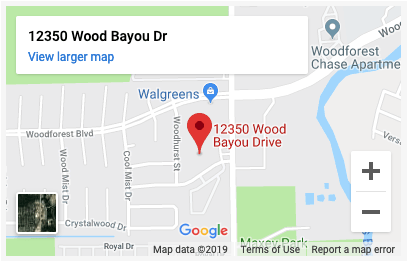
An adult Houston campus providing medically supervised detox, inpatient/residential rehabilitation, PHP, IOP and continuing care. · 12350 Wood Bayou Drive, Houston, Texas 77013.
- Published fee information
- Quote required
- Before admission
- Confirm the assigned Houston schedule: local evening groups total nine hours across three nights, while broader outpatient guidance describes 10 total weekly hours. Additional appointments, clinical eligibility, authorization, included services and patient responsibility require individual confirmation.
- Continuing care
- Treatment completers are eligible for weekly clinician-led aftercare groups for up to two years; the provider FAQ says the group is free for past clients.
Source record · October 19, 2026
Official Houston and program information reviewed through public search retrieval on October 19, 2026. Local group times are distinguished from network examples; confirm current program details, eligibility, availability and personal financial terms directly..
Luxury rehab comparison · Fees and inclusions · Selection methodology
The Right Step Houston is part of a Texas addiction-treatment network. Its Houston and outpatient-program pages describe a continuum from medical detoxification and residential care through partial hospitalization, intensive outpatient treatment and aftercare.
The Houston team treats alcohol and drug concerns and supports co-occurring mental-health needs. Residential stays are individualized; the provider’s general program pages describe residential programs around 28 days and PHP around 30 days, with actual timing determined by clinical need. Everyone completing treatment is eligible for a two-year weekly aftercare program.
The Right Step accepts a range of PPO plans and Medicaid options and offers benefits verification. Coverage, program cost and length of stay depend on the individual plan and clinical assessment; no standard public weekly price was found.
The Houston campus publishes a local evening timetable
The Houston campus page identifies 12350 Wood Bayou Drive and lists inpatient treatment, detox, outpatient care, dual diagnosis support, and alumni services. Evening outpatient groups are published for Monday, Wednesday, and Thursday from 6 to 9 p.m. Tuesday aftercare is listed from 6:30 to 7:30 p.m., with family aftercare from 6 to 7:30 p.m.
Confirm the current cohort before relying on those times. The three evening blocks describe nine scheduled group hours; individual appointments and other services need separate clarification. A local timetable is more useful for planning travel or work than a general network description. It also keeps outpatient attendance separate from living at the campus. The receiving program, start date, and any additional appointments should be clear before enrollment.
Residential treatment includes an individual clinical plan
The provider’s residential treatment description explains a structured, multidisciplinary approach with assessment, individual and group work, medical support, and continuing-care planning. It describes home-like surroundings and the opportunity to work on substance use alongside mental health concerns.
These network descriptions do not establish private-room occupancy, a particular staffing assignment, or a standard Houston package. Ask how the proposed residential day is organized and how psychiatric, nursing, and therapy contact fit the person’s needs. The expected stay should follow the assessment and ongoing review rather than a duration selected from a general article. It is also useful to distinguish overnight supervision from the capabilities of an acute medical or psychiatric hospital. Explain relevant health conditions and recent treatment before admission so the receiving team can determine whether the campus is appropriate and how any outside services would be arranged.
PHP is daytime care with its own requirements
The PHP page explicitly includes Houston among The Right Step’s Texas program locations. Its general model is four to six hours a day, five days a week, with around 30 days discussed as an average rather than a fixed course. People return home outside treatment hours, and individual needs determine the actual plan.
Confirm the Houston group’s current times and which services are included. A day program can involve a substantial weekly commitment even without overnight accommodation. Ask how therapy, medication management, family work, and case coordination are scheduled and how progress affects a move to another level. Anyone traveling from outside Houston will also need a separate living and transportation plan. The term partial hospitalization should not be taken to mean that a residential bed is included or that every person needs the same duration.
Network outpatient hours need local confirmation
The outpatient program overview describes three weekly days and approximately ten total hours, with individual, family, and group work. It also says Houston offers PHP on five weekdays. These are broader program descriptions and should be checked against the assigned Houston timetable.
Group hours, individual appointments, and family sessions may be scheduled differently, so ask for the full weekly calendar rather than assuming every component fits within an evening block. Outpatient care may be recommended after residential treatment or as an initial placement following assessment. The appropriate choice depends on current needs and the support available between visits. Discuss work, childcare, transport, medication follow-up, and any uncertainty about the living environment. An insurer’s authorization for one service should not be assumed to cover every additional appointment or a later change in intensity. The written plan should identify both attendance and financial responsibility.
IOP selection considers support outside treatment
The IOP explanation places intensive outpatient care between standard outpatient appointments and PHP. It identifies the severity of substance use concerns, stability of the household environment, and other mental or physical health issues as considerations when selecting a level.
For someone comparing a residential stay with evening attendance in Houston, those considerations are practical as well as clinical. The assessment should address what happens after the person leaves a session and whether further support is needed. A convenient schedule does not by itself establish that outpatient care is suitable. Explain previous treatment, current prescriptions, and any difficulty attending appointments or managing symptoms between them. Ask how the team reviews progress, what would prompt a change in the plan, and who is responsible for care outside program hours. The advertised continuum offers possible pathways, rather than requiring every participant to move through an identical sequence.
Admissions begins with an assessment and coordination
The admissions guidance describes a complimentary initial assessment and discussion of medical history, mental health, substances used, and prior treatment. The team then works through the proposed program and insurance questions. Its statement that some locations have clinicians available around the clock should not be treated as a guarantee about every staff role at Houston.
Before traveling, confirm that the receiving team has accepted the placement and identify any records or further assessments still needed. Ask about the arrival time, appropriate transport, accessibility needs, and what the first day involves. A free assessment is distinct from the cost of treatment. Similarly, help with logistics does not automatically mean transport or every ancillary service is included. The most useful outcome of the initial conversation is a clear clinical recommendation and a concrete admission plan, with outstanding financial or medical questions identified rather than assumed resolved.
Family visits and therapy follow the care plan
The provider FAQ says visits and family therapy are offered when clinically appropriate. The primary therapist works with the patient on readiness for visitors, and family sessions can be in person or by telephone. Separate family-program availability varies by location.
Relatives should confirm the current Houston arrangements before making travel plans. A visit, family therapy appointment, and family aftercare group have different purposes and may involve different participants. Discuss the patient’s consent and what information can be shared. Family members may have useful knowledge about living circumstances or past care without directing the treatment plan themselves. If involvement is difficult or unsafe, ask about other sources of support. The FAQ also advises people to obtain the correct mailing address and permitted-item instructions before sending belongings. These practical details help preserve contact without assuming unrestricted access during treatment.
The two-year aftercare offer has defined eligibility
The aftercare program page says people who complete treatment are eligible for two years of weekly groups led by licensed clinicians. It describes support, counseling, recovery resources, and referrals. Its general discussion of a roughly 28-day residential stay is an illustration of treatment pathways, not a personal Houston length-of-stay guarantee.
Before leaving the program, establish which group is offered, how to enroll, and how participation works if the person returns to another area. Eligibility for weekly aftercare is different from receiving unlimited individual therapy, medication management, or urgent clinical care. Those services need their own follow-up arrangements. Ask how the team connects patients with community clinicians and what to do if a planned referral does not proceed. A useful continuing-care plan gives actual appointments and responsible contacts alongside any group the person chooses to attend, rather than relying only on the name of an aftercare benefit.
Rooted alumni support is separate from clinical aftercare
The Rooted alumni program is described as a free lifelong service for alumni of The Right Step family of centers. Its information includes weekly meetings in different cities and online meetings through Zoom. This is a different participation offer from the separately described two-year clinician-led aftercare program.
Confirm the current meeting options available to Houston graduates, their format, and how to join. Online participation may be useful after moving away, but a published nationwide program does not establish that every city has an active in-person group. Alumni connection can complement ongoing treatment and everyday support. It should not replace appointments with the professionals responsible for therapy or prescriptions. Participation also need not involve sharing a public testimonial or personal story. The useful question is which available activities fit the person’s circumstances, interests, and continuing-care plan, including alternatives when a particular meeting format does not suit them.
Co-occurring care addresses substance use and mental health together
The dual diagnosis description explains an integrated approach to substance use and mental health concerns. It discusses assessment, therapy, coping skills, and support adapted to the person’s history and goals. This supports considering both areas during an admission inquiry rather than treating one as irrelevant to the other.
The exact Houston services still need to match the current presentation. Ask who provides psychiatric assessment, how existing medication is reviewed, and how medical and therapy staff coordinate. A broad list of diagnoses on a network page does not establish that every severity or acute crisis can be managed at every campus. Explain recent hospital care, changes in symptoms, and other health needs before acceptance. The resulting plan should identify what is provided onsite and what would require another service. Treatment descriptions do not establish a guaranteed response or replace an individual clinical recommendation.
Insurance verification needs the exact policy and program
The verification page states that the provider accepts insurance and Medicaid and invites people to check their policy. That is a starting point for a benefits discussion, not confirmation that every Medicaid arrangement, employer plan, or proposed stay is covered.
Request verification for the actual Houston service, receiving facility, and recommended period. The estimate should identify any deductible, copayment, coinsurance, noncovered care, or separately billed professional services. Ask how an extension or move from residential care to PHP or IOP would affect authorization. A policy name alone cannot resolve these questions. The provider’s general material does not publish one universal weekly self-pay price, so a written individual estimate is more useful than a comparison based on assumed rates. Review the communication choices presented on any online form and use the receiving admissions team to resolve questions about the proposal.
Packing guidance should be reconfirmed before arrival
A Houston packing article discusses comfortable clothing, personal reading or writing materials, toiletries, and information about medications. It also tells readers to ask admissions about restrictions. The article is dated November 2022, so its details about electronics, bedding, and laundry should be checked against the current receiving program.
Obtain the current list before buying supplies or packing for an extended stay. Explain prescribed and over-the-counter medicines, supplements, accessibility needs, and any essential communication responsibilities. A packing instruction should not lead someone to stop or change medication without the treating clinician’s advice. Device access also affects work, family contact, and the ability to retrieve important records. Ask how those needs will be handled during residential care. Current arrival instructions, the confirmed length-of-stay estimate, and the clinical plan should guide preparation rather than an older general article alone.
Official Right Step pages were reviewed through current public search retrieval on October 19, 2026; direct page requests returned access errors to this review client. Indexed descriptions can lag the live provider site. Confirm Houston program availability, schedules, clinical eligibility, and individual costs directly.
Sources
- Official Houston programs and contact information
- Official duration and aftercare information
- Official insurance verification
- Official program schedule, cost and aftercare FAQs
Sources checked October 17, 2026.