The Refuge Ocala
The Refuge Ocala 3 photos
Comparison facts and sources
Adult trauma-focused residential treatment in the Ocala National Forest, with medical detox, PHP, eating-disorder care and military/first-responder programming. · 14835 SE 85th Street Road, Ocklawaha, Florida 32179, United States.
- Published fee information
- Quote required
- Before admission
- Exact fees, clinical eligibility, stay, authorization, continuing-care costs and taxes require individual confirmation; no fixed weekly price is claimed.
- Continuing care
- Individual discharge planning may lead to PHP, outpatient therapy and community-resource referrals. Recommendations evolve with clinical progress.
Source record · October 17, 2026
Scoped program, duration, aftercare, payer and fee review against current official pages on October 17, 2026; no all-fields claim..
Luxury rehab comparison · Fees and inclusions · Selection methodology
The Refuge, A Healing Place is an adult residential treatment provider in the Ocala National Forest at 14835 SE 85th Street Road, Ocklawaha, Florida. Its programs address trauma and PTSD, mental health conditions, eating disorders, addiction and co-occurring concerns.
The provider lists medical detox, residential treatment, partial hospitalization, eating-disorder care, relapse-prevention programming and a service-resiliency unit for military personnel and first responders. Services are trauma-focused and may combine evidence-based and experiential approaches.
The Refuge publishes (855) 844-9569 for admissions and accepts named commercial plans, TRICARE East and VA Community Care, but not Medicare or Medicaid. Its current payment page describes a longer-term residential model of approximately 90 days or longer; coverage, costs and aftercare recommendations remain individualized.
Residential treatment and the daily program
The Refuge’s residential program description says care begins with clinical, medical, and social assessments and an individualized treatment plan. It identifies trauma and PTSD, substance use, process addictions, co-occurring concerns, and family healing among its areas of work. The provider says its residential program has operated since 2003.
The published routine includes two therapy groups per day, individual sessions, and daily therapeutic recreation. The page does not give a universal weekly frequency for private therapy, so that detail should be requested for the proposed plan. Ask how the program balances trauma work, symptom stabilization, practical coping skills, and time to process difficult sessions. A person with several overlapping concerns should also understand which clinical track will coordinate care. The residential setting provides a structured place to stay during treatment, but the assessment still needs to address individual medical needs, participation requirements, and whether another service is needed before or alongside admission.
The Ocklawaha campus and accommodation
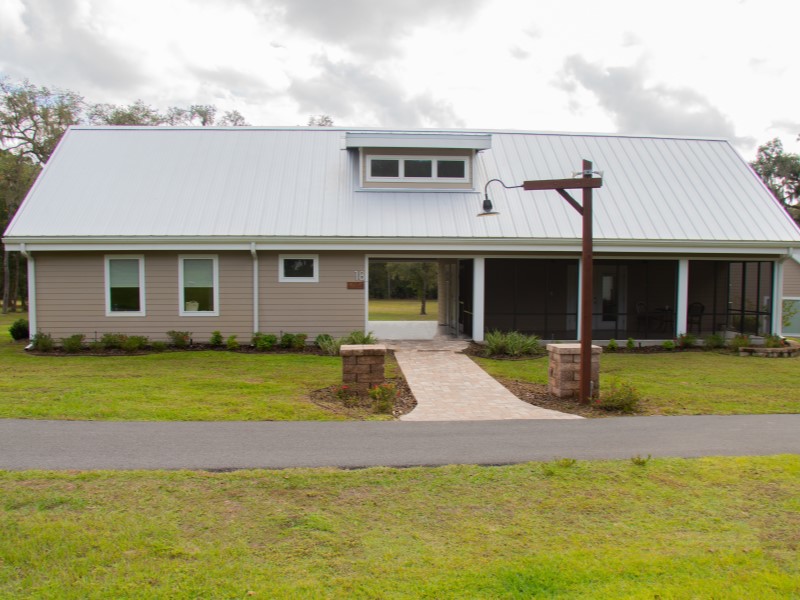
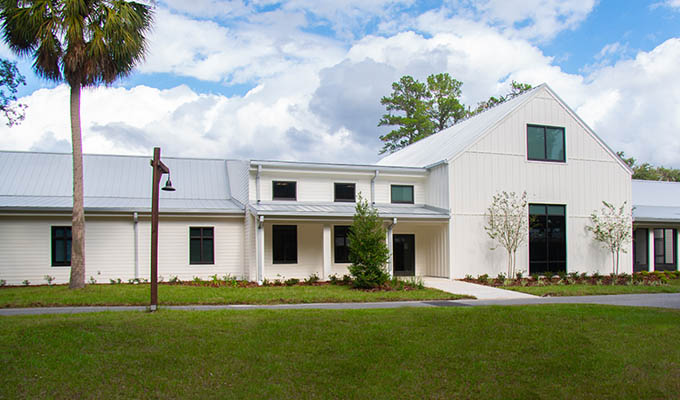
The campus page places The Refuge at 14835 SE 85th Street Road in Ocklawaha, within the Ocala National Forest. The provider describes a 94-acre setting with cabins and outdoor areas used for both recreation and parts of the therapeutic program. Listed amenities include trails, a pool, a labyrinth, courts, and a fishing dock.
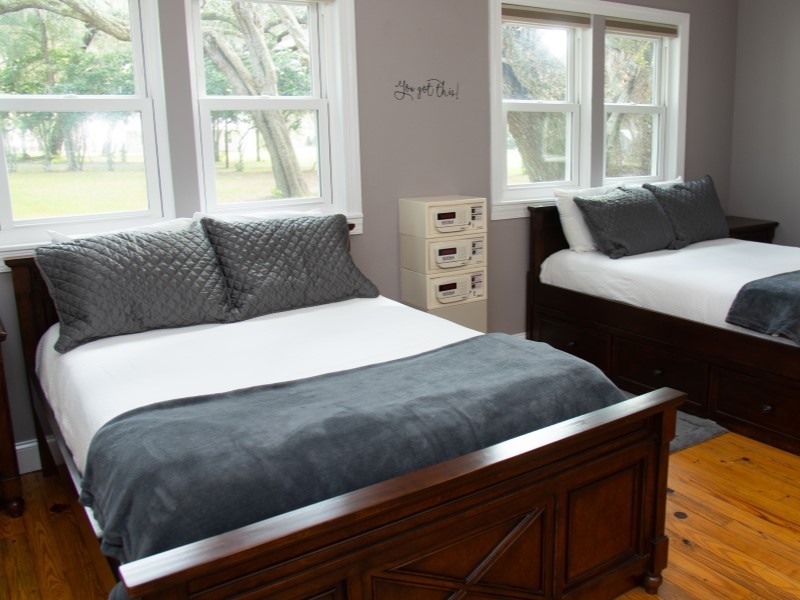
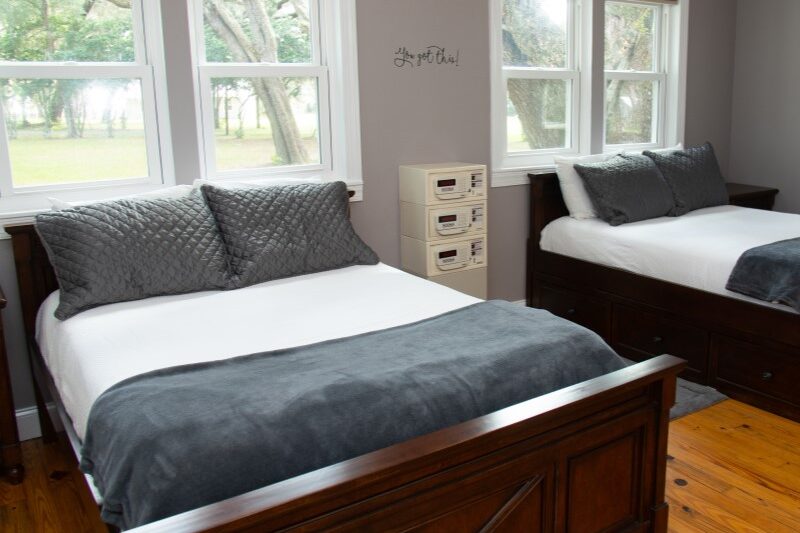
The accommodation description includes shared bedrooms; it should not be read as a guarantee of a private room. Published bed totals on the same page are not fully consistent, so the current room configuration and availability need confirmation. Ask which residence would be assigned, how room sharing is arranged, and what accessibility or mobility support is available across the campus. Outdoor activities may be part of the experience, but their availability and suitability depend on the individual’s care plan and circumstances. The forest setting is a practical feature of the program, not evidence by itself of clinical quality or a particular treatment outcome.
Medical detoxification and transition into care
The detoxification page describes medical supervision and nursing support during withdrawal. It gives an average detox period of seven to ten days while emphasizing that the length and treatment are individualized. That estimate applies to the withdrawal-management phase and should be kept separate from the longer residential stay described in the provider’s payment information.
The Refuge says medication may be used when appropriate and that medical monitoring continues as clients move through treatment. The correct approach depends on substance use, prescribed medication, physical health, and the clinical assessment. Discuss recent use, previous withdrawal, current prescriptions, and any other medical concerns before admission. Ask who manages medication, how readiness for the next phase is assessed, and what arrangements apply if a hospital or different level of medical support is needed. A directory description of available detox care is not an instruction to stop, reduce, or substitute medication without guidance from the treating clinician.
Trauma and PTSD treatment
The PTSD treatment description presents trauma work as a central part of The Refuge’s residential approach. It discusses a range of experiences, including violence, bereavement, accidents, military experiences, and childhood or later-life abuse. The program combines clinical therapy with other approaches, including 12-step recovery and experiential activities, according to the person’s needs.
A prospective client can ask how assessment distinguishes PTSD from other concerns, which clinician would lead trauma treatment, and how readiness for specific work is evaluated. It is useful to understand the balance between group discussion and private sessions, especially when a person is uncomfortable sharing detailed experiences with peers. The team should explain how it responds when symptoms intensify and how the treatment plan connects with other mental health or substance use care. The provider’s descriptions of healing and recovery are its treatment aims; they do not establish a guaranteed resolution of trauma or make one approach suitable for every individual.
Oak House for eating-disorder care
The Oak House program page describes a separate, sixteen-bed residential eating-disorder program on The Refuge campus for adults age 18 and older, inclusive of all genders. It identifies a trauma-informed approach with individual and group work, meal and nutrition support, medication management where appropriate, and activities addressing body image, emotion regulation, cooking, and related concerns.
Oak House should be discussed as a specific clinical program, rather than assuming every resident of The Refuge receives specialist eating-disorder treatment. Ask about assessment, medical stability requirements, the roles of nutrition and medical staff, and how co-occurring substance use or mental health concerns are managed. The page describes discharge planning from the beginning, with possible step-down care or outside referrals. Those recommendations depend on individual needs and do not establish that every level is provided within Oak House itself. A written plan should identify the initial program, monitoring arrangements, and the receiving services proposed after the residential phase.
The Service Resiliency Unit
The Service Resiliency Unit description addresses military personnel and first responders within the provider’s adult, gender-inclusive setting. It lists active-duty members, veterans and their families, law-enforcement personnel, firefighters, emergency medical technicians, and dispatchers among the populations served. Its stated focus includes trauma-related mental health concerns and substance use disorders.
Eligibility for this track should be confirmed for the individual referral, including the presenting concerns and appropriate level of care. Ask whether programming occurs in a dedicated cohort, how it relates to the broader residential schedule, and what support addresses occupational or family circumstances. Service affiliation alone does not establish clinical suitability, insurance authorization, or payment approval. For someone referred through an employer, military service, or another professional system, discuss how records and recommendations are shared and what consent is needed. Treatment participation should not be described as a guarantee of fitness-for-duty clearance, return to work, or any other administrative outcome.
Partial hospitalization with on-campus living
The partial hospitalization program page describes approximately six hours of treatment each day while clients continue living in on-campus cabins. This is a specific arrangement at The Refuge; it differs from outpatient programs where a client travels home each evening. The provider says most participants enter after residential treatment, although direct entry may be appropriate following assessment.
Published activities include groups focused on trauma, recovery, relapse prevention, and coping skills, with approaches such as CBT, DBT, and narrative exposure therapy as appropriate. Accompanied trips, designated phone access, and outside meetings are described as privileges during non-treatment hours that require therapist approval. Massage appointments may carry an additional fee. Ask how accommodation is charged, how much independent time is available, and which current rules apply. The clinical and living arrangements should be confirmed together, including the criteria for entering PHP and the plan for leaving the campus when that level of care ends.
Relapse prevention and continuing care
The relapse-prevention description emphasizes planning for life after residential treatment. It discusses identifying personal stressors, supportive relationships, mental health needs, and circumstances associated with renewed substance use. That planning is intended to connect the work done in treatment with the environment a person will return to.
Ask the team to translate the plan into specific arrangements: the next therapist or prescriber, follow-up dates, appropriate support groups, and a response if difficulties return. Someone leaving Florida should discuss local referrals early enough for the receiving services to respond. A list of possible resources is different from a confirmed appointment, and additional care may involve separate costs or authorization. The plan should also account for housing, family boundaries, and practical responsibilities. Renewed symptoms or substance use should prompt an appropriate clinical reassessment rather than an assumption that the same step-down arrangement remains suitable. No relapse-prevention program can promise that difficulties will never recur.
Assessment and admission criteria
The admissions page describes an initial conversation followed by a free assessment to evaluate fit. Information considered includes substance use, trauma, medications, previous care, diagnoses, physical health, and other presenting concerns. The medical director and clinical team review this information before recommending a program and level of care.
The Refuge identifies adult eligibility from age 18 and describes further requirements involving medical suitability, personal safety, and the ability to participate in its treatment environment. An assessment offer is therefore not a guarantee of admission. If the team cannot meet a person’s needs, it says it can assist with an alternative referral. Ask which records should be supplied before travel and whether existing clinicians should contribute. Once the plan is agreed, confirm the admission date, receiving program, travel arrangements, and what happens if health or circumstances change. The assessment being free does not establish that subsequent treatment, transportation, or accommodation is free.
Residential duration, benefits, and personal cost
The payment page describes a longer residential model, with stays estimated at approximately 90 days or more. It says costs vary by clinical needs and level of care, and that later treatment recommendations can bring additional charges. This is a planning description, not a fixed duration for detoxification, PHP, or every admission.
The page lists commercial insurance arrangements, TRICARE East as a participating-provider relationship, and the VA Community Care Network through Optum. It says Medicare and Medicaid are not accepted. These named arrangements require verification for the exact applicant, referral, program, and authorization; service affiliation alone is insufficient. Request an explanation of deductibles, coinsurance, review intervals, and responsibility if coverage changes during the stay. For self-pay care, obtain a written estimate covering its period, included services, extensions, and possible outside costs. The provider’s assistance with benefits should complement confirmation with the insurer rather than be treated as a promise that the entire course will be paid.
Program details were checked against the linked official Refuge pages on October 19, 2026. Published information supports the distinctions among residential care, detoxification, on-campus PHP, Oak House, and the Service Resiliency Unit. Confirm individual suitability, current accommodation, authorization, and charges directly.
Sources
Sources checked October 17, 2026.