The Recovery Village
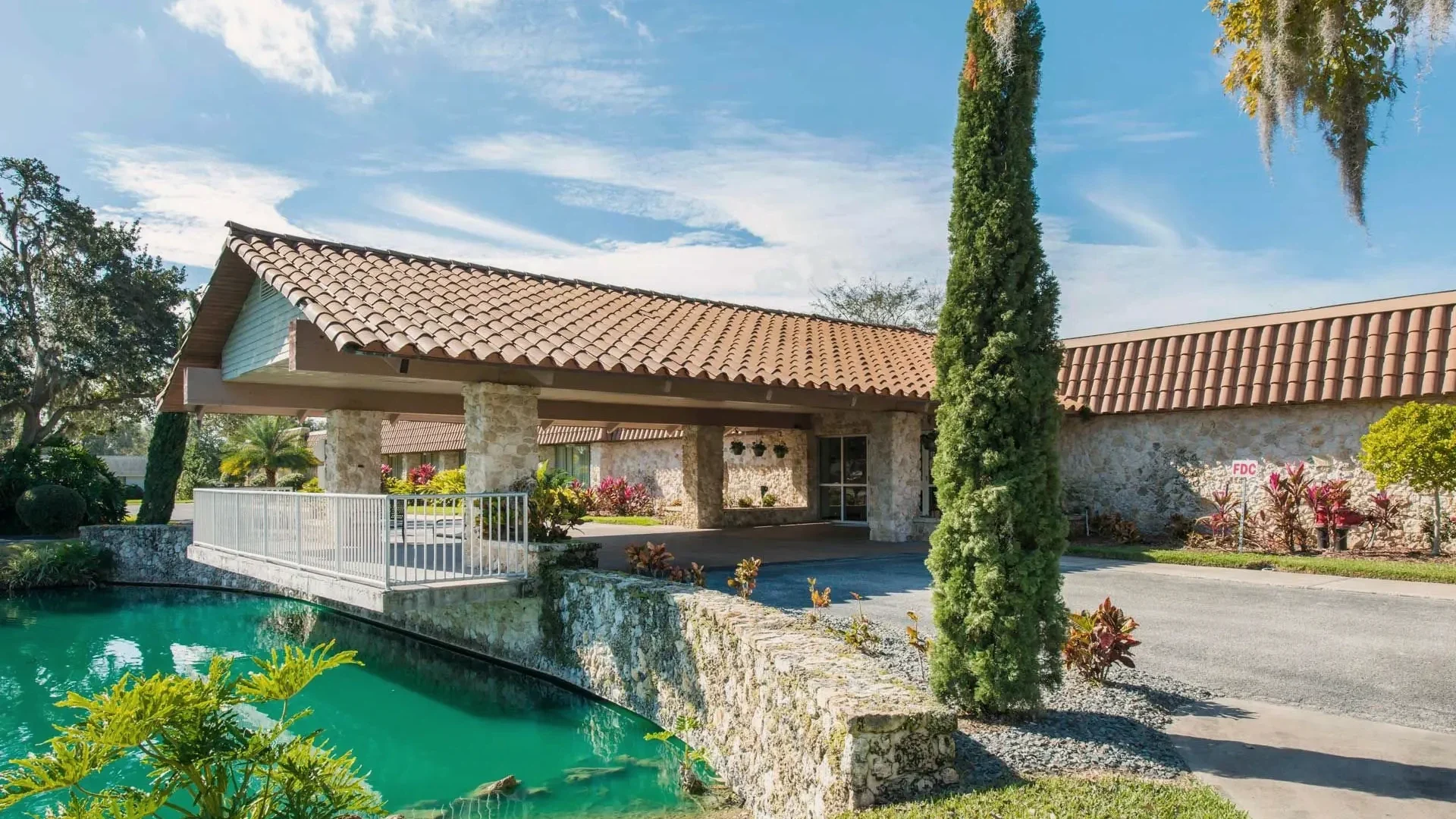
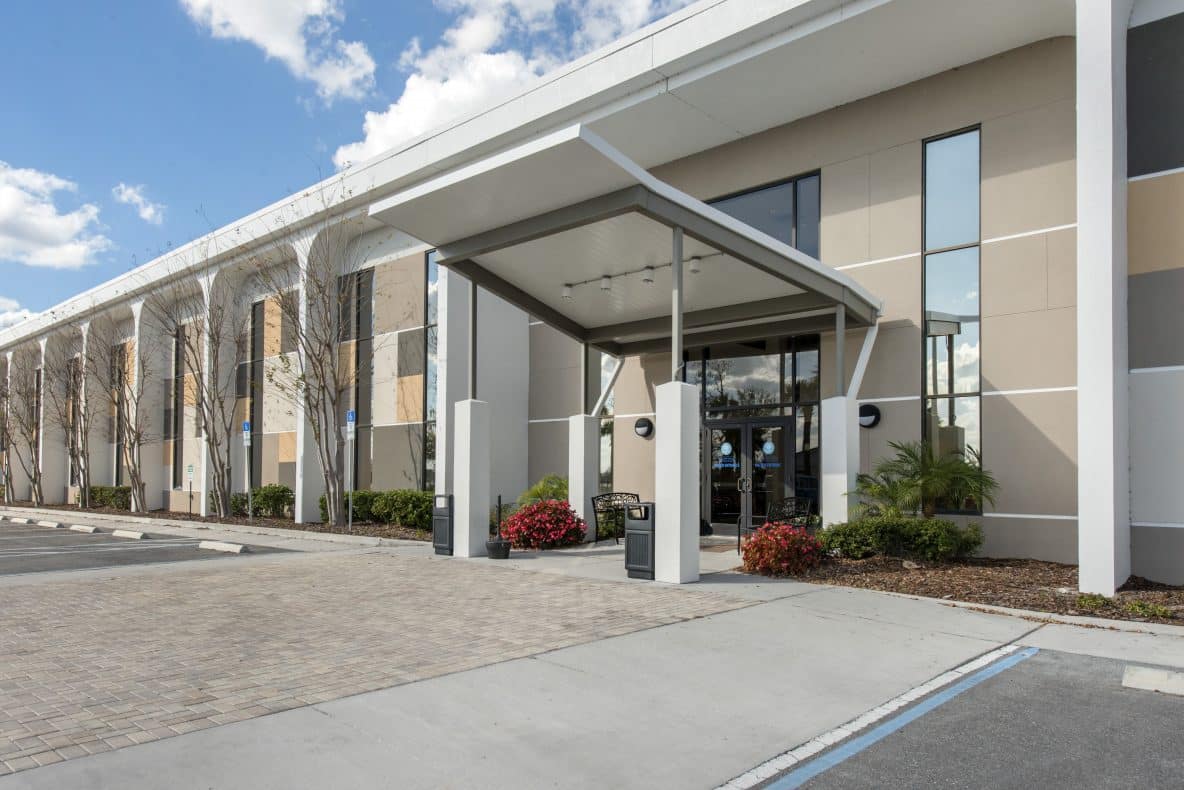
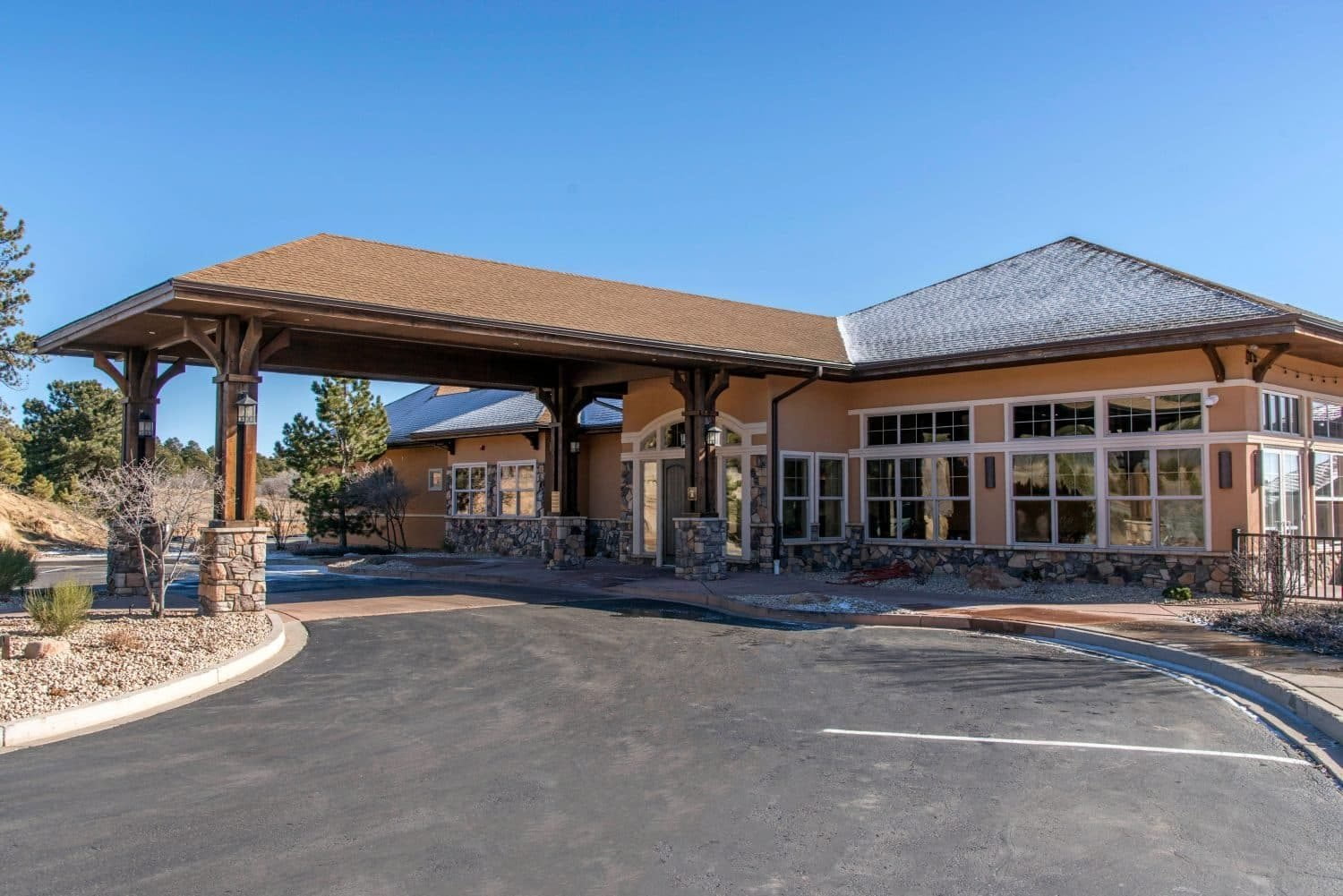
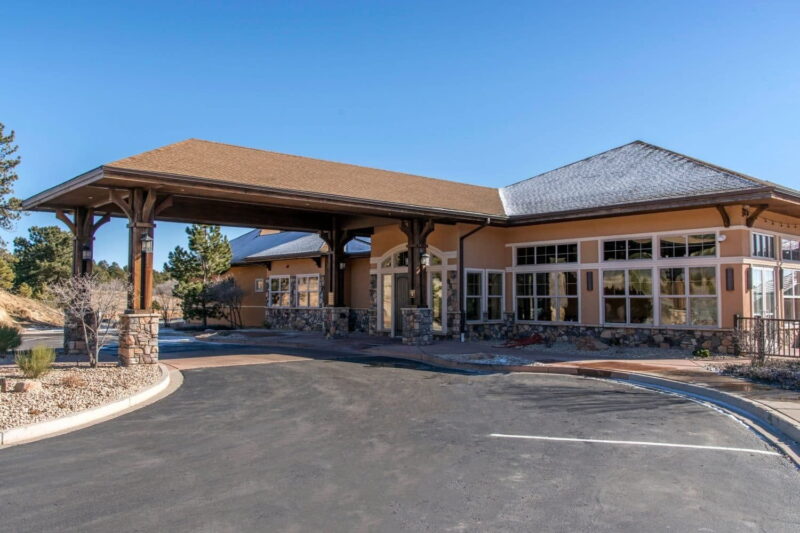
The Recovery Village 3 photos

Comparison facts and sources
Central Florida campus providing adult medical detox, intensive inpatient and residential substance-use care, residential mental-health care and substance-use PHP. IOP is delivered separately at Orlando Outpatient Center. · 633 Umatilla Boulevard, Umatilla, Florida
- Published fee information
- Quote required
- Before admission
- This is the Umatilla campus, not the national network. Most complete treatment episodes are described as about 35–45 days and detox as five to ten days, but actual length depends on needs and progress. Umatilla does not provide IOP onsite.
- Continuing care
- Aftercare planning begins during treatment and often includes referral to Orlando Outpatient Center for IOP, sober-living options, follow-up appointments and community support.
Source record ·
Provider-published information checked October 14, 2026.
Luxury rehab comparison · Fees and inclusions · Selection methodology
The Recovery Village in Umatilla, Florida
This profile’s published address identifies The Recovery Village Drug and Alcohol Rehab at 633 Umatilla Boulevard, Umatilla, Florida. The Recovery Village name is also used across a broader network, so services described for other campuses should not be assumed to apply in Umatilla.
Care at the Umatilla facility
The official Umatilla page describes treatment for substance use and co-occurring mental health conditions. Its Umatilla programs include medical detoxification, intensive inpatient and residential care, substance use partial hospitalization and aftercare planning. Intensive outpatient care takes place at the separate Orlando Outpatient Center in Maitland; assessment determines appropriate care and referrals. The provider says most people stay about 35 to 45 days, while individual length depends on clinical needs.
The facility page publishes (352) 771-2700. The provider offers insurance verification, says it is in network with major carriers and also accepts private payment. It does not publish one universal fixed price; personal cost varies by level of care, coverage and authorization.
Umatilla is one specific facility within a larger network
The Umatilla facility page describes adult substance use treatment, residential mental health care and support for co-occurring conditions at the Lake County site. It welcomes Florida residents and people traveling from other states. The location matters because The Recovery Village operates multiple facilities, and the same network name appears on programs with different care levels and addresses.
Start an inquiry by identifying Umatilla and the kind of assessment needed. Ask whether the proposed placement is substance use treatment, primary mental health care or a pathway addressing both. The facility lists recreation spaces, including a gym and outdoor activities, but says access depends on care level and other circumstances. Such amenities help describe the setting; they do not establish medical suitability or unrestricted access throughout a stay. Confirm the receiving team, program and arrival address before making travel arrangements, rather than relying on a network-wide description or a general admissions advertisement.
Care transitions may involve a change of location
The Umatilla levels-of-care guide separates medical detox, intensive inpatient care, residential treatment, substance use partial hospitalization and aftercare planning. Residential clients live at the facility. Its PHP description allows for off-site accommodation or sober living, so clarify where the person would actually stay at that stage and who arranges transportation.
The guide places intensive outpatient treatment at Orlando Outpatient Center in Maitland. That referral requires a separate practical plan, rather than assuming every step occurs on the same campus. Ask which transition is being proposed, what determines readiness and when the receiving service will assess the referral. Aftercare planning includes connecting people with local providers and support groups. Before leaving, request the next appointment details and the responsible contact, including arrangements closer to home if returning to another area.
Medical detox is a distinct stage with its own contact rules
The Umatilla detox page describes medically supervised care for adults 18 and older, with nursing and medical support available around the clock. Medication can be used when clinically appropriate. The provider gives five to ten days as a typical detox period, while making clear that additional treatment may follow. That estimate should not be interpreted as the duration of an entire recovery plan.
Tell the assessing professional about current substances, prescriptions and earlier withdrawal problems. Do not abruptly stop a prescribed medicine to comply with a packing list or prepare for admission; discuss the plan with a clinician. The detox page says cellphones are unavailable during this stage, with an arrival safety call and limited house-phone access after an initial 72-hour period. Arrange time-sensitive responsibilities before arriving and tell the team how an urgent family matter should be communicated. Withdrawal assessment and the decision about continued care belong with the clinical team.
Residential substance use care combines clinical work with daily routines
The residential program page describes adult intensive inpatient and residential treatment with individual counseling, groups, trauma-informed care, cognitive behavioral therapy and dialectical behavior therapy. Psychiatric support, medication management and substance use medication support are available when appropriate. Those options should be discussed in relation to the individual’s needs, rather than assuming every listed therapy will be delivered at the same frequency.
The page also describes three meals daily, an on-site activity coordinator, art activities and optional spiritual or Christian-based groups. Ask what a typical week looks like for the proposed program, which activities are optional and how individual goals are reviewed. Someone concerned about speaking in groups can raise that before arrival. A useful preparation exercise is to identify a few situations they want treatment to address, such as difficulty managing evenings, relationships or responsibilities without substances. Those examples help make the discussion more specific than choosing a facility by its amenities alone.
Primary mental health care has its own program boundaries
The mental health program page describes residential care for adults 18 and older, including depression, anxiety, trauma-related conditions and bipolar disorder. It lists individual and group therapy, psychiatric support and medication management. A listed diagnosis does not establish that every presentation is suitable; the assessment needs to consider current symptoms, previous treatment and safety.
This page explicitly locates mental health PHP at Orlando Recovery Center and mental health IOP at Orlando Outpatient Center in Maitland. Neither is described as a Umatilla mental health program. It also says primary mental health residents do not have cellphone access, so discuss practical communication needs before choosing a stay. Ask which team would evaluate the referral, what support the residential setting can provide and when a higher level of care would be needed. If someone is in immediate danger or cannot remain safe, emergency assessment should take priority over arranging a planned residential admission.
Co-occurring care should address both sets of concerns
The dual diagnosis page describes residential treatment for adults with both substance use and mental health concerns. It lists counseling, groups, psychiatric support, medication management and substance use medication support when appropriate. In this context, dual diagnosis concerns a substance use disorder alongside a mental health condition; it does not simply mean having two mental health diagnoses.
Bring a timeline of previous care, periods of substance use and periods without use. This can help explain what remained difficult after earlier treatment without requiring the person to decide which condition caused the other. Ask how both concerns will appear in the plan, who reviews medication and how the team will communicate with previous clinicians. If withdrawal care is needed, that should be considered alongside the mental health assessment. Continuing-care arrangements should likewise identify support for both concerns, instead of treating discharge from substance use treatment as the end of every clinical need.
Prepare for shared rooms and program-specific restrictions
The preparation guide says bedrooms generally accommodate two or three patients, with some accommodating four; residents share the room’s bathroom. This is useful to clarify if a private room is essential to a prospective patient’s plans. The guide also describes different phone arrangements by treatment stage, prohibits laptops and makes clear that preliminary admission acceptance can change following the assessment on arrival.
Request the current packing instructions for the actual program. The published guide calls for necessary non-controlled medicines in original packaging and restricts controlled medicines among belongings. Ask the clinical team how each prescribed medicine will be continued or supplied before traveling; belongings rules should not become a self-directed medication change. Flag allergies and dietary requirements in advance. The provider gives 35 to 45 days as a common overall treatment timeframe, but individual needs determine the stay. Prepare work, household and travel arrangements with room for the plan to change.
Family participation needs an agreed purpose and format
The network’s family program description identifies communication, boundaries, understanding substance use and preparing for a return home as possible areas of work. It discusses involvement by significant people beyond immediate relatives and describes family input as something that may be incorporated when clinically appropriate. This is network-level information, so confirm the current Umatilla arrangements rather than assuming a shared family calendar across every location.
Ask whether the proposed contact is education, a therapy session or an ordinary visit, and whether it is virtual or in person. Clarify who can participate, how consent works and whether separate support is available for relatives. Family members may need help for their own concerns without joining every patient session. The discussion can focus on specific practical issues: communication during treatment, responsibilities at home and the support the patient wants after discharge. Participation should be planned with the patient and team rather than treated as a requirement to reconcile every relationship.
Maitland outpatient care requires a separate weekly plan
The Orlando Outpatient Center page identifies its location as 100 East Sybelia Avenue, Suite 250, in Maitland. It describes an IOP with three-hour sessions on three days each week, alongside individual counseling and possible family involvement. Standard outpatient care and telehealth are also listed. These details belong to that outpatient center, rather than to the Umatilla residential campus.
If the discharge plan includes Maitland, ask for the current meeting days, format and start date. Clarify whether virtual participation is suitable and available for the person’s location and needs. An outpatient referral should also address where the person lives, how they reach sessions and who provides any continuing medication care. The provider’s general description of treatment fitting around work or family should be tested against the actual appointment schedule. Before discharge, confirm that a referral has become an agreed next step, rather than assuming a name on a resource list is a booked appointment.
The admissions conversation should settle eligibility before travel
The admissions process describes insurance verification, a preliminary assessment and scheduling. The assessment is intended to determine whether the provider is a suitable match, and the page allows for referral elsewhere when it is not. Although prompt admission may sometimes be possible, the published walk-in information says arrival does not guarantee acceptance. Confirm eligibility and arrangements directly before organizing transport.
Use that conversation to explain the immediate concern, previous treatment and any practical barrier to attending. Ask what information the intake team needs and which decisions require a clinician’s review. Clarify the proposed program and what happens if the assessment indicates a different service. The admissions page also describes forms identifying people with whom information may be shared. Ask how a chosen relative or referring professional can help with planning while respecting the patient’s preferences. A completed telephone inquiry, a benefits check and a confirmed clinical admission are different steps in the process.
Insurance acceptance must be checked for Umatilla and the care proposed
The insurance verification page lists many plans across the network and expressly says acceptance can vary by location. A carrier appearing on that list therefore does not establish coverage for every Umatilla program or a later outpatient referral. The page describes a free benefits check followed by individual review of policy details and possible authorization requirements.
Ask which location and level of care the benefits response covers, how many days or sessions are authorized and what remains payable personally. Deductibles, copayments, coinsurance and non-covered services can affect the amount due. If the plan changes during treatment, request an updated explanation rather than assuming the first estimate covers every later stage. The insurer and admissions team can clarify the actual policy; a network-wide price example is not a personal quotation. Keep the proposed services and the funding explanation together so the practical cost discussion refers to the treatment being considered.
Official sources: Umatilla facility page, Umatilla what-to-expect page, and provider website; checked October 5, 2026.