The Grove Recovery Center
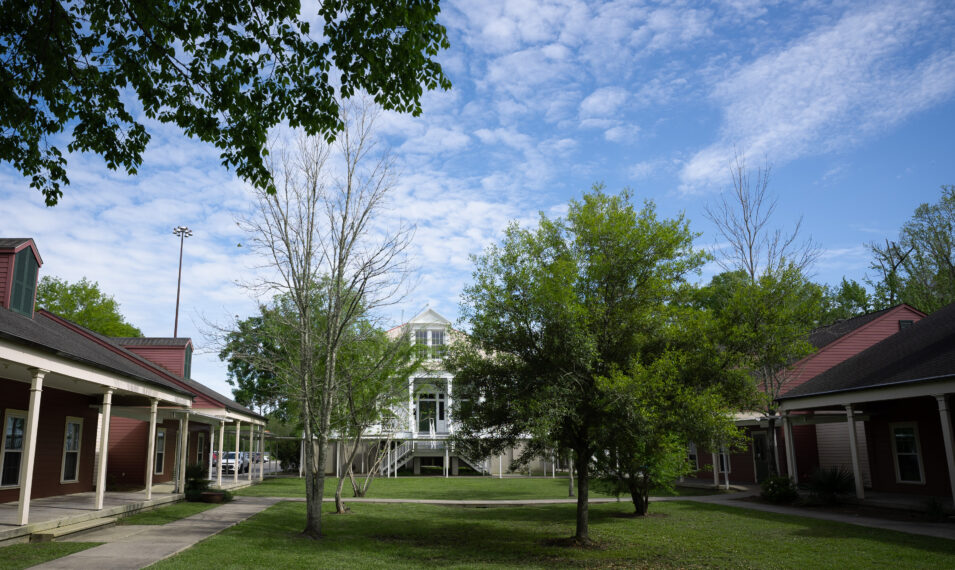
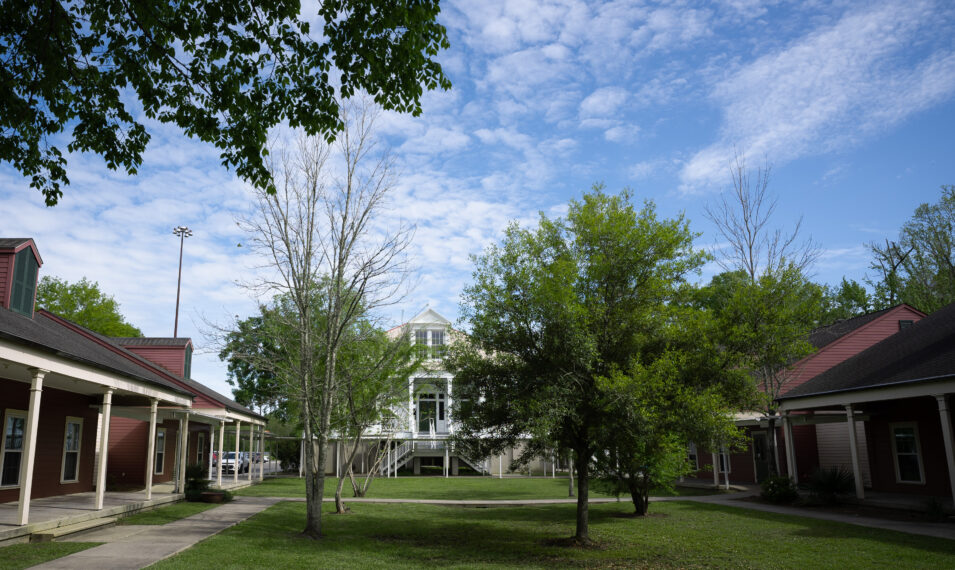

The Grove Recovery Center 3 photos



Comparison facts and sources
Three-phase substance-use treatment spanning medically managed detox and residential or dual-diagnosis care in Sorrento, intensive outpatient and outpatient care across network campuses, and structured sober living. · This profile represents the Sorrento/Ascension residential and medically managed detox campus at 7384 John Leblanc Boulevard, Sorrento, Louisiana 70778. The network also operates outpatient campuses in Gonzales and Baton Rouge and sober-living homes.
- Published fee information
- Quote required
- Before admission
- Confirm age eligibility, clinical suitability, campus placement, bed availability, program duration, insurance authorization and written private-pay terms directly with admissions.
- Continuing care
- Weekly outpatient and aftercare groups, structured sober living and family support are available after higher-level care; provider materials describe support across the first six months to one year of recovery.
Source record · October 16, 2026
Provider-published information checked October 16, 2026. Current provider pages support the stated program and campus scope. This review does not independently verify every license, accreditation status, insurance decision or clinical outcome.
Luxury rehab comparison · Fees and inclusions · Selection methodology
The Grove Recovery Center is a Louisiana substance-use treatment provider with separate residential, outpatient and recovery-housing services. Its residential campus is in Sorrento, while outpatient campuses operate in Baton Rouge and Gonzales; services should not be assigned to every site indiscriminately.
The Sorrento/Ascension campus provides detox, residential care and dual-diagnosis treatment. The provider lists intensive outpatient and other outpatient services at its outpatient campuses, plus medication-assisted treatment, transitional living, peer support and aftercare. Its program page gives an approximately 30-day average stay for dual-diagnosis residential care, not a universal duration.
Admissions are available at 225-310-2600. The residential campus is at 7384 John Leblanc Boulevard, Sorrento, Louisiana 70778; outpatient addresses are 5329 Dijon Drive, Baton Rouge, and 202 North Burnside Avenue, Gonzales. The provider accepts many insurance plans but publishes no fixed fee or tax treatment.
A network with distinct treatment and housing services
The Grove’s provider overview describes detox and residential care, medication-assisted treatment, intensive outpatient services, dual-diagnosis care, transitional living, outpatient aftercare and peer support. It also lists substance-use education, evaluations and classes. These services form a wider network; they should not be treated as an identical set of services delivered at every property.
Before comparing a proposal with another provider, identify the specific program and receiving site. A residential admission, an outpatient appointment, an educational class and a recovery-housing placement have different purposes and practical requirements. Ask the admissions team to explain which is recommended and why, rather than assume that a broad continuum requires a person to purchase or complete every stage. The provider emphasizes individualized care. That becomes useful when translated into a clear plan with clinical goals, staff responsibilities and arrangements for the time after the initial program.
What the Sorrento clinical program describes
The current program overview identifies an 80-bed detox and residential campus in Sorrento. Detox is medically managed, with an average three-to-seven-day stay. That average is not an individual withdrawal timetable. The dual-diagnosis residential description gives an approximately 30-day average, weekly individual counseling, weekly psychiatric appointments and groups addressing mental health and substance use.
The page distinguishes smaller units for dual-diagnosis care from its general residential arrangements, listing no more than ten and twelve fellow clients respectively. Those descriptions concern program units, not private bedrooms or current vacancies. It also describes IOP groups three times weekly for three hours, averaging about twelve weeks, followed by possible weekly outpatient or aftercare participation. Confirm the assigned campus and actual schedule: outpatient care is associated with the wider Baton Rouge and Ascension network. These are different phases with individually determined transitions. A person seeking care primarily for a psychiatric condition should establish the program’s actual eligibility rather than infer a standalone psychiatric hospital from the term dual diagnosis.
Pre-admission screening and family participation
The official FAQ says everyone seeking treatment must complete pre-admission screening to determine eligibility. It describes admissions access around the clock, but that should not be interpreted as a guarantee that an appropriate place and authorization are immediately available. Explain the current clinical needs, existing medication and any practical accommodation requirements before arranging an arrival.
The same FAQ describes family therapy with the client’s consent and a monthly Family Day. Its listed activities include education, larger and smaller group sessions and a shared dinner event. Ask how the current program handles attendance, remote participation, privacy and any restrictions connected with the patient’s clinical plan. Family education and a clinical family appointment are not interchangeable, and a monthly event is not a weekly visiting entitlement. Relatives should understand what participation is offered without being made responsible for another person’s recovery or assuming unrestricted access to treatment information.
Living in Recovery is structured housing
The Living in Recovery page describes furnished homes in Baton Rouge and Ascension Parish. Residents are expected to participate in outpatient treatment, undergo regular drug testing and take part in a community 12-step program with a sponsor. These are specific house expectations that a prospective resident should understand before accepting a place.
The program also describes support with employment, budgeting, cooking, self-care, relationships and other independent-living skills. House leaders, staff, peer connections and shared activities are part of the model. Recovery housing should be evaluated separately from a detox or residential clinical admission: it is not automatically the same location, staffing arrangement or price. Ask for the proposed home’s address, operator, rent, deposits, medication rules and transportation arrangements. Clarify how the home responds if someone needs more intensive care. Furnished rooms and a recovery community may help with a transition, but they do not replace the clinical treatment required by the individual’s plan.
Arrival rules affect what to pack
The Grove packing list specifies identification, prescription medication in original pharmacy containers, clothing and restricted personal items. It describes limits on electronics, cash, opened toiletries and certain foods, and says some additional restrictions may be applied by admissions or administration. Obtain the current list for the actual program before shopping or traveling.
The page refers to a thirty-day medication supply; ask the clinical team how this instruction applies to existing prescriptions and the recommended admission. It is not advice to obtain or change medication independently. The list also distinguishes items the facility supplies from items a resident may bring. Confirm any exceptions needed for disability, medical equipment or communication rather than assume a general rule covers every situation. Understanding these arrangements ahead of time can avoid unnecessary purchases and confusion on arrival. The list concerns what is permitted at admission; it does not establish what is included in the financial agreement or what will be available at a later recovery residence.
Educational and court-related classes have separate purposes
The classes page describes alcohol and drug education at the Gonzales and Baton Rouge outpatient campuses. It lists a six-week alcohol and drug class, an MRT course lasting at least seventeen weeks with one or two meetings weekly, and a separate six-week anger-management class. The provider also describes substance-free participation expectations and urinalysis testing for these courses.
These are class descriptions, not interchangeable substitutes for residential treatment, psychotherapy or medical withdrawal care. If attendance is related to a court, employer or other referral, confirm with the referring organization that the exact course meets its requirements. The website alone cannot establish that a certificate will satisfy an individual legal obligation. Ask about assessment, attendance rules, fees, missed sessions and the documentation provided at completion. A person may also need clinical treatment alongside an educational requirement. The appropriate arrangement should be based on an assessment of needs rather than the assumption that a shorter class resolves every substance-related concern.
An admissions plan should identify cost and responsibility
The admissions page invites the individual or a loved one to discuss treatment needs and goals. It identifies admissions and insurance coordination as distinct staff functions and says the provider accepts most insurance plans. That wording does not establish the coverage, authorization or patient responsibility for a particular person.
Request a written explanation tied to the receiving campus and proposed level of care. It should identify what the insurer is being asked to authorize, what the patient may owe and which services have separate charges. If detox, residential care, outpatient attendance or housing are proposed at different times, clarify how each stage is approved and billed. A benefits check is a step in planning, not a universal price or a guarantee of payment. Also establish which staff member will answer later financial questions if the clinical recommendation or length of stay changes.
Clinical leadership and the treating team
The provider’s biography of Denise Thibodeaux identifies her as a founder, co-owner and clinical director. It describes a background in education followed by graduate counselor education focused on addiction, and lists professional counseling and addiction-related credentials. These are provider-published biographical details, not an independent check of current licensing or a promise that the clinical director personally treats every patient.
For an actual admission, ask who will be assigned as the primary counselor, how clinical supervision operates and how concerns about treatment can be escalated. Organizational leadership, the therapist delivering weekly appointments and the person managing an individual case may be different people. The distinction is useful when a family is trying to understand who makes decisions and who can explain a change in the plan. A biography can help describe the organization’s approach, while the proposed treatment requires a clear account of the professionals responsible for the individual.
Medical oversight and psychiatric questions
The medical-director biography identifies Jose Artecona, MD, and describes psychiatry and addiction-medicine training, board certifications and an academic role at Tulane. These are statements from the provider’s biography; this review does not independently certify each credential, current appointment or availability at a particular shift.
For someone considering detox or co-occurring care, ask who performs the admission medical review, who prescribes during the stay and which clinician follows a change in symptoms. A named medical director does not establish continuous personal attendance or mean that every resident has the same physician. Clarify the relationship between nursing, medical and psychiatric appointments, including when outside medical care would be required. Existing prescribers can provide relevant records through the admission process. The useful question is how oversight works for the proposed program and the person’s needs, rather than whether a leadership biography lists a particular qualification.
Coordination between a residential stay and recovery housing
The program-director biography identifies Amanda Tessitore with the Sorrento inpatient program and sober-living leadership. This illustrates a coordination role across different parts of the organization. It does not make the residential unit and the recovery homes one clinical setting or establish that a particular home has a vacancy.
If a recovery residence is part of a proposed plan, ask when its suitability is reviewed, who communicates the arrangements and whether acceptance is separate from the residential admission. Discuss the expectations for outpatient attendance, daily responsibilities and medication continuity with the receiving team. The transition should account for the person’s preferences and practical circumstances, rather than happen automatically because both services use the Grove name. Before leaving a higher level of care, obtain the details of the next residence and appointments so that staff roles and responsibilities remain clear.
Confirm the exact destination before traveling
The current locations page distinguishes the Sorrento residential address from outpatient addresses in Baton Rouge and Gonzales. A reference to Ascension may describe the broader parish or program network, so ask for the street address of the actual intake or appointment. The appropriate place for a clinical visit may differ from a recovery residence. Confirm the arrival time, receiving staff member and any transportation arrangements before setting off. A general admissions call does not itself establish that every site can provide the same service.
Official provider pages reviewed October 19, 2026. The current program overview supports the Sorrento, outpatient and housing distinctions; an older residential-program URL returned 404 and is not used as current evidence. Program averages, staff biographies, eligibility, capacity, fees and personal insurance responsibility require confirmation. No independent credential or outcome certification is implied.
Official sources — Checked October 12, 2026: campus-specific programs; current locations and contact details.