The Bridge Marbella
Comparison facts and sources
Residential addiction and eating disorder treatment, with mental health support; related private-villa pathway The Residence · Marbella, Andalusia, Spain
- Published fee information
- Quote required
- Before admission
- Individualized; no fixed universal duration verified in reviewed official material.
- Continuing care
- Virtual aftercare with therapists involved during residence is described. Duration, session allowance, costs and international arrangements require confirmation.
Source record · 2026-10-20
Official provider information checked October 20, 2026.
Luxury rehab comparison · Fees and inclusions · Selection methodology
The Bridge Marbella is a boutique residential treatment provider in Andalusia, Spain, with an abstinence-based addiction program, eating disorder support, and services for associated mental health concerns. Its main residential model combines a small recovery community with individual therapy in a private villa. The provider also offers a separate, more exclusive pathway through The Residence, a related service focused on individually arranged care. Explore The Bridge Marbella.
For a prospective resident, the most distinctive decision is whether the small-group program or the separate villa option better fits their circumstances. That choice should consider the person’s treatment goals, willingness to participate in the program, medical requirements, and desired degree of privacy. Luxury accommodation is part of the setting, while the admission assessment should establish whether the clinical service is appropriate.
A family-run residential provider
The Bridge says Howard and Zalyia Silver and their daughter Ali founded the service, opening its Marbella treatment center in 2019. Its official about page describes a family-run organization with personal experience of recovery and a team of therapists and medical professionals. The same page states that The Residence launched in 2024 to provide a more private, individually focused option. These are related offerings within the provider’s published history, rather than unrelated centers with similar names. Read about the organization and founders.
A family-run structure can affect the atmosphere and continuity of a residential stay, but prospective clients should still ask who holds each professional responsibility. The person arranging admission, the person coordinating daily life, and the clinician directing treatment may have different roles. Establishing those roles helps residents and relatives know whom to contact about clinical questions, practical concerns, or changes to the plan.
The villa and day-to-day surroundings
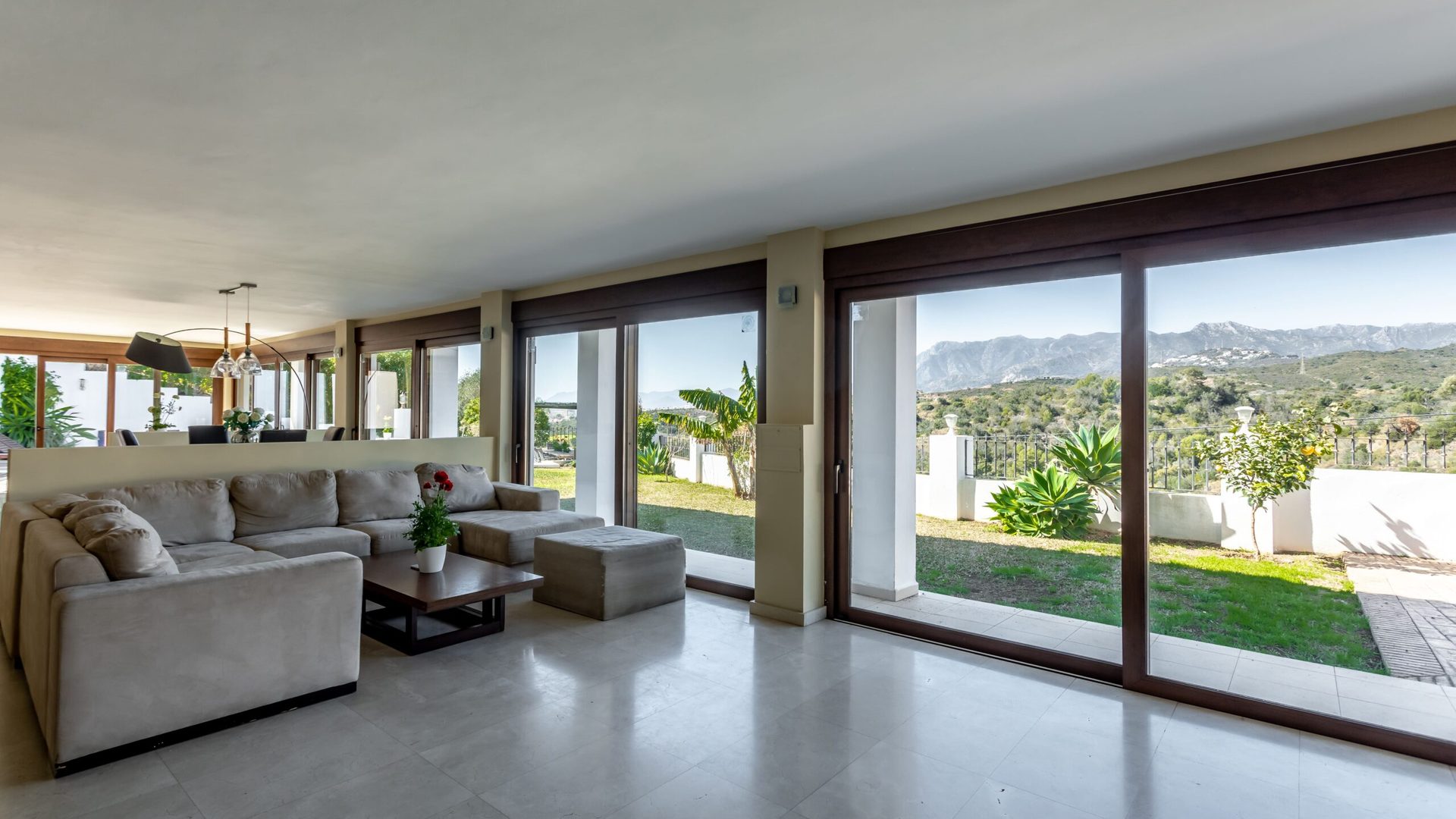
The Bridge describes en-suite bedrooms, a private pool and garden, therapy spaces, and meals prepared by an in-house chef. It presents its main service as a small-group setting with individual appointments available. The website invites prospective clients to request photographs or a virtual tour. A private villa in this context is the treatment property; it does not automatically mean the entire main residence is reserved for one person. See the residential description.
Ask which room would be assigned, whether bedrooms are individually occupied, how shared spaces are used, and what the current group composition will be. If mobility, dietary, sensory, or sleep requirements matter, discuss them before making a reservation. A tour of the actual property can make these conversations more concrete than a general description of a luxury setting.
Residents may also want to understand how their time is structured outside appointments. Ask about access to phones and laptops, visitor arrangements, accompanied outings, private time, and expectations for shared meals or activities. These practical boundaries can strongly shape the experience of a small community, particularly for someone used to controlling a demanding personal or professional schedule.
An abstinence-focused treatment approach
The Bridge explicitly describes its addiction program as based on abstinence and expects residents to participate actively in the work. Its published approach includes individual and group therapy, cognitive behavioral therapy, trauma work, and 12-step recovery. The provider’s emphasis on a clear program structure is a useful point of comparison for someone choosing between different residential philosophies. Read whom the program is designed to help.
Before admission, ask how that philosophy is applied to the particular substance or behavior involved and how goals are agreed. Someone who is unsure about the approach should discuss that openly. It is better to clarify expectations in advance than to discover after arrival that the required participation or program rules do not match the resident’s understanding.
The drug-treatment page describes assessment before an individualized plan and says medically supervised detox, when required, takes place before the core therapeutic program. It identifies therapy, group work, and 12-step recovery as central elements. This describes the intended pathway; it does not provide a universal detox schedule or establish that every medical need can be supported in the villa. Review the drug-treatment pathway.
What a treatment day may include
The official brochure gives an example weekday that includes meals, group meditation, an individual addiction-therapy appointment, self-study, a support meeting, yoga, and an evening online meeting. It also describes written work and optional activities. The timetable is explicitly illustrative, so ask for the proposed schedule for the actual admission rather than treating it as a guaranteed daily template. View the provider’s brochure and sample day.
The balance between private appointments and group participation deserves particular attention. Ask how many individual sessions are planned each week, which clinician delivers them, and how topics from those sessions connect with group or written work. If the person has a specific trauma history or another mental health concern, clarify who assesses that need and how the schedule can be adjusted.
The brochure also lists services that may be arranged separately, including massage, physiotherapy, personal training, and personal-care appointments. Ask which are included in the quotation and which are optional extras. That distinction keeps the treatment budget clear and helps prevent an extensive amenities list from obscuring the actual amount of clinical contact.
Eating disorder and mental health support
The Bridge has a dedicated eating disorder pathway that describes therapy, group work, and nutritional support organized around the individual. The service presents its goal as addressing the person’s relationship with food and body image alongside emotional and psychological concerns. An admission assessment should determine the presentation it can support, the required medical oversight, and whether any hospital treatment is necessary beforehand. Read about eating disorder treatment.
For this type of admission, useful questions include who develops the nutritional plan, how meals are supported, which clinician monitors physical health, and how exercise is approached. A general fitness or wellness offering should not be assumed to apply unchanged to an eating disorder treatment plan. Ask the team to explain the individualized arrangements in plain language.
The broader service also lists anxiety and depression support, including residential and virtual options. Someone whose main concern is mental health rather than substance use should ask whether the proposed program is organized around that primary need and how much of the shared timetable is addiction-focused. The service’s condition list is a starting point for assessment, not automatic confirmation of fit. Explore the conditions the team supports.
The Residence: a separate private-care option
The Residence is presented on its own official site as bespoke private care in Marbella for addiction, eating disorders, trauma, and related concerns. It describes secluded accommodation, individually arranged therapeutic services, wellness support, and aftercare planning. The Bridge links directly to it as a separate villa option for clients seeking greater discretion. Explore The Residence Marbella.
Its services page lists individual therapy, cognitive behavioral therapy, trauma therapy and EMDR, family support, and medically supervised detox when needed. It also includes a group-therapy label within the menu despite emphasizing one-to-one care. Anyone requiring a completely private schedule should therefore confirm whether any shared therapeutic element is proposed and how the service defines exclusivity. Read The Residence’s service description.
When comparing the two pathways, ask for separate proposals. Specify the actual villa, staffing, clinical contact, medical arrangements, and follow-up included in each. A service with greater privacy may have a different daily structure and price, so the names alone do not provide enough information to compare them.
Medical arrangements and family communication
The Bridge says it works with private doctors and a psychiatrist to support residents. Before travel, ask who performs the initial medical review, where detox would occur if needed, and who manages prescriptions during and after the stay. The admission plan should identify any external provider and explain how additional medical costs are handled. Review the stated medical support.
Family involvement is prominent in the provider’s description. Residents and relatives should agree what involvement means in practice: who may receive updates, which subjects remain private, and whether joint sessions are planned. Family support can also involve separate practical questions about travel, finances, or returning home. Clear consent arrangements help the clinical team distinguish those tasks from confidential individual therapy.
Fees, length of stay, and aftercare
No current numeric program price or universal residential duration was verified from the official sources reviewed. Ask for an individualized quotation covering the planned dates, accommodation, clinical services, meals, and aftercare. Establish how extensions are reviewed, how additional spending is approved, and what cancellation or early-departure terms apply.
The Bridge describes virtual aftercare with therapists who worked with the client during residence. That continuity is worth defining in advance: ask how many sessions are included, when they begin, how long the arrangement lasts, and whether further appointments carry a separate charge. For an international resident, confirm the time zone and how the team can coordinate with clinicians at home. Read about primary treatment and aftercare.
Frequently asked questions
Is The Bridge the same service as The Residence?
They are related offerings. The Bridge provides the small-community residential model and identifies The Residence as a separate private-villa pathway. Ask which service appears in the actual admission contract and which team, property, and schedule it covers.
Does the main villa offer sole occupancy?
The main Bridge program is described as involving small groups. If sole occupancy is essential, discuss the separate Residence option and obtain a written definition of exclusivity, including therapy, dining, transport, and staff arrangements.
What should an international client settle before traveling?
Obtain confirmation of clinical suitability, any preliminary medical requirements, the room or villa, expected duration, total projected cost, and follow-up plan. Clarify the program’s abstinence expectations and participation rules as well. Together, these details establish whether the proposed stay fits both the person’s treatment needs and practical circumstances.
Explore related treatment options
For further comparison, explore treatment centers in Marbella and addiction treatment providers. Review each provider’s clinical setting, accommodation, admissions requirements, and continuing-care arrangements.
Sources
Official provider information checked October 20, 2026. Services, availability, and fees should be confirmed directly.