The Barry Robinson Center
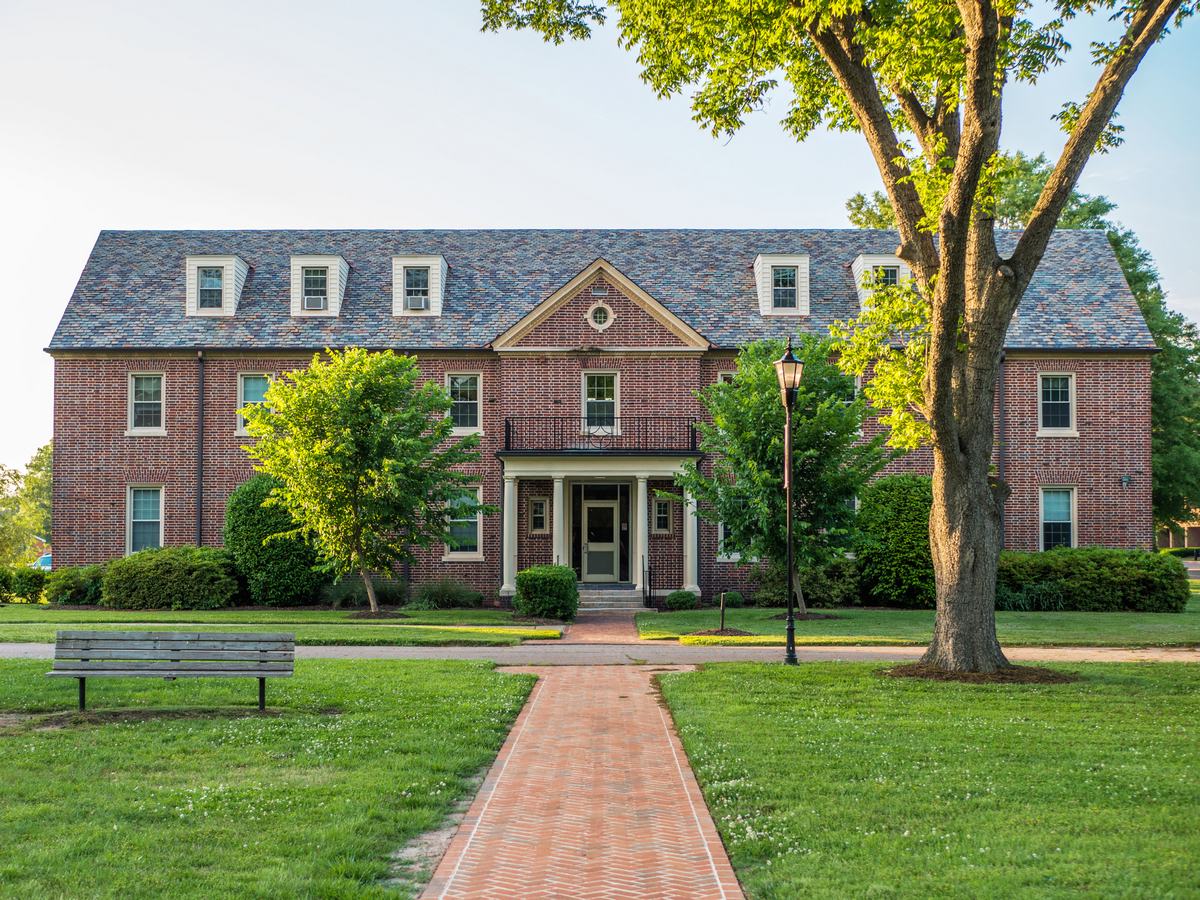

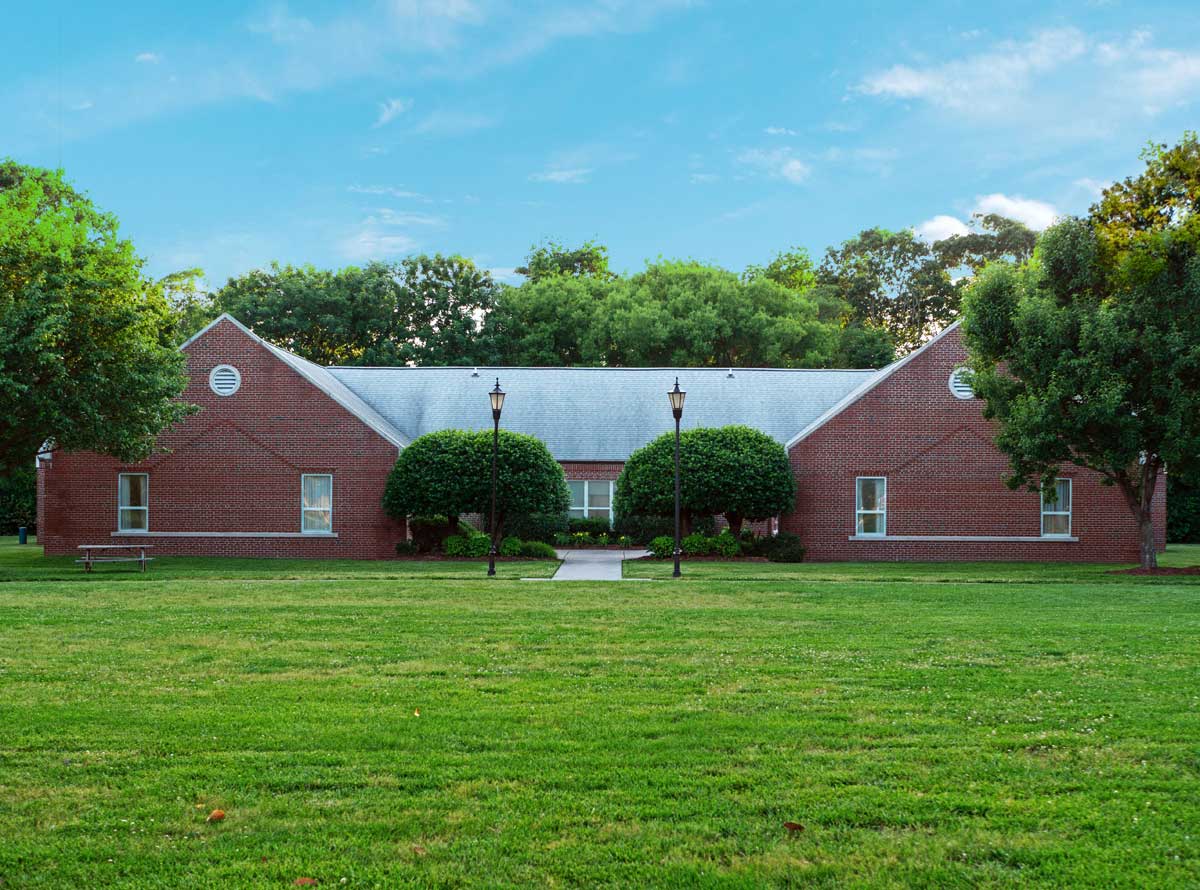
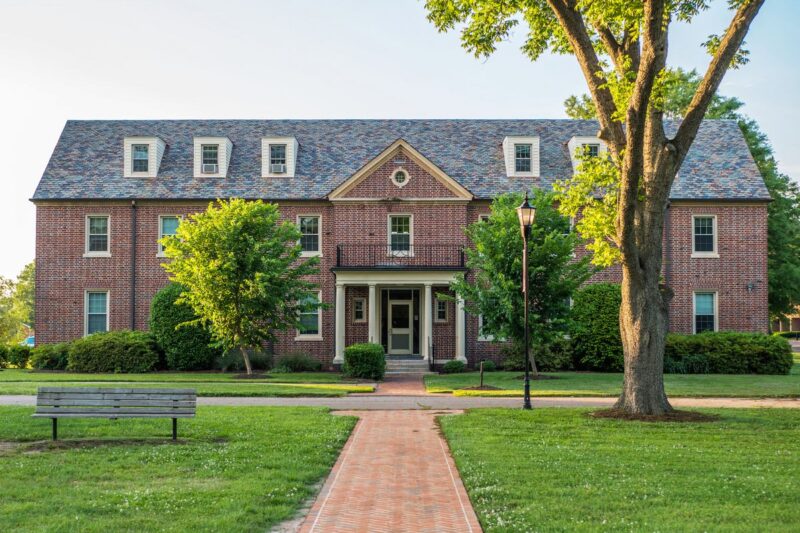
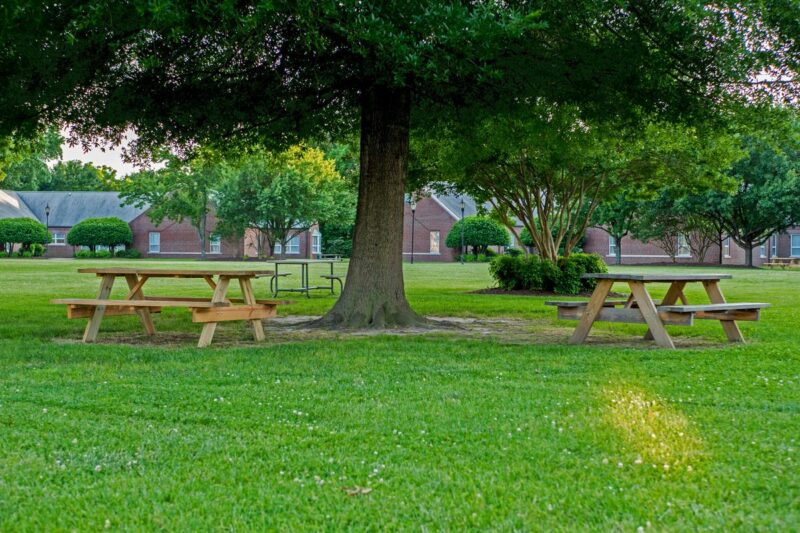
The Barry Robinson Center 3 photos
Comparison facts and sources
Residential behavioral-health treatment for military-connected youth ages 11 to 17, with education, family involvement and individualized clinical care. · 443 Kempsville Road, Norfolk, Virginia 23502
- Published fee information
- Quote required
- Before admission
- Admission requires clinical assessment and a professional recommendation. The program is for military-connected youth, not a general adult addiction rehabilitation center.
- Continuing care
- Discharge criteria are individualized around readiness to return home. The interdisciplinary team and parents participate in planning, and the provider states that residents generally discharge home.
Source record · October 14, 2026
Provider-published information checked October 14, 2026. Confirm military connection, clinical fit, payer authorization and personal cost directly with The Barry Robinson Center.
Luxury rehab comparison · Fees and inclusions · Selection methodology
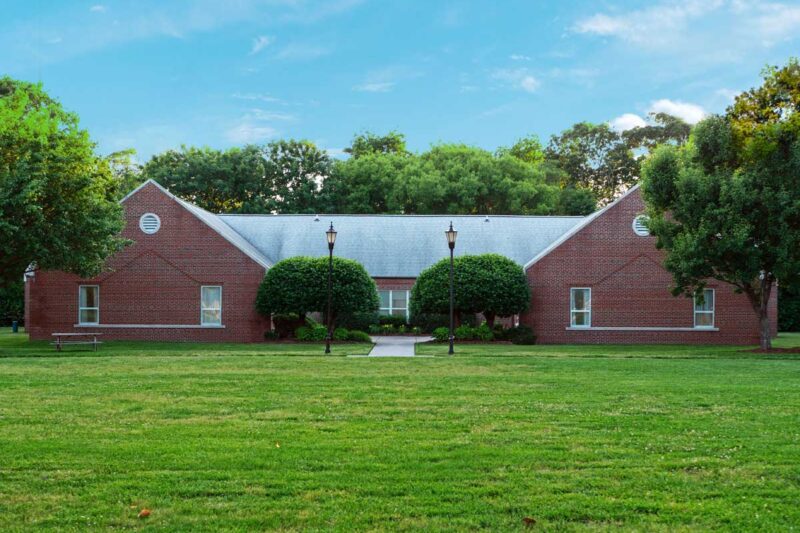
The Barry Robinson Center in Norfolk, Virginia is a residential behavioral-health program for military-connected youth ages 11–17. It is not a general adult addiction-rehabilitation center. The provider describes a structured campus for young people with emotional and behavioral needs, with education, family involvement and individualized clinical care.
Current services include individual, group and family therapy, recreational and art activities, medication management and support for eligible co-occurring substance-use concerns. The provider’s FAQ lists an average residential stay of six months, while treatment plans and discharge criteria remain individualized.
Current contact: 443 Kempsville Road, Norfolk, VA 23502; +1 800-221-1995; admissions@barryrobinson.org. The provider accepts most commercial insurance, is TRICARE-approved and lists Virginia, West Virginia and North Carolina Medicaid approval. Coverage and personal cost require individual verification; no universal self-pay price is published.
Military connection and the residential admission decision
The center’s admissions FAQ defines a military-connected family as one in which a parent currently serves in, or has retired from, a U.S. military branch. Its stated age range is 11–17. Parents, guardians and treating professionals can make a referral, but a licensed clinical professional’s recommendation is required. Military connection alone therefore does not establish that this residential setting is suitable for a particular young person.
The FAQ distinguishes its initial placement decision from insurance approval, which can take longer. It lists commercial insurance, several TRICARE arrangements and specified state Medicaid programs; families still need individual authorization. Its six-month average is a planning reference rather than a promised discharge date. Particularly relevant for this directory, the FAQ says the center does not take children whose primary diagnosis is addiction. Co-occurring substance-use support belongs within its youth behavioral-health model. Clarify that distinction with both the referring clinician and admissions before arranging travel.
What the open campus can and cannot provide
The provider’s residential comparison guide describes an open campus, employed child psychiatrists, nursing, pediatric care and an accredited school. It also identifies several services or presentations outside its listed scope: eating-disorder treatment, sex-offender programming, delinquent-behavior programming and a high risk of running away. Those boundaries are material when comparing it with a hospital, a secure setting or another specialist youth program.
An open-campus description should not be read as unsupervised access or as evidence that every building remains unlocked. More useful placement information includes how staff support transitions between activities, what supervision a child requires, and whether the program can safely meet that specific need. The guide says seclusion is not used. Families can discuss how the team responds to distress, aggression or attempts to leave, and how incidents are communicated. A pleasant campus and a list of therapies do not replace a careful match between the child’s needs and the center’s actual capabilities.
How the treatment team works together
According to the treatment-approach page, the resident and family or guardian participate alongside the psychiatrist, therapist, residential counselors, nurses, teachers and recreational therapists. The team meets weekly to review progress. That structure connects what happens in a therapy appointment with what staff observe in the dorm, classroom and shared activities.
The center describes Risking Connection and the Restorative Approach as foundations for its response to trauma and behavior. The emphasis is on relationships, individual experiences and repairing connections after difficulties. These are descriptions of the provider’s model, not guarantees that a particular child will respond to it. Its clinicians are described as master’s prepared and licensed or license eligible, with continuing supervision. Ask who will hold primary responsibility for the child’s plan, how the therapist is matched to the presenting concerns, and how parents will be involved when the plan changes. A shared understanding of those roles makes multidisciplinary care easier to follow.
Therapy frequency and goals for returning home
The therapy overview organizes care around individual discharge criteria: what the child needs to accomplish to be able to live at home. It gives typical frequencies of individual therapy twice weekly, family therapy weekly, and group therapy or activities daily. The type and frequency prescribed for a particular resident follow assessment, so these examples should not be interpreted as an identical timetable for everyone.
This approach makes the discharge criteria an important document for families to understand early. A useful discussion connects each proposed therapy with a practical goal at home or school, and explains what progress would support a change in the plan. Parents can also ask how staff distinguish a difficult week from a sustained change in functioning. Creative and recreational options are presented as part of the wider treatment experience, rather than as substitutes for the prescribed clinical work. The value of the schedule depends on how its components address the individual child’s needs.
Individual therapy and selecting the right method
The center’s individual-therapy description focuses on understanding thoughts, emotions, habits and experiences, and developing ways to manage behavior. It lists trauma-informed cognitive behavioral work, rational emotive therapy, trauma narratives, dialectical behavior therapy, EMDR and problem solving among methods its therapists may use. It explicitly says that every child does not receive every available therapy.
That qualification matters when a family is seeking a specific intervention. Ask whether the recommended therapist uses that method with the child’s age group, how readiness will be assessed, and what role it would have within the broader plan. The provider describes this work as a process rather than a quick solution. An individual session is also different from a classroom lesson or a general group discussion: it offers space to explore concerns that may not be appropriate to discuss with peers. Families should understand how confidentiality and necessary care-team communication will be explained to the young person.
Family work that can be practiced beyond the session
The family-therapy page describes a Family Systems Model that looks at the household’s stressors, roles and relationship patterns. A typical weekly appointment is intended to build a practical problem-solving approach with the family. The child has an individualized playbook of techniques, which residential counselors also help the resident use during daily life.
As return home approaches, the provider describes role-play and opportunities to practice these techniques with parents and siblings. This gives families something more concrete to discuss than a general expectation that everyone will communicate better. Useful questions concern which situations the playbook addresses, how adults should respond consistently, and how the techniques will be adapted when home routines differ from residential life. Parents living at a distance can ask how participation will be arranged and who should attend. The aim described is preparation for living together after discharge, not a guarantee that every relationship difficulty will be resolved during the stay.
Peer groups and everyday communication
The group-program page distinguishes psychoeducation, community discussions, problem-solving groups and recreational therapy. Therapists and other qualified staff lead activities throughout the day. These different formats serve different purposes: learning information, discussing shared concerns, practicing communication and participating in a structured activity should not all be assumed to be the same kind of clinical appointment.
The provider emphasizes listening to others, considering different perspectives and developing supportive peer relationships. A family can ask how groups are organized by age, needs and readiness, particularly if their child finds peer settings overwhelming or has experienced conflict at school. It is also useful to understand how staff intervene when a group dynamic becomes unhelpful and how observations are shared with the individual therapist. The page describes intended skills and benefits; it does not establish a guaranteed outcome for a shy, distressed or reluctant participant. The child’s response remains something the team needs to monitor.
Psychiatry, medication review and monitoring
The medication-management page presents prescribing as one part of a broader treatment plan. It says residents typically see a psychiatrist weekly and that decisions consider the proposed medication’s risks and benefits. The stated approach is to avoid unnecessary medication and use an individually appropriate regimen, rather than apply a standard prescription to everyone with a similar diagnosis.
The provider describes monitoring that can include movement assessments and selected laboratory tests, depending on the medication. These are examples of its process, not a testing schedule or medication recommendation for a prospective resident. Families should discuss how existing prescriptions are reviewed, how consent is handled, which professional explains changes, and what information will be shared with the clinician who resumes care after discharge. Report allergies, previous reactions and relevant medical history through the clinical intake process. The presence of psychiatric care does not remove the need to establish whether more complex medical requirements can be supported in this residential setting.
Substance-use work within a primary mental-health plan
The center’s dual-diagnosis description places substance-use work alongside treatment for an adolescent’s primary mental-health diagnosis. It identifies The Seven Challenges as its structured approach for eligible young people with co-occurring concerns. The materials described include guided journaling, books, interactive activities and age-appropriate peer discussion.
The focus is on helping adolescents examine substance-use behavior and make decisions within their wider treatment plan. This should not be interpreted as an adult rehabilitation program, an opioid treatment clinic or a medical detoxification service. A parent seeking help for substance use can ask how the team determines whether this component is suitable, who delivers it, and how it connects with psychiatry and family work. If a young person’s principal need is addiction treatment, that distinction should be resolved before placement. A named curriculum indicates the program’s approach; it does not by itself establish that the center can meet every level of substance-related clinical need.
Art as a supported activity
In its art-activities page, the provider describes creative work that may be prescribed to help residents explore experiences and emotions at their own pace. Examples emphasize patience, impulse control and collaboration. The page also describes communication between the art teacher, unit managers and other staff when something relevant emerges through a child’s work.
These activities can provide another way for a young person to participate, especially when discussing a difficult experience directly feels challenging. That does not mean every artwork has a clinical meaning or that art alone replaces individual therapy. Families can ask how participation is selected, whether projects are adapted to the child’s interests or sensory needs, and how the therapist incorporates relevant observations. The description uses art teacher and art activities; it should not be converted into an unsupported claim that every session is delivered by a separately credentialed art therapist. The assigned activity and professional role are details to clarify in the individual plan.
Recreation and access to off-campus activities
The recreational-therapy page describes an on-campus gym, team games, a rock wall, Scouting and selected community outings. It also explains that equine-assisted learning takes place through a local nonprofit at its farm. Residents are selected for that program according to therapeutic need; the presence of horses in promotional material does not establish an on-campus stable or participation for every resident.
The stated purpose is to connect activities with individual goals such as communication, trust and problem solving. Families can ask how physical limitations, fears, sensory differences and supervision needs affect participation. An activity list is not a fixed weekly schedule: weather, staffing, the child’s readiness and the treatment plan can all matter when arrangements are confirmed. The useful comparison is whether the team can explain the purpose and suitability of an activity for this particular child. Recreational opportunities contribute to residential life but should be considered alongside the core clinical and educational program.
Schooling, meals and preparation for home
The additional-services page describes a year-round K–12 school, with classroom instruction, contracted online coursework, continued online homeschool work or a combination. Staff coordinate with parents and the home school. Before placement, establish which curriculum will be used, how credits and accommodations will transfer, and who will handle the transition back. A school located on campus does not automatically mean that every course offered at the child’s home school will be available.
The same page describes three meals and two snacks daily, dietitian involvement and individualized arrangements for dietary needs. It also makes spiritual participation voluntary, despite the organization’s Catholic heritage. Share specific food allergies, dietary requirements and spiritual preferences during planning rather than relying on a broad amenities description. Educational, nutritional and daily-living arrangements are substantial parts of a months-long residential stay. Their fit with the child’s needs deserves the same attention as the therapy list and proposed discharge goals.
Official provider pages reviewed October 19, 2026. Program descriptions, usual frequencies and average durations are attributed to the provider; individual eligibility, supervision, current availability, authorization and cost require direct confirmation. This review does not independently certify credentials, outcomes or payer approval.
Official sources checked October 10, 2026: program overview, admissions, insurance and duration FAQ, and contact.