Sundown M Ranch


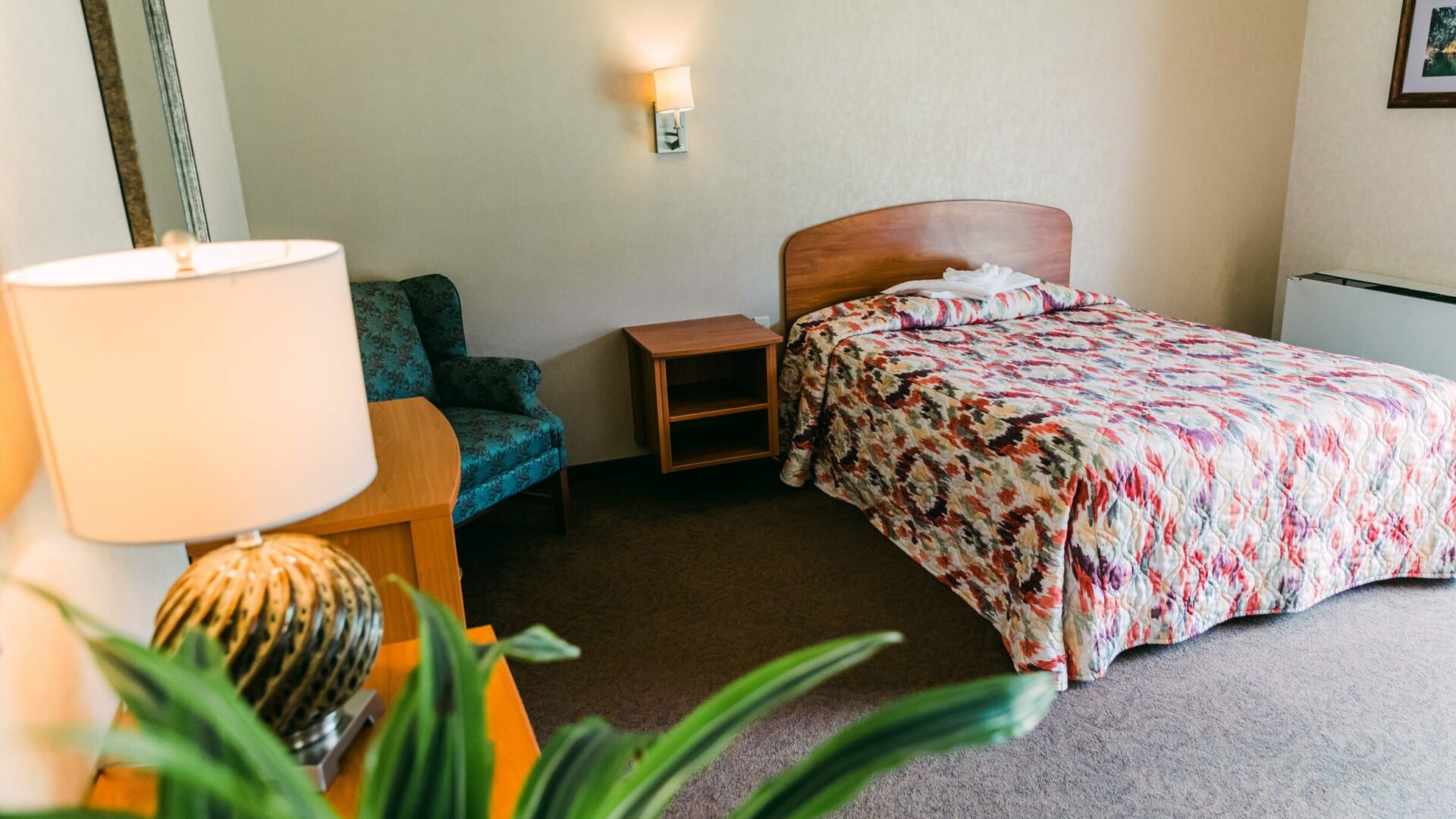
Sundown M Ranch 3 photos


Sundown M Ranch is a nonprofit substance-use treatment provider at the entrance to the Yakima River Canyon in Washington. Its current continuum includes withdrawal management, residential treatment and outpatient services.
Separate residential programs serve adults and youth, with medication-assisted treatment options, individual and group therapy, relapse prevention, trauma-informed care, exercise and family participation. The provider describes itself as dual capable for many co-occurring mental-health needs, subject to admissions assessment. Its outpatient program is currently delivered by telehealth and can provide step-down support after residential care.
A nonprofit provider with separate treatment programs
Sundown M Ranch’s organizational overview describes a nonprofit substance-use treatment provider established in 1968. The campus is at the entrance to the Yakima River Canyon. The provider’s mission includes treatment for people with substance-use disorders and support for family members affected by them. Its nonprofit identity does not establish that admission is free or that a particular insurance benefit is available.
The setting can be relevant to someone’s preference for a residential stay, but clinical placement should follow the program assessment. Sundown’s adult, youth, and outpatient descriptions address different routines and support needs. A family comparing those options should establish which program is proposed before making assumptions about room arrangements, schooling, medical support, or communication. The provider’s affordability language is a statement of its positioning, not an independently verified comparison with every other treatment center.
The adult residential program combines several forms of support
The adult program describes individual therapy, gender-specific groups, education, physical activity, family participation, and discharge planning. Sundown identifies a person-centered approach grounded in the 12 steps, with additional groups addressing areas such as relapse prevention, parenting, and trauma-related needs. It also lists withdrawal management and medication-assisted treatment options.
The published staffing description distinguishes 24-hour staff coverage from an on-site medical director. It should not be interpreted as a promise that a physician is physically present throughout every overnight hour. Adult accommodations are described as semi-private, with housekeeping, weekly laundry, and meals. That differs from assuming the ranch setting includes a private room. Before admission, ask which clinical services and groups apply to the individual, what medical review is required, and what the discharge plan is expected to include. Not every listed specialty group will necessarily be relevant to every adult’s treatment.
Youth care has its own groups, living areas, and school support
The youth program page describes a primary treatment group assigned on arrival, group therapy seven days a week, structured physical activity, and an on-site school program. It lists individual therapy, youth-specific relapse-prevention work, trauma-informed care, family participation, withdrawal management, and medication-assisted treatment options, subject to clinical assessment.
Sundown describes separate gender-specific living wings, semi-private accommodation, and accessible rooms for people with disabilities. It also identifies extended-stay options. The reviewed program page does not give one exact admission age range, so families should confirm age eligibility and placement directly rather than infer it from the word “youth.” School arrangements, accessibility requirements, and the role of a parent or guardian need to be settled for the individual. An on-site school program does not by itself confirm which courses, credits, or accommodations a student’s home school will accept.
Outpatient care is currently described as telehealth
The outpatient page explicitly states that services are currently delivered by telehealth using Zoom. It lists intensive outpatient and continuing-care levels, assessment, group work, individualized counseling, relapse prevention, and coordination with other facilities. Sundown describes both a step down from residential care and help arranging inpatient treatment when that is recommended.
The same page retains general campus and transportation descriptions, but its current telehealth-only statement is the clearest delivery information. Do not assume an in-person outpatient appointment has been booked without confirming it. Ask about the actual group schedule, remote participation requirements, eligibility from the patient’s location, and how individual counseling is arranged. The page describes variable lengths of care and movement toward less clinical support as appropriate. Its outpatient service is therefore not one universal session count, and the residential campus description should not be used to infer outpatient accommodation.
Confirm the specific family-program arrangement
The dedicated family page describes a two-day program, usually near the end of the third treatment week, with up to two invited family members. The first day is on Zoom. The second may be remote or on campus, with an individual session and participation in treatment activities. Invitations are discussed by the patient and primary counselor.
The general FAQ instead describes a three-day family program with accommodation in a family annex. These published arrangements differ, so families should obtain the current invitation and schedule before arranging lodging. A weekday family program also has a different purpose from ordinary weekend visitation. Ask which format applies to the adult or youth admission, whether overnight accommodation is offered, and what costs or attendance expectations accompany it.
Length of stay and co-occurring needs are assessed individually
The FAQ says duration depends on individual need and may be longer for youth. It describes the facility as dual capable, with admission suitability assessed for co-occurring mental-health needs. This is not a guarantee of unrestricted psychiatric admission.
Admissions needs information from the prospective patient
The admissions process asks for insurance information, current medical concerns, medications, emergency contacts, and any referring outpatient agency. Sundown says that when a family member makes the first inquiry, staff still need to speak with the prospective patient before making a reservation. An inquiry by someone else is therefore a first step rather than a confirmed placement.
The provider lists arrival and check-in between 8:30 and 11 a.m., seven days per week, with other arrangements discussed through admissions when necessary. Travel should follow a confirmed bed date and arrival plan. Prepare the clinical records requested by the team and clarify transportation, medication arrangements, and any accessibility needs. The seven-day admissions schedule does not establish immediate availability or mean a person can arrive without a reservation. A referring clinician can help coordinate the information needed to assess the appropriate treatment level.
Adult packing rules affect medication and device arrangements
The adult packing list requests identification, insurance information, payment arrangements, and medications in their original labeled packaging. It says over-the-counter medications are stored and controlled through the medication room, and supplements require specific approval. These are facility preparation rules, not instructions to start, stop, or change a medication without the treating professionals.
Adults are asked to limit belongings to two pieces of luggage and bring roughly seven to ten days of suitable clothing, with weekly laundry provided. Computers and devices with internet or camera functions are restricted, and phones and wearable technology are secured during the stay. The list also distinguishes traditional tobacco from specific approved nicotine-replacement or labeled vape products. Confirm the current rules before packing, particularly if using a medical device or communicating with work. A device restriction can require advance practical arrangements even when the treatment duration remains individualized.
The youth packing list differs from the adult list
The youth packing guidance has separate rules for clothing, personal items, and electronics. It prohibits tobacco and vape products, outside food, and several types of electronic entertainment. Phones and wearable technology are secured during the stay. Earbuds are described as being for the school environment only, rather than general unrestricted device use.
Families should use the youth list instead of transferring permissions from the adult program. The page requests medications in original packaging and any required medical documentation; medical questions should be resolved with the admitting team. Weekly laundry is provided, so a long stay does not require packing a separate outfit for every day. Discuss educational equipment or disability-related items before arrival, since the general prohibited-items list may not explain the process for individual needs. Confirm how essential communication and school arrangements will work without assuming that a personal laptop or phone can remain in the room.
Weekend visits have defined times and boundaries
The visitation page publishes Sunday visits from 2–4 p.m. and provides a registration route. Visitors must follow campus rules and use the designated areas; the page says visitors cannot enter sleeping wings. Patients are not permitted to use a visitor’s electronic devices or sit in a visitor’s vehicle. These rules affect how a family should plan even a short visit.
The page prohibits pets and identifies restrictions on bringing food, medications, tobacco products, or other prohibited items. The youth area has explicit tobacco-free rules. Confirm the patient’s eligibility to receive a visit, the registration procedure, and any approved exceptions through staff before traveling. A weekend visit is different from the scheduled family-treatment sessions and should not be assumed to include a clinical meeting. If relatives want to discuss care planning, arrange that conversation with the appropriate team member rather than relying on a visiting period.
Understand what the inpatient estimate includes
The financing page describes the inpatient substance-use treatment rate as all-inclusive, while expressly stating that patients are responsible for off-site medical services. That exception matters when reviewing a proposed total. Request an estimate that explains the treatment rate, expected insurance contribution, patient responsibility, and how care received outside Sundown would be handled.
The provider says it is in network with most commercial insurers and that Medicaid availability is limited. Those statements do not establish an available publicly funded placement or approval under every plan. Payment arrangements can be discussed with admissions, and the page identifies a healthcare financing partner. Financing is a separate financial agreement, not an insurance benefit or proof of affordability for an individual. No universal numeric inpatient price is published on the reviewed page. Confirm terms directly before relying on the all-inclusive description to cover expenses beyond the stated treatment service.
Alumni contacts introduce local recovery communities
Sundown’s alumni service is described as a bridge to a person’s local 12-step community. During aftercare planning, a graduate may receive contact details for an active local member who is also a Sundown alumnus. The published criteria include at least six months of continuous sobriety, regular meeting participation, and willingness to make contact and meet soon after the person’s return home.
The page is explicit about the limits of that role: the contact is not automatically a sponsor and does not act as a therapist, financial adviser, or career counselor. Their role is to help introduce meetings, local recovery settings, and possible support connections. This distinction makes the service easier to assess as part of discharge planning. Confirm whether a suitable contact is available in the intended home area and keep clinical follow-up arrangements separate. Alumni participation does not establish medical supervision or replace an agreed outpatient treatment plan.
Official provider information reviewed October 19, 2026. Family-program descriptions differ between current pages; confirm the receiving program’s arrangements before travel.
The campus is at 2280 State Route 821, Yakima, WA 98901 and the provider lists 1-800-326-7444. Treatment length is individualized and may be longer for youth. Inpatient treatment is described as all-inclusive; Sundown is in network with most commercial insurers, Medicaid availability is limited, and off-site medical services remain the patient’s responsibility. Sources: provider overview, adult program, youth program, outpatient program, program FAQ and financing and insurance, checked 2026-10-13.