Stewards of Recovery

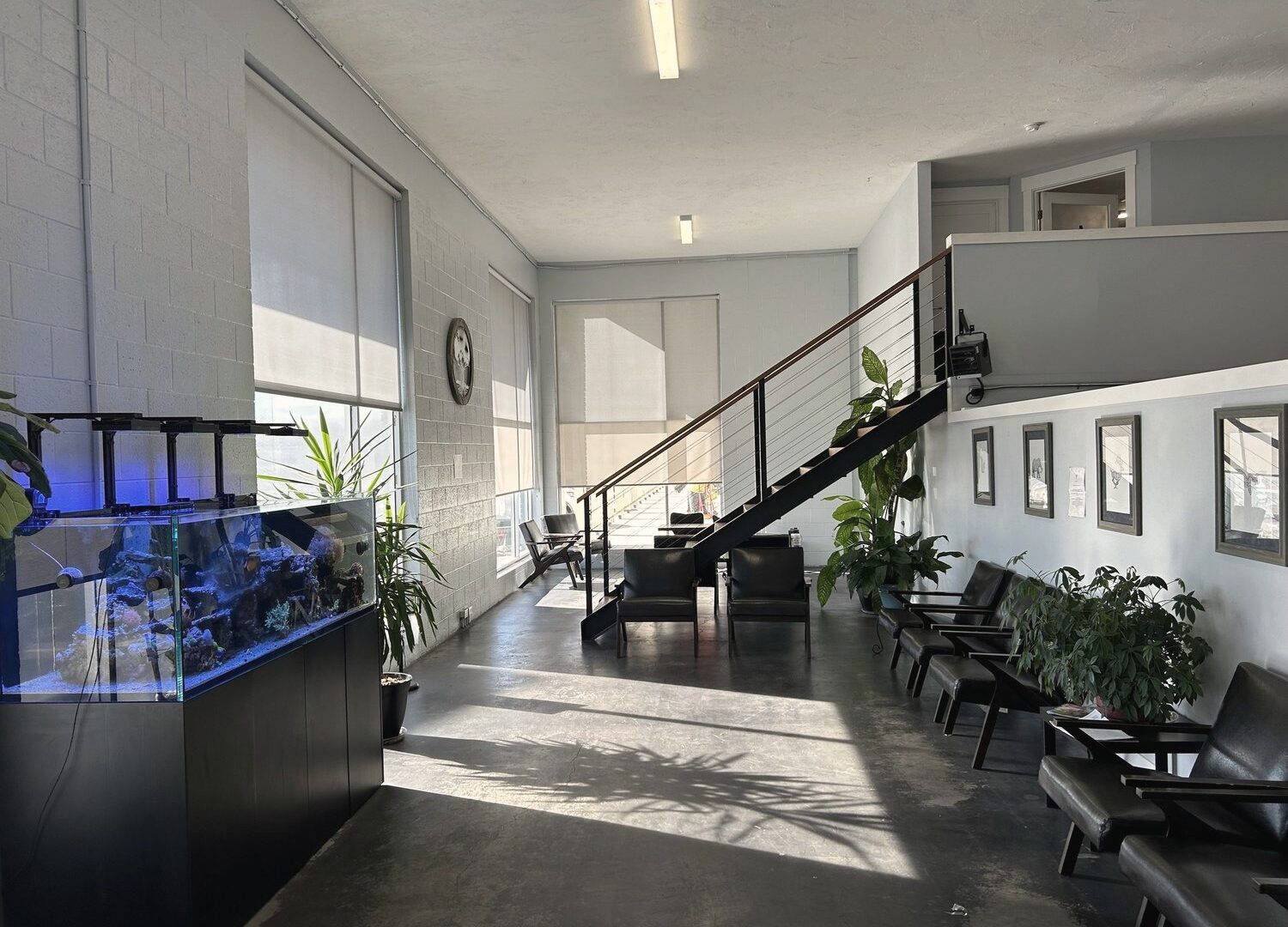
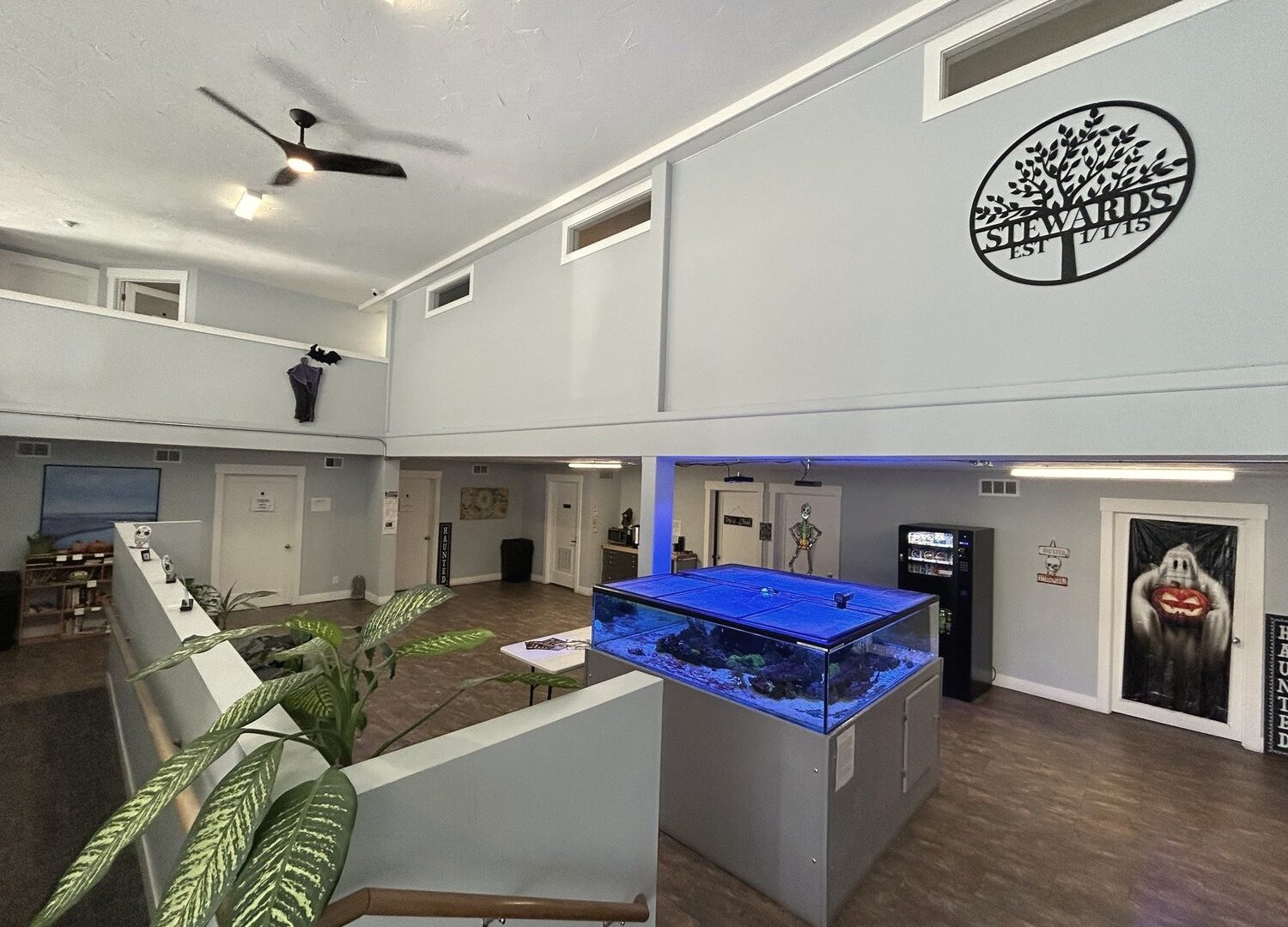
Stewards of Recovery 3 photos

Comparison facts and sources
Idaho behavioral-health network with separate adult and youth residential programs, outpatient services and gender-specific safe and sober housing. Services must be matched to the correct program and location. · Idaho multi-location network; main outpatient office at 685 1st Street, Idaho Falls
- Published fee information
- Quote required
- Before admission
- The 1st Street address is the main outpatient office; adult residential, youth residential and housing use separate locations. No universal program duration is published.
- Continuing care
- Stewards publishes step-down outpatient care, safe and sober housing, case management and ongoing clinical support. The specific transition plan depends on program, location and individual recovery needs.
Source record · October 15, 2026
Provider-published information checked October 15, 2026. Confirm program, location, age eligibility, bed or housing availability, payer authorization, duration and personal responsibility directly with Stewards.
Luxury rehab comparison · Fees and inclusions · Selection methodology
Provider overview
Stewards of Recovery is an Idaho network offering substance-use and mental-health treatment for adults and adolescents. The organization operates distinct outpatient, residential, youth and recovery-housing locations, so services should not be assumed to be available at every address.
Programs and locations
Adult services include social detoxification, ASAM 3.5 and 3.1 residential treatment, partial hospitalization, outpatient treatment, case management and recovery coaching. Youth services for ages 12–17 include outpatient care, partial hospitalization and residential treatment. Safe and sober housing is a separate recovery-living service. The listed 685 1st Street address is the Idaho Falls main outpatient office; residential and youth services use other provider locations.
Access and payment
Stewards states that it accepts Medicaid, Medicare, Magellan state funding, private insurance and private payment. It also offers an income-based sliding fee for people who are uninsured or underinsured. Program eligibility, campus placement, coverage, personal costs and duration require individual confirmation.
Understanding the organization behind the different programs
The Stewards of Recovery overview traces the organization to an Idaho Falls office founded in 2015 by Janna Martin, formerly Kulow. It describes growth into adult and youth residential services, partial hospitalization, intensive outpatient care, and standard outpatient support. Its published capacity figures refer to facilities across the organization, rather than beds at the main office or current availability for admission.
This history helps explain why a search for the provider can produce several different addresses and service descriptions. The relevant question is which team and setting would receive the individual seeking help. Ask for the name of the program, its location, and the clinical reason for recommending that level of support. A network with several services may offer continuity, but a transition still requires assessment, scheduling, and an agreed plan. The provider’s testimonials describe individual experiences; they do not establish a typical outcome, standard treatment duration, or comparative ranking against other programs.
Adult residential, outpatient, and youth services use different addresses
The official location directory identifies the Idaho Falls main office as outpatient, with adult residential treatment in Blackfoot and another outpatient office in Rexburg. Stewards of Children has a separate youth residential address on Lomax Street. The directory also lists several safe and sober housing properties. Those locations should not be treated as interchangeable parts of one residential campus.
Obtain the actual receiving address before arranging transportation or verifying benefits. An appointment with the main office may be an assessment or outpatient session, while a residential admission involves a different destination. If the plan combines housing and clinical appointments, ask how travel between them works and whether transportation is included or separately arranged. The directory’s housing entries do not establish that every property contains clinical staff or all treatment levels. A clear written plan should identify where the person sleeps, where treatment occurs, who provides support at each location, and how changes in care are coordinated.
Adult care ranges from residential support to regular outpatient visits
The adult program page describes residential care at ASAM levels 3.5 and 3.1, with continuous support and individualized treatment. Its PHP provides structured daytime treatment while clients return home or to suitable recovery housing afterward. IOP offers several sessions weekly, while standard outpatient care is described as typically meeting once or twice per week. These levels differ in intensity and living arrangements.
The provider lists behavioral approaches, individual and group work, recovery coaching, and practical skill development. Ask which elements are proposed for the person’s substance-use and mental health needs, and how the team determines when a different level is appropriate. The page does not establish a single required stay or one timetable for all adult clients. Request the actual weekly schedule, prescribing arrangements if needed, and criteria for reviewing progress. Having work or family responsibilities may influence planning, but suitability for time away from clinical support still needs assessment. Housing availability and clinical acceptance should be confirmed separately.
Social detox, mental health support, and practical classes need clarification
The current service overview lists social detox alongside adult substance-use treatment, mental health counseling, case management, recovery coaching, and practical education. It names parenting, anger management, financial planning, life skills, and an eight-hour DUI education class among its offerings. These services have different purposes and should not all be assumed to form part of every treatment plan.
In particular, a social-detox listing does not establish the medical monitoring available for a person’s withdrawal needs. Ask the intake team what assessment occurs, which symptoms or medical conditions require another setting, and who makes that decision. For classes, establish whether the current course meets the individual’s actual requirements and whether a referring court, employer, or other agency accepts it. Attendance at an educational class is not equivalent to completion of residential treatment. The useful comparison is the proposed combination of clinical care, practical support, and education, with each component’s purpose and arrangements explained clearly.
Stewards of Children has a separate adolescent pathway
The youth program page describes Stewards of Children for adolescents aged 12–17, including residential treatment, a youth home, PHP, and outpatient services. The provider describes its QRTP status and ASAM residential levels, with separate homes and access to clinical counseling through its outpatient services. These are provider-published program descriptions; a family should confirm the specific placement and current admission requirements.
Youth PHP involves daytime support with evenings at home, while outpatient care includes individual, group, and family counseling without residential accommodation. Ask which route fits the young person’s needs and how the team coordinates school, caregivers, existing clinicians, and transitions between services. A residential treatment placement and a child-welfare-related youth home may involve different referral and funding processes. Do not assume that the same application covers both. The plan should identify the responsible service, supervision arrangements, family involvement, and how concerns are addressed outside appointment hours. Age alone is not enough to establish that a particular program is suitable or available.
Recovery housing is distinct from residential treatment
The housing page separates standard men’s housing, enhanced men’s housing, and women’s housing. Enhanced housing is described as adding staff check-ins, case management, and access to clinical support. The women’s program includes arrangements for mothers living with their children. These descriptions concern supported living and connections to treatment, rather than automatically establishing inpatient medical care at each residence.
Before choosing a property, ask about the actual support schedule, house expectations, room sharing, children’s eligibility, and how clinical appointments are arranged. The enhanced label should be translated into practical information about staff presence and response to concerns. Standard housing and enhanced housing may involve different responsibilities or charges, so request the applicable agreement. If someone also needs PHP, IOP, or another service, confirm that placement separately. A substance-free living environment can be one part of a recovery plan, while medication management, therapy, and assessment remain services with their own providers, schedules, and clinical decisions.
Insurance and sliding-scale eligibility are assessed individually
The application and financial information page lists Medicaid, Medicare, private insurance, and private payment. It also describes a sliding scale for uninsured or underinsured people using Federal Poverty Guidelines and directs applicants to the office for the application process. The page does not publish one price that applies equally to residential treatment, outpatient appointments, and housing.
Ask for benefits verification for the exact service and location, including any authorization, referral, deductible, or copayment requirements. If requesting a sliding-scale assessment, establish what documentation is needed, which services it covers, and when the decision will be made. A general statement that a payer is accepted does not prove that every program is covered by a particular plan. Housing and separately arranged services should have their own written cost explanation. For outpatient care, the page directs prospective clients to schedule an assessment; clarify whether that assessment has a charge and what information is needed before the appointment.
What the accreditor’s organization listing establishes
The Joint Commission provider locator identifies Stewards of Recovery under HCO ID 652368 and lists Behavioral Health Care and Human Services among its accredited programs. Its organization entry also links separate sites in Idaho Falls, Blackfoot, and Rexburg. This provides a more specific reference than relying only on an accreditation logo in a website footer.
Accreditation information should be read at the organization and site level. It does not mean that every listed address offers every treatment level, or that a particular person qualifies for admission or insurance coverage. Match the receiving location and program to the current record when making a decision. Ask the provider to explain any separate state license or service approval relevant to the proposed placement. Accreditation is one piece of due diligence, alongside the actual treatment plan, staff roles, medication arrangements, and funding terms. It is not a prediction of treatment success or a ranking of the program against other providers.
The Lomax site record describes adolescent and outpatient services
The accreditor’s Lomax site entry identifies the youth location separately. Its listed substance-use care levels include adolescent clinically managed residential services, lower-intensity residential care, PHP, IOP, and outpatient therapy. Those categories describe the recorded service scope; they are not a schedule showing that every option is immediately available to a new applicant.
For a family comparing youth care, ask which service is actually being recommended and where each clinical component takes place. The relationship between a residential home and outpatient counseling should be understandable before placement. Discuss the young person’s supervision needs, participation in groups, family involvement, and the process for changing the plan. The presence of several levels in a site record does not establish hospital-level medical withdrawal care or erase the need for individual assessment. Confirm the current program-specific requirements and any external clinical services, especially when a referral involves more than one organization or funding agency.
Arranging the right assessment and practical support
The provider’s inquiry page distinguishes the administrative office from a dedicated housing contact. It publishes weekday office hours, with a shorter Friday schedule. Those administrative hours should not be confused with residential support arrangements or interpreted as an emergency response service. Ask which team handles clinical assessment, housing questions, and any existing treatment coordination.
Prepare a concise account of the person’s needs, current care, preferred location, and practical barriers before the first conversation. If the immediate request concerns housing, establish whether a separate clinical assessment or treatment engagement is required. If it concerns treatment, ask whether accommodation is relevant or whether the person can attend from home. Agree on the next concrete step, who will follow up, and what documents are needed. An inquiry does not reserve a bed or confirm payment. Separating those tasks helps avoid a situation in which transport or a housing move is arranged before clinical suitability and the receiving program are settled.
Provider pages and official Joint Commission organization and site records reviewed October 19, 2026. Confirm current placement, eligibility, approval, and costs with the receiving service.
Sources and verification
Stewards of Recovery program and financial information, official location directory and application guidance, checked October 10, 2026. This profile summarizes provider-published information and is not an independent clinical assessment.