Starlite Recovery Center
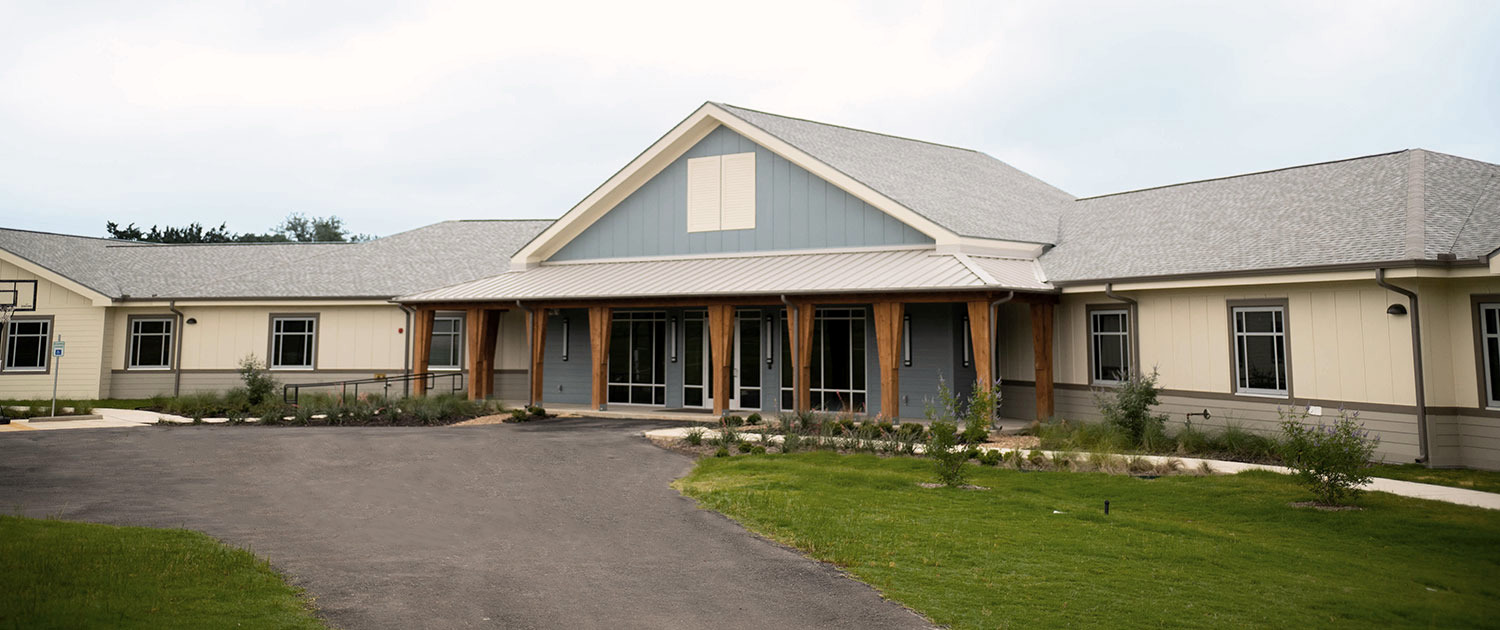

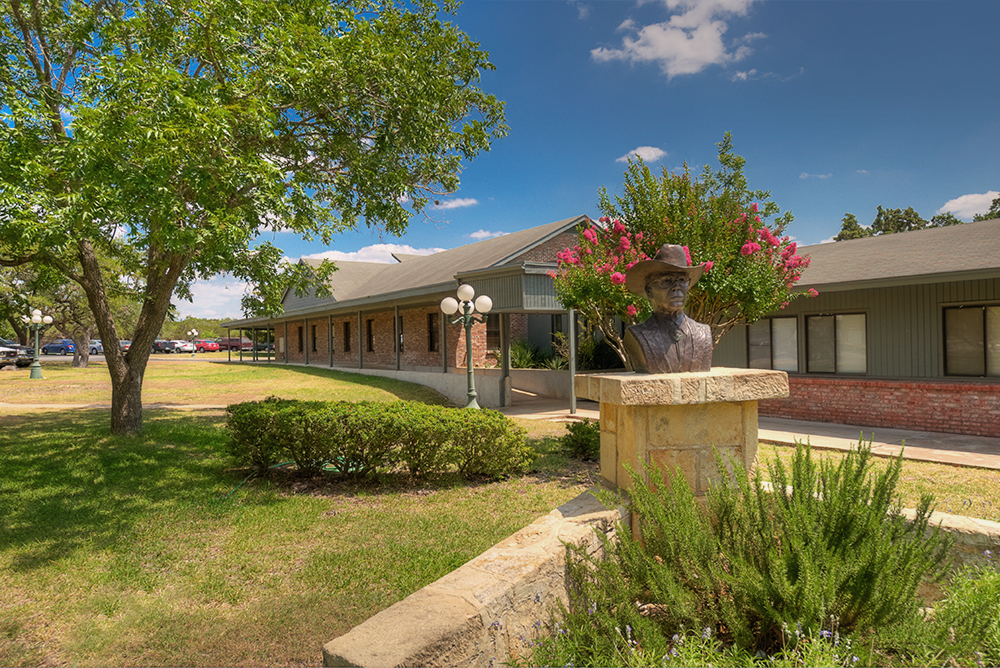
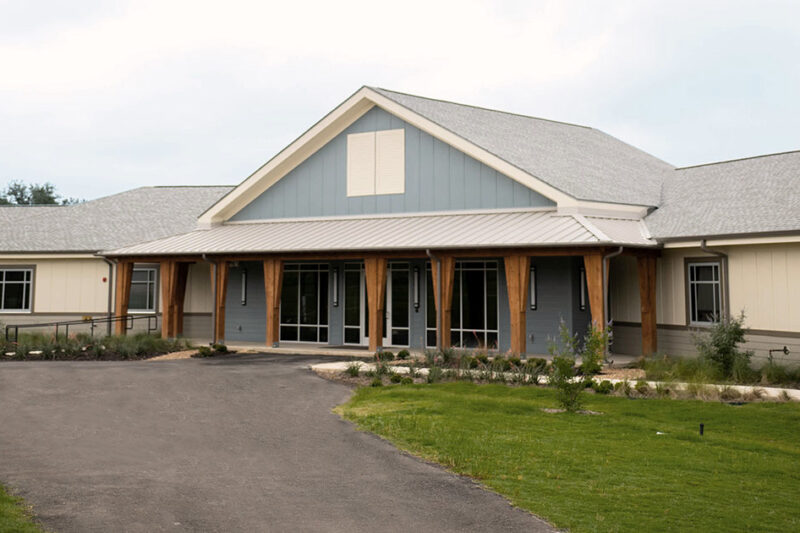
Starlite Recovery Center 3 photos


Comparison facts and sources
Adult Center Point residential addiction treatment with detoxification when indicated and distinct Kerrville/New Braunfels IOP plus telehealth options. · 230 Mesa Verde Drive, Center Point, Texas 78010, United States; separate IOP services operate in Kerrville and New Braunfels.
- Published fee information
- Quote required
- Before admission
- This exact profile represents the Center Point residential campus. Kerrville and New Braunfels are separate IOP locations. Insurance and managed-Medicaid statements conflict on the current provider page.
- Continuing care
- IOP may serve as step-down support after residential or PHP care, and an alumni program is published; no fixed universal continuing-care duration is stated.
Source record · October 16, 2026
Provider-published information checked October 16, 2026. Confirm clinical eligibility, exact campus, benefits, managed-Medicaid status, duration and personal costs directly.
Luxury rehab comparison · Fees and inclusions · Selection methodology
Provider overview
Starlite Recovery Center provides residential addiction treatment for adults age 18 and older at 230 Mesa Verde Drive in Center Point, Texas. The provider also operates separate intensive outpatient locations in Kerrville and New Braunfels.
Treatment and services
Current provider materials describe residential care, detoxification when clinically indicated, medication management, individual, group and family therapy, experiential services, medication-assisted treatment, partial hospitalization, telehealth and specialized tracks for co-occurring mental health concerns, LGBTQ+ clients, Christian-oriented care, service members, veterans and first responders. The Kerrville and New Braunfels intensive outpatient programs are distinct from the Center Point residential campus.
Admissions, duration and costs
Starlite states that its intensive outpatient program meets three days per week and typically lasts about eight weeks, although individual duration can vary. The provider lists commercial plans, TRICARE, veterans’ benefits, self-pay and financial-plan options. Its current insurance page is internally inconsistent: it lists three managed Medicaid plans but later says Medicare and Medicaid are not accepted. Confirm the exact plan directly before relying on coverage. No universal residential duration, self-pay price or tax treatment was verified.
Understand the Center Point residential setting
Starlite’s adult program description places residential treatment on a 55-acre Texas Hill Country campus. It describes individual and group treatment alongside recovery meetings, life skills work, and outdoor or fitness activities. The program is therefore best evaluated as a structured residential community. Photographs of the grounds do not establish a private, one-client program or unrestricted access to each activity.
The same page describes medically supervised detoxification, including nursing support and physician involvement. Ask the admissions team whether detox is recommended in the individual case, which medical conditions the campus can manage, and when hospital transfer would be necessary. Clarify how the daily schedule changes while someone is withdrawing and when they can participate in residential groups. Activities such as the ropes course, gym, and equine work should be considered in relation to clinical readiness and current availability. A written initial plan should identify the actual level of care rather than treating detox and residential rehabilitation as interchangeable stages.
Clarify the limits of co-occurring mental health treatment
The Dual Recovery Program describes a dedicated building and treatment for adults with addiction and co-occurring mental health concerns. Published services include daily groups, individual therapy, family sessions, nursing, and medication management. The page gives a flexible example of stays ranging from two weeks to 45 days; it does not establish one compulsory course for every person admitted to Starlite.
Ask how the proposed team will coordinate substance use treatment with the person’s psychiatric needs and how often the prescribing clinician will review the plan. Request a clear explanation of what the facility can safely manage if symptoms worsen. The term “dual recovery” should not be interpreted as confirmation of unrestricted primary psychiatric hospital care. Discuss recent hospitalizations, changes in medication, and the intensity of support recommended by existing clinicians. Those details help establish whether this program is suitable now, whether prior stabilization is required, and what alternatives would be available if the assessment identifies a different need.
Match partial hospitalization to the correct outpatient location
Starlite’s partial hospitalization program is described at its New Braunfels and Kerrville locations. The published schedule is six hours a day, five days a week, for up to four weeks, with the individual plan determining the actual course. Participants return home after programming. This is a separate practical arrangement from living at the Center Point residential campus.
Ask which location has assessed and accepted the person, whether the current timetable matches the published example, and how transportation and evening support will work. The page describes primary substance use treatment with care for appropriate co-occurring concerns, and it identifies circumstances requiring another level of care. A person who needs constant supervision should not assume that a demanding daytime schedule supplies it. Confirm medical and prescribing contact, the weekly family component when appropriate, and the criteria for moving into or out of PHP. Housing, if required, needs its own confirmation rather than being inferred from the residential program’s facilities.
Plan realistically for intensive outpatient participation
The intensive outpatient program publishes three treatment days per week and a typical duration of approximately eight weeks, with individual variation. It describes groups focused on practical recovery difficulties, relapse prevention, and related topics. The page also identifies SMART Recovery as an alternative for people who do not connect with a 12-step approach, and describes a telehealth option.
Ask for the current hours at Kerrville, New Braunfels, or the approved virtual service before making work or school commitments. Confirm whether the person meets entry criteria and whether an existing clinician’s recommendation is needed. The provider lists active withdrawal needs and psychiatric presentations beyond its scope among reasons IOP may be unsuitable. For virtual participation, ask about permitted physical location, technology, privacy, and emergency arrangements. A flexible format still requires sufficient stability and consistent attendance. Discuss how missed sessions are handled and which appointments cover medication or other needs outside the core group timetable.
Review the military program without assuming universal eligibility
The Operation Liberty information describes residential care for active-duty service members and veterans with a primary substance use disorder and appropriate co-occurring concerns. It lists military-related insurance and referral arrangements, and describes both 12-step and other recovery approaches. Clinical acceptance and financial authorization remain separate decisions even when the provider works with the relevant military or veterans’ system.
Ask who coordinates referral paperwork, what records are needed, and whether approval is required before travel. Clarify which groups are specific to military experience and which are shared with the wider residential community. For a serving member, discuss consent and the process for any communication with a referring organization; do not assume that a program name answers questions about reporting or fitness decisions. The page describes options for trauma-related treatment, but a personalized plan should identify the actual therapy, the professional providing it, and how readiness is assessed. A cultural training certification is not a guarantee of an individual treatment outcome.
Decide whether the Christian-oriented track fits personal preferences
The Journey Program is described as a non-denominational Christian pathway for clients who want faith integrated into recovery. Published activities include process groups, Bible study, journaling, chaplain contact, and Celebrate Recovery. These details allow a prospective client to make an informed choice about spiritual content rather than discovering the emphasis only after admission.
Ask which parts of the track are optional, how it fits into the standard clinical schedule, and what alternatives are available for someone with different beliefs. A person may value faith-based support while still needing a clearly defined plan for medication, psychological treatment, and co-occurring symptoms. Clarify who provides each component and how discussions remain respectful of the client’s preferences. Family members’ beliefs should not be presumed to determine the client’s choice. The relevant comparison is whether the offered approach aligns with the person’s goals and consent, alongside the clinical services indicated by the assessment.
Ask concrete questions about LGBTQ+ support
Starlite’s Freedom Program describes groups addressing experiences relevant to LGBTQ+ clients, community peer support, Lambda recovery meetings, and counseling with significant others or family when appropriate. This provides more specific information than an isolated statement that a center is welcoming. It also gives prospective clients practical topics to raise during admissions.
Ask how often the specialized groups currently meet and how they connect with the rest of the residential schedule. Discuss preferred names and pronouns, room arrangements, privacy, and continuity of existing healthcare that may matter during the stay. Clarify how significant others can participate with the client’s consent and whether staff can help identify suitable support after discharge. These questions should be answered for the individual rather than through assumptions about identity. The existence of a track does not mean every LGBTQ+ client has the same treatment needs or should be assigned an identical set of personal goals.
Discuss medication treatment and the plan after discharge
The medication-assisted treatment page describes services for opioid use disorder within Starlite’s residential and intensive outpatient programs. It names buprenorphine-based medication and injectable naltrexone among its options, with selection and monitoring by the clinical team. The page also describes discharge referrals that may include a local medication treatment provider.
Someone already receiving medication should ask whether the current prescription can continue, what records are needed, and who will authorize any change. Discuss side effects, other prescriptions, and the arrangements for follow-up before discharge. Medication choice and duration require an individualized clinical decision; finishing a residential stay does not itself establish a reason to stop treatment. Ask which local appointment will maintain continuity and how prescription access will be handled during travel. The relevant question is the plan actually available for the person, not whether every medication mentioned on a general program page is suitable or routinely offered in every setting.
Resolve the published insurance inconsistency before admission
The insurance and payment page lists commercial plans and military-related arrangements, as well as three managed Medicaid plans. It also contains a later statement that Medicare and Medicaid are not accepted. Because those statements conflict, neither should be used alone to promise or rule out coverage for a specific person.
Ask the financial team to verify the exact plan, member benefits, proposed location, and level of care in writing. Clarify the difference between a provider accepting an insurance card and the insurer authorizing the recommended course. Request estimates of deductibles, coinsurance, uncovered services, and responsibility if authorization ends before the clinical team recommends discharge. For self-pay, ask for the initial period and services included, the price of an extension, and cancellation or early departure terms. A proposed payment arrangement should state actual amounts and obligations; the website’s offer to discuss financial plans does not establish free care or a universally affordable rate.
Use the family and daily-life details to prepare
Starlite’s frequently asked questions describes family education, opportunities to arrange a therapist meeting, and video sessions when appropriate. It also describes restrictions on bringing a computer, with access to facility computers at the counselor’s discretion. These are practical considerations for anyone planning to maintain contact with family or manage responsibilities during treatment.
Confirm the current family schedule, whether a visit needs advance booking, and how the client’s consent shapes participation. Ask for an up-to-date packing list and device policy rather than assuming remote work is compatible with the program. Discuss dietary requirements and accessibility needs before arrival. The FAQ presents a typical individual therapy frequency, while specialized track pages describe some different arrangements. Request the schedule for the selected program and ask how additional sessions are decided. This avoids converting a website example into a guaranteed personal timetable and helps the client prepare for both structured treatment and time outside formal sessions.
Build continuing care beyond alumni contact
The alumni program describes ways to stay connected through meetings, outreach, events, and a reunion. These opportunities can be considered alongside the client’s formal discharge plan. Ask which activities are currently available locally or remotely, how to receive updates, and whether participation has any cost.
An alumni network and ongoing clinical treatment perform different functions. Before leaving, identify who will provide individual therapy, medication review, or outpatient services when these remain part of the plan. Ask how the residential team will transfer relevant records with consent and whether the first appointments have been confirmed. A person returning outside Texas may need local services rather than continued attendance at Starlite’s outpatient locations. Clarify whom to contact for practical alumni questions and whom to contact about clinical difficulties. A large historic alumni community is evidence of a broad network, but it is not a measurement of current availability, individual engagement, or guaranteed long-term recovery.
Additional official Starlite program information reviewed October 18, 2026. Campus, track, eligibility, schedules, and exact insurance benefits require individual confirmation.
Sources and verification
Official provider overview; official programs page; official intensive outpatient page; official insurance and payment page. Checked October 16, 2026. Provider-published information; not an independent clinical assessment.