Spring Hill Recovery Center


Spring Hill Recovery Center 3 photos

Comparison facts and sources
Adult residential addiction and co-occurring mental-health treatment at the Ashby campus, with separate PHP, IOP and standard outpatient care in Quincy. · 250 Spring Hill Road, Ashby, Massachusetts 01431; separate outpatient services at 604 Washington Street, Quincy
- Published fee information
- Quote required
- Before admission
- The current official site publishes differing residential estimates: 28–40 days on the homepage FAQ and 30–60 days on the levels-of-care page. Quincy outpatient duration is individualized. Confirm the clinical plan, campus, detox arrangement, coverage and cost directly.
- Continuing care
- Every client receives individualized aftercare planning. Options can include Quincy outpatient care, sober living, local therapists and support groups, continued medication-assisted treatment coordination, community resources and alumni activities or virtual peer support.
Source record · October 15, 2026
Current official Ashby, Quincy, detox, duration, insurance and aftercare information checked October 15, 2026. Image reuse rights were not assessed or claimed.
Luxury rehab comparison · Fees and inclusions · Selection methodology
Provider overview
Spring Hill Recovery Center is an adult substance-use treatment provider on a 70-acre campus at 250 Spring Hill Road in Ashby, Massachusetts. It separately offers outpatient care in Quincy.
Treatment and services
The Ashby campus provides residential addiction treatment with nursing and behavioral-health support, medication-assisted treatment, dual-diagnosis care, individual and group therapy, family education, case management and aftercare. Spring Hill’s current FAQ explicitly states that it does not provide detox at the Ashby campus; it connects clients to local detox centers or its sister facility before residential admission.
Duration and payment
Current provider pages publish different residential estimates: the homepage FAQ says 28–40 days, while the levels-of-care page says most clients stay 30–60 days. Quincy outpatient duration is individualized; confirm the current clinical plan directly. The provider accepts most private insurance, names Aetna, Blue Cross Blue Shield and Humana among in-network plans, and accepts TRICARE; benefits and personal cost require verification. Call 978-321-2696.
Follow the admission plan to the correct first setting
The admissions guide describes an initial conversation followed by clinical screening, benefits verification, and travel arrangements. It identifies three possible assessment settings: the Ashby residential campus, outpatient care in Quincy, or Bedrock Recovery Center in Canton when detox is needed first. These are separate locations within the proposed care pathway.
Confirm where the person should arrive and which team has accepted the admission before arranging travel. The guide says clients may not drive themselves to treatment and that staff can help organize transport. Ask what is included, how a delayed arrival is handled, and who coordinates the handover between facilities. Prepare current prescriptions, relevant records, previous treatment experiences, and information about medical or mental health needs. A coordinated admission should connect the clinical recommendation with the actual bed, transport, and funding arrangements, rather than leaving the family to infer those details from a general service list.
Arrange detox separately from the Ashby residential stay
Spring Hill’s dedicated detox page explicitly states that detox is not provided at the Ashby campus. It describes referrals to Bedrock Recovery Center in Canton or other partner facilities, with help coordinating transportation and the later transition into residential treatment. This specific description is more useful for planning than broad references to a complete continuum of care.
If withdrawal management may be needed, ask the medical team to assess the appropriate setting and confirm who will provide it. Establish whether detox requires a separate admission agreement, benefits authorization, and payment estimate. Ask how the residential place is coordinated once the person is medically ready and how records reach the next team with permission. Do not assume that a planned number of residential days includes time at another facility. The important practical point is a clear sequence with clinical responsibility and arrangements for avoiding an unplanned gap between stages.
Check the actual room and campus arrangements
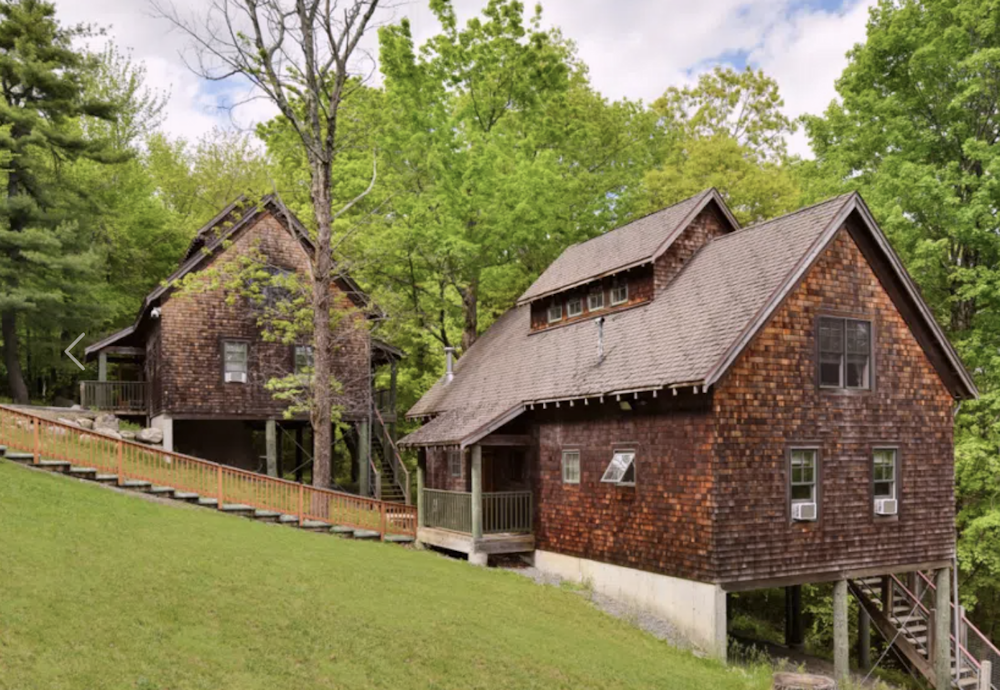
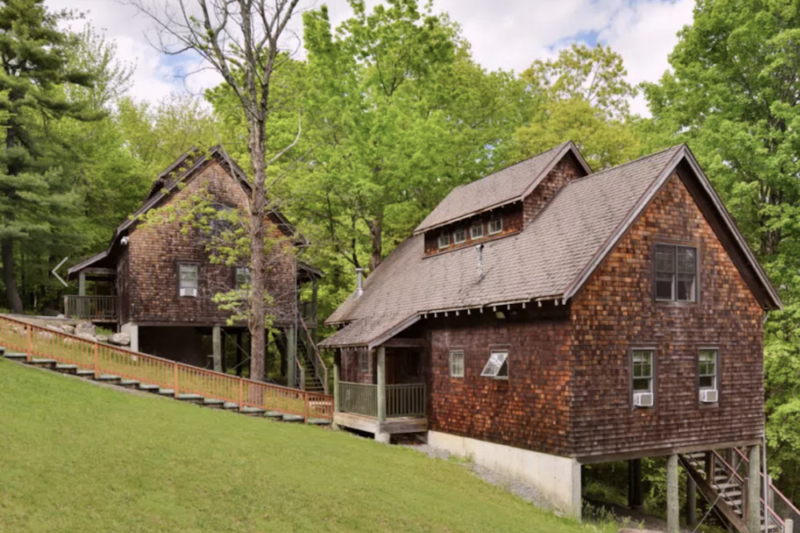
The facility description places Spring Hill on a wooded Ashby campus with Michael’s Building, three Poet’s Cottages, a dining barn, fitness facilities, and shared recreation spaces. Michael’s Building is primarily used for men and includes semi-private accommodation and a private suite used when medically necessary. The cottages are primarily women’s residences and have private bedrooms with shared household spaces.
Ask which room and building are proposed, how bathrooms are shared, and whether access between buildings presents any difficulty for mobility or other health needs. A private bedroom is not the same as private use of the cottage or an individual-only treatment program. Confirm seasonal clothing requirements and how outdoor activities are adapted during poor weather. For someone comparing retreat-style settings, these details provide a more realistic picture of daily life than assuming that the acreage or photography guarantees a particular room or level of privacy.
Look at the balance of groups, individual work, and free time
The what-to-expect page provides a sample day that mixes group work, education, goal-setting, individual activities, meals, recreation, and personal time. It identifies the schedule as an example that can change with individual needs. It also describes opportunities for exercise, creative activities, and contact with the alumni community later in the stay.
Request the current weekly timetable and ask which sessions are required. Distinguish clinical therapy from peer-led meetings, general education, and recreation when comparing the amount of treatment offered. A resident who finds long group sessions difficult should discuss that concern during assessment, including possible adaptations and the role of individual appointments. Confirm how medical appointments or illness affect participation. The purpose of a schedule is to understand the rhythm of care and the time available to apply it, rather than treating every hour spent on campus as an hour of psychotherapy.
Understand the assigned team and case management
The residential program description explains that a biopsychosocial assessment informs the treatment plan. It describes a multidisciplinary team, individual and group therapy, medication support when appropriate, and case management for practical concerns such as housing, employment, education, and continuing care.
Ask who will serve as the primary clinician and case manager, how often individual sessions are scheduled, and who coordinates medical input. Practical support should also be made specific: completing leave paperwork, arranging an outside appointment, and finding a housing referral are different tasks. Establish which assistance is available and what remains the resident’s responsibility. Request a planned review of treatment goals and a route for raising concerns if the approach needs adjustment. A personalized plan should explain what is being addressed, who is responsible, and how progress is discussed, without promising that every problem will be resolved during one residential stay.
Coordinate medication through the whole course of care
The medication-assisted treatment page describes buprenorphine and naltrexone among the options integrated into care for opioid or alcohol use disorders. It distinguishes ongoing treatment at Ashby from outpatient medication support in Quincy. The page also describes medication choice and duration as dependent on assessment and the prescriber’s guidance.
Someone already taking medication should share the current prescription, last administration, and prescriber’s details before traveling. Ask whether the existing regimen can continue, who reviews any proposed change, and how the handover from an outside detox facility is organized. A general explanation of medications used in addiction care is not a promise that every medicine is offered at every location. Before discharge, identify the next prescriber and appointment date, and clarify how records and prescriptions will be coordinated. Treatment decisions should follow the individual’s clinical plan rather than an assumption that medication must end when residential care ends.
Clarify the assessment of co-occurring conditions
Spring Hill’s dual diagnosis program describes addressing substance use and accompanying mental health conditions within a coordinated plan. It discusses psychological evaluation, therapy, education, and family support. It also reiterates that people needing detox are connected with another facility before beginning residential care at Spring Hill.
Explain the main reasons for seeking treatment, established diagnoses, recent symptoms, and past responses to care. Ask how the team assesses changes during early recovery and when the plan will be reviewed. If mental health needs are primary, or require a higher level of psychiatric care, confirm whether the proposed program is appropriate rather than relying on a long list of conditions discussed on the website. An educational example of a diagnosis does not establish suitability for every presentation. The assessment should identify available clinical expertise, any need for outside specialists, and the circumstances that would require another setting.
Give family sessions a clear purpose
The family therapy explanation focuses on communication, relationships, and the effect of substance use on the wider household. It describes family work as a supplement to individual treatment. This can be relevant when a resident will return to shared responsibilities and relationships that need practical preparation.
Discuss who should participate, what the resident consents to share, and what the sessions are intended to accomplish. A useful goal might concern boundaries, communication about support, or the plan for returning home. Clarify the current format and frequency with the assigned clinician; a general family therapy description should not be interpreted as permission for an on-site visit. If a relationship involves conflict or feels unsafe, raise that privately before a joint session is arranged. Also ask whether relatives need support in their own right and how further counseling can be arranged if the work extends beyond the residential period.
Plan around the current phone, work, and visiting policies
The current FAQ says cellphones are stored securely and use is supervised and decided individually. It also says residents cannot continue working during treatment and describes scheduled calls, family therapy, and a virtual education series instead of ordinary visits. These policies distinguish the Ashby residence from a program that advertises unrestricted professional connectivity.
Arrange essential responsibilities before arrival and discuss any exceptional communication needs with the team. Ask how relatives can make contact, when calls are scheduled, and who can help with urgent practical matters. The same FAQ describes residential care as generally thirty to sixty days, while other provider pages use different estimates. Confirm the actual proposed dates and review points rather than assuming a fixed package. A family can then organize leave, childcare, pet care, and travel around the written plan, with enough flexibility for a clinically recommended change in duration.
Understand what the union members’ program can help arrange
The union members’ program describes support for workers and families, including case management for employment-related paperwork and other practical concerns. It combines the residential treatment approach with attention to pressures associated with taking time away from work. It also describes support groups and planning for continuing care.
Ask whether the person’s union or benefit plan participates and which documents are needed before admission. Establish who can explain the treatment paperwork, who receives information with permission, and which decisions belong to the employer, benefit administrator, or other adviser. A provider’s offer of assistance should not be treated as a guarantee of protected employment or an external organization’s decision. Discuss the demands of the eventual return to work and whether additional outpatient care will be needed. The value of a specialized pathway is practical coordination around the person’s circumstances, alongside appropriate clinical care, rather than an assumption that union membership changes medical suitability.
Separate verified benefits from a general insurance overview
The insurance guide discusses deductibles, copayments, authorization, and the different levels of care that policies may cover. Much of it is general education, so it should not be used as an individual price quote or a guarantee that a particular plan pays for every service.
Request verification for the exact facility and proposed level of care, including any separate detox admission, residential period, or Quincy outpatient treatment. Ask for the current authorization, estimated personal balance, and the process if coverage changes. Clarify charges outside the main agreement, such as another provider’s consultation, transportation, medication, or housing. For private payment, obtain an itemized proposal with terms for extensions, early departure, and transfer. Keep the estimate with the clinical recommendation so both can be reviewed if the plan changes. This makes the comparison more useful than relying on insurer logos or a broad percentage quoted in educational material.
Distinguish alumni connection from continuing clinical care
The aftercare page describes a collaborative plan involving the case manager, primary clinician, and healthcare providers. It includes connections with outpatient treatment, counseling, medication support, housing, and community resources, alongside optional alumni activities. These are different forms of support and should remain distinct in the discharge plan.
Ask which appointments are confirmed, which are referrals, and which activities the resident can choose to join. If returning outside Massachusetts, check that the recommended clinicians and groups are accessible near home or through an appropriate remote arrangement. Establish who will coordinate prescriptions and records with permission, and whom to contact if follow-up is delayed. Alumni events can support social connection, but they do not replace medical appointments or therapy that the person still needs. A practical handover also addresses travel, living arrangements, and the next scheduled review so the transition does not depend only on a list of suggestions.
Additional provider information checked October 18, 2026. The dedicated admissions, detox, and FAQ pages identify detox at partner facilities, residential care in Ashby, and outpatient care in Quincy. Confirm the specific plan directly.
Official sources
Checked October 15, 2026: Spring Hill Recovery Center, current FAQ covering detox, duration, insurance, accommodation and aftercare, and admissions information.