Southeast Addiction Center



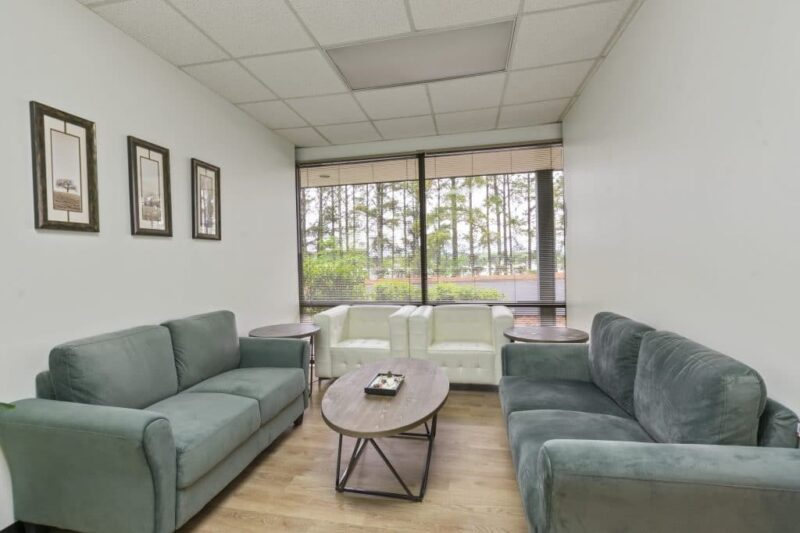
Southeast Addiction Center 3 photos


Comparison facts and sources
Network record anchored to Peachtree Corners, Georgia. The dedicated detox page currently describes outpatient detox; separate pages advertise residential, PHP, IOP and outpatient pathways. Confirm the exact receiving site and clinical setting rather than assuming every service operates at Suite 400. · 3260 Pointe Parkway NW, Suite 400, Peachtree Corners, Georgia 30092, United States.
- Published fee information
- Quote required
- Before admission
- The exact residential building and campus-specific service availability are not established by a general network page. The dedicated detox page says outpatient detox, so residential withdrawal management at the listed office is not established. Confirm the clinical assessment, monitoring, medication provider, housing, coverage and individual costs.
- Continuing care
- Step-down care may progress through PHP, IOP and outpatient services. Alumni support includes recovery meetings, events and opportunities to speak with current clients.
Source record · October 19, 2026
Reviewed October 19, 2026: the dedicated outpatient-detox description, separate residential and daytime pathways, and medication coordination. Confirm individual suitability, the receiving address, monitoring, available housing, coverage and costs..
Luxury rehab comparison · Fees and inclusions · Selection methodology
Southeast Addiction Center is a treatment network with services in Georgia and Tennessee. This directory record is anchored to its Peachtree Corners, Georgia address; the provider’s locations page should be used to confirm which services are available at each site.
The network serves adults aged 18 and older and lists medical detox, residential treatment, partial hospitalization, intensive outpatient and outpatient care, plus medication-assisted treatment, relapse prevention, family services and alumni support. It treats substance use and selected co-occurring mental health conditions; service availability remains location- and assessment-specific.
Southeast Addiction Center publishes (888) 981-8263 for inquiries and currently advertises TRICARE and VA coverage alongside insurance verification. Benefits, admission costs and program duration are individualized; the provider does not publish one standard weekly fee or universal stay length for the network.
Confirm the Georgia service before arranging travel
The Georgia location page is the starting point for this profile. It identifies Peachtree Corners within a treatment network that also operates in Tennessee. A network offering several treatment levels does not establish that every service, bedroom, or medical appointment takes place at the Peachtree Corners office address. Obtain the receiving program’s name and street address before booking transportation or accommodation.
This matters especially when comparing a residential placement with daytime treatment. An address for clinical appointments may be different from a residential building or independently arranged recovery housing. Ask admissions to explain where treatment occurs, where a patient would sleep, who operates any housing, and how travel between those places is organized. The Georgia page describes substance use treatment and co-occurring mental health support; an individual assessment still determines whether the proposed service can manage the person’s current needs. A location page is useful evidence of the advertised pathway, while a written admission plan establishes the actual arrangement being offered.
What the admission assessment covers
Southeast’s admissions information describes a review of substance use, medical history, psychiatric concerns, and practical circumstances. Published admission criteria include being at least 18, being able to manage daily activities, and being willing to participate in treatment. These are screening requirements, rather than an assurance that every adult with an addiction will be suitable for every program.
Assessments are advertised from 7 a.m. to 7 p.m., Monday through Sunday. Calls outside those hours go to off-site coordinators, so round-the-clock telephone access should not be confused with an immediate on-site clinical assessment. Share current prescriptions, recent treatment, mobility or personal-care needs, and any concerns about withdrawal or psychiatric stability early in the conversation. That allows the team to identify a suitable receiving service or discuss another level of care. Before accepting a place, establish who has reviewed the clinical information, what additional records are required, and whether the proposed admission time is confirmed. A preliminary conversation and a completed clinical acceptance are different stages.
Residential treatment and the meaning of a published stay
The residential program page describes continuous support, a structured daily routine, and treatment that can include individual, group, and family work. It names approaches such as cognitive behavioral therapy and dialectical behavior therapy alongside relapse-prevention planning. The emphasis is on living within a treatment setting while addressing substance use and related difficulties.
The provider describes a typical residential stay of 30 to 45 days, with longer care possible when indicated. That range is a program description, not a required stay for every patient or a prediction of recovery. Ask what determines the initial recommendation, when the team reviews progress, and how a change in clinical need or insurance authorization affects the plan. Obtain the exact residential address and room arrangement as part of that discussion. A useful proposal explains the individual therapy available, the balance of group and other activities, and the next service being considered. It should also identify who coordinates medications and follow-up when residential care ends.
Clarify the advertised detox setting
Southeast’s dedicated detox page says it currently provides outpatient detox services. That wording needs particular attention because the wider website also discusses medical detox alongside residential care. A reader should not assume that a residential detox bed is available at the Georgia office simply from the network’s service list.
Ask the assessor to identify the proposed setting, the hours of observation, the prescribing clinician, and the route for urgent medical escalation. Explain the substances involved, recent use, previous withdrawal complications, and other health conditions so the recommendation can be based on the person’s circumstances. If the service proposed is outpatient, establish what support and monitoring are needed between visits and whether those arrangements are realistic at home. If a different facility is required first, obtain its name and a confirmed handoff. The relevant comparison is the actual medical support being offered for this admission, rather than the word “detox” in a menu. Do not change prescribed medication or attempt a withdrawal plan based on a directory description.
Partial hospitalization is daytime clinical care
The partial hospitalization program, or PHP, is described as a structured daytime service, with a published Monday-to-Friday schedule of approximately 9 a.m. to 4 p.m. Participants sleep outside the clinical program, either at home or in separately arranged supportive housing. PHP therefore requires a workable plan for evenings, nights, and transportation.
The provider positions this level for people who are medically stable and need substantial treatment without continuous residential supervision. Sessions may involve group and individual therapy, skills development, medication-related support, and planning for the next stage. Ask which elements are included in the specific Georgia schedule and how much direct individual time is available. If housing is suggested, request its operator, rules, cost, and relationship to Southeast. A clinical PHP fee does not by itself establish that accommodation is included. It is also useful to discuss how the team responds if symptoms worsen outside program hours, and what changes would lead to a recommendation for a more intensive setting.
Intensive outpatient treatment and everyday responsibilities
Southeast describes its intensive outpatient program, or IOP, as nonresidential treatment involving several sessions during the week. The published model includes group work and weekly individual therapy, with scheduling options intended to accommodate some work, school, or family commitments. Availability of a particular daytime or evening group should be checked with the receiving site.
IOP is a different commitment from both a residential stay and occasional counseling. Request the current weekly timetable, attendance expectations, individual appointment frequency, and arrangements for medication follow-up. Those details help determine whether travel, employment, childcare, and a stable living situation can fit together. Someone leaving residential treatment should also know whether there is a confirmed IOP start date or a gap requiring another plan. The website discusses supportive housing as a possible part of a transition, but that does not turn IOP into an overnight clinical service. Housing supervision, clinical treatment, and recovery meetings should each have a clearly identified provider and purpose.
Ordinary outpatient care can continue at a different pace
The outpatient program page describes a less intensive schedule that may include one to three group sessions each week and individual appointments weekly or every other week. Actual frequency depends on the care plan and the service being offered. Evening availability is discussed, but a reader should obtain the current local schedule before relying on it.
This level can provide ongoing work on substance use, coping strategies, relationships, and practical recovery goals while the person lives in the community. It does not mean that everyone must complete the same sequence of residential treatment, PHP, and IOP first. Ask how the recommendation is made for someone entering directly, returning after a setback, or transferring from another clinician. Establish which professional coordinates the overall plan and how progress is reviewed. A flexible schedule is useful only if the patient can attend consistently and obtain the other support they need. Discuss what happens after a missed appointment and how to contact the team between scheduled sessions.
Medication treatment needs a named prescribing arrangement
The medication-assisted treatment page describes medication as part of an individualized addiction treatment plan, combined with counseling and follow-up. It discusses ongoing review rather than one fixed medication schedule for everyone. The relevant questions concern the person’s diagnosis, current treatment, preferences, and the clinician responsible for prescribing.
A website discussing different addiction medications does not establish that each one is dispensed at every Southeast location. Ask whether an existing prescription can continue, where appointments and dispensing occur, and whether another provider is involved. If a patient already receives medication through an outside service, clarify how that team will communicate with Southeast before a transfer. The discharge plan should name the next prescriber and explain how appointments and prescriptions remain continuous. Duration is a clinical decision to discuss with the treating professional; a residential program’s length should not be treated as a medication stop date. Also request the costs and benefit requirements for medication visits separately from counseling or accommodation.
Family participation has a defined role
Southeast’s family program addresses communication, boundaries, education about addiction, and ways relatives can support recovery. The description includes a broad range of family relationships rather than limiting participation to a spouse or parent. It also discusses online and in-person consultation and says family programming is included in standard treatment services.
Ask what that inclusion means for the selected program: which sessions are available, who facilitates them, whether there is a separate assessment, and what information can be shared with the patient’s consent. Family education and joint therapy serve different purposes, so it helps to distinguish opportunities to learn from meetings that discuss an individual’s care. The provider also describes a family newsletter; this is an educational resource rather than clinical contact. If relationships are strained or involvement could be unsafe, discuss those concerns privately with the team. A useful family plan respects the patient’s boundaries and gives relatives appropriate support without making them responsible for delivering treatment.
Verify benefits for the exact site and level
The insurance information offers benefits verification and says the network works with major insurers. People without insurance can discuss alternative payment arrangements. This is an invitation to check an individual policy; it does not establish that every Southeast service is in network or that an insurer will fund a complete proposed course.
Request a written estimate tied to the receiving location and treatment level. It should distinguish deductible, copayment or coinsurance, any authorization requirement, and charges that remain outside the benefit. Where residential treatment and separate housing are discussed together, have each cost identified. Medication appointments, laboratory work, transportation, and continuing services may involve different arrangements. Ask who will notify you if authorized treatment changes and how additional days or a move to another level would be priced. The network does not publish one universal weekly tariff, so comparing a complete, individualized estimate is more useful than converting an unspecified program into an assumed weekly cost.
Alumni contact and the clinical follow-up plan
The alumni program describes ways graduates can remain connected through recovery meetings, events, and opportunities to share experiences with current clients. These activities can provide continuity with a recovery community after formal treatment, but they should be distinguished from scheduled therapy, psychiatric appointments, or a medication service.
Before discharge, ask which alumni activities are currently running, where they take place, how people join, and whether participation is available to graduates of the particular program attended. Someone returning to another state should check whether there are realistic remote or local options. Separately, the clinical plan should identify the next treatment appointments, the responsible prescriber where relevant, and a way to obtain help if needs change. Participation in an alumni event does not establish that a clinician is monitoring symptoms between visits. Keeping the community connection and clinical arrangements clear helps a patient understand what support is actually available and what still needs to be organized at home.
Official program and admissions information reviewed October 19, 2026. Confirm the receiving location, clinical suitability, current schedule, benefits and total costs directly.
Related guides: drug addiction treatment and dual-diagnosis care.
Sources
Sources checked October 17, 2026.