Skyland Trail Atlanta

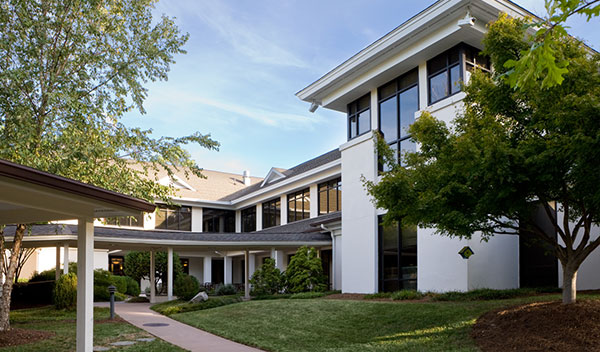
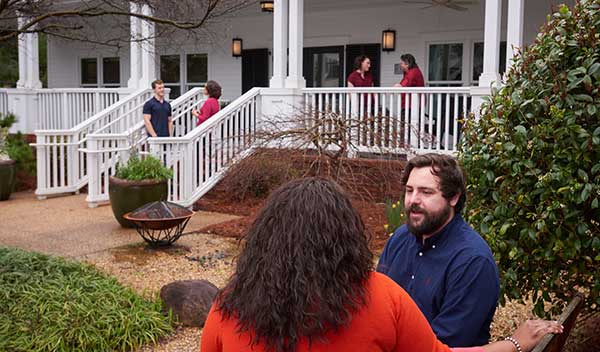
Skyland Trail Atlanta 3 photos
Comparison facts and sources
Atlanta nonprofit psychiatric treatment network providing voluntary, unlocked residential, PHP and IOP care for adults and adolescents at program-specific campuses; it is not acute inpatient hospitalization or a primary addiction-detox program. · 1961 North Druid Hills Road NE, Atlanta, Georgia 30329
- Published fee information
- Quote required
- Before admission
- Program eligibility, campus and fee details differ between adults and adolescents. Skyland Trail is voluntary psychiatric care, not a locked hospital or medical detox facility, and primary substance-use treatment should not be inferred. Adult residential prices conflict between current official pages ($1,300 versus $950 per day); neither is treated here as a confirmed current quote.
- Continuing care
- Clients can step down from residential care to day treatment and then IOP when clinically appropriate. Family education, discharge planning and ongoing community mental-health recommendations vary by adult or adolescent program.
Source record · 2026-10-18
Adult and adolescent fee pages and the adult program overview checked October 18, 2026; provider-published prices require confirmation because adult pages conflict.. Confirm diagnosis eligibility, program, campus, authorization, financial aid, total duration and personal responsibility directly with Skyland Trail.
Luxury rehab comparison · Fees and inclusions · Selection methodology
Skyland Trail is a nonprofit psychiatric treatment organization in Atlanta, Georgia. It serves adults aged 18 and older and adolescents aged 14–17 through separate programs and campuses. Its residential programs are voluntary and unlocked; they are not acute inpatient hospitals or primary addiction-treatment and detoxification services.
Programs, length and admissions
Skyland Trail offers residential treatment, day treatment (partial hospitalization) and intensive outpatient care for eligible mental-health conditions. Adults typically spend 6–8 weeks in residential care before stepping down to day treatment; the provider describes 12–16 weeks as the average full adult course across levels. Adolescent residential treatment is approximately 12 weeks. A primary substance-use disorder or a need for detoxification is exclusionary, although some co-occurring substance use may be considered after assessment.
The dedicated adult and adolescent fee pages list a private-pay residential program fee of $950 per day, plus a $2,500 admission fee for private-pay clients. The adult program overview instead lists $1,300 per day; confirm the current adult rate with admissions before booking. Professional services, some wellness-clinic services, medication and laboratory charges may be additional. Many commercial plans are in-network for some programs, but authorization, uncovered costs and eligible levels vary; Medicare and Medicaid do not cover Skyland Trail services. Need-based financial aid is available.
The adult administrative address is 1961 North Druid Hills Road Northeast, Atlanta. Adolescent services operate from a separate campus, so program and campus details should be confirmed with admissions.
Residential psychiatry in an open setting
Skyland Trail’s residential services combine psychiatric treatment with support for daily living on an unlocked campus. The provider describes private bedrooms and private bathrooms for both adult and adolescent residents, with nursing and residential staff available around the clock. The two age groups attend separate programs. This structure offers more support than weekly outpatient appointments while requiring patients to participate voluntarily in a community setting.
The residential program description gives approximately six to eight weeks for the adult residential phase and approximately twelve weeks for adolescent residential care. These are program expectations, not promised discharge dates. The appropriate duration also depends on progress and the next level of care. A person leaving an acute psychiatric hospital should have the referring team and Skyland Trail assess whether an open setting can meet their current needs; a residential bed does not provide the restrictions or emergency capabilities of a locked hospital unit.
How adult depression treatment is organized
The adult depression program describes different treatment communities within the same organization. Adults with depression or anxiety without psychosis may enter a cognitive behavioral therapy community. Dialectical behavior therapy may be considered when emotion regulation difficulties or borderline personality disorder are prominent. People with depression and psychosis may initially join the cognition and first episode community, with later transitions determined clinically.
The published program combines individual appointments with a psychiatrist and therapist, group work, structured routines, and creative or physical activities. Skyland Trail also describes on-site TMS and esketamine for selected adults when clinically appropriate. Their appearance in a service list does not mean either treatment is indicated, included in the daily fee, or available to every applicant. The useful admission question is which clinical team and treatment community would initially take responsibility for the person’s particular presentation, and how that plan would be reviewed.
A separate adolescent program
Skyland Trail’s adolescent program serves ages fourteen through seventeen on a dedicated campus. It includes psychiatric care, therapy, academic support, and family participation. The provider describes private bedrooms and bathrooms and a residential team present around the clock. Academic services are part of the treatment structure, rather than an assumption that a teenager can maintain their usual school schedule while attending intensive care.
The adolescent model includes dialectical behavior therapy skills and coordination among therapists and residential staff. Selected teenagers with trauma-related needs may receive additional specialized treatment after assessment. These options are not a uniform prescription for every diagnosis. Families comparing this program with adult rehabilitation should focus on developmental fit, school coordination, consent, and the family’s capacity to participate. A fourteen-year-old’s educational and safeguarding arrangements are different from those of an adult resident, even where the organization uses similar names for levels of care.
Admission criteria and practical limits
The published admission criteria require active, voluntary participation. For adults, supported presentations include mood, anxiety, psychotic, and selected personality disorders, subject to the full assessment. The provider excludes primary substance use disorders requiring a different treatment setting, medical detoxification, primary eating disorders, and presentations requiring continuous protection in a locked facility. A diagnosis alone therefore does not establish eligibility.
Skyland Trail also describes limits where cognitive impairment, aggressive behavior, or autism-related support needs would prevent participation in groups and an open-campus routine. These are functional admission considerations, not judgments about whether a person deserves treatment. Families should give admissions an accurate account of current symptoms, recent hospital care, daily living support, and safety concerns. The campus is nicotine-free and offers cessation support under its own clinical arrangements. Applicants who use nicotine should discuss that policy before arrival so that preparation follows the program’s instructions.
Dual diagnosis has a defined scope
The adult dual diagnosis program is designed for a primary psychiatric condition accompanied by a substance use disorder. Participants attend a core mental health recovery community and an additional substance-focused group. The latter addresses issues such as cravings, relapse prevention, and community recovery support. Individual work with a counselor and psychiatrist can address both parts of the presentation.
Sobriety is required during treatment, and the provider describes witnessed random drug screening for the dual diagnosis community. Skyland Trail does not provide detoxification or function as a primary addiction rehabilitation program. People who need withdrawal management or more intensive substance use treatment may need to complete that care elsewhere before reassessment. A history of alcohol or drug use should therefore be discussed directly rather than treated as automatic acceptance or rejection. The clinical sequence and suitability depend on current stability and the reason intensive psychiatric treatment is needed.
Day treatment and the transition to outpatient care
Skyland Trail’s day treatment program, also called partial hospitalization or PHP, provides a full weekday treatment schedule. The adult schedule is published as Monday through Friday, 10 a.m. to 4 p.m. Eligible patients may enter directly, but direct applicants must already live in the Atlanta metropolitan area. Others move into PHP after residential treatment as their skills and symptoms allow.
This is a substantial daytime commitment. The provider says adult PHP participants cannot continue full-time or part-time employment alongside the schedule; adolescent participants use integrated academic services rather than attending their usual in-person or synchronous online classes. Intensive outpatient care is a later, shorter step, and Skyland Trail does not accept direct admission to its IOP. Someone seeking a few evening appointments should therefore clarify that need before applying. Planning should include transportation, time away from work or school, and support outside treatment hours.
Family participation differs by age and need
The family services page describes education, support, and therapeutic involvement rather than a single standardized family package. Adult families can attend a welcome session and educational groups, and the organization offers a spouse and partner support group. Adult family therapy depends on clinical needs and the treatment plan. Family can include a partner, close friend, or another important support person, not only biological relatives.
For adolescents, family therapy is required. That distinction matters when a parent is arranging care from another city or balancing other caregiving responsibilities. Families should establish who will participate, whether meetings can occur remotely, and how scheduling works before admission. Adult information sharing also depends on the patient’s permissions and relevant clinical arrangements. Education and support for relatives can serve a different purpose from a joint therapy session, so these services should be discussed separately when agreeing on expectations for communication and involvement.
Clinical leadership and assigned care
Skyland Trail’s current staff directory lists Neil Puri, MD, as chief medical officer and Jarrod Leffler, PhD, ABPP, as chief clinical officer. It separately identifies adult and adolescent clinical leadership, psychiatrists, counselors, care coordinators, family services, psychological testing, and wellness staff. Adam Meadows, MD, is listed as medical director of admissions. These are provider-published roles checked for this profile, not a guarantee that a particular professional will treat a new patient.
The directory’s organization helps explain how responsibility is divided. An admissions clinician assesses fit, while the eventual treatment team provides ongoing care and coordinates next steps. When arranging admission, ask who will be the primary therapist, who will manage psychiatric medication, and who will communicate about discharge planning. For a teenager, also establish the contact for academic coordination and family therapy. Those assigned roles are more useful than assuming access to every specialist named on a large staff page.
Adult fees require confirmation because published pages conflict
Skyland Trail publishes inconsistent adult residential prices. Its dedicated adult fee page lists $950 per day, while the adult program overview lists $1,300 per day. Both pages were checked on October 18, 2026. Neither figure should be presented as a confirmed personal quote without clarification from admissions.
The dedicated fee page also lists a $2,500 private-pay admission fee and an initial payment covering thirty days. It distinguishes daily program fees from professional services and other charges, including some clinical services, medication, and laboratory work. The financial conversation should therefore cover the current residential rate, the anticipated sequence of care, separately billed services, and the amount due before arrival. A daily residential figure is not the total price of the full course, particularly when a person moves through day treatment and intensive outpatient care over subsequent weeks.
Adolescent fees and school-related expenses
The adolescent fee page lists a residential program fee of $950 per day and a PHP fee of $625 per day. It describes approximately twelve weeks of residential treatment, while the expected day treatment duration depends on whether the teenager is stepping down from residence or entering directly. The published private-pay terms include a $2,500 admission fee and payment for the first thirty days.
Families should also review services outside the basic program rate. The provider identifies professional services, medication, laboratory charges, and certain other care as separately billed. Its school arrangements may involve additional ADVANTAGES online learning fees. These distinctions matter when estimating both treatment costs and continuing education expenses. Ask for an individualized written estimate showing the expected level of care, what the school component includes, and which charges may come from outside providers. Insurance authorization can change the family’s responsibility and should be considered alongside this estimate.
Insurance and financial assistance are program-specific
The insurance and financial aid information lists relationships with multiple commercial insurers, but eligibility depends on the plan and level of care. Some arrangements apply to outpatient levels rather than residential treatment. The provider states that Medicare and Medicaid do not cover its services. Having an insurer’s name on the list is therefore a starting point for verification, not confirmation that a particular admission will be covered.
As a nonprofit organization, Skyland Trail offers need-based financial assistance to eligible families. An award is not automatic and should not be assumed to cover every remaining expense. Before committing to treatment, request the expected insurance authorization, deductible or coinsurance, uncovered services, and any assistance decision in writing. It is also useful to understand how financial responsibility changes when the treatment team recommends a longer stay or a different level of care. Clinical recommendations and an insurer’s payment decision are separate parts of that discussion.
Transitional housing has its own eligibility rules
The North Transitional Living program offers thirteen two-bedroom apartments for eligible adults in PHP or IOP. Residents have a private bedroom and share a bathroom and living space. An independence coach visits at least weekly, with more support when needed, to help with routines such as transportation, bills, scheduling, and medication-related responsibilities. This accommodation is separate from the residential treatment level.
Eligibility is limited, and the provider specifically says its transitional apartments cannot adequately support clients in the dual diagnosis program or those with a substance use history; such clients may be referred to an outside recovery residence. Eligible graduates may remain for up to a year while meeting the program’s ongoing expectations. Housing should therefore be discussed early, especially for someone traveling to Atlanta. A residential admission does not reserve an apartment, and a clinically appropriate step down may require another accommodation plan.
Source check: October 18, 2026, for the additional provider details above.
Official information: residential programs and typical length, admission criteria, adult fees, adolescent fees and insurance and financial aid. Admissions lists 866-504-4966. Sources checked on October 10, 2026.