Silver Maple Recovery
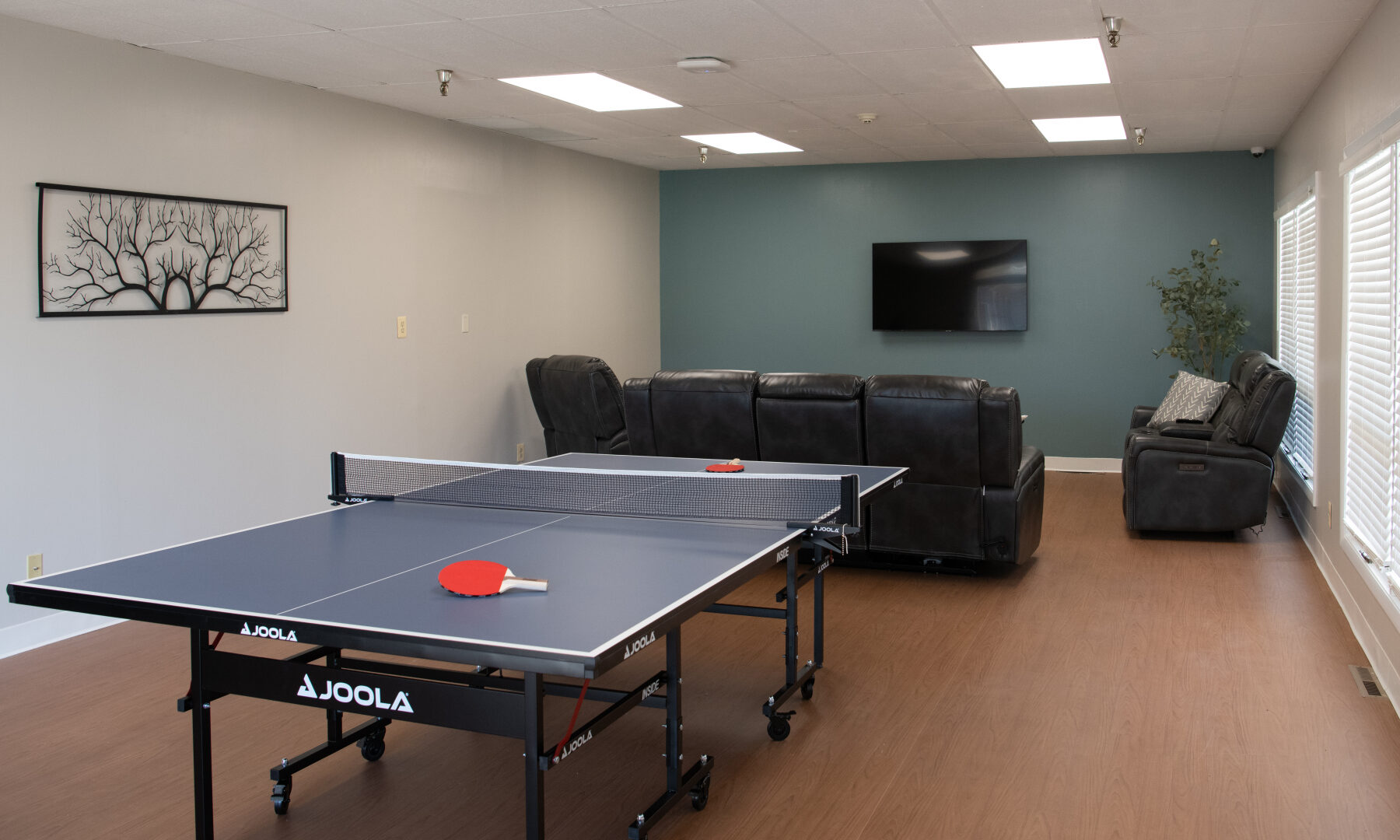
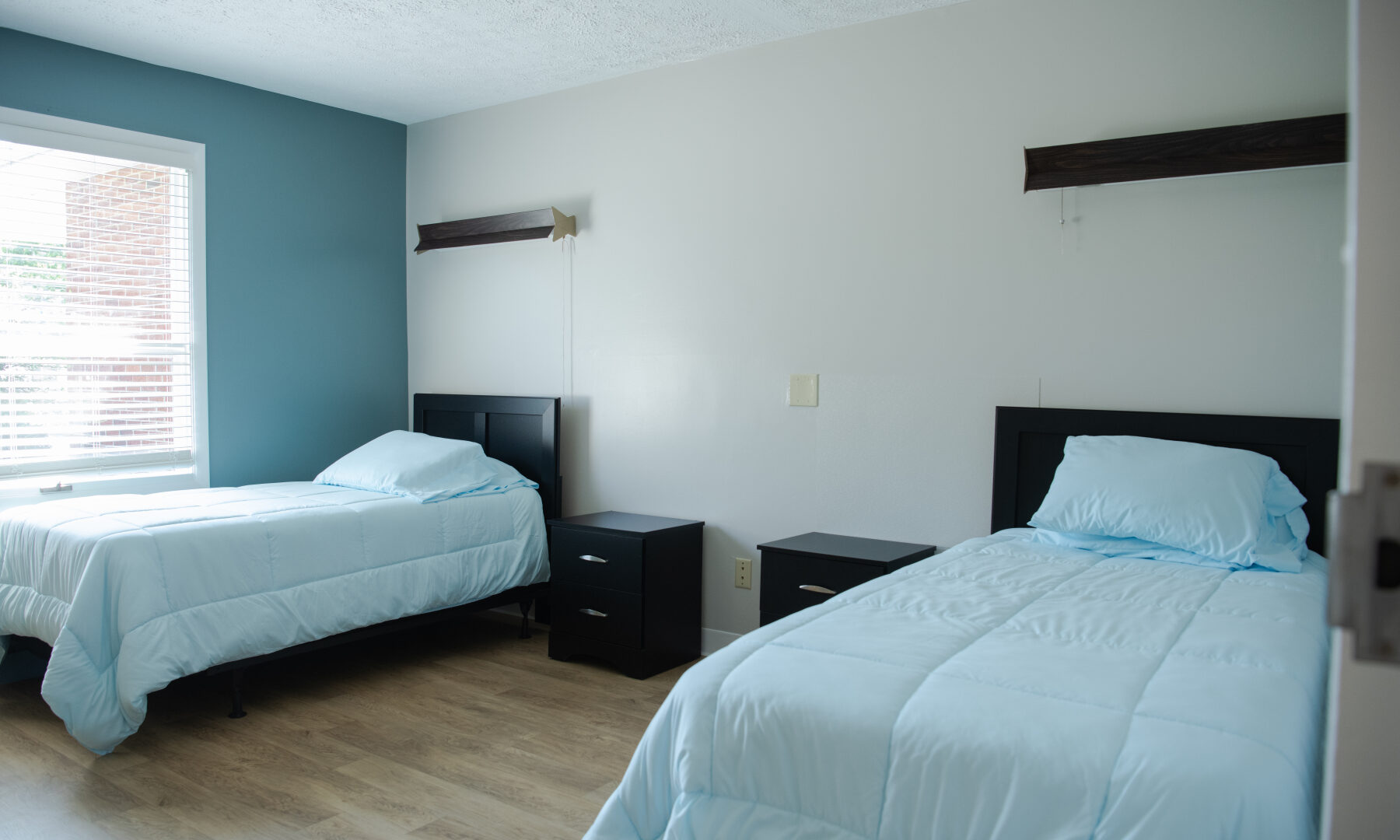
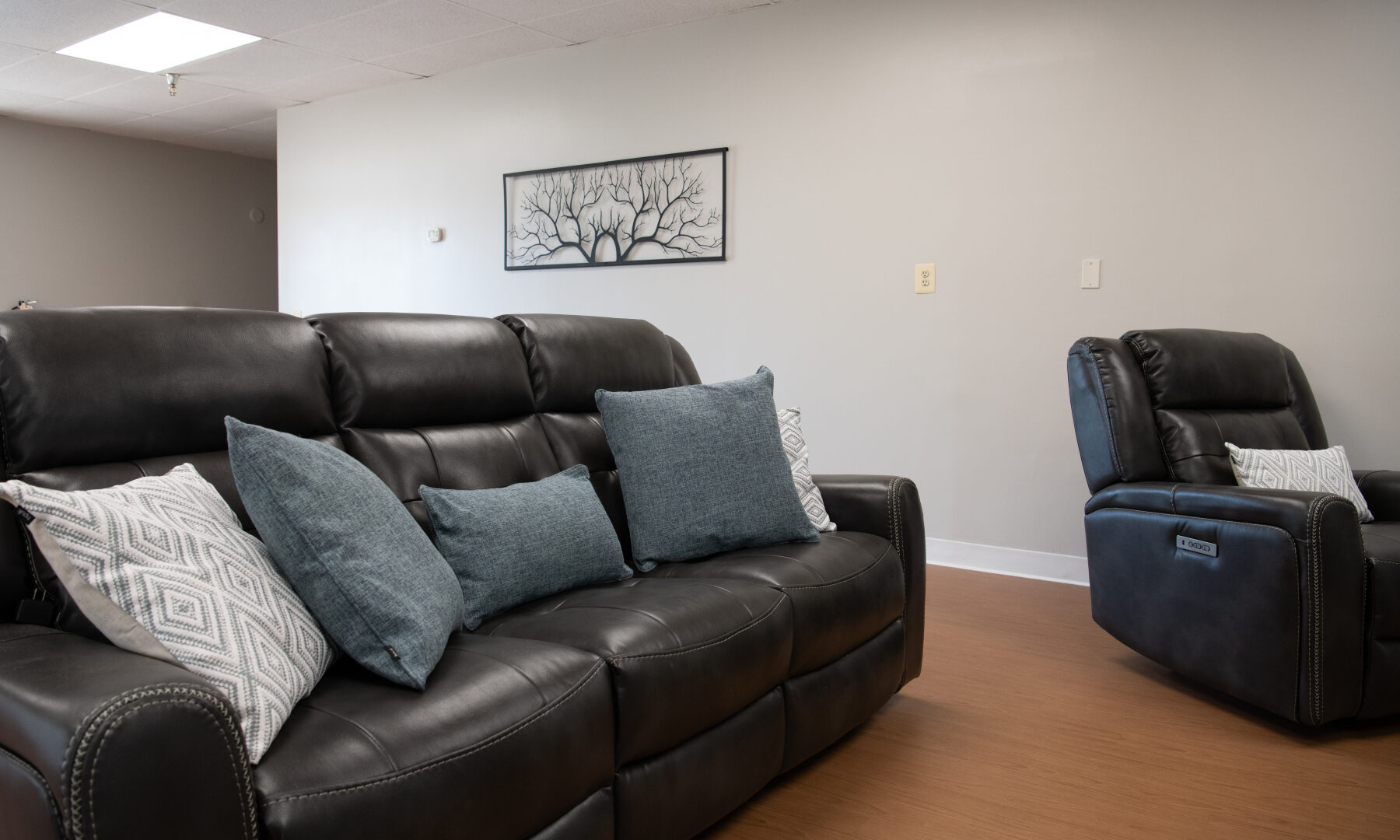
Silver Maple Recovery 3 photos
Comparison facts and sources
Two-location Ohio addiction provider with sub-acute detox, residential, outpatient and recovery housing. This record uses the Massillon contact; the receiving program and housing arrangement require campus-specific confirmation. · Massillon: 205 Rohr Avenue NW, Massillon, Ohio 44646-3671. Separate Lorain campus: 2101 Silver Maple Way.
- Published fee information
- Quote required
- Before admission
- Confirm the selected campus, care level, room and financial terms. Private detox-suite descriptions do not establish private residential bedrooms, and Lorain apartments are different from Massillon’s shared recovery residence. Individual medication plans require prescriber review.
- Continuing care
- Step-down may include PHP, IOP, outpatient care or recovery housing. Lorain offers furnished two-bedroom recovery apartments; Massillon describes a 24-bed shared recovery residence. Housing and clinical services are separate arrangements.
Source record · October 19, 2026
Official adult eligibility, care levels, schedules and campus-specific housing reviewed October 19, 2026. Confirm availability, clinical suitability and individual financial terms..
- Official adult admissions, locations and program costs
- Official 30-day program and continuing-care discussion
- Official outpatient options
- Official recovery housing
- Official Massillon and Lorain gallery
- Official current program, location or schedule description
- Official current program, location or schedule description
Luxury rehab comparison · Fees and inclusions · Selection methodology
Silver Maple Recovery operates addiction-treatment centers in Lorain and Massillon, Ohio. This directory record uses the Massillon contact at 205 Rohr Avenue NW; the provider publishes a separate Lorain campus at 2101 Silver Maple Way.
Across its Ohio locations, Silver Maple lists sub-acute detoxification, residential treatment, PHP, intensive outpatient and outpatient care, recovery housing and integrated treatment for co-occurring substance use and mental health conditions. The provider describes a 30-day inpatient program, while the exact level, location and transition plan remain assessment-led.
The Massillon number is (330) 837-2100; the provider separately lists (440) 830-3400 for Lorain. Silver Maple names Anthem, Medical Mutual and Aetna among accepted private plans and says some clients may qualify for funding assistance; benefits and costs require verification. Discharge planning may step down to PHP, IOP, outpatient care or certified sober living.
Distinguish the two Ohio locations from the wider organization
Silver Maple Recovery’s about page identifies Lorain and Massillon as its two local contact routes. It describes the organization as part of the Sprenger Health Care family of companies, whose wider work also includes senior living. The parent organization’s total communities and beds should not be interpreted as Silver Maple’s addiction-treatment capacity.
This directory record uses the Massillon location. When speaking with a shared admissions team, confirm which campus is proposed for detox, residential care, outpatient treatment, or housing. A network description can explain the range of services without proving that each service has the same setting, staffing, or availability at both addresses. The official about page is the source for the organizational relationship and local distinction. An admission plan should identify the receiving program and any later move between services, rather than simply say Silver Maple treatment.
Adult admission is voluntary and based on assessment
The admissions page says Silver Maple accepts people eighteen and older with a substance use disorder. It also describes support for co-occurring conditions such as depression and anxiety. Residential admission is voluntary, and the prospective client should be able to participate actively in the program.
That means the presence of a mental health concern does not automatically establish suitability for this setting or confirm a primary mental health admission without substance use. Discuss the current symptoms, previous care, medications, withdrawal history, and any needs that might affect participation. The provider accepts inquiries from patients, families, emergency departments, and outpatient services, then evaluates the appropriate next step. Its admissions criteria also make clear that residential costs depend on the level of care and insurance. The assessment, recommended program, and financial discussion should all relate to the same proposed admission before travel is arranged.
Sub-acute detox is an assessed medical service
The detox page describes medication-assisted sub-acute withdrawal care in both Lorain and Massillon. It begins with medical and biopsychosocial assessment and describes staff supervision around the clock. Three to five days and a private suite appear in the provider’s program description.
Those details require confirmation for the individual admission. A typical duration should not determine a person’s withdrawal plan, and a private detox room should not be assumed to continue through residential treatment. Ask which medical conditions and withdrawal risks the selected campus can manage, how existing prescriptions are reviewed, and when hospital care would be necessary. The detox service page describes medical oversight and possible medication support; it does not justify treating every clinical presentation as suitable or promising a risk-free withdrawal. The next stage of treatment should also be discussed before detox ends, rather than left as an unplanned transfer.
Residential care and its published thirty-day description
The residential page describes an assessment followed by group therapy, individual substance use counseling, and access to mental health counselors and psychiatrists as needed. The curriculum includes addiction education, recovery values, twelve-step work, and relapse prevention.
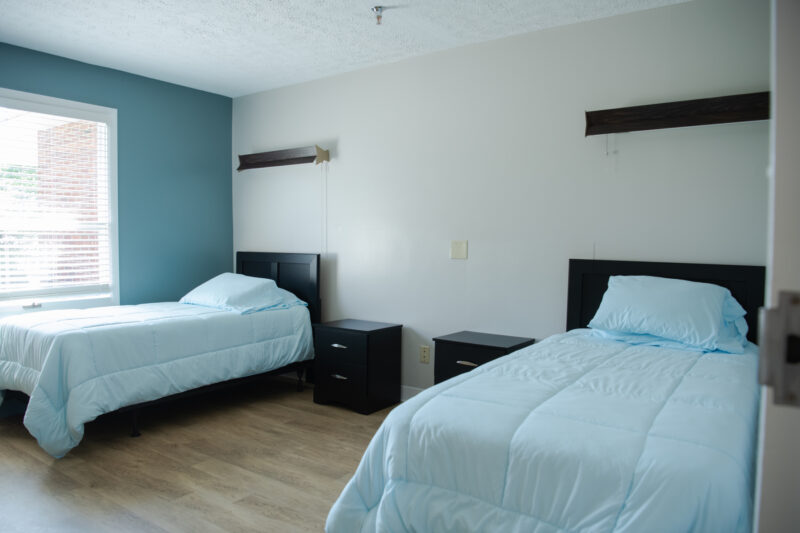
The page gives thirty days as the usual inpatient program length, with exceptions discussed before admission or in unusual circumstances. This is a provider description, not a guaranteed personal stay or outcome. Ask how the team will review the recommendation and how insurance authorization relates to the planned duration. The same page describes semiprivate rooms, a fitness center, and chef-prepared meals. Those residential arrangements differ from the private-suite language used on the detox page. The residential program overview should be used to confirm the actual room, clinical routine, and services at the selected location. Access to psychiatry as needed is also different from a promise of daily individual psychiatric appointments.
IOP and less intensive outpatient care have different hours
The outpatient page describes IOP as nine weekly treatment hours across three days, with three-hour sessions. Duration varies according to need and any co-occurring condition. Group modules include addiction education, recovery values, twelve-step programming, and relapse prevention, with the treatment approach adapted when gender-specific work is appropriate.
The same page describes non-intensive outpatient care as generally two to four hours weekly, combining group and individual work. That is a different level of support from IOP, and neither description establishes a bed or overnight clinical monitoring. Ask which program is recommended, where it is delivered, and how individual or psychiatric appointments fit into the schedule. Work, school, and transport should be planned around the actual timetable, not simply the word outpatient. The outpatient program comparison also explains that residential treatment is not the right starting point for everyone. Assessment should determine the appropriate level rather than assuming a compulsory sequence of programs.
Massillon recovery housing differs from Lorain apartments
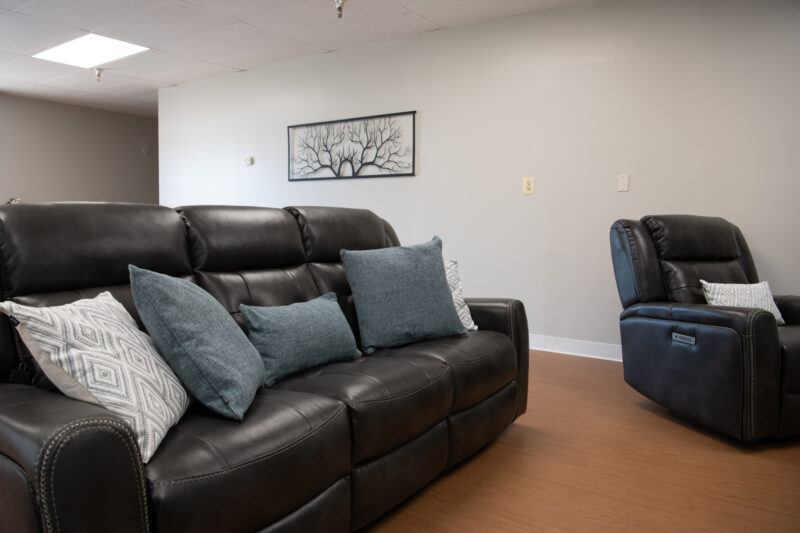
The recovery housing page describes furnished two-bedroom apartments with kitchens in Lorain. Massillon is separately described as a twenty-four-bed recovery residence with shared living spaces, not individual apartments. Both arrangements are presented as structured housing with supervision, case management, recovery participation, and practical life skills.
The provider identifies these as Ohio Recovery Housing Level III residences. That is a housing description and should not be confused with a hospital detox classification or proof of continuous medical staffing in the residence. The page describes coordination with outside clinical providers and access to PHP or IOP when appropriate. Ask for the actual home address, room arrangement, cost, medication rules, and required treatment or meeting attendance. Clarify what transport assistance covers and how a need for more intensive care is handled. The recovery housing page offers concrete location differences that should remain visible when comparing accommodation; a photograph of a Lorain apartment does not establish the living arrangement in Massillon.
Co-occurring treatment begins with the person’s actual needs
The dual diagnosis page describes assessment of both substance use and mental health concerns and an integrated treatment plan. It discusses counseling during detox when appropriate, individual and group work in residential care, and access to psychiatric support as needed.
A prospective patient should ask how a particular diagnosis or symptom will be addressed, which clinician is responsible, and what information is needed from an existing provider. The page’s general discussion of detox should not be turned into a requirement that every person undergo withdrawal treatment. Similarly, a reference to mental health support does not establish capacity for every level of psychiatric acuity. The dual diagnosis explanation concerns mental health care alongside addiction treatment. Someone whose main need is a different type of psychiatric service should confirm the fit directly and request an appropriate referral if this program cannot meet that need.
Medication and trauma-informed work require an individual plan
The treatment-methods page describes medication-assisted treatment, assessment for trauma history, CBT, and integrated mental health and addiction counseling. It identifies individual and group formats and says prescribing decisions are made by the clinical team when appropriate.
The page also uses general language about reducing medication doses as treatment progresses. This should not be interpreted as a requirement to stop an established medication or as a personal tapering instruction. Ask the prescriber how ongoing treatment will be reviewed and maintained through a change of setting. For trauma work, clarify which intervention is recommended, how readiness is assessed, and how group and private appointments serve different purposes. The provider’s treatment-methods overview describes its approach rather than a fixed protocol for every client. A useful plan should explain the intended role of each intervention without promising a particular medication, therapy course, or outcome.
Twelve-step principles are part of the stated philosophy
Silver Maple’s mission page describes an abstinence-oriented approach incorporating twelve-step principles within a broader care plan. It explicitly distinguishes the twelve steps from treatment itself and also discusses life skills, learning, and spiritual practices.
This is worth discussing before admission if a person has strong preferences about recovery groups or spiritual language. Ask how those elements appear in daily programming, what participation is expected, and how individual beliefs and prior experiences are considered. Do not assume that mentioning spirituality means a particular religion is required, or that attendance at a peer meeting replaces the prescribed clinical work. The mission and values page describes the organization’s chosen approach. Comparing that approach with personal needs can be useful, while claims about it being the best foundation for everyone should not be treated as an independently demonstrated outcome.
Reassessment matters when recovery does not follow a straight course
In a published interview, Silver Maple’s president and CEO, Shannon Kuhn, describes returning to treatment after relapse as a reason to reassess and adjust the plan. She also discusses progress in everyday routines and the role of psychiatric nurse practitioners who visit weekly.
These are provider statements about its approach, not a guarantee of immediate readmission or a particular clinician’s availability for every patient. If someone has been treated before, discuss what was helpful, what proved difficult after discharge, and what would change in a new plan. Ask how follow-up, medication care, housing, and community support will be arranged this time. The provider interview about recovery also identifies PHP and IOP as services after inpatient care. The actual recommendation and receiving location should still be confirmed rather than assuming that every patient completes each stage or returns to the same campus.
Verify the exact insurance policy and covered service
The insurance-verification page lists Aetna, Anthem, Buckeye, CareSource, Cigna, Medical Mutual, Molina, and Paramount among the insurers it accepts. Its form asks for the insurer, member and group information, policyholder details, and the relationship between the policyholder and the person seeking treatment.
These details matter because an insurer’s name alone does not establish coverage for a specific policy, program, or campus. Ask whether the proposed service is in network, whether authorization is needed, and which charges remain the patient’s responsibility. Include separate professional appointments, medications, and any recovery-housing arrangement in that discussion. The insurance-verification page is a route to investigate benefits, not a guaranteed approval or a public treatment price. A written explanation should match the actual recommendation and clarify how financial responsibility may change if the level or duration of care changes.
Funding assistance is conditional
The homepage says qualified clients may be eligible for funding assistance and describes accepting a range of private insurance. It does not publish a universal cash rate, an assistance amount, or a promise that every applicant qualifies.
If cost affects the decision, ask which funding route is being considered, what eligibility information is required, and whether support applies to clinical treatment, housing, or both. Obtain a written estimate rather than calculate a total from an assumed daily rate and the advertised residential duration. Someone moving from detox to residential or outpatient care may need more than one authorization or financial explanation. The Silver Maple homepage establishes that assistance can be discussed. The treatment agreement should identify the relevant services and personal responsibility, while any funding decision should be confirmed before it is relied upon for planning.
Use the location-specific phone route
The contact page lists (440) 830-3400 for Lorain and (330) 837-2100 for Massillon and says a caregiver is available to answer calls around the clock. An available phone line does not by itself confirm a suitable bed, immediate admission, or coverage.
Before setting out, establish the program, campus, appointment time, receiving staff member, and what information or belongings to bring. If treatment and housing are at different addresses, request both destinations and the transport arrangement between them. The official contact page provides the two local numbers and a form with a preferred callback method. Use the admissions process to confirm the actual plan rather than assume that every inquiry is directed to the same location.
Sources
Sources checked October 17, 2026.