Sierra Vista Hospital
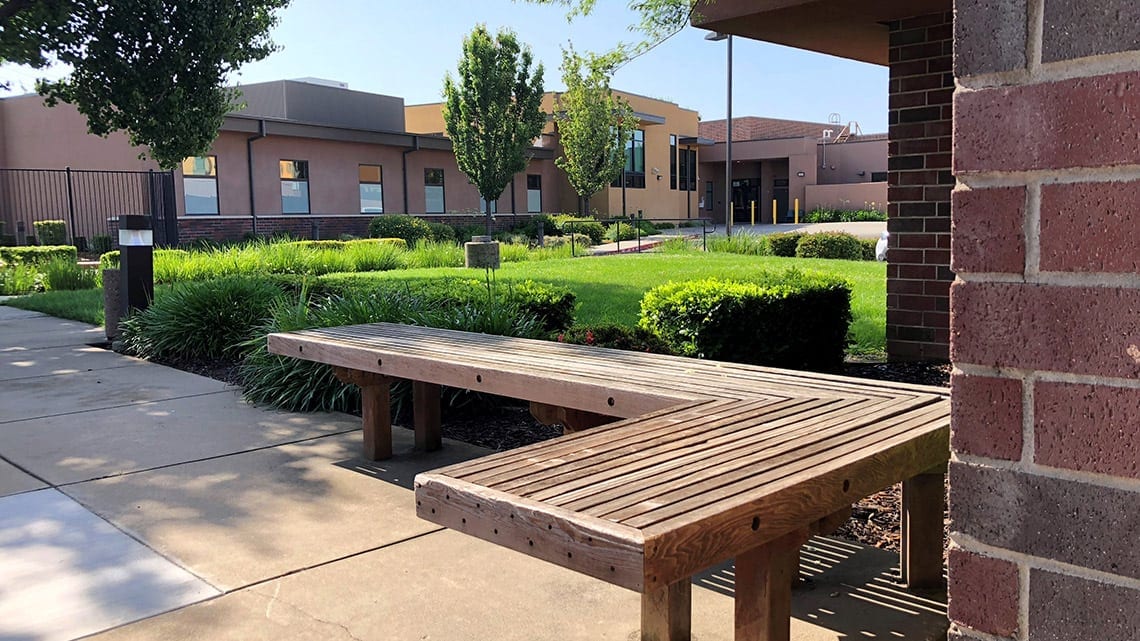


Sierra Vista Hospital 3 photos
Comparison facts and sources
The 171-bed Bruceville Road site is Sierra Vista’s inpatient psychiatric hospital for adults and adolescents; PHP and IOP are provided through designated Branches outpatient locations in the wider Sacramento network. · 8001 Bruceville Road, Sacramento, California 95823, United States
- Published fee information
- Quote required
- Before admission
- Do not present the inpatient Bruceville Road hospital as the location of every PHP/IOP service. Do not infer inpatient or detox duration from outpatient weekly schedules.
- Continuing care
- Inpatient treatment includes discharge and aftercare planning. PHP and IOP may be used for step-down or continuing treatment through designated Sierra Vista outpatient locations; the plan and location are assessment-led.
Source record · October 15, 2026
Official exact-campus inpatient scope, outpatient-network boundary, duration, aftercare and payer information checked October 15, 2026. Confirm the current service location, age eligibility, clinical level, program schedule, authorization, benefits and personal responsibility directly with Sierra Vista.
Luxury rehab comparison · Fees and inclusions · Selection methodology
Sierra Vista Hospital is a private behavioral-health facility in Sacramento, California. It provides inpatient psychiatric and chemical-dependency care at its main hospital, with outpatient services also offered through the organization’s Sacramento-area locations.
Main-hospital services
- Adult and adolescent (ages 13–17) inpatient psychiatric care
- Inpatient alcohol detoxification and dual-diagnosis treatment
- Outpatient chemical-dependency and behavioral-health programs through designated locations
The main hospital is at 8001 Bruceville Road, Sacramento, CA 95823. Call 916-288-0300 for inpatient assessments or 916-914-1388 for outpatient referrals. Sierra Vista says it contracts with most commercial health plans and Medicare HMOs; verify benefits and costs directly.
Adult inpatient care focuses on psychiatric stabilization
Sierra Vista’s adult inpatient program provides around-the-clock care during an acute mental or emotional crisis. The hospital describes short-term treatment intended to support a transition to less intensive care. Its main pathways include behavioral health treatment, alcohol detoxification, and care for co-occurring psychiatric and substance-use concerns. This is a hospital service rather than a vacation-style residential retreat.
The assessment should identify which pathway addresses the immediate need and what medical or psychiatric monitoring is required. Previous diagnoses, current prescriptions, substance use, and recent changes in behavior or functioning can all be relevant to that discussion. Ask who leads the treatment plan and how the team communicates with existing clinicians. The intended endpoint is not a fixed leisure-style stay: readiness for discharge depends on clinical review and an appropriate next plan. Outpatient appointments, medication continuity, and support at home should be considered as part of that transition.
The adolescent inpatient program has a defined age range
The adolescent inpatient service is for young people ages thirteen to seventeen who need intensive support during an acute behavioral health crisis. Sierra Vista describes individualized assessment, groups, individual and family meetings, recreational therapy, medication education, and aftercare planning. The aim is stabilization and development of coping skills, followed by a suitable lower level when clinically appropriate.
Parents or other authorized supporters should explain the immediate concern, recent treatment, prescribed medicines, school-related difficulties, and any relevant safety information. Ask how the young person’s views are included and how communication with caregivers is organized. Clinical discussions, educational needs, and ordinary visits are different parts of the admission and may have separate arrangements. Before discharge, clarify the next appointment, the home support required, and how school reentry will be discussed. The published age band identifies the program audience; admission still depends on assessment and the hospital’s ability to meet the individual need.
Adolescent dual-diagnosis care starts with the psychiatric presentation
Sierra Vista’s adolescent dual-diagnosis program covers ages thirteen to seventeen and combines care for a primary psychiatric condition with a history of substance use or related behavioral concerns. The hospital describes voluntary participation in sober-support meetings such as AA or NA, with additional optional groups. Those meetings are components of support, not substitutes for psychiatric assessment or a compulsory diagnosis based on behavior alone.
Families should distinguish the concerns they have observed from diagnoses that a qualified clinician has actually made. Explain the pattern, its effect on daily life, and any substances or medicines involved. Ask how psychiatric treatment, substance-use work, and family communication fit into one plan. Also discuss the suitability of the proposed groups for the young person’s age and preferences. The presence of a behavior on a program’s information page does not establish that every young person showing it has an addiction or needs inpatient admission.
Adolescent PHP offers daily structure at a separate outpatient location
The adolescent partial hospitalization program describes care five days a week for thirteen-to-seventeen-year-olds who need substantial support but do not require continuous monitoring. The program information identifies Branches Elk Grove as an outpatient location. This should be distinguished from an inpatient stay at the main Bruceville Road hospital.
A daily program requires a plan for travel, school responsibilities, meals, and the time spent at home. Ask the assessing team why this level is appropriate and what support is expected outside sessions. Clarify the actual daily hours, start date, available place, and how treatment attendance connects with educational arrangements. The family should understand whom to contact about an ordinary concern and what response is appropriate if safety deteriorates. A place in PHP does not provide overnight supervision, and choosing outpatient care should be based on the clinical assessment as well as the practical ability to attend.
Adolescent IOP has a different weekly commitment
The adolescent intensive outpatient program is described for ages thirteen to seventeen, with three-hour sessions on three to five days a week. It is intended for young people stable enough to live at home and attend school while receiving structured care. Official program information identifies Branches Elk Grove and also describes a virtual option, subject to suitability and current arrangements.
Confirm the recommended number of attendance days rather than assuming that every participant chooses the minimum. Ask how individual needs, group participation, family involvement, and any medication appointments fit into the timetable. For virtual attendance, discuss a private space, reliable connection, and the plan for a technical interruption or urgent concern. School and home responsibilities still need to be coordinated around treatment. The distinction from PHP is the level and pattern of support, not simply whether a program can be described as convenient.
Adult IOP combines regular attendance with time outside treatment
Sierra Vista’s adult IOP information describes focused therapy for adults eighteen and older on three days a week, including evening availability. It identifies psychiatrists, nursing staff, and therapists working together around the patient’s needs. The outpatient location and current session options should be confirmed for the particular referral.
Ask how much time is expected each week and whether individual reviews or prescribing appointments add to the group schedule. A person returning to work may need a different timetable from someone who is still rebuilding a daily routine after hospitalization. The clinical team should also assess whether the support available between sessions is sufficient. Discuss how changes in symptoms are reviewed and what would prompt more intensive care. A clear outpatient plan names the responsible clinicians, the next review, and a route for raising concerns instead of relying only on the published days of attendance.
Branches Davis illustrates why the exact program matters
The Branches Davis location page describes outpatient services for adults and seniors, including virtual or hybrid options. Its published timetable distinguishes adult PHP and dual-diagnosis PHP at five hours on five days from adult IOP at three hours on three days. A separate substance-use IOP is described as three hours a day, Monday through Thursday. These are different service schedules at an outpatient branch.
When a referral mentions “Branches” or “IOP,” request the full location and program name. That avoids confusing a three-day mental health schedule with a four-day substance-use schedule or with the main hospital’s inpatient services. Confirm which format is available, whether every appointment can be attended remotely, and how medication reviews are arranged. For a transition from hospital care, ask who coordinates the first session and sends the relevant records. The network relationship can support continuity, but it does not make every program or timetable interchangeable.
Assessment and insurance review address different questions
The admissions information describes a no-cost assessment and says the hospital contracts with most commercial plans and Medicare HMOs. It also offers help investigating financial resources for people without insurance. A no-cost assessment is not a promise of free hospital treatment, and a general payer statement does not establish coverage for every plan or treatment level.
Prepare clinical information for the assessment and insurance details for the benefits discussion. Ask which proposed services need authorization, what personal cost sharing may apply, and whether professional services can be billed separately. Clarify the financial implications of moving from inpatient care to an outpatient branch. These questions should help explain the available options without replacing the clinical decision about the appropriate level. If admission is not suitable, ask for a specific recommendation for the next service and what information can be shared to support that referral.
Hospital packing rules include accessibility and medication considerations
Sierra Vista’s packing guidance lists a small supply of clothing, basic toiletries, and aids such as glasses, contacts, and hearing aids. Laundry facilities are available. It also restricts items including personal electronics, sharp objects, outside food, and certain medicines brought by patients. These rules describe what may enter the hospital; they are not instructions to stop prescribed treatment.
Discuss essential medicines with the receiving team and obtain clear instructions about what to bring and how medication will be supplied. Explain any accessibility equipment, communication aid, dietary need, or other adjustment in advance. A personal device restriction may require another way to maintain necessary contact, which should be agreed with staff. Keep the current written list available when preparing for admission and avoid bringing valuables that are not needed. If a prohibited item is necessary for a medical or accessibility reason, ask the team to assess the arrangement rather than assuming an exception.
Visiting and sharing information follow hospital procedures
The visitor guidance says visitors must be at least sixteen, outside food is not allowed, and Zoom visits may be arranged where appropriate. It describes an identification code that the patient chooses whom to share with. Visiting arrangements can change, so the current unit’s times and requirements should be checked before someone travels to the hospital.
Distinguish an ordinary visit from a family meeting with the clinical team or permission to receive medical information. Each may have different arrangements. Ask what identification is required, where belongings should be stored, and what alternatives exist when a supporter cannot attend in person. For adolescent admissions, clarify the relevant caregiver communication and consent process with staff. Planning contact in advance can reduce uncertainty while respecting the patient’s treatment needs and privacy. A familiar relationship alone should not be assumed to grant unrestricted access to records, calls, or visits.
Financial assistance has an application process
The hospital’s bill-assistance information describes discount and charity-care programs for eligible uninsured or low-income patients. It directs people to the Patient Access Team or business office for the policies and application process. It also explains how to request language assistance and accessible formats. Eligibility needs to be assessed; the existence of a program does not mean that every charge will be waived.
Request the current application, required documents, and a clear explanation of the decision process. Ask which bills or services the application covers and whether any separately billing professional has a different policy. Keep copies of submitted information and the written response. If communication, vision, hearing, or language needs make the process difficult, request an appropriate format or interpreter through the hospital. A financial discussion is more useful when it identifies a specific route and responsible office rather than ending with a general statement that assistance may be available.
Official hospital program descriptions reviewed October 19, 2026, including indexed official pages. Confirm current admission criteria, outpatient location, schedules, visiting arrangements, and financial terms directly.
Official sources
Checked October 15, 2026: Sierra Vista Hospital and main hospital.