Siam Rehab


Siam Rehab 3 photos


Comparison facts and sources
Private residential addiction treatment for voluntary international clients, combining medical detox coordination when required, non-12-step therapy, clinical oversight, fitness and holistic activities. · 109 Moo 12, Patueng, Mae Chan District, Chiang Rai 57110, Thailand.
- Published fee information
- USD 12,000 / four weeks (eight weeks: USD 22,000; twelve weeks: USD 31,500; longer stays by inquiry).
- Before admission
- Admission is voluntary. Confirm detox suitability, medical escalation arrangements, chosen duration, add-ons, travel requirements and the complete written fee before booking.
- Continuing care
- Before discharge, clients receive a written continuing-care plan. Twelve weekly telehealth sessions are included after residential care; later sessions can continue for a fee, with sober-living and local-provider referrals when appropriate.
Source record · October 16, 2026
Provider-published information checked October 16, 2026. The provider publishes current Thai Ministry of Public Health licensing and national accreditation details; confirm current documents, program fit, medical escalation arrangements and itemized costs directly.
Luxury rehab comparison · Fees and inclusions · Selection methodology
Siam Rehab is a private residential drug and alcohol treatment center in Chiang Rai, Thailand. The provider describes an individualized, non-12-step program for international clients, with medical detox when required, therapy, clinical oversight, fitness and holistic activities, and support for co-occurring mental health conditions.
Clinical model and campus
Current program materials list CBT, DBT, ACT, REBT, SMART Recovery and Recovery Dharma among the approaches used. Clients stay in private en-suite accommodation with full board, 24-hour onsite staff, twice-weekly individual primary counseling, daily education and recovery groups, and optional fitness activities. The provider says it is licensed by Thailand’s Ministry of Public Health and holds Healthcare Accreditation certification for 2026–2029.
Duration and fees
Programs run from four weeks to one year. Current published prices are US$12,000 for four weeks, US$22,000 for eight weeks, and US$31,500 for twelve weeks; longer stays are by inquiry. The provider states that 7% Thai VAT is included. Flights, visas, medication and specified add-ons are excluded.
Read the total program price before comparing monthly rates
Siam Rehab’s program and fee schedule distinguishes a four-week booking from the lower equivalent monthly rate on a prepaid longer stay. The twelve-week total is US$31,500; its US$10,500 four-week equivalent is not the price of a standalone four-week admission. The listed four-week and eight-week totals are US$12,000 and US$22,000. Thai VAT is included, while medication, extra medical appointments, visas, airfare, NAD+ therapy, and specified additional services sit outside the package.
The page states a US$3,000 nonrefundable deposit, with the balance due before or on arrival. Its limited early-departure refund applies to the balance, not the deposit, and has conditions. An extension booked after arrival may use the standard four-week rate rather than the original longer-stay discount. Request the complete dated contract, refund conditions, and an itemized estimate before transferring funds. Ask how an unexpected hospital admission or clinician-recommended change in treatment would affect the bill.
A non-12-step program with an active daily routine
The provider’s description of its approach combines a non-12-step framework with structured therapy, physical activity, and personal responsibility. It names cognitive behavioral therapy, motivational interviewing, dialectical behavior therapy, rational emotive behavior therapy, and relapse-prevention work. Fitness, mindfulness, and other complementary activities form part of the residential routine. This combination may appeal to someone seeking a program without compulsory identification with a traditional twelve-step philosophy.
A list of treatment methods does not show which clinician will use each method with a particular resident. Ask admissions to translate the list into a proposed weekly plan, including individual appointments, group sessions, and adaptations for pain, fatigue, or other health needs. Also distinguish the program’s general references to medication from its specific detox and maintenance-medication admission rules. The governing clinical decision is whether the center can support the person’s current treatment safely, not whether the marketing vocabulary sounds familiar.
Medication compatibility requires a clinical discussion before travel
Siam’s medical detox page describes psychiatrist-supervised withdrawal care and access to local medical facilities. It also sets substantial limits: the program is abstinence based, does not accommodate ongoing methadone or benzodiazepine use throughout treatment, and excludes certain high-dose opioid replacement regimens. Its policy differentiates those restrictions from continuing necessary medication for other conditions. Medication and inpatient hospital treatment are billed separately.
Someone taking prescribed medication should give the medical team an accurate medication list and ask for an explicit compatibility decision before paying or flying. Do not stop, reduce, or substitute a prescription to meet an admission rule without the prescribing clinician’s direction. Ask the referring clinician and receiving team to agree on the intended treatment setting, monitoring, and transfer arrangements. If continued maintenance treatment is part of an established care plan, compare services able to deliver that plan rather than assuming a short detox is an equivalent option.
What the individual counseling commitment actually includes
The individual counseling page describes at least two scheduled one-to-one sessions per week with a primary counselor, with additional sessions available when needed. It presents these meetings as a place to discuss personal concerns, underlying stressors, goals, and coping strategies that may be difficult to explore in a group. Cognitive behavioral work is one of the approaches highlighted.
For comparison purposes, ask how long the scheduled sessions last and whether extra appointments are included or depend on clinical availability. Clarify who provides the sessions, how the provider checks qualifications, and what happens when the usual counselor is absent. A resident with a trauma history or co-occurring mental health condition should ask how that need changes the treatment plan, rather than assuming every one-to-one appointment is specialist trauma therapy. The useful commitment is a defined service with an identified clinician, review process, and discharge handover, not simply the word personalized.
Daily group work is a central part of the experience
Siam’s group counseling description says residents attend daily groups and that sessions are usually facilitated by at least two counselors. The stated focus includes communication, self-expression, receiving feedback, and understanding experiences shared by people from different backgrounds. Individual sessions therefore sit within a communal treatment program rather than replacing group participation.
Before choosing this format, discuss comfort with groups, English-language communication, and the level of privacy needed for sensitive topics. Ask how many residents normally attend a session, whether newcomers join an established group, and how facilitators respond to distress or conflict. A person does not need to disclose every detail of a traumatic experience to other residents to ask for appropriate support. Clarify which discussions can remain in individual care, how confidentiality is explained, and what alternatives are available when a particular group activity is clinically unsuitable. These questions help establish whether the daily social environment is workable.
Private rooms within a shared residential campus
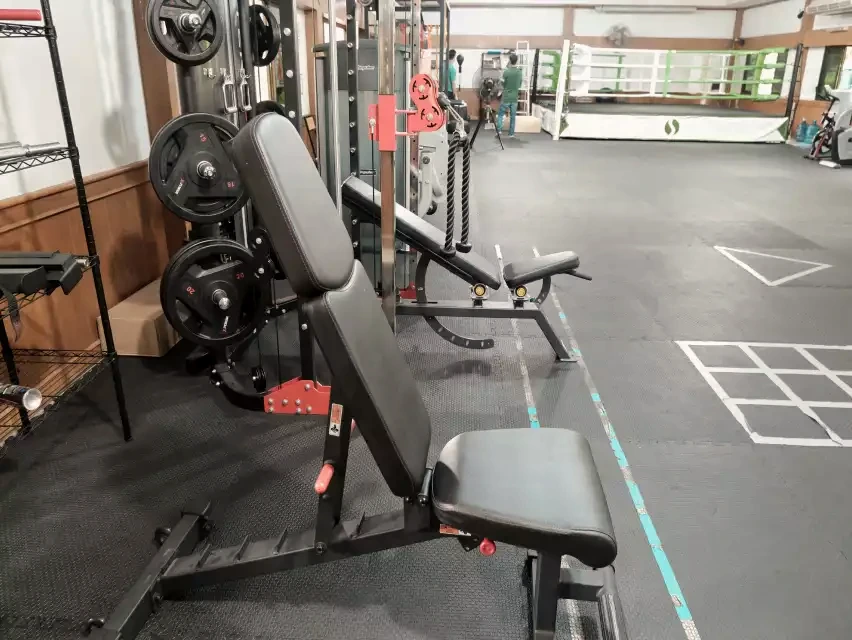
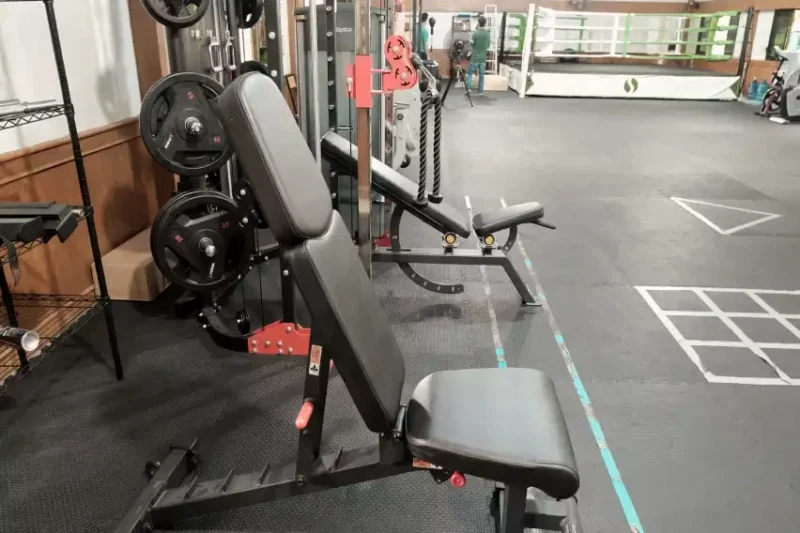
The facilities page describes single-occupancy rooms with private bathrooms in a campus outside Chiang Rai. Shared amenities include jungle gardens, a swimming pool, indoor and outdoor dining areas, gyms, a boxing area, a running track, and spaces for meditation or quiet reflection. The provider also lists air conditioning, internet access, Thai and Western meals, and designated smoking areas.
A private bedroom does not mean an entire residence, therapy team, or daily schedule is reserved for one person. Request recent photographs of the room category offered and ask about its distance from treatment rooms, stairs, nighttime noise, and smoking areas. Those practical details can matter more than a broad luxury label, especially during early recovery. Confirm dietary accommodations and any mobility requirements in advance. Ask who responds if help is needed at night and where that staff member is located; attractive grounds do not by themselves describe medical staffing or access arrangements.
Use the sample timetable to test the practical fit
The published weekly schedule mixes morning focus groups, process groups, individual appointments, psychoeducation, recovery skills, journaling, and physical activities. The provider describes a lighter weekend program and excursions. It also says residents undergoing detox may follow an adapted routine. The timetable is a useful illustration, but its parallel appointment slots do not mean every resident receives individual counseling in every slot.
Ask for the schedule that would apply to the proposed admission, including required attendance, protected rest, and changes for medication effects or illness. If work contact is essential, establish when calls can occur and whether a quiet, confidential space is available without disrupting treatment. Discuss alternatives to strenuous exercise or excursions before arrival. An activity-rich timetable can provide structure, but the relevant question is whether its pace supports clinical participation for this person. Confirm how the team reviews the schedule when needs change during a longer stay.
English proficiency and stair access are stated admission requirements
Siam’s admissions guidance makes two practical requirements explicit: treatment is delivered in English, and the premises are not fully accessible for people with mobility impairments. Prospective residents should be able to navigate stairs independently. The center also describes voluntary commitment to the program as part of suitability. The process moves from an admission form and confidential discussion to a counselor assessment, agreement on dates and duration, and payment.
These requirements should be checked early, before travel becomes difficult to change. A relative arranging care can help gather records, but the prospective resident still needs to understand the program and participate in the assessment. Ask whether the team can accommodate any hearing, visual, learning, or communication needs relevant to understanding therapy. Obtain written confirmation of clinical acceptance and the agreed arrival arrangements before booking a flight. A convenient intake process is useful only when the destination can meet the person’s actual needs.
Separate alumni contact from scheduled continuing treatment
The aftercare page emphasizes an online community for former residents, contact with counselors and support staff, and opportunities for alumni to remain involved. It describes peer connection and sharing experiences after discharge. This is useful information about the community available, but the page’s general language should not be read as a promise of unlimited private appointments or round-the-clock remote clinical care.
Before discharge, ask which contacts are scheduled, who initiates them, and which services require another booking or payment. Confirm how the center handles time zones, missed calls, and a resident moving to a different country. A practical handover should identify local clinical appointments, relevant medication follow-up, and a response plan if the person becomes unwell. With the resident’s consent, a family member can receive the contact details and understand the limits of the alumni service. Continued connection and a defined clinical care plan serve different purposes and can work together.
Read governance and outcome claims with their stated limits
Siam’s clinical governance statement publishes licensing and accreditation details, psychiatric and nursing responsibilities, pre-admission risk assessment, and emergency transfer arrangements. It distinguishes emergency transfer to Mae Chan Hospital from planned specialist referrals to Kasemrad Sriburin Hospital. It also describes a twelve-week aftercare schedule, with contact becoming less frequent over time. Ask the team to confirm the current documents and which elements apply to the proposed admission.
The same statement reports internal outcome figures from people who completed treatment. It acknowledges an observational design, no control group, and incomplete follow-up participation. Those limitations matter: changes measured at discharge and responses from reachable alumni cannot establish the probability of long-term recovery for a new resident. Use the report to ask about assessment, follow-up, and service improvement. It should not replace an individualized suitability assessment or be treated as an independent guarantee of clinical results.
Additional provider information checked October 18, 2026. Program descriptions, fees, and admission policies are attributed to the official sources linked in each section and should be confirmed for the proposed admission.
Contact
Address: 109 Moo 12, Patueng, Mae Chan District, Chiang Rai 57110, Thailand. English-language Thailand office: +66 97 943 6477.
Sources checked October 16, 2026: official center overview and official programs and fees.