Serenity Lane
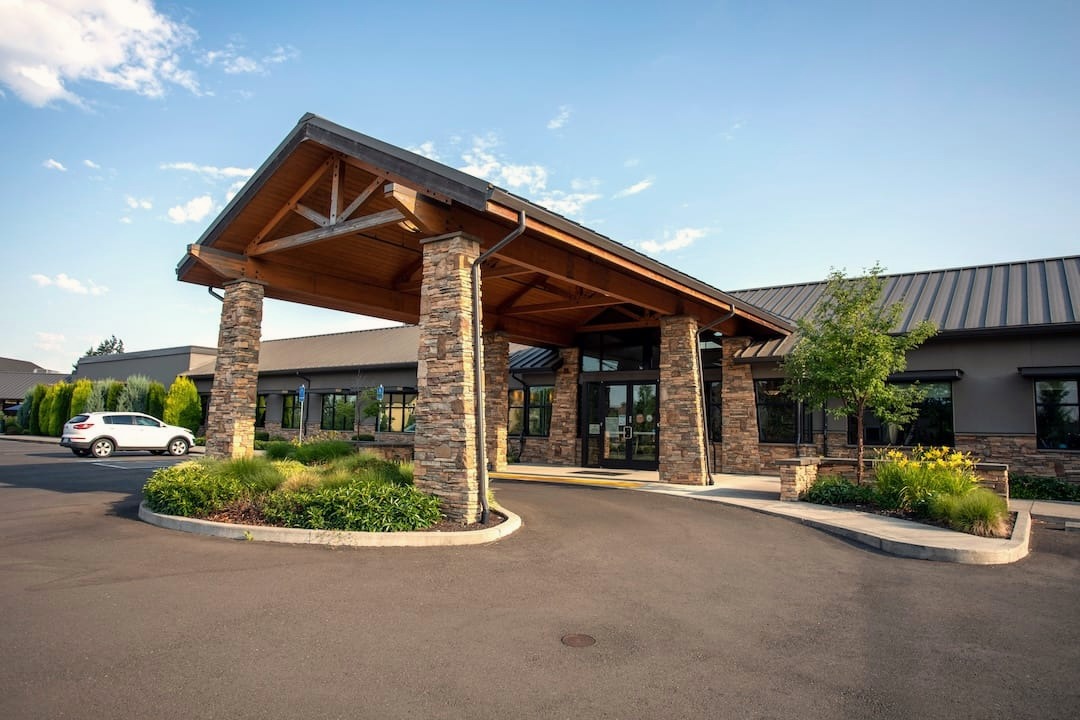

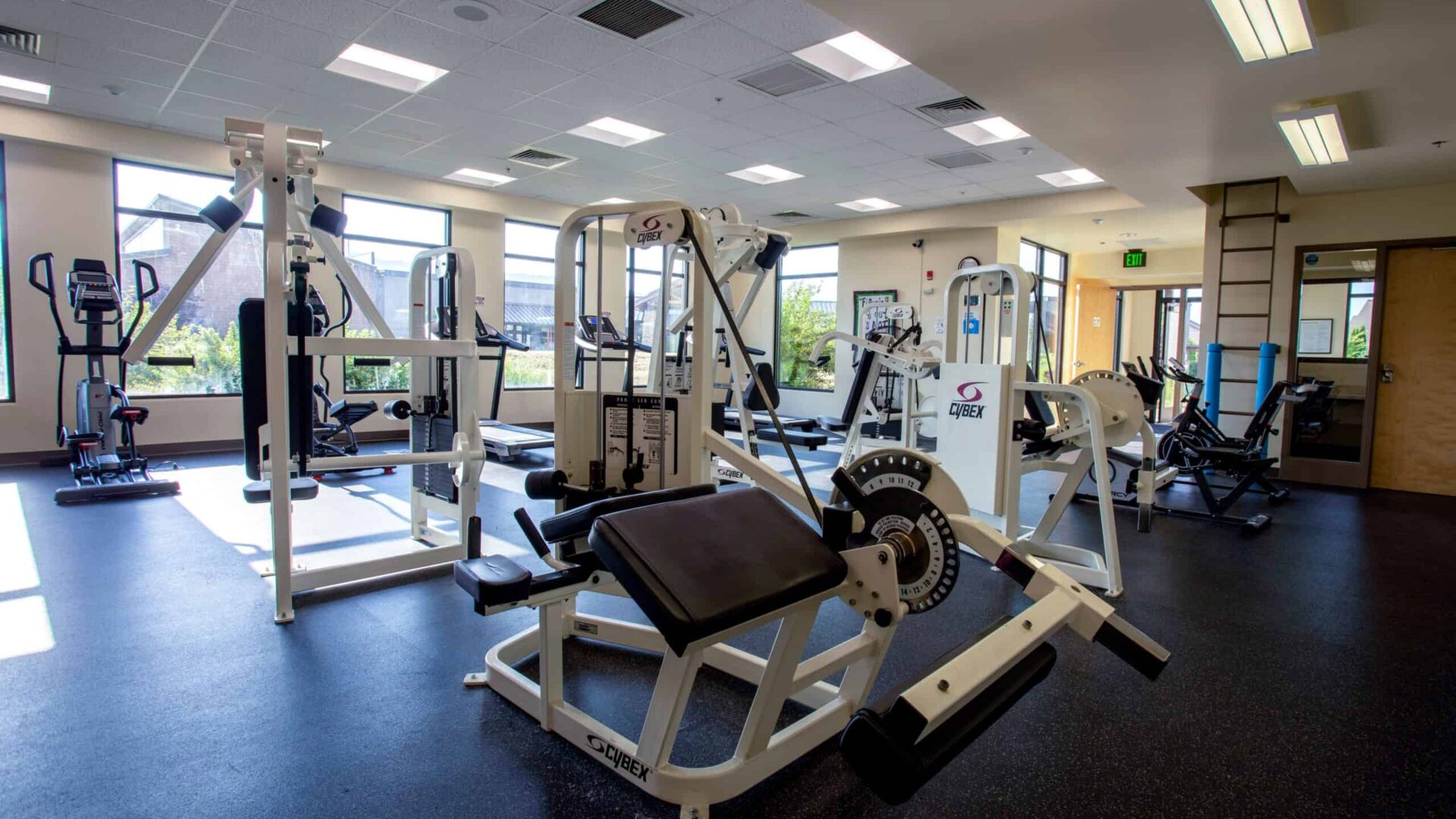
Serenity Lane 3 photos

Comparison facts and sources
An adult Oregon continuum with 24-hour withdrawal management and residential care at Coburg, plus outpatient services at Bend and other community offices. Bend is not the residential campus. · Coburg residential campus: 1 Serenity Lane, Coburg, Oregon 97408. Bend outpatient office: 920 SW Emkay Drive, Suite 104, Bend, Oregon 97702.
- Published fee information
- Quote required
- Before admission
- This review verified the current residential-versus-outpatient campus distinction, provider-published durations, payer list and cost guidance. It did not infer one stay length, benefit approval or a universal inpatient price.
- Continuing care
- Serenity for Life offers alumni events, online community resources, recovery-support meetings and continued connection with peers and staff. Step-down and discharge planning remain individualized.
Source record · October 16, 2026
Provider-published campus, program, duration, insurance, cost and alumni guidance checked October 16, 2026. The provider describes state-licensed programs, CARF accreditation and an Oregon integrated co-occurring-disorder license; independent license and accreditation registers were not revalidated in this field review.
Luxury rehab comparison · Fees and inclusions · Selection methodology
Provider overview
Serenity Lane is a nonprofit Oregon addiction-treatment provider for adults aged 18 and older. It treats substance use disorders and co-occurring mental-health needs through a network that combines one residential campus with community outpatient offices.
The Coburg campus at 1 Serenity Lane, Coburg, OR 97408 is the 24-hour residential and medically supervised withdrawal site. It also offers clinical assessment, residential and long-term residential treatment, medication-assisted treatment, day treatment/partial hospitalization and family programming. Bend, at 920 SW Emkay Drive, Suite 104, Bend, OR 97702, is an outpatient office rather than the residential campus; the provider also lists outpatient offices in Albany, Eugene, West Portland, Roseburg and Salem.
Program duration depends on level of care and clinical need. The provider publishes Level II intensive outpatient treatment as ten weeks, with three-hour groups three times weekly. Its network treatment page describes weekly Level I recovery support for 44 weeks or longer, while the current Bend page describes weekly recovery support for 12 to 24 months. Long-term residential treatment is extended and may have no predetermined end date; no universal residential stay length is published.
Serenity Lane says it is in-network with most major insurers and lists Blue Cross Blue Shield, Aetna, Cigna, Kaiser Permanente, UnitedHealthcare, MODA, PacificSource, Regence, First Choice Health, First Health Network, MultiPlan, Providence Preferred Network, Samaritan Choice and TRICARE Northwest via Managed Health Network. Benefits, authorization and personal cost are plan-specific. The provider offers a free benefits check, qualifying payment plans, some cash discounts and limited needs-tested financial assistance. Its FAQ says outpatient treatment starts at approximately $4,500 and varies by program; it does not publish a universal inpatient cash price.
After formal care, Serenity for Life provides alumni events, online community resources, recovery-support meetings and continuing connection with staff and peers. Admissions: 800-543-9905.
Coburg is the residential and withdrawal-care campus
The Coburg location page identifies a range of services at the residential campus: medically supported withdrawal, residential treatment, longer residential care, and partial hospitalization. The provider describes treatment for substance use disorders with attention to co-occurring mental health needs. This is the relevant location when someone needs a place to stay and clinical support during a more intensive phase of care.
Serenity Lane’s community offices elsewhere in Oregon serve a different purpose. A person contacting the network through a nearby outpatient office should establish whether the proposed admission requires travel to Coburg and how later appointments will be arranged closer to home. The campus description emphasizes assessment and changing levels of support over time. It does not establish that every applicant needs withdrawal care or that all stages must be completed at the same address.
Group-based residential care after stabilization
The residential treatment guide describes medically supervised stabilization when needed, followed by a structured residential schedule. Group therapy is a central component, with sessions on weekday mornings and afternoons. Individual counseling is described as available according to need. New participants are oriented to the group and may be paired with a peer further along in treatment to help them understand routines.
The program also includes education about addiction and access to optional spiritual support. A prospective patient should understand that this is a community-based clinical model with substantial group participation, rather than a primarily one-to-one retreat. The assessment should address whether that format suits the person’s current needs and how any co-occurring symptoms will be supported. An individual plan remains necessary even when residents attend a shared timetable and work toward recovery together.
Medication support and the outpatient prescribing boundary
The medication-assisted treatment page distinguishes medications discussed generally from those Serenity Lane actually provides. The organization says its program uses naltrexone and buprenorphine as clinically appropriate and does not prescribe methadone. It combines medication-related care with therapeutic programming and family education, with the choice of treatment made through the clinical team.
The same page states that buprenorphine prescribing is available during inpatient or residential care at Coburg, while outpatient continuation is coordinated with prescribers in the wider community. That handoff is especially important when a patient will return to another Oregon city after discharge. Confirm who will provide follow-up prescribing, how records and appointments will be coordinated, and which pharmacy or other services are involved. The description establishes an available service and a continuity requirement; it is not an individual medication recommendation or a reason to change an existing prescription independently.
Longer residential care without a universal end date
The long-term residential program is intended for people who need more sustained support, including those with repeated returns to substance use and some people in healthcare or safety-sensitive occupations. Serenity Lane says this program has no predetermined duration. The course is shaped by the person’s needs rather than a single advertised number of days.
Published areas of work include identifying persistent difficulties related to addiction, addressing relevant psychological or trauma concerns, developing responses to cravings, and strengthening more constructive daily behavior. The absence of a fixed endpoint makes review arrangements particularly important. Discuss what progress the team will assess, how the patient participates in planning, and how extensions affect the financial agreement. For an occupational referral, clarify which clinical recommendations are part of treatment and which decisions remain with an employer or professional body.
Day treatment and optional accommodation
The partial hospitalization program is offered at Coburg and provides a substantial daytime schedule. Serenity Lane describes it as a possible next stage after residential care, with group work, counseling, and family programming when appropriate. The published description gives variable scheduling within an individualized plan, including a minimum of twenty treatment hours each week.
The accommodation arrangement needs separate attention. Serenity Lane says it does not operate a sober-living service, although a day-treatment participant may be able to remain at the Coburg residential facility for an additional charge. Approved weekend leave may be considered under the program’s rules. Someone arranging PHP should therefore establish both the clinical timetable and where they will live. The treatment fee alone does not necessarily cover accommodation, and a daytime program still requires planning for transport, meals, and support outside scheduled sessions.
The ten-week Level II outpatient course
The Level II intensive outpatient program is published as a ten-week course with three-hour groups three times a week. It combines group therapy, individual counseling, and education about substance use disorders. The provider lists delivery through its outpatient offices in communities including Albany, Bend, Eugene, Roseburg, Salem, and southwest Portland.
This schedule can support a transition back to community responsibilities, but the actual office timetable and admission criteria need confirmation. For a patient leaving Coburg, the treatment team should identify the intended outpatient location and first appointment before the move. The ten-week description refers to this particular outpatient level; it should not be used as the expected length of detoxification, residential treatment, or the entire recovery pathway. Continued care may involve another service after the intensive phase, depending on the agreed plan.
Level I support for everyday recovery
The Level I outpatient service uses weekly group counseling rather than the more frequent Level II schedule. Serenity Lane describes sessions of about ninety minutes, focused on managing stressful events and the changing demands of early recovery. Participants also develop a personal daily recovery plan with their counselor.
The lower frequency does not make this the same thing as an occasional social gathering. It remains a planned treatment service with clinical goals, delivered through the community-based network. The appropriate duration and location should be agreed individually, particularly because different Serenity Lane pages describe continuing support over different timeframes. A person returning to work can ask how the weekly group, individual appointments, community support, and any medication follow-up fit together. These arrangements make the transition more concrete than assuming that completion of intensive care ends the need for structured follow-up.
Family work across the levels of care
The Family Program is available within residential, day-treatment, and outpatient care. The provider describes a residential format generally involving four family weekends, with education about addiction, communication exercises, letter writing, boundaries, and preparation for the return home. Its outpatient family curriculum is described separately as based on the Matrix Model.
Participation can include significant others or close friends as well as relatives. The family liaison or outpatient counselor connects people with the relevant sessions. This is a more specific commitment than ordinary visiting, so families should establish the dates, format, cost, and expected involvement before arranging travel. The clinical team should also explain how the patient’s permissions and family circumstances influence participation. The purpose is to support communication and recovery planning; the program cannot promise that difficult relationships will be repaired within a set number of meetings.
Support for healthcare professionals
The healthcare professionals service addresses substance use treatment alongside the practical demands of professional practice. Serenity Lane lists evaluation, care planning, case management, and communication with employers or licensing organizations when required. Depending on the individual, treatment may involve a longer residential stay, partial hospitalization, outpatient care, and support for co-occurring mental health concerns.
The provider also describes return-to-work evaluation and recommendations concerning fitness to practice. These are clinical services within a broader professional process; admission does not guarantee a particular employment or licensing outcome. Before beginning, establish the referral question, who will receive reports, what permissions are required, and how any monitoring arrangements relate to treatment. A clinician seeking care voluntarily may have different reporting circumstances from someone referred through an employer or board, and the proposed plan should make those responsibilities clear.
First-responder programming and occupational experience
The first-responder program description includes firefighters, law-enforcement personnel, correctional staff, emergency medical workers, and military veterans. The provider describes clinical and group components addressing substance use, trauma-related concerns, workplace stress, and reluctance to seek help. Listed methods include motivational interviewing, cognitive behavioral therapy, and EMDR when appropriate.
The occupational focus may be relevant to someone who wants treatment to acknowledge repeated exposure to difficult events and the culture of their work. It does not mean every first responder has the same diagnosis or needs the same intervention. Admissions should explain how specialized programming fits into the proposed level of care and whether it involves dedicated groups or individualized sessions. Insurance or military-related coverage must be verified separately; a program’s inclusion of veterans does not by itself establish eligibility for a particular funding route.
Cost planning with an individual benefits check
The cost and insurance page offers a benefits review and an estimate of the patient’s financial responsibility before admission. It lists relationships with multiple commercial insurers and describes possible discounts or payment arrangements. The provider’s historical reimbursement figures are not a prediction of what any new patient’s policy will pay.
The useful estimate should identify the recommended level of care, authorization requirements, deductible or coinsurance, and services outside the covered benefit. If the plan includes a move from withdrawal care to residence, PHP, and outpatient treatment, ask how the financial arrangements change at each stage. Accommodation during day treatment deserves a separate line in that discussion. Serenity Lane does not publish one universal residential cash package on this page, so the written admission proposal remains necessary for comparing the actual cost of the intended course.
Serenity for Life and connections after formal treatment
The Serenity for Life alumni program is intended for people who have completed or participated in any level of Serenity Lane care. It offers events, recovery-support meetings, service opportunities, email updates, and an app connecting alumni with peers and staff. The published options include both local meetings and online participation, which can be useful after returning home from Coburg.
Examples listed by the provider include community meetings in Bend and Salem, creative activities in Eugene, and online connection or speaker meetings. Schedules should be checked directly because they can change. These resources provide continuing connection, while the discharge plan identifies any ongoing clinical care. Before leaving treatment, a patient can select relevant alumni activities and confirm the separate arrangements for counseling, prescribing, or more intensive support. That distinction keeps the community offering connected to, rather than confused with, professional follow-up.
Source check: October 18, 2026, for the additional provider details above.
Sources and verification
Official locations and campus scope; official treatment and duration guide; official Bend outpatient page; official admissions and insurance guide; official costs and insurance page; official alumni page. Checked October 16, 2026. This summary reflects provider-published information, not an independent clinical assessment or a guarantee of admission, insurance payment or price.