Seafield Center
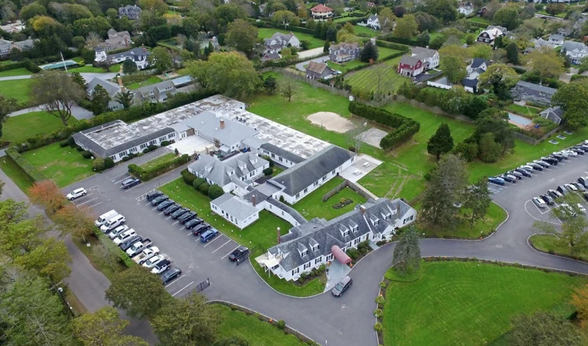
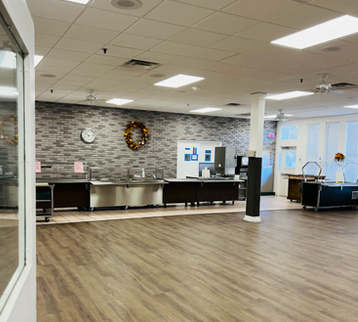

Seafield Center 3 photos
Seafield Center is a Long Island addiction-treatment organization with distinct inpatient, outpatient and recovery-housing services. Its main clinical campus is in Westhampton Beach, New York; the provider’s recovery homes are separate supported-housing locations rather than one “Seafield Sober House.”
Levels of care
The Westhampton Beach campus is a 100-bed facility providing detoxification and inpatient rehabilitation for men and women over age 16. Seafield Services operates outpatient programs in Amityville, Medford, Mineola, Patchogue and Riverhead; specialist gambling treatment is currently listed at Patchogue, Medford and Riverhead. Seafield Resources separately operates ten recovery homes for men and women across Nassau and Suffolk counties, with provider-stated residence of up to six months.
Contact and payment
The main address is 7 Seafield Lane, Westhampton Beach, NY 11978. The provider lists 800-448-4808 and call/text number 631-288-1122. Seafield says it is in-network with almost every insurer and offers reasonable self-pay arrangements when treatment is not covered. Recovery housing is commonly self-paid, although the provider says some residents may qualify for public assistance. Coverage, authorization and personal costs remain service- and plan-specific.
Seafield’s three service branches serve different purposes
The Seafield website separates its Westhampton Beach inpatient center, Long Island outpatient clinics, and recovery homes. This distinction is important for anyone arriving through a listing that uses the older “sober house” name. The organization offers more than housing, and the main clinical campus is not the address for every service.
Its inpatient facility provides detoxification and rehabilitation. Outpatient treatment takes place at five separate locations, while Seafield Resources operates recovery housing across Nassau and Suffolk counties. The website also identifies gambling services at selected outpatient clinics. A person seeking those services should confirm the actual receiving location rather than assume that the entire network’s treatment menu is available at Westhampton Beach.
Start with the purpose of the referral: withdrawal assessment, inpatient rehabilitation, continuing outpatient treatment, or a supportive place to live while receiving care. These needs can overlap, but each requires an appropriate placement and its own arrangements for admission, transport, treatment, and payment.
Inpatient rehabilitation includes addiction and co-occurring support
The inpatient program identifies a 100-bed facility for men and women over age 16. It describes gender-specific groups, dual-focus groups for concerns such as depression and anxiety, psychiatric evaluation, and daily on-site Alcoholics Anonymous or Narcotics Anonymous meetings. Specialty groups may be organized according to the needs of the current community.
Those descriptions do not mean that each specialty group runs continuously or that the facility is a primary psychiatric hospital for every mental-health presentation. Clarify how the addiction team will assess co-occurring needs and what level of medical or psychiatric support the person requires.
The page also gives detailed belongings rules. Electronic devices and e-cigarettes are prohibited, while sealed cigarettes and sealed spitless nicotine pouches are specifically permitted. Medicines are secured and dispensed through the medical team. Obtain the current checklist before packing, particularly for necessary medication or accessibility equipment. These practical restrictions affect daily life during treatment and should be understood before arrival.
Outpatient intensity is chosen after an individual evaluation
Seafield’s outpatient overview describes medication-assisted treatment, an intensive level, and a clinic level. Intensive treatment may meet up to five times weekly for two to three hours, with the exact frequency and duration determined by the team. Clinic-level sessions are described as 60–90 minutes, again adapted to individual needs.
These figures describe appointment intensity, not a promise that everyone completes treatment after a fixed number of weeks. The page explains that measurable goals are reviewed and that clients may move from intensive treatment to the clinic level. A practical plan should identify both the current schedule and the criteria for changing it.
Outpatient services include nursing assessments, psychiatric evaluation, and medication management, with specialty groups varying according to need. Confirm which of these are offered at the chosen clinic and how attendance fits work, school, transportation, and home responsibilities. The clinical service does not automatically include a place in a recovery home.
Recovery homes have separate housing and treatment arrangements
The recovery-housing page identifies Seafield Resources as a nonprofit operating ten homes with a published total of 154 beds. It lists men’s and women’s locations across Nassau and Suffolk counties and describes expectations for participation in recovery and community life. These are supported living environments, rather than ten additional inpatient hospital units.
The page distinguishes housing charges from treatment at licensed facilities. Many residents self-pay for accommodation, while some may qualify for public assistance; treatment may be billed through insurance. Obtain separate explanations of these arrangements, including what meals, transport, support, and clinical appointments are included.
Seafield says people taking naltrexone or buprenorphine, including those receiving Suboxone maintenance, can be eligible for housing. Admission still requires an individual arrangement for medication and treatment. Confirm the particular home, room, recovery expectations, and clinical provider before committing. An available housing bed and an appropriate treatment appointment are related but separate parts of a safe transition.
Intake involves records, medication planning, and age-specific travel rules
The intake instructions describe assistance with assessments, insurance precertification, and transportation to treatment. Some insurance plans require approval before admission. Seafield says its outpatient facilities can provide assessments and precertifications, which may be useful when a local clinician or another treatment center is arranging the next step.
The published packing guidance includes identification, insurance and prescription information, daily medication, and suitable clothing. Referring treatment providers are asked for clinical documentation and a medication list. Follow the receiving team’s current instructions so essential information is available before arrival and medication can be reconciled appropriately.
For clients under 18, the page requires transportation to and from Seafield by a parent or legal guardian and an immunization record. It also describes limits on personal electronic devices and scheduled telephone access. Families should discuss these arrangements early, including how communication and consent will work, rather than assume adult transport or contact rules apply to a younger patient.
Medication care should follow an agreed clinical plan
The medication-assisted treatment page identifies naltrexone and buprenorphine as medications used within Seafield’s care. It describes administration and monitoring by the medical team alongside other treatment. The page provides a dedicated medication-treatment contact for questions about the service.
Its general description should not be interpreted as an individualized prescription or a fixed timetable for starting, reducing, or stopping medication. The admissions discussion needs to establish the substance-related concern, existing prescriptions, current clinician, and which receiving service will be responsible. Someone already in treatment should obtain a clear continuity arrangement instead of assuming that a transfer automatically carries the prescription forward.
Withdrawal management, continuing addiction treatment, and medication support after discharge are different clinical tasks. Ask how they connect in the proposed plan, who will review progress, and how follow-up appointments will be arranged. Decisions about medication selection and duration belong with the treating clinicians, taking account of the person’s history and needs.
The published inpatient timetable illustrates a varied treatment week
Seafield’s inpatient schedule shows a mixture of primary groups, recovery workshops, community meetings, recreation, meals, and mutual-support meetings. It includes examples such as grief and loss, relapse prevention, nutrition, brain-chemistry education, and alternating naloxone training. The page expressly notes that workshops and activities vary from day to day.
This is useful for understanding how a residential day is structured, but it is not an individual appointment contract. Some activities are assigned by group, occur on particular weeks, or alternate with other sessions. Ask how medical needs, therapy priorities, or accessibility requirements affect participation.
The timetable also contains study or free time and activities outside formal therapy. Patients can use this information to prepare for a scheduled community environment and discuss any concerns before admission. The presence of a workshop on the sample timetable does not establish that every patient receives that intervention or that a particular member of staff will always deliver it.
Family support is available alongside inpatient and outpatient care
The family program offers education and support to relatives of inpatient and outpatient clients. Its stated topics include understanding addiction, communicating consistently, responding constructively, and finding mutual-support groups such as Al-Anon or Families Anonymous. The page also advertises online workshops with separate registration.
These resources give relatives their own route to information and support. They should be distinguished from an appointment with the patient’s treating clinician or permission to receive confidential clinical details. Ask which sessions are suitable, whether the patient needs to be enrolled, and how any shared family work is agreed.
Workshop topics and dates can change, so use the current event listing when planning attendance. Families with unresolved conflict, safeguarding concerns, or different views about treatment should explain those circumstances to the clinical team. The purpose of participation is to support an appropriate recovery plan, not to assume that every relationship issue can be resolved in a general educational session.
Patchogue provides a specific outpatient route for younger clients and gambling concerns
The Patchogue clinic page lists outpatient services for people age 13 and older at its East Patchogue address. Its published groups include young adults ages 18–25, relapse prevention, dual-focus treatment, family support, and adolescent assessment. It also lists gambling-addiction services, psychiatric evaluation, nursing assessment, and medication monitoring.
The local page is more useful for these questions than a network-wide treatment list. Confirm which group or clinician will receive the referral, the current schedule, and whether the service addresses the primary concern or a concern occurring alongside substance use. The clinic’s overall age range does not mean every group is appropriate for every age.
Published opening hours run into the evening on weekdays. The page says most insurance is accepted and self-pay sliding-scale arrangements can be made, but the actual cost and eligibility require confirmation. These local arrangements should not be assumed to apply identically to every Seafield clinic or to recovery housing.
Uniformed-service support is described across treatment locations
The first-responder and uniformed-service information describes a particular focus on addiction treatment and trauma-informed support for these communities and their families. Seafield says veteran-specific services are offered through its inpatient and outpatient locations. It provides a dedicated contact for questions about this pathway.
The short description does not establish a separate veterans-only residence, a guaranteed peer group, or automatic VA funding. Explain the person’s clinical needs, occupation or service background, and preferred location when making an inquiry. Ask which program and clinician will provide the specialized support and how privacy, family involvement, and return-to-work issues can be addressed. Participation and payment should be confirmed for the actual placement.
Alumni resources provide connection after formal treatment
The alumni page describes continued community contact, opportunities to share recovery experiences, and access to a closed social-media group. It also highlights tools for tracking progress, journaling, finding mutual-support meetings, and reading recovery reflections. These are practical resources for maintaining connection after a period of structured treatment.
Community participation should be distinguished from ongoing clinical appointments. An alumni group does not automatically provide medication management, scheduled psychotherapy, or an urgent-response service. Before discharge, identify which support is social, which is professionally delivered, and how to obtain more intensive care if needed.
People who prefer not to use social media can ask about alternative ways to stay in contact. Anyone joining an online group should make an informed decision about sharing personal information, even when access is limited to members. The relevant next step is a plan that combines suitable clinical follow-up with the kinds of community support the person actually wants to use.
The multidisciplinary team has different clinical and supportive roles
Seafield’s organizational overview lists physicians, nurses, nurse practitioners, social workers, addiction counselors, and other medical and clinical professionals. It also identifies nutrition, recreation, fitness, acupuncture, and spiritual-support roles. These contributors have different responsibilities within the provider’s treatment approach.
The list is an organizational description, not a guarantee that each specialist will see every patient or be present at each outpatient clinic. Ask who will coordinate the proposed treatment, how psychiatric or medical concerns are reviewed, and what access to specialist input is included. Supportive activities should be understood alongside the core addiction treatment and clinical follow-up.
The same page describes insurance contracting and self-pay arrangements when treatment is not covered. Obtain the details for the actual receiving service, including any separate clinical or housing charges. A clear description of both team responsibility and payment helps distinguish the proposed treatment from the wider network’s range of services.
Official sources: Seafield Center, inpatient program, and recovery homes. Official sources checked October 13, 2026.