Sana Lake Recovery

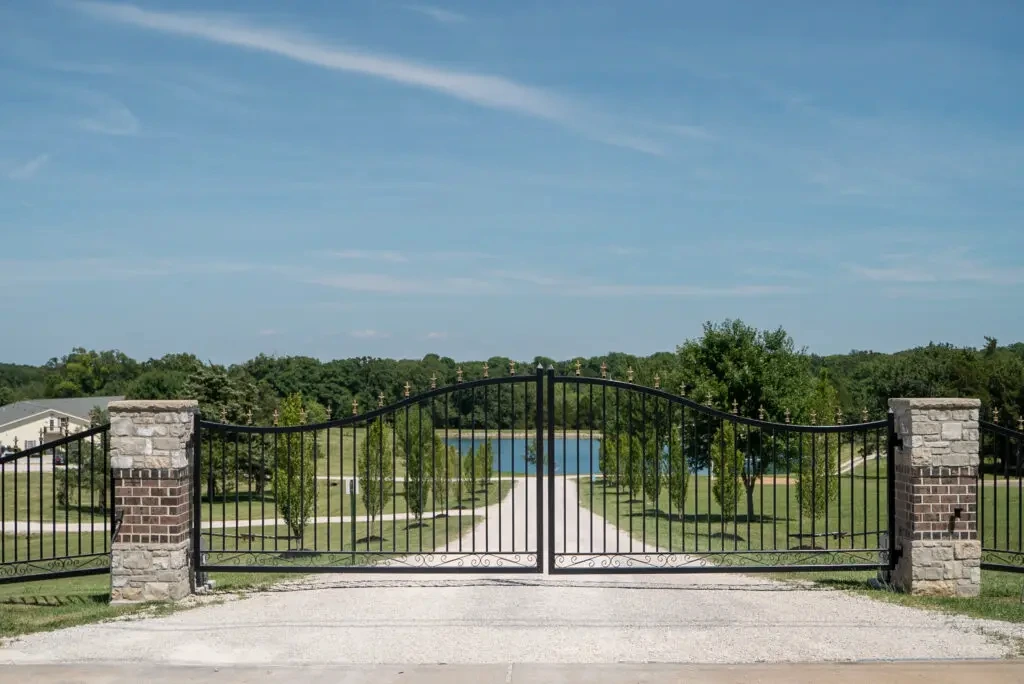
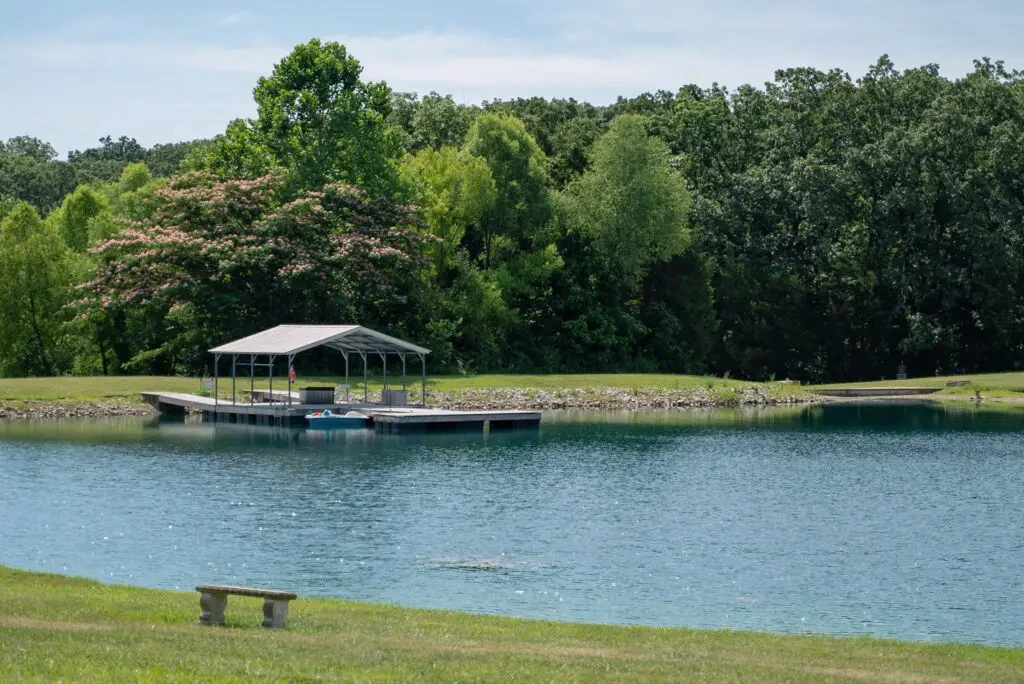
Sana Lake Recovery 3 photos

Comparison facts and sources
Five-location Missouri substance-use treatment network; the Dittmer campus provides medical detox and residential care, while other sites provide outpatient and extended-care services. · 8350 State Route 30, Dittmer, Missouri 63023
- Published fee information
- Quote required
- Before admission
- Services vary by campus. Dittmer should not be presented as the address for every outpatient or extended-care service, and exact residential duration and personal cost require direct confirmation.
- Continuing care
- Members 4 Life provides ongoing recovery support after formal treatment, including support meetings, sober events and peer coaching; the provider describes this support as continuing for life.
Source record · October 15, 2026
Current official provider identity, five-location scope, Dittmer campus, program durations, insurance guidance and continuing support checked October 15, 2026. Image reuse rights were not assessed or claimed.
Luxury rehab comparison · Fees and inclusions · Selection methodology
Provider overview
Sana Lake Recovery is a Missouri substance-use treatment network with five locations in the St Louis region. Its 55-acre Dittmer campus provides medical detox and residential rehabilitation; Maryland Heights provides PHP, IOP, outpatient therapy and medication management, while the other sites provide selected outpatient, recovery-housing or appointment-only services.
Network scope
The network’s continuum includes medical detox, residential treatment, partial hospitalization, intensive and standard outpatient care, medication management, sober living, family programming and alumni support. Services and addresses differ by location, so the Dittmer campus should not be presented as the address for every Sana Lake service.
Duration and payment
Sana Lake describes treatment as individualized. Its PHP page gives 15–25 days, while IOP guidance describes 6–9 weeks or 9–12 hours weekly; it does not publish one fixed network-wide residential duration or self-pay price. It states that treatment is in-network with insurance and names multiple commercial and military plans; coverage and personal cost depend on the member, plan and level of care. Call 314-664-9931 to confirm the appropriate campus and program.
The Dittmer campus and the wider Missouri network
Sana Lake’s Dittmer location page describes a 55-acre lakeside setting for medical detox and residential care. The campus combines clinical spaces with outdoor grounds, dining and recreational areas. Its published team includes nursing, clinical operations, wellness, and nutrition and fitness roles. Those different responsibilities help explain the residential environment; a count of everyone employed at the campus would not establish the number of clinicians available to an individual patient.
Dittmer is the starting point for some people who later attend services elsewhere in the St. Louis region. A proposed admission should therefore identify the first campus, the expected sequence of care and any later move. Families arranging travel need the receiving location for each stage, especially when comparing a continuous residential stay with a plan that eventually combines outpatient appointments and separate housing. Photographs of the lakeside campus should not be taken as a description of every Sana Lake address.
Medical monitoring during detox
The provider’s medically monitored detox program describes nursing availability around the clock, an initial medical evaluation, monitoring of physical symptoms and vital signs, and medication when clinically appropriate. Hydration, nutrition and opportunities for therapeutic support appear alongside medical care. Sana Lake also describes planning for the next level of treatment during this stage, rather than treating the completion of withdrawal monitoring as the end of the overall care plan.
Admissions needs an accurate account of recent substance use, existing prescriptions, previous withdrawal experiences and other medical concerns to determine whether this setting can meet a person’s needs. The relevant practical distinction is the level of monitoring actually available at Dittmer and the process for transferring someone who requires a different medical setting. Families can request the anticipated transition from detox to residential care, while recognizing that the timing depends on assessment and progress rather than a reserved number of nights alone.
Residential routines and time at the campus
Sana Lake’s residential program description combines individual and group work with education about recovery, sleep and nutrition, relaxation practices, and physical activity. Examples of the daily routine include morning goals, therapeutic groups, individual appointments and scheduled recreation. The grounds offer activities such as basketball, volleyball, fishing and paddleboats. These features describe opportunities within the environment; participation and access still depend on the treatment schedule, weather and individual suitability.
The residential FAQ says many inpatient stays are around 30 days, potentially incorporating detox, residential treatment and on-campus PHP. That estimate should not be interpreted as 30 days at one unchanged level of care. A family comparing packages can ask how many days are currently anticipated at each stage, when the clinical review takes place and what an extension would involve. The same page describes family visits at designated times, making it useful to clarify visiting arrangements before relatives book travel.
Two different PHP arrangements
The partial hospitalization page describes both an on-campus PHP component associated with a Dittmer inpatient stay and an outpatient PHP option in Maryland Heights. The latter allows a person to receive structured daytime treatment while living at home or in supportive housing. This distinction matters when reviewing a proposed itinerary: the term PHP alone does not reveal where someone will sleep, whether a move is involved or which accommodation costs apply.
The published clinical components include individual and group therapy, medication management, skills work and case management. Examples include cognitive behavioral therapy, dialectical behavior therapy, motivational interviewing, mindfulness and journaling. Casework can address practical concerns involving housing, employment or legal responsibilities. The most useful program outline identifies the assigned location, actual weekly timetable and which appointments are individual. It should also explain how the team decides when to reduce the intensity of treatment and whether that transition changes the clinician or travel arrangements.
Outpatient schedules and transport
Sana Lake’s outpatient information describes IOP as approximately nine to 12 hours a week across three or four days, with a typical course of six to nine weeks. Standard outpatient care is less intensive and can involve an individual appointment of about an hour weekly or a different schedule matched to the person. Maryland Heights is an outpatient location, and the provider also advertises telehealth options for IOP and outpatient care.
A workable schedule should account for employment, classes, family responsibilities and the time needed to travel between housing and treatment. Sana Lake describes transportation from its recovery residences to outpatient services, which can help explain how those two parts of the network connect. Prospective residents should confirm the route and appointment times for their assigned house. For remote appointments, ask where the patient must be physically located, which services are available online and how medication or other in-person needs will be coordinated.
Medication management within the treatment plan
The provider’s medication-assisted treatment page describes medication as one possible component of a broader plan. It discusses options including buprenorphine, naltrexone and acamprosate, alongside assessment, therapy and support. The presence of a medication on that page does not mean it will be prescribed to every patient or supplied at every Sana Lake location. Individual suitability, existing prescriptions and the person’s preferences need a clinical discussion.
For someone already receiving prescribed treatment, continuity is an important admissions question. The care plan should identify who reviews medication, which location provides follow-up and how prescribing responsibilities change when the person leaves residential care. This also separates medication used during withdrawal monitoring from longer-term appointments that may continue through outpatient treatment. A clear discharge arrangement names the receiving prescriber and the next review date, rather than relying only on a general promise that medication management exists somewhere within the network.
New Dawn support for relatives
The New Dawn family program offers individual, family and group therapy, together with education about addiction and its effects on relationships. Sana Lake describes both virtual and in-person services, including a New Dawn location in the St. Louis area. A particularly useful distinction is that relatives can seek support even when their loved one is not receiving treatment at Sana Lake. Their own needs can be addressed independently of the patient’s admission.
The published areas of focus include communication, family roles, grief, anxiety, depression and trauma-related concerns. Joint family therapy is described as appropriate when clinically indicated. It should not be assumed that every relative participates in every clinical discussion or receives access to the patient’s records. Families can ask about separate appointments, consent for joint sessions, availability outside working hours and the cost of their own care. Insurance verification should be specific to the person receiving that family service.
Recovery housing has its own arrangements
Sana Lake’s recovery supportive housing information identifies gender-specific homes in Affton and the University City area. It describes furnished accommodation, on-site peer staff, house responsibilities, support meetings and substance testing. Residents can pursue employment or education, and personal vehicles are permitted. The page also distinguishes this living environment from addiction treatment: many residents attend outpatient care separately while using the house as their base.
The provider says housing is privately paid rather than covered by health insurance, with rates depending on the house and bedroom arrangement and a weekly commitment. That creates a separate budget item even when clinical appointments receive insurance authorization. A proposed placement should specify rent, any deposit, room sharing, guest and curfew rules, transport and the notice required to leave. Sana Lake also welcomes some people coming from other treatment providers, subject to suitability and available space; a bed should be confirmed before a discharge or move.
Members for Life after formal treatment
The Members for Life program is Sana Lake’s continuing community for people who have received its care. The published activities include individual peer contact, weekly discussion or sharing meetings, mentoring through Members Helping Members, and several events each month. Examples of past social activities range from hiking to trivia and other group outings. Some events involve families, giving relatives a way to participate beyond the period of residential treatment.
This community role is different from a booked psychotherapy or prescribing appointment. A discharge plan should identify both: how the person joins the alumni network and which clinical services continue after leaving. Someone returning outside Missouri can ask which meetings or contacts are remote and whether the local events will remain practical. The schedule, access rules and any costs should be confirmed directly. The existence of an alumni program does not by itself promise unlimited clinical treatment or establish an individual outcome.
Deep TMS is a separate outpatient service
Sana Lake’s TMS service page describes BrainsWay Deep TMS for adults with major depression at its Maryland Heights address. The provider presents this as a series of office-based visits, with sessions described as approximately 20 minutes. Assessment, eligibility and insurance requirements apply. This is a distinct service within the network and should not be assumed to be part of a standard Dittmer detox or residential admission.
A person exploring this option needs a treatment-specific consultation about their history, current care and whether this particular service is appropriate. Practical planning should cover the proposed frequency of visits, the full course, the location and how existing therapy or prescribing will be coordinated. Where a residential referral mentions TMS, obtain an explicit statement of whether it is included, separately scheduled or merely available for later consideration. The provider’s description of equipment and treatment does not establish a guaranteed response for any individual patient.
Assessment, arrival and financial planning
The admissions process begins with a conversation about the person’s situation, followed by clinical assessment, discussion of finances and an agreed arrival plan. Sana Lake advertises round-the-clock admissions contact and the possibility of prompt admission when suitable space and clinical approval are available. An initial conversation is therefore an opportunity to identify the appropriate level and address; it should not be treated as confirmation that a particular bed or service has already been approved.
Families arranging an admission can help gather relevant records and practical information, while the clinical team assesses the prospective patient. The financial discussion should distinguish covered treatment, personal insurance obligations, transport and any later housing charges. A written estimate is especially useful when the pathway includes several levels of care, because authorization or cost-sharing can change between them. Confirm the arrival instructions, items to bring and the named contact for any change in the person’s condition before travel.
Understanding clinical and organizational responsibilities
Sana Lake’s organizational information identifies Paul Melnuk as chief executive officer and Ashley Murry, LCSW, as chief clinical officer. The distinction between executive leadership and clinical oversight is useful when assessing a multisite provider. A leadership biography can describe the organization’s approach, but it does not identify the therapist, nurse or prescriber who will manage a particular admission. Those assignments need to be established for the selected service.
For a pathway involving Dittmer, Maryland Heights and recovery housing, continuity depends on how information and responsibility move between teams. Useful details include the lead clinician, frequency of treatment reviews, consent arrangements for communicating with existing providers and the person responsible for coordinating a transition. These are more informative than assuming every location operates with an identical staffing model. Prospective patients can request a program-specific explanation of those responsibilities alongside the location, schedule and financial plan before committing to care.
Program and location details were checked against the linked Sana Lake primary sources on October 18, 2026. Published schedules describe the provider’s current guidance; individual eligibility, availability, treatment and costs require confirmation.
Official sources
Checked October 15, 2026: Sana Lake Recovery, Missouri locations, Dittmer campus, continuum of care, PHP, outpatient and IOP, and continuing support.