San Antonio Recovery Center — Culebra
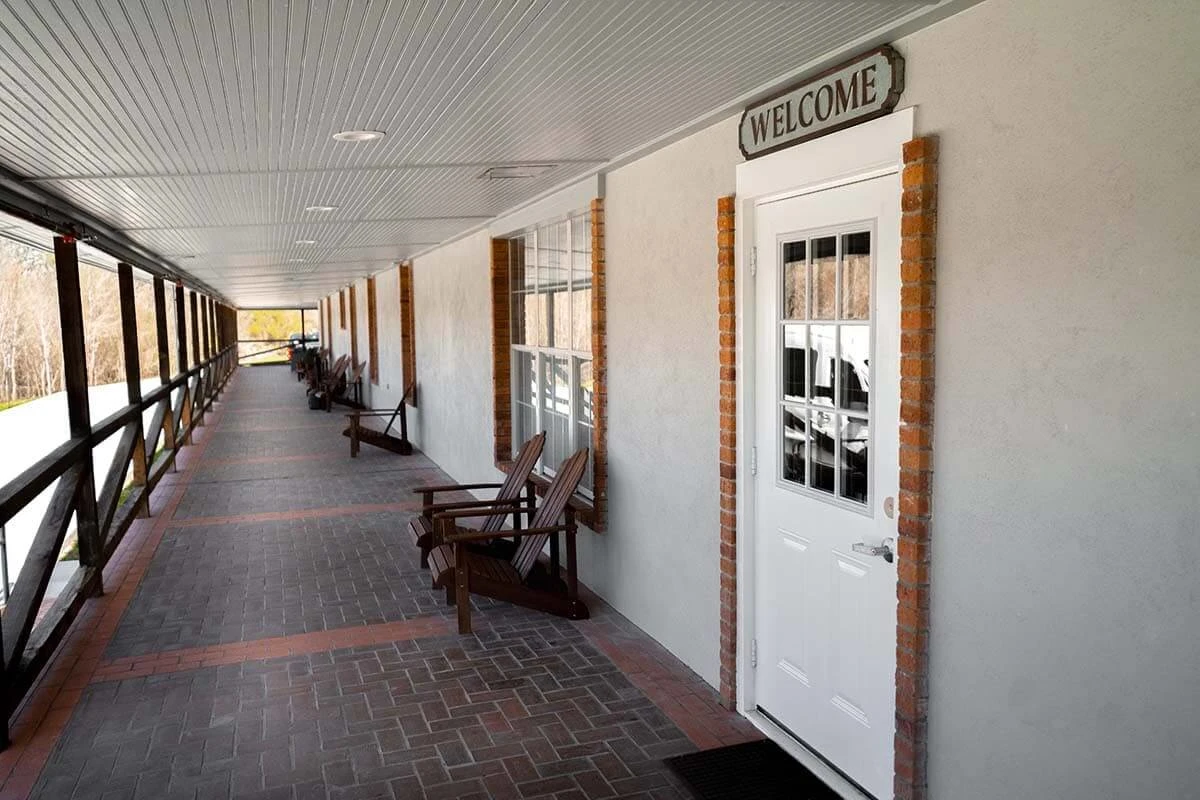
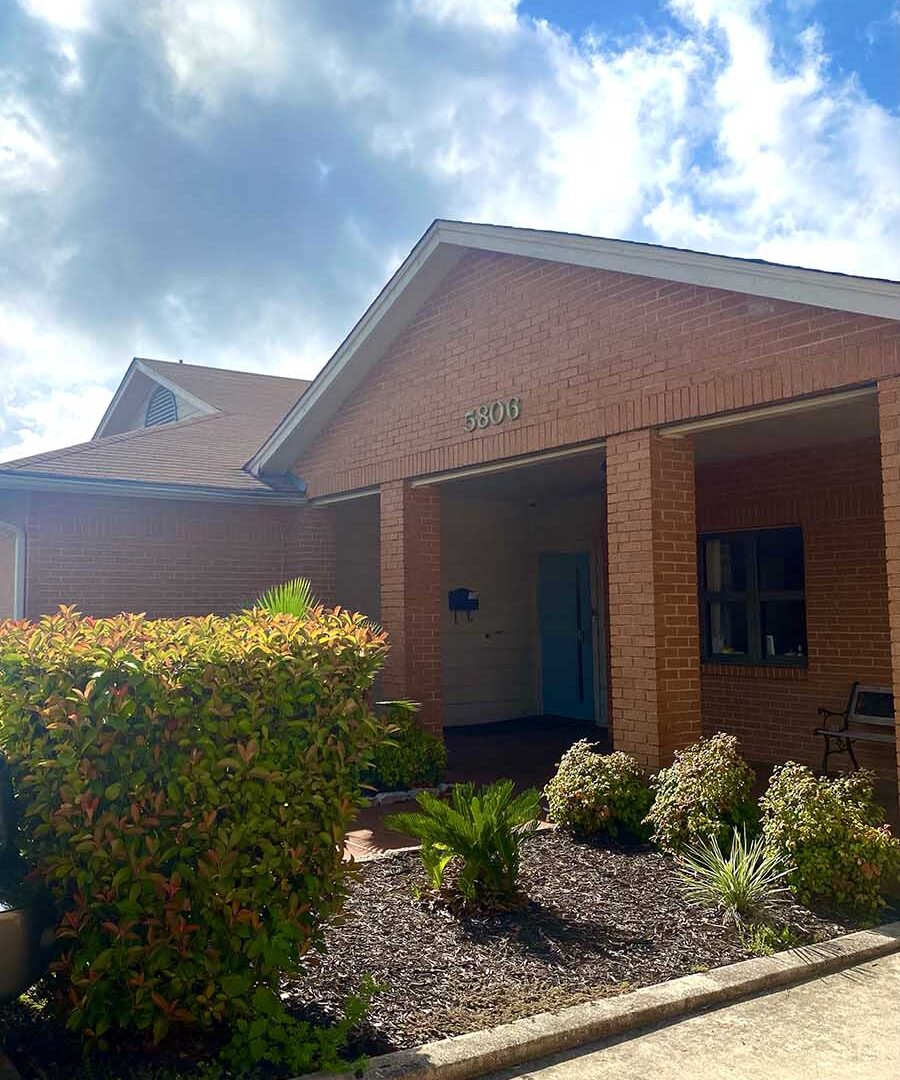
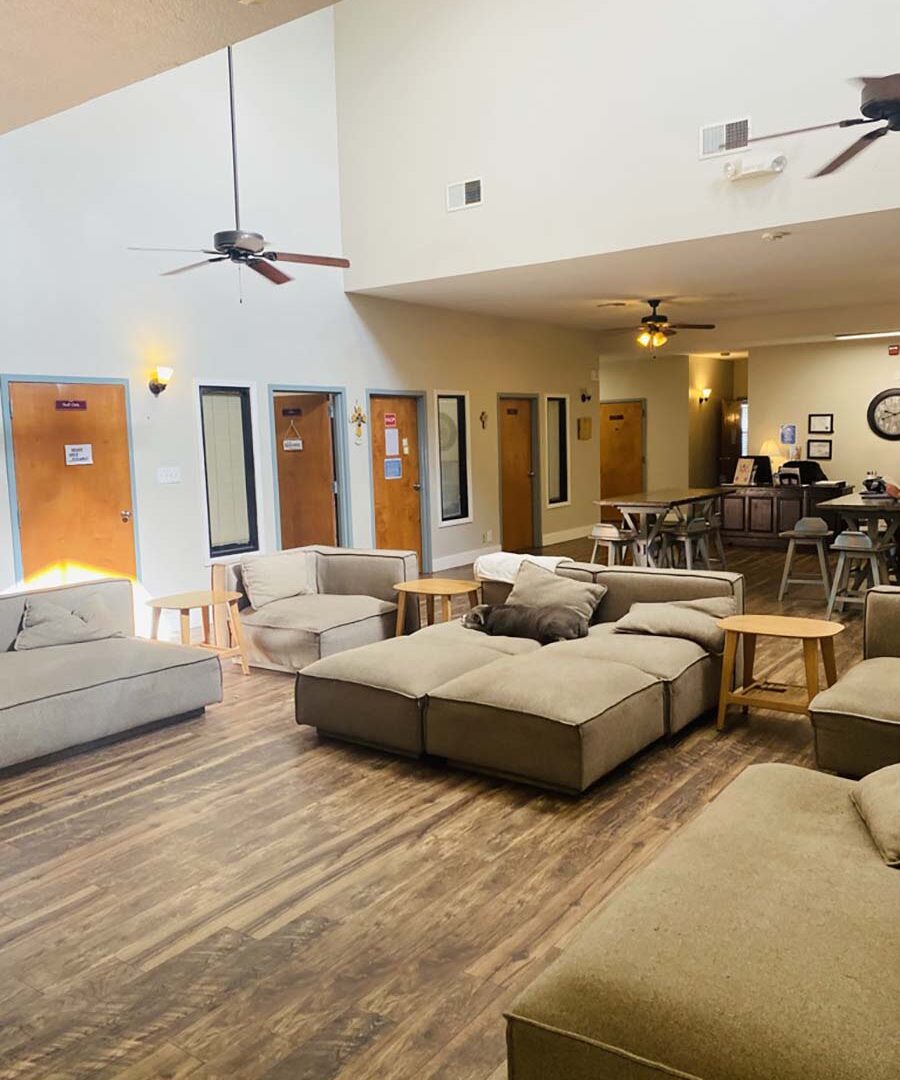
San Antonio Recovery Center — Culebra 3 photos
Comparison facts and sources
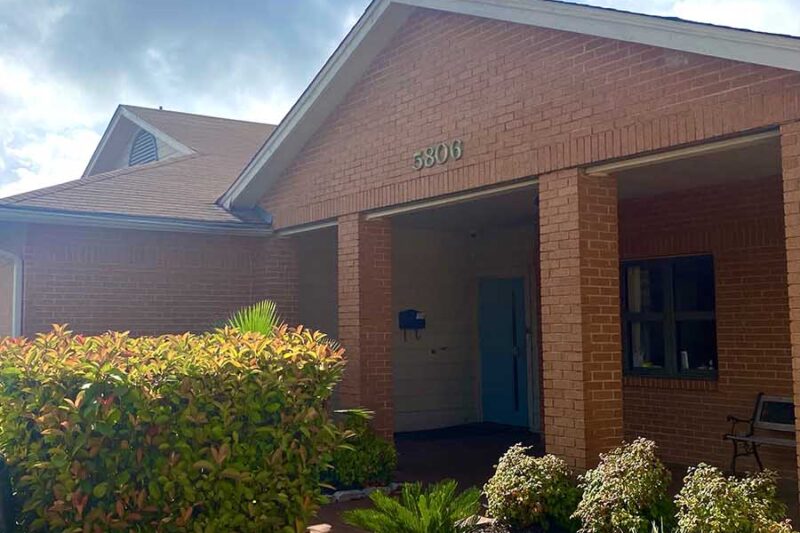
Exact adult Culebra campus within a three-location San Antonio provider. Culebra offers medical detox and residential addiction treatment; outpatient PHP/IOP is delivered at the separate San Pedro campus. · 5806 Culebra Road, San Antonio, Texas 78228, United States
- Treatment locations
- 5806 Culebra Road, San Antonio, Texas 78228, United States
- Before admission
- Culebra is adult detox and residential only. Detox length depends on need. In the optional wider 90-day continuum, current guidance describes approximately 3–5 detox days, 25–30 residential days and two weeks of PHP at San Pedro before further outpatient care; this is not a fixed Culebra-only stay.
- Continuing care
- Culebra includes aftercare planning and ongoing recovery guidance. The wider provider offers PHP, IOP and a large alumni network, but outpatient care is at San Pedro rather than the Culebra campus.
Source record ·
Provider-published information checked October 16, 2026.
Luxury rehab comparison · Fees and inclusions · Selection methodology
Provider overview
San Antonio Recovery Center operates three San Antonio locations. This profile is for the Culebra campus at 5806 Culebra Road, which provides adult detoxification and residential addiction treatment; outpatient and other network services may operate elsewhere.
Culebra treatment
The current Culebra page lists detox and residential care for adults with alcohol, drug and polysubstance use, with mental-health support when needed, therapy, recovery education, aftercare planning and optional family education. Detox length and residential duration depend on individual assessment. For patients enrolled in the provider’s wider 90-day continuum, current guidance describes roughly 3–5 days of detox, 25–30 days of residential care and two weeks of PHP at the separate San Pedro campus before further outpatient care; this should not be treated as a fixed Culebra-only stay.
Culebra provides adult detox and residential treatment
The Culebra campus page identifies adult detoxification and residential addiction care at 5806 Culebra Road. It describes support for substance use and co-occurring mental health needs, with therapy, recovery education, and planning for continued care. Outpatient treatment is assigned to the separate San Pedro location.
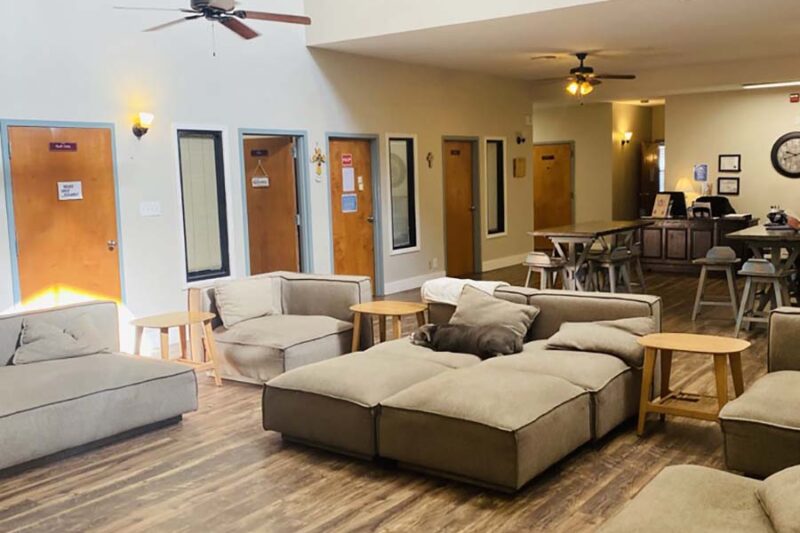
The local page also addresses people already receiving methadone: it says transportation to a clinic or secure on-site dose management may be arranged when needed. That is a continuity arrangement, not evidence that Culebra is an independently operating methadone-dispensing clinic. Discuss the existing provider, prescription, and practical arrangements before arrival. The campus’s images show bedrooms, shared living areas, and treatment spaces, but do not establish a private-room entitlement. Obtain the actual receiving program, room arrangement, and clinical plan when comparing this location with another service. A network-wide offering should not be assumed to take place inside the Culebra building.
Detox duration depends on the clinical assessment
The medical detox page describes monitoring, medication when appropriate, and an individualized withdrawal plan. It lists alcohol, opioids, and benzodiazepines among the substance-related concerns assessed. Its general FAQ gives a possible period of a week to ten days, while emphasizing variation according to substances, health, and treatment history.
That general range should not override the person’s assessment or be confused with the shorter detox example in the separate 90-day pathway. Tell the clinical team about current prescriptions, previous withdrawal complications, and other health conditions. Ask what can be managed at the accepted campus and when hospital care would be needed. Website examples are not instructions to change medication or attempt withdrawal without professional assessment. Detox is also a stage of care rather than a complete plan for every ongoing need. The team should identify the next appropriate service, its receiving location, and the arrangements for a clinical handoff before discharge.
Residential care has a different purpose from withdrawal management
The residential program description combines a live-in setting with individual counseling, groups, recovery education, family work, and support for co-occurring concerns. It also describes spiritual counseling and a 12-step approach. These are parts of the provider’s treatment model rather than a single intervention delivered identically to everyone.
Ask how the individual plan balances clinical appointments, groups, recreation, and rest. Explain religious preferences and any previous experience with 12-step programs so participation expectations are clear. A residential recommendation should account for the person’s current needs and ability to engage, not simply the wish to leave a stressful environment. Confirm who provides medical and psychiatric review and how a concern can be raised outside a scheduled session. The network’s residential page also links to outpatient services elsewhere. Those links do not turn Culebra into an outpatient campus or establish that every resident must complete the same sequence after leaving.
The 90-day pathway combines several stages and locations
The 90-day program page outlines approximately three to five detox days, 25 to 30 residential days, two weeks of PHP, and six weeks of IOP. It places PHP at San Pedro, with a published weekday schedule of 9 a.m. to 1:30 p.m. and an individual counseling hour. IOP is described on three days weekly with day or evening options and weekly individual counseling.
This is a wider continuum, not a 90-day residential reservation at Culebra. The published stages are planning examples and should be reconciled with an individual clinical recommendation and authorization. Ask which transitions are proposed, where the person will live during outpatient care, and who coordinates transport and prescriptions. A program label does not ensure an exact calendar endpoint. If someone cannot follow the full sequence locally, discuss an appropriate receiving service near home. Treatment duration should be reviewed with the team rather than inferred from promotional claims about the benefits of a particular number of days.
Medication support includes coordination with existing providers
The medication-assisted treatment page describes medication alongside counseling across detox, residential, and outpatient levels of care. It names buprenorphine-containing medicines and naltrexone among the options and says staff accompany clients to their methadone clinic for dosing.
The arrangement should be agreed for the person, current prescription, and receiving campus. Ask who will prescribe, how the established clinician will be contacted, and whether transport or another approved continuity plan is required. The general medication page and Culebra’s local description should not be interpreted as a promise of a particular drug or a new on-site dispensing service. Duration is individualized and reviewed by the treating team. A move from detox to residential or outpatient treatment should include a clear handoff so necessary medication care is not left to assumption. Questions about starting, continuing, or changing a medicine belong with the responsible clinicians, not with a comparison of website program labels.
Trauma-related treatment is assessed within the addiction plan
The trauma therapy page describes individual and group work addressing the relationship between difficult experiences, current symptoms, and substance use. It discusses several therapeutic approaches, including cognitive processing and exposure-based methods, as examples of trauma treatment.
Those general descriptions do not establish that every technique is offered by every therapist or that a full named protocol will fit inside a particular residential stay. Ask which clinician can assess the specific concern, what treatment is proposed, and how readiness and progress are reviewed. A history of trauma does not by itself determine a diagnosis or the appropriate care level. Someone who finds group discussion difficult should be able to discuss that privately with the team. The plan should distinguish general trauma-informed support from a dedicated course of trauma-focused therapy, with any continuing appointments arranged after discharge. The provider’s broad descriptions should not become promises of a rapid or complete resolution.
The family program has a ten-week educational curriculum
The family program page describes individual family sessions and interactive family nights. Its published curriculum runs for ten weeks, with Wednesday sessions from 7 p.m. to 9 p.m. Topics concern addiction, its effects on relatives, and tools for supporting recovery. The page says people can join the program at any time.
Confirm the current meeting location or format, how to enter the rotating curriculum, and whether the proposed sessions are included in the treatment agreement. A relative’s educational group is different from a joint clinical appointment or permission to receive private treatment details. Discuss the client’s preferences and the purpose of involvement with the treating team. Participation should reflect the relationship and circumstances, including any need for separate conversations or limits on contact. Families do not need to assume that everyone must attend or that completing a curriculum will resolve every conflict. The program should support a practical plan without transferring responsibility for a person’s recovery to relatives.
San Pedro is the outpatient destination within this continuum
The San Pedro location page identifies adult PHP and IOP at 7122 San Pedro Avenue, Suite 114. It explicitly says this location does not provide detox or residential treatment. Its outpatient offer includes clinical support, recovery education, and medication management when appropriate, with clients living elsewhere.
Someone leaving Culebra should therefore receive more than a general recommendation to “continue at SARC.” Confirm acceptance into the specific outpatient program, its first appointment, the expected attendance pattern, and the plan for transport and accommodation. A family home or supportive residence is separate from the clinic and may have its own suitability and cost considerations. The San Pedro description includes several therapeutic and recreational approaches, but the accepted plan determines what is actually provided. If the person cannot manage safely between sessions, that concern needs clinical reassessment. Outpatient flexibility concerns the setting and schedule; it does not mean that the service offers overnight monitoring.
Aftercare planning starts during treatment
The aftercare page describes planning from the beginning of treatment, with possible connections to ongoing therapy, peer meetings, supportive housing, and community resources. It treats continuing support as individualized and does not give one fixed endpoint for every component.
Use that planning time to identify the services the person will actually receive, rather than assume that every resource listed is included or immediately available. A referral for housing, employment support, or another practical need is different from guaranteed placement or financial assistance. Establish which clinician will continue therapy or prescribing, when appointments begin, and how records are transferred with permission. If the plan includes a recovery residence, obtain its address, operator, rules, and charges separately from clinical treatment. Continuing care can change as needs change. A return to substance use or deterioration in mental health should prompt professional reassessment rather than a conclusion that a single aftercare activity will be sufficient.
Alumni meetings have a published San Pedro schedule
The alumni page lists a Thursday meeting at 7 p.m. at the San Pedro location. It also describes a board meeting on the first Thursday of the month and an Alumni Unity event on the last Saturday, with current event details shared through the meetings.
These are opportunities for peer connection and participation, not a substitute for an individual discharge plan. Check the current schedule and eligibility before traveling, particularly for someone returning to another city. A person may choose ongoing community contact while formal therapy or medication care is delivered by another professional. Keep those responsibilities clear. Alumni membership does not establish unlimited clinical appointments, immediate crisis response, or an automatic place in treatment. The page’s examples of sponsorship and community activities should be understood as options, not requirements for every graduate. The useful question is how this local network can complement the person’s actual continuing care and preferred support.
Benefits verification should follow the recommended program
The insurance verification page names Blue Cross Blue Shield and Magellan among network arrangements and describes work with a range of health plans. Its benefits check is intended to clarify coverage for the individual, rather than establish that every carrier, policy, and treatment phase will pay on the same terms.
Ask for the financial estimate for the actual Culebra admission and any separately proposed San Pedro care. Medical detox, residential treatment, outpatient sessions, medication, transport, and housing should be identified clearly where they affect cost. A general reference to public or private insurance is not confirmation that a specific public plan is accepted at a particular campus. Verify the exact policy with both the provider and insurer. For self-pay care, request a current written quote and the terms for extensions or changes in care level. The profile does not establish a universal cash price, and a benefits estimate does not itself guarantee clinical acceptance.
An initial inquiry should lead to a confirmed assessment and destination
The general FAQ describes an adult provider with several levels of care and a team available seven days a week for assessments, tours, and information. It identifies San Pedro as the outpatient hub while describing detox and residential services elsewhere in the network.
Explain whether the immediate need is a new assessment, withdrawal support, residential care, or continuing outpatient treatment. The first conversation should clarify clinical fit and practical next steps rather than simply select a service from a menu. Before arrival, obtain the campus address, time, responsible contact, documents, and instructions for existing medication. A scheduled tour is different from an accepted admission. If another professional is arranging a transfer, confirm how clinical information and responsibility pass between the teams. Current availability and the recommended care level should be established before travel. General access information does not replace appropriate urgent medical or psychiatric assessment when that is needed.
Official provider information reviewed October 19, 2026. Culebra detox and residential care are distinct from San Pedro outpatient services. Confirm individual duration, methadone or other medication continuity, family and alumni schedules, and program-specific payment terms.
Admissions, insurance and costs
Admissions are available 24 hours a day at 866-957-7885. The provider says it works with many major insurers, including named commercial carriers, and verifies benefits before admission. Coverage and personal costs vary; no standard cash price was published.
Sources and verification
official Culebra campus; insurance verification; 90-day continuum. Checked October 16, 2026. Provider-published information; not an independent clinical assessment.